Who Paints Kitchen Cabinets Near Me? Costs, Finishes & Hire
Learn the benefits, typical costs, and questions to ask when hiring local painters to paint or refinish kitchen cabinets for a refreshed look.
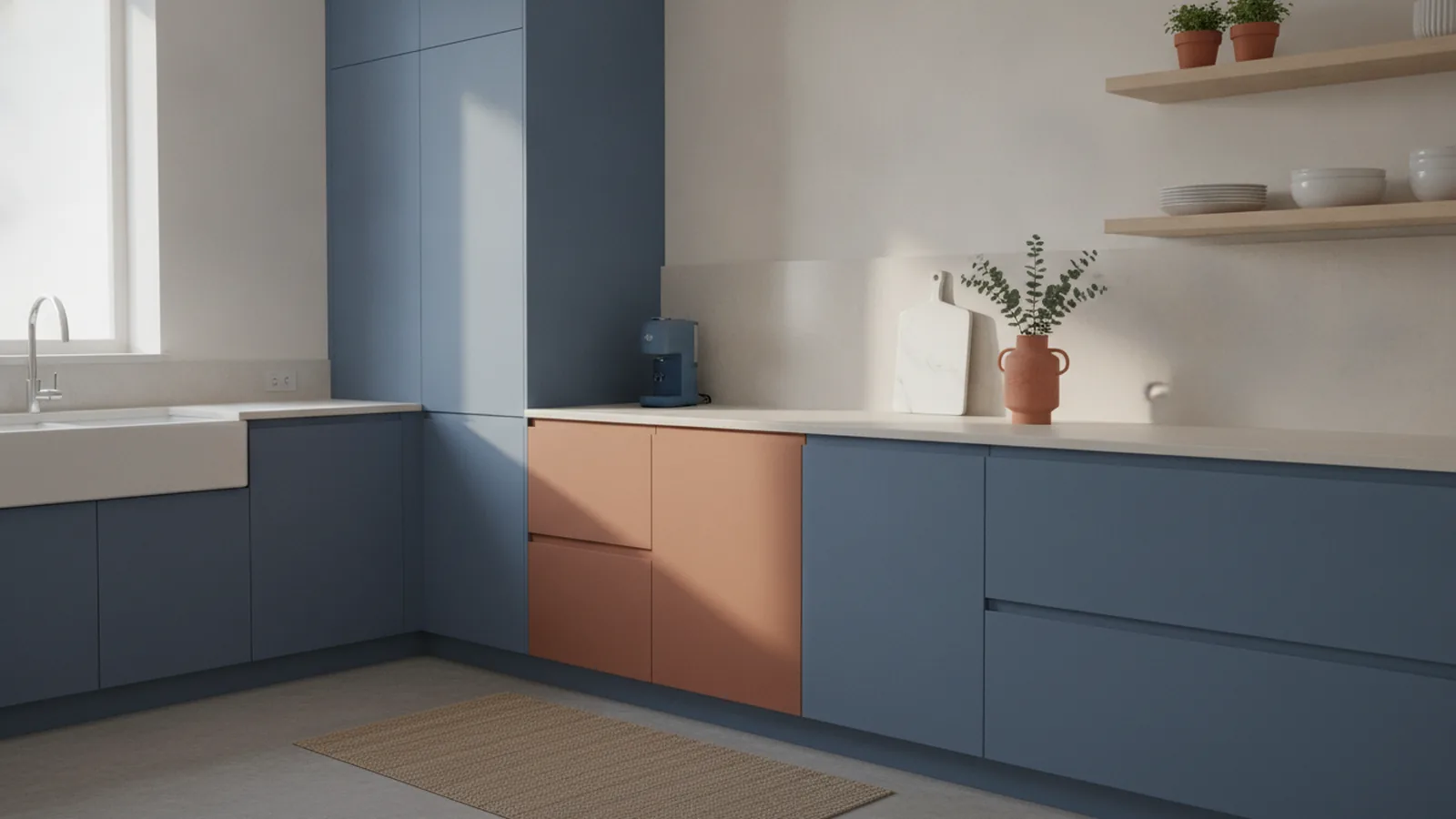
Benefits of painting your kitchen cabinets
If you are searching for who paints kitchen cabinets near me, you likely want a fast kitchen upgrade. Cabinet painting can refresh the look of the kitchen without the mess and cost of a full remodel. It is also one of the few updates that changes the room’s feel dramatically, since cabinets take up most of the wall space.
Done well, cabinet painting can also extend the life of your existing cabinet boxes and doors. Many homes already have solid cabinetry, but the finish is dated, scuffed, or mismatched with newer upgrades. Cabinet refinishing focuses on improving the surface and appearance while keeping your layout.
Another advantage is flexibility. You can pick classic neutrals, modern two-tone styles, or custom colors and finishes that fit your interior design goals. For many homeowners, this is the best path between “leave it as-is” and “tear it out.”
- Lower cost than a full remodel for similar visual impact
- Faster change than new cabinets in many cases
- More style options through custom colors and finishes
How to choose a cabinet painter you can trust
When you look up local cabinet painting services, prioritize proven results over marketing claims. Start by checking how long the company has worked specifically on cabinets, not just general house painting. Cabinet surfaces require a specific prep process and a durable topcoat to resist daily wear.
Next, evaluate their reviews and portfolio. A good painter should show cabinets from multiple homes and lighting conditions, since color can shift from showroom photos. Ask if their portfolio includes kitchens similar to yours, such as raised panel doors, laminate cabinets, or older wood species.
Finally, confirm their approach to cabinet refinishing. Reputable professional painters usually remove doors and hardware, prep surfaces carefully, and apply coats in a controlled way. If a painter is vague about prep or dries the finish too quickly, treat that as a red flag.
- Experience: Ask how many cabinet jobs they complete each month.
- Portfolio: Request photos of recent cabinet work in natural light.
- Process: Look for clear steps for cleaning, sanding, priming, and topcoating.
- Reviews: Read multiple reviews, not just the average rating.
Questions to ask cabinet painters before you book
To find painters who paint kitchen cabinets who match your needs, ask direct questions about experience, methods, and timing. Start with how long they have been painting cabinets and whether they do the work themselves. Many homeowners get better outcomes when the same team handles prep, spray, and finish work.
Then ask about their cabinet prep method. Cabinets often have grease buildup, old coatings, or laminate edges that can cause peeling if prep is rushed. You want to hear a specific plan, such as sanding, degreasing, and using an adhesion primer suited to your cabinet material.
You should also ask for an estimated timeline. The project usually includes door removal, surface prep, priming, coating, drying or curing, reassembly, and final touch-ups. Ask for the “earliest possible start” and the “realistic finish date,” since drying time can affect both.
- Experience level: “How long have you painted cabinets, and what percent of your work is cabinet painting?”
- Methods used: “Do you remove doors and hardware, and how do you prep before priming?”
- Estimated timeline: “What is the full schedule from prep to reinstallation?”
If you are comparing companies who paint kitchen cabinets, ask who manages the job day-to-day. Also ask how they protect floors and countertops during prep and spraying. These details often separate a smooth experience from a stressful one.
Estimated costs of kitchen cabinet painting
Pricing for cabinet painting depends on more than just your ZIP code. Most estimates vary by kitchen size, number of cabinet doors and drawers, cabinet material, and how complex the job is. The finish type also affects cost, since premium primers and topcoats cost more and may require longer curing times.
As a quick benchmark, many homeowners see per-project pricing that can range widely. For example, some local jobs might start around a few thousand dollars for smaller kitchens, while larger kitchens with many doors can cost more. Your best move is to request an itemized quote that breaks out prep, priming, paint, and labor.
When a quote comes in far below competitors, ask why. A low bid might skip steps like thorough surface prep or careful masking. A responsible painter will explain what they include, what is excluded, and any added costs for issues like water damage or extensive repairs.
| Cost driver | What it changes |
|---|---|
| Kitchen size | More doors and drawers usually means more labor and material |
| Cabinet complexity | Raised panels, detailed molding, and corners add time |
| Existing finish condition | Peeling, stains, or heavy wear may require extra prep and repairs |
| Color and finish | Gloss, satin, or matte can change materials and coat process |
| Timeline | Rush schedules may add labor scheduling costs |
Ask whether the estimate includes reinstallation of doors and drawer fronts, plus new hardware if you plan to update it. If you want custom colors and finishes, clarify whether paint sampling is included.
Popular cabinet finishes and color options
When you research who can paint my kitchen cabinets, you will also see finish terms like glossy, satin, and matte. Each finish has a different look and performance. Glossy finishes tend to reflect light and show imperfections more easily, while matte hides surface flaws but can be slightly less “spotlight” friendly.
Satin is a popular middle ground. It offers a gentle sheen and is often easier to live with in kitchens where cooking happens daily. A professional painter can recommend a finish based on your lighting, cabinet material, and cleaning habits.
Color is where interior design goals really come through. Many homeowners choose crisp whites for a bright kitchen, soft greiges for warmth, or deep navy and charcoal for contrast. Two-tone styles are also common, such as painting lowers a durable shade and keeping uppers light to maintain visual balance.
- Glossy: Bright reflection, more visibility of dents and brush marks
- Satin: Low-to-medium sheen, common choice for kitchens
- Matte: Best at hiding minor surface issues, softer look
Ask the painter how many coats they plan to apply and what kind of sanding or scuffing happens between coats. This affects how smooth the final surface feels and how uniform the color looks on edges and flat areas.
Finding local cabinet painters near you
To narrow the search for who paints kitchen cabinets locally, combine online research with real-world recommendations. Check reviews and look for repeated mentions of clean work, good communication, and durable results. Then ask friends, neighbors, or local home improvement groups for referrals from people who actually hired someone.
When you contact a few candidates, be ready to describe your project clearly. Mention the approximate number of doors and drawers, whether you want to change hardware, and if any cabinets show water damage or stains. The more precise your details, the easier it is for who can paint my kitchen cabinets professionals to price the job accurately.
It also helps to ask about scheduling and access. If you use your kitchen heavily, request a plan for how they will work around daily life. Some painters may set up protection and coordinate staging so the kitchen stays usable during certain phases.
Finally, confirm how they handle touch-ups and what “finish approval” means at the end. A good painter will walk through the space with you after reassembly. They should also explain any care steps so your new cabinet finish holds up.
- Search for local painters with cabinet-focused portfolios.
- Request quotes with written prep and finish steps.
- Compare timelines and ask how curing affects reassembly.
- Choose the painter that communicates clearly and answers specifics.
Frequently asked questions
- How much does it cost to paint kitchen cabinets?
- Cabinet painting cost varies by kitchen size, number of doors and drawers, and cabinet condition. Ask for an itemized quote so you can compare prep work and coat steps.
- What should I ask painters who paint kitchen cabinets?
- Ask about their cabinet prep method, whether doors come off for finishing, and the estimated timeline. Also ask how they handle touch-ups after reassembly.
- Do cabinet painting companies remove cabinet doors before painting?
- Many professional painters remove doors and drawer fronts to get a smoother, more even finish. Confirm this in writing so the job matches your expectations.
- What finish is best for kitchen cabinets: glossy, satin, or matte?
- Satin is a common kitchen choice because it balances durability and appearance. Matte can hide small flaws, while glossy can highlight surface imperfections.
- How do I find local cabinet painting services near me?
- Start with online reviews and a portfolio that matches your cabinet style. Then ask friends or neighbors for recommendations from people who actually hired someone.
- Is cabinet refinishing the same as painting kitchen cabinets?
- They are closely related. In practice, refinishing often includes painting plus careful surface prep to restore the look and durability.
Related reading
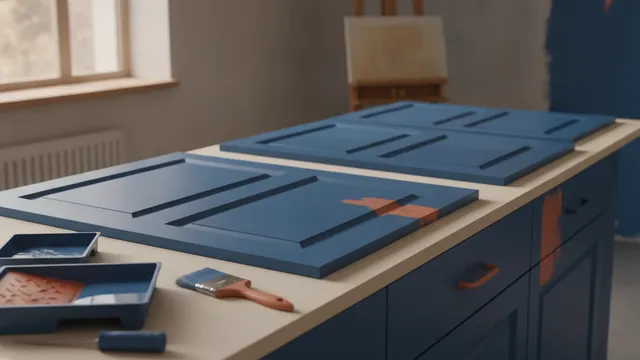
What Is the Best Paint for Kitchen Cabinets? A Practical Guide
Choose the right cabinet paint, prep well, and get a finish that lasts.
How Much Paint Does a 10x10 Room Need?
Find the right paint amount for 10x10, 10x12, and 12x12 rooms.
The Best Bathroom Colors for Mood, Style, and Space
Choose bathroom colors that balance mood, space, fixtures, and style.