Can You Chalk Paint Kitchen Cabinets? How to Apply and Seal
Yes. Learn how to apply chalk paint and seal it for durable kitchen cabinets.
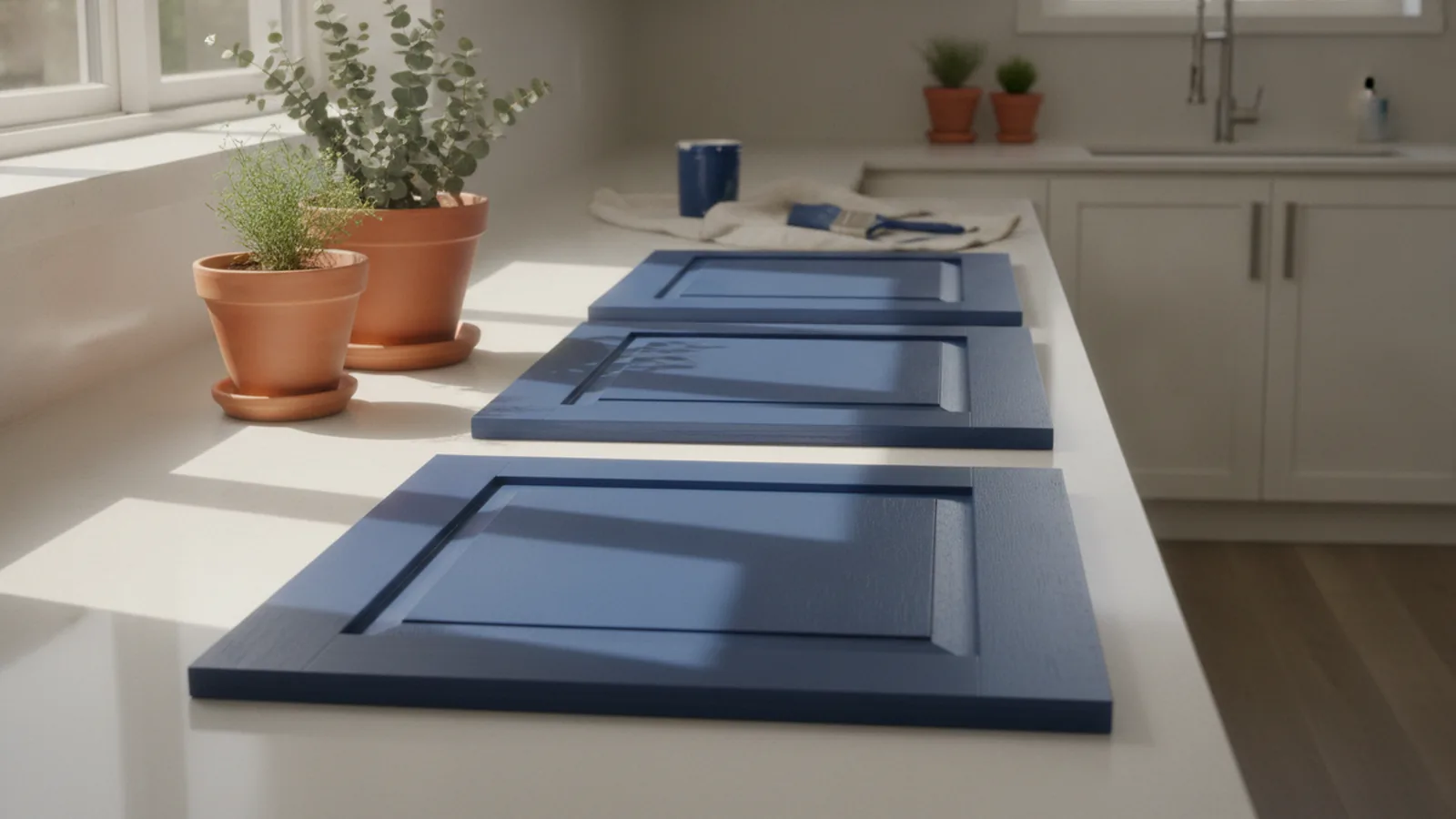
Introduction: Can you chalk paint kitchen cabinets?
Yes - you can use chalk paint on kitchen cabinets, and it can make a big change fast. Chalk paint is designed for easy cabinet painting, so you can often skip heavy prep like sanding or full priming. That said, the kitchen is a tough environment. Grease, water, and daily cleaning mean your sealing choice matters as much as your paint coats.
If you are asking “can i use chalk paint on kitchen cabinets,” the practical answer is yes. You’ll get the best results when you use two steady paint coats and then seal properly. This guide walks through the process and the sealer options that work better than wax in most kitchens.
Quick answer for beginners
Use chalk paint on cabinets if you want a matte, furniture-style look. Plan for light cleaning, two coats, and a kitchen-safe topcoat. Then let everything cure before you start scrubbing.
Why people choose chalk paint for cabinet painting
Chalk paint is popular in DIY home improvement because it is forgiving and quick. Many chalk paint products are meant to bond well without the long priming-and-sanding routine. That is why people can quickly transform dated cabinetry during a weekend.
Another win is the finish control. Chalk paint can deliver smooth coverage or a distressed look, depending on how you apply it and whether you add abrasion. For color selection for cabinetry, chalk paint also makes it easier to experiment with muted tones and layered effects.
Finally, chalk paint often fits well with cabinet painting tips aimed at smaller spaces. You can work room by room and keep disruption low. It still needs proper drying time, but the prep workload is usually less.
- Less prep: often no sanding or primer needed for many cabinet surfaces.
- DIY friendly: straightforward painting process and flexible finish styles.
- Finish variety: clean matte, satin, or distressed looks.
- Fast visual change: color shows quickly after the first coat.
Step-by-step: how to use chalk paint on kitchen cabinets
For “how to use chalk paint on kitchen cabinets,” focus on clean surfaces and consistent application. Start by removing doors and hardware if you can. That helps you paint evenly and seal edges without missing spots.
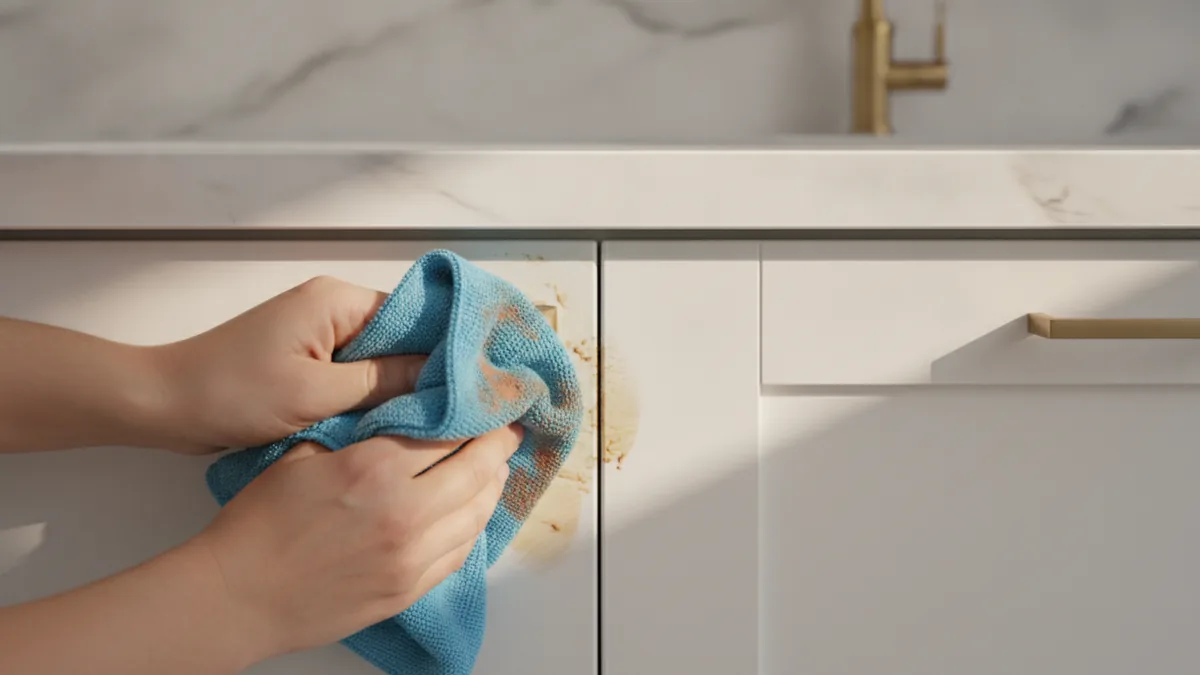
Even if chalk paint does not require extensive prep work, you still need a basic clean. Grease and residue can cause uneven adhesion or a chalky feel. Use a degreaser or warm soapy water, then rinse or wipe until the surface stops feeling slick.
After cleaning, let cabinets dry fully. Then plan your painting technique. Use a quality brush for corners and a foam roller or brush for broad flat areas. Work thin to medium coats and keep a wet edge to reduce streaks.
- Clean and dry the cabinets and doors. Remove dust, grease, and waxy build-up.
- Lightly scuff if needed for slick surfaces. Use a fine sanding sponge only where paint won’t grip.
- Apply the first coat of chalk paint with smooth strokes. Aim for even coverage, not thick paint.
- Let it dry to the product’s stated time. Then lightly review the surface under bright light.
- Apply a second coat for full coverage and uniform color.
- Seal once fully dry so the topcoat bonds properly.
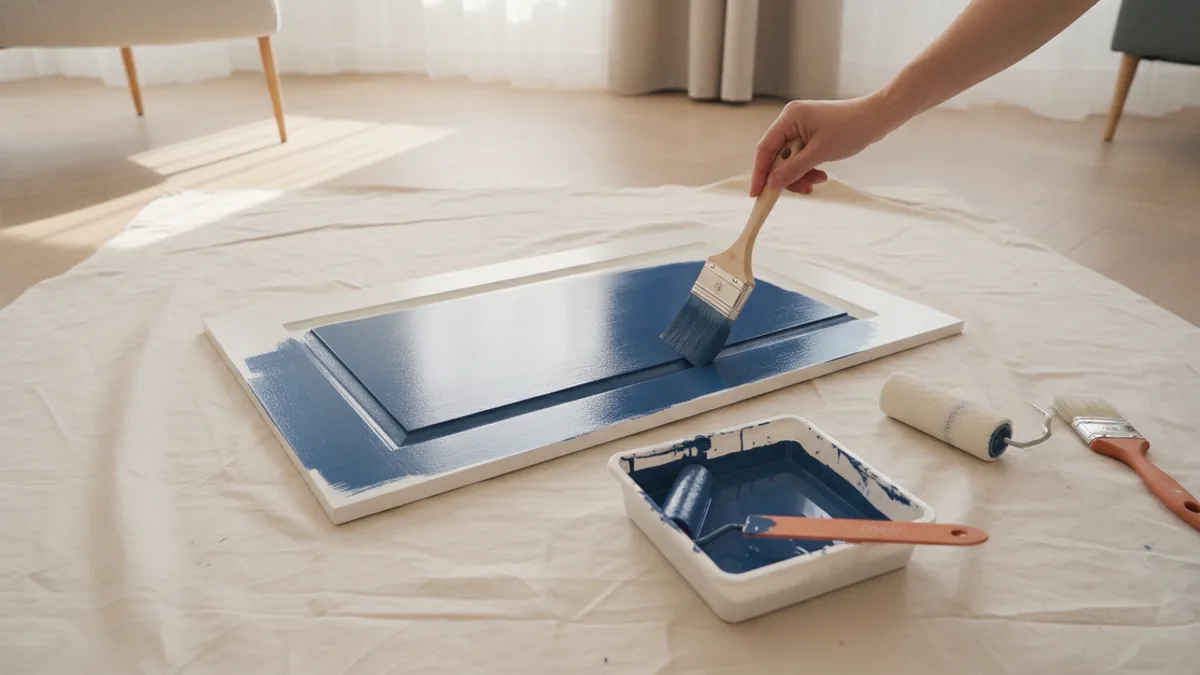
Two coats are recommended for full coverage in most kitchen renovation projects. Darker colors and glossy base paint often need the second coat to hide through-shadows. If your kitchen cabinets are very glossy, you may see better results with a light scuff to help the first coat bite.
Chalk paint kitchen cabinets: how durable is it?
So, “chalk paint kitchen cabinets how durable” is the real question. Chalk paint itself is soft compared to many traditional cabinet paints. That is why the sealer is the durability driver in real use.
With a proper topcoat, chalk paint can handle normal cabinet life. Expect everyday scuff resistance, wipe-down cleaning, and a stable finish. Without sealing, chalk paint can stay vulnerable to moisture and grease, especially near sinks and stoves.
You may also hear questions like “is chalk paint durable for kitchen cabinets” and “is chalk paint durable for kitchen table.” The pattern is the same. Durability comes from the whole system: paint coats plus the right sealer and enough cure time.
| Scenario | What matters most | What to plan for |
|---|---|---|
| Kitchen cabinets | Grease and wet cleaning | Kitchen-safe topcoat, cure time, gentle cleaners |
| High-touch zones | Frequent door handling | Solid topcoat and careful edge sealing |
| Distressed style | Intentional abrasion | Seal over texture so raised spots don’t soak |
Can you use chalk paint on bathroom cabinets?
Yes, you can use chalk paint on bathroom cabinets, but you need a strong topcoat and good ventilation. Questions like “how does chalk paint hold up in a bathroom” usually come down to moisture exposure. Bathrooms get more humidity than most kitchens, so pick a durable, water-tolerant sealer.
As a rule, apply the same two-coat approach to coverage. Then choose a sealer option designed for higher wear. Let the finish cure longer than you think you need, then clean with non-abrasive products.
How do you seal chalk paint on kitchen cabinets?
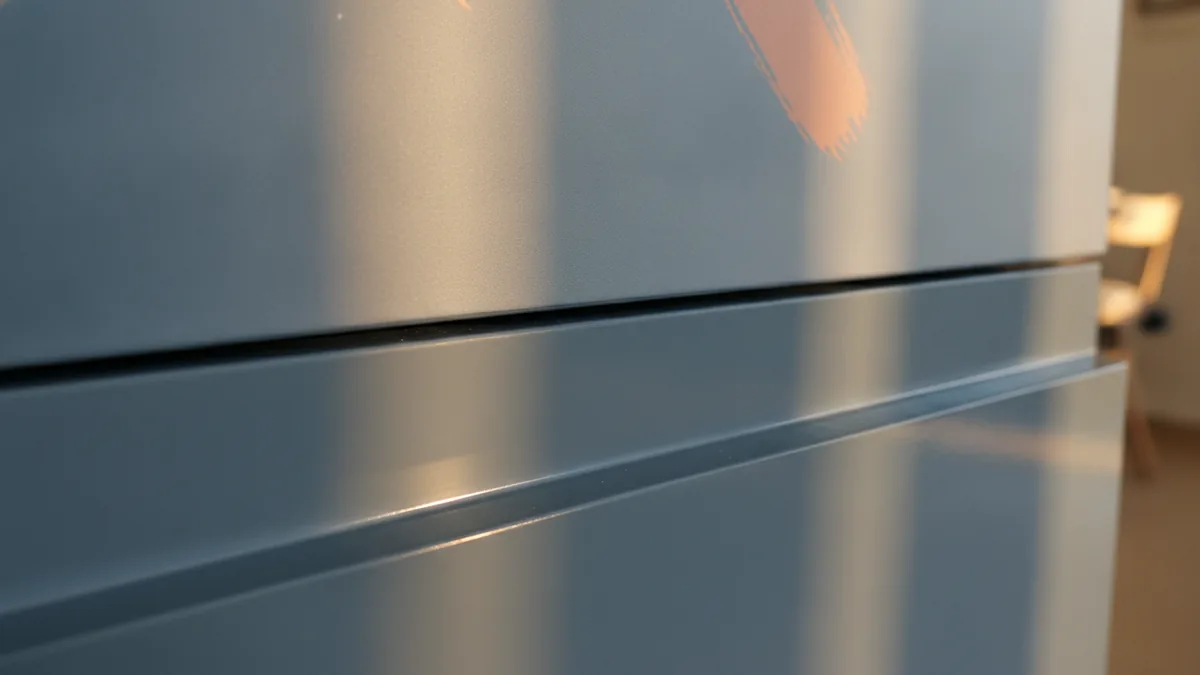
Sealing is essential for longevity. For “how do you seal chalk paint on kitchen cabinets,” the key is to pick a topcoat that can handle repeated wipe-downs. Many people reach for wax first, but wax vs. polyacrylic sealers is a common debate for good reason.
Wax is discouraged in kitchen environments because it can create cleaning issues over time. It may soften or haze with regular use. It can also make the surface harder to keep uniformly clean near grease-heavy areas.
Instead, consider matte sealers for a chalky look or water-based polyacrylic for better durability. Matte sealers can protect while keeping a softer sheen. Polyacrylic tends to form a stronger barrier that stands up to scrubbing better.
- Matte sealer: good for a low-sheen finish and gentle cleaning needs.
- Water-based polyacrylic: stronger barrier for everyday kitchen wear.
- Edge sealing: cover door edges and inside rails carefully.
- Cure time: give the finish time to harden before heavy use.
Application technique for sealer options
Use the same disciplined approach as the paint. Stir or mix as the product label directs. Apply in thin coats and avoid overworking small sections, which can cause brush marks.
If you want a durable kitchen finish, plan for at least two sealer coats. Let each coat dry fully before the next. Then allow a longer cure window before placing items back or scrubbing the doors.
Common mistakes to avoid with chalk paint on cabinets
Most chalk paint problems show up after rushed prep or rushed sealing. Even when “chalk paint does not require extensive prep work like priming or sanding,” you should still address dirt and glossy build-up. If grease remains, the paint can look fine at first and then fail later.
Another frequent mistake is skipping the second paint coat. One coat may look acceptable in daylight but it can show uneven color under kitchen lighting. Two coats also helps the surface build enough uniform texture before sealing.
Wax is a big one in the kitchen. If you are tempted to seal with wax, remember that cleaning in kitchens is different. Choose sealer options for chalk paint that match your cleaning habits and traffic level.
- Rushing drying times between coats
- Skipping surface cleaning on greasy cabinet fronts
- Applying thick paint layers that take longer to dry
- Sealing before the chalk paint cures
- Using wax where you will scrub regularly
Conclusion and practical tips
So, can you chalk paint kitchen cabinets? Yes, and it is one of the more approachable cabinet painting tips for DIY home improvement. Chalk paint can transform the look quickly, especially when you use consistent technique and two coats.
The big takeaway is sealing. To answer “how to seal chalk paint kitchen cabinets,” choose a topcoat that fits kitchen life. Matte sealers can keep a softer look, while water-based polyacrylic usually offers better durability for daily cleaning.
If you want a smoother outcome, paint doors off the cabinet frame and then reinstall after the finish cures. That reduces handling damage. Finally, plan your color selection for cabinetry with the final topcoat sheen in mind. A matte finish can look different once sealed.
Quick checklist you can actually follow
- Clean first, even if you skip heavy prep.
- Use two coats for full coverage.
- Pick the right sealer for your cleaning routine.
- Avoid wax in kitchen environments.
- Let it cure before you live with it.
Frequently asked questions
- Can you chalk paint kitchen cabinets without sanding or priming?
- Often you can skip heavy sanding and priming, as long as you clean well first. If the surface is very slick, a light scuff in key spots can improve grip.
- Can you use chalk paint on kitchen cabinets and still get a durable finish?
- Yes, but durability depends on the topcoat. Use a proper sealer and allow full drying and cure time before regular use.
- How do you seal chalk paint on kitchen cabinets?
- Apply a kitchen-safe sealer in thin coats, covering edges and corners. Water-based polyacrylic often holds up better than wax for frequent cleaning.
- Should I use wax to seal chalk paint on cabinets?
- Wax is usually not the best choice for kitchens because cleaning can be harder. A matte sealer or water-based polyacrylic is typically more practical.
- How many coats of chalk paint do kitchen cabinets need?
- Two coats are generally recommended for uniform color and coverage. This is especially important over dark or glossy base finishes.
- Can you use chalk paint on bathroom cabinets too?
- Yes, but pick a sealer that handles moisture and wipe-downs. Bathrooms benefit from durable topcoats and proper ventilation during drying.
Related reading
Couch Placement — Comfort, Flow, and Style
Arrange couches for easy movement, good conversation, and a balanced room.
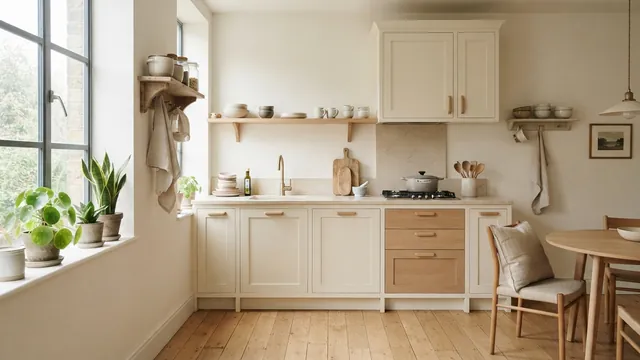
Small Kitchen Design — Light, Space and Smart Storage
Use light, smart storage, and slim furnishings to make a small kitchen feel more open.
Living Room Paint — Measurements and Buying Tips
Measure your walls, count coats, and buy the right amount of living room paint.