How to Move Furniture Into an Apartment: Tips for Any Layout
Move furniture safely with measuring, tools, and clear steps for stairs, trucks, and setup.
Preparing for the move
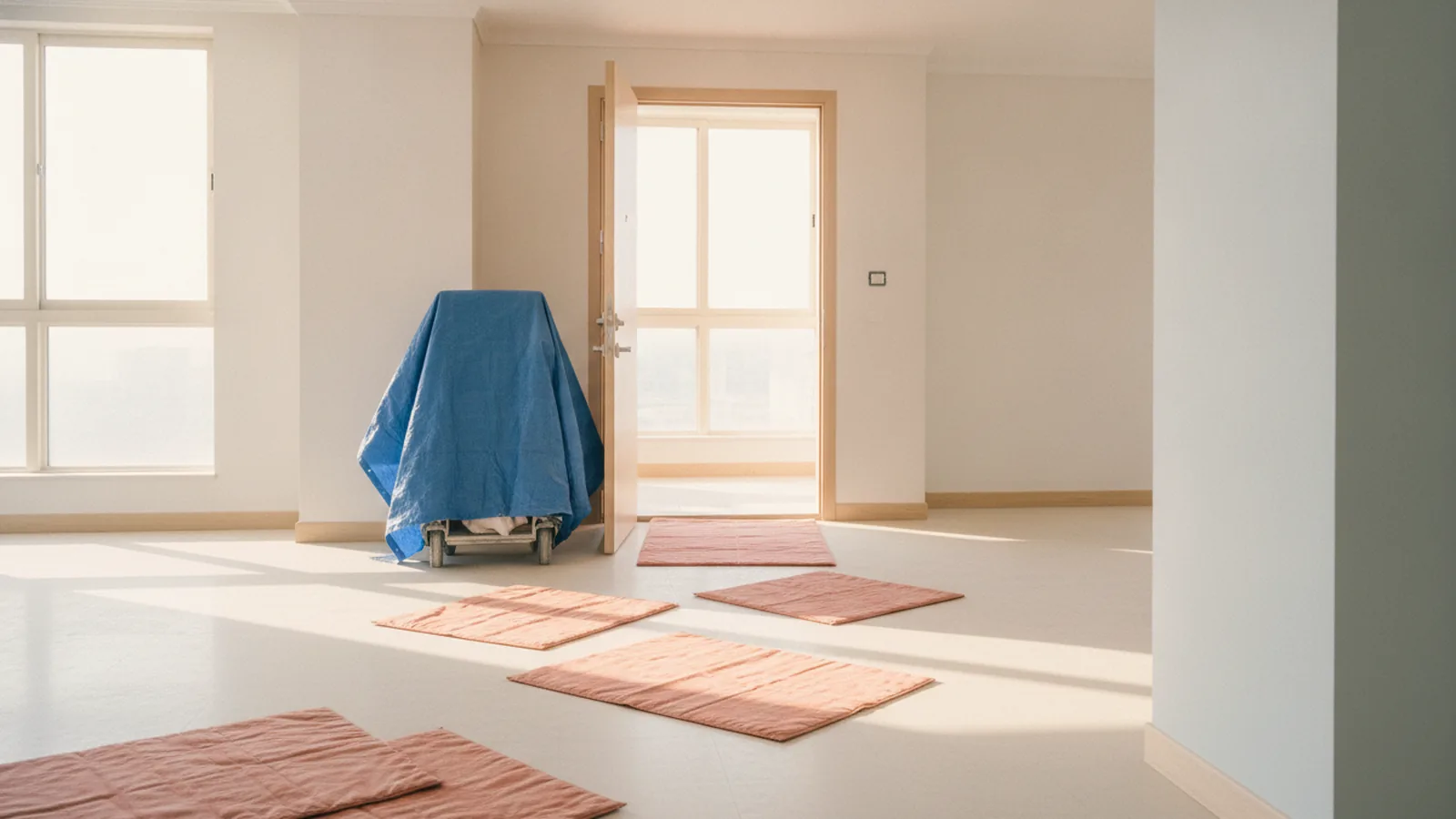
If you are wondering how do you move furniture into an apartment, start with planning the route and protecting floors. The safest moves are rarely the fastest ones. They are the moves with clear access, good padding, and a plan for each heavy item.
Before you lift anything, walk the path from your loading spot to the front door. Check door widths, hallway turns, and any tight corners. Also confirm whether there are stairs or elevators and how much space the lift has.
Because apartment moves have rules, check local moving hours early. Many buildings restrict truck noise or elevator use. Also ask the landlord if you need a permit for a moving truck or a booking for the elevator.
- Assess entry points: front door, side door, loading bay, and elevator doors
- Check building rules: moving hours, elevator reservation, and truck permits
- Inventory items by weight and shape: sofas, mattresses, dressers, and tables
It helps to plan your first “move-in row” too. Pick the path where you will place bulky items first, like beds and couches. This reduces backtracking when the place feels smaller than expected.
Measure your furniture and apartment space
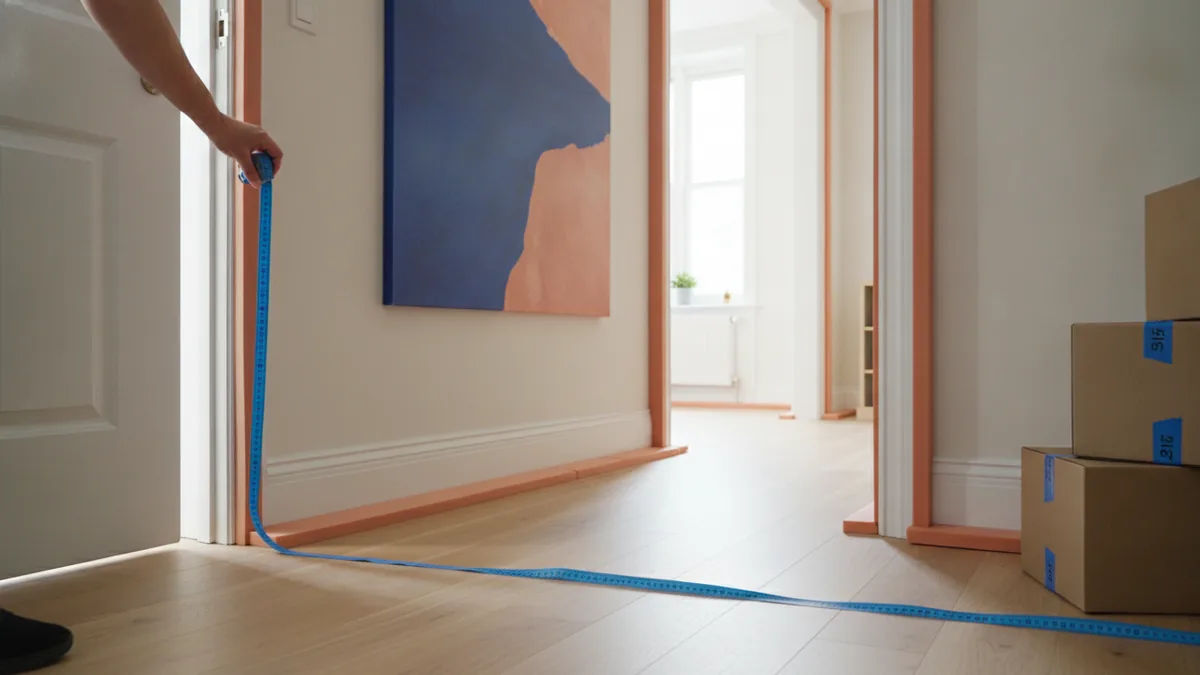
Moving furniture to an apartment goes smoother when measurements are exact, not guessed. Start with the biggest pieces first. A couch, bed frame, and dresser often decide whether you need stairs work or disassembly.
Measure the furniture dimensions and add a buffer for angle turns. For example, if a hallway is 32 inches wide and your item is 30 inches, you may still run into trouble. Tight turns need extra clearance because you cannot move perfectly straight.
Next, measure the apartment’s entry route as a chain. Record each segment: doorstep, hallway length and width, turning radius, and window or balcony access if you have it. Then compare those numbers to each furniture item’s width, depth, and height.
If you are preparing furniture delivery to an apartment, share these measurements with delivery drivers. They may bring different equipment based on the access you have. You can also catch issues like a bed that fits flat but not upright.
| Item | What to measure | Common failure point |
|---|---|---|
| Sofa or sectional | Depth, arm height, and whether it separates | Hallway width at a turn |
| Bed frame | Headboard and footboard height plus box spring clearance | Ceiling height and staircase turns |
| Dresser or cabinet | Diagonal width when tilted and drawer travel height | Door threshold and tight landings |
Also plan “where it will live.” Setting up furniture in a new apartment is much easier when you already know the final placement. A 6-inch shift can change how easily a drawer opens or how far you can walk past the coffee table.
Hire professional movers vs. DIY
Deciding whether to hire movers is a budget and distance call. If you are moving furniture into a second floor apartment, the risk goes up fast. Stairs, landings, and railing clearance are where injuries and wall damage happen.
A good rule is to DIY only when you have space and a safe path. If you have a short move, a couple of light pieces, and a clear elevator route, DIY can work well. For heavier items or long stair runs, professional help can be cheaper than repairs.
When you get quotes, ask what is included. Some movers handle disassembly and reassembly, which saves you time on furniture assembly. Others only load and unload, which means you still handle moving inside the apartment.
- Hire movers if stairs are involved or items are over awkward weight limits
- DIY if the path is simple and you can use dollies and straps safely
- Choose mixed plans for “two-person only” items like dressers or large frames
Also consider how you will transport larger pieces. If you cannot rent a truck, DIY may cost more in extra trips. For many people, renting a truck for one day is the simplest way to keep the move on schedule.
Cost is a factor, but so is timing. If your lease ends on a hard date, pay for speed when it reduces stress. Many people underestimate how long dismantling furniture takes when the last box is already packed.
Tools and equipment you will actually need
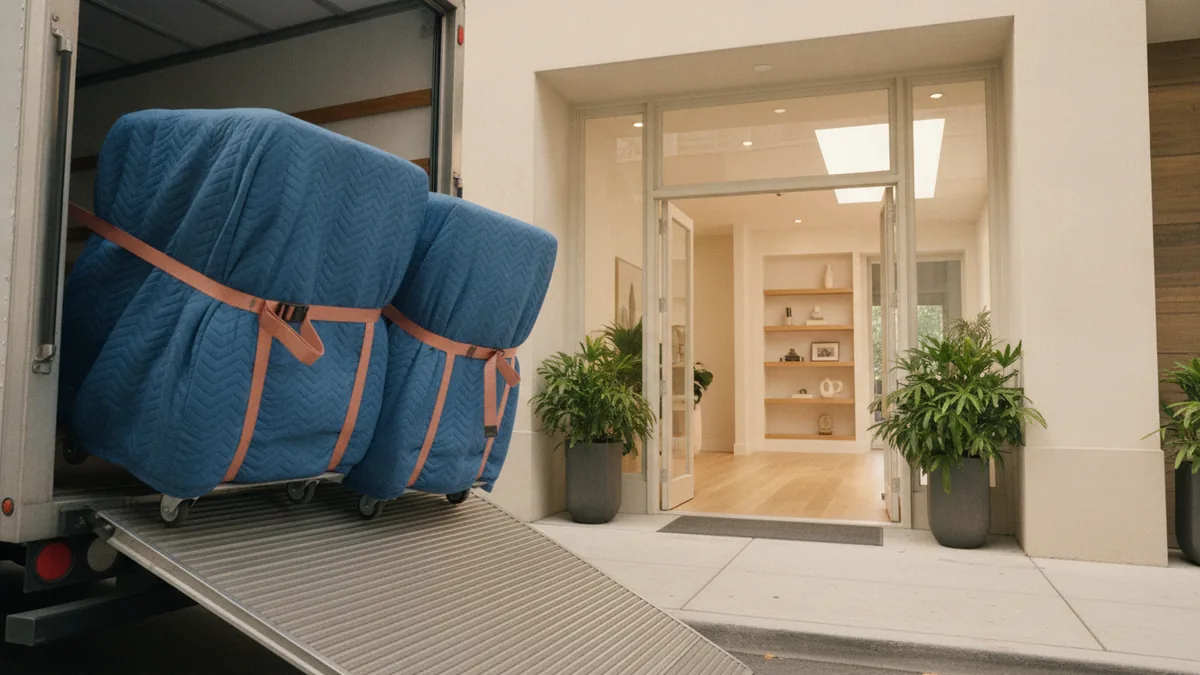
To move furniture safely, prepare moving supplies before move day. Dollies and hand trucks reduce strain on your back and hands. They also help you keep items upright when you pass doorframes.
Use furniture pads to protect both floors and finishes. Sliding a couch cushion or scraping a chair leg can mark walls quickly. Pads also make it easier to control the item’s movement when turning corners.
For strapping and grip, bring furniture straps and moving blankets. Straps help you keep a load stable when you tilt it over a threshold. Blankets reduce scuffs on upholstery and painted wood.
- Dollies and hand trucks for upright movement
- Furniture straps to secure loads for corners
- Furniture pads for floors, trim, and edges
- Moving blankets to prevent scratches on contact points
- Basic assembly tools if you plan dismantling furniture
Also set up a “no-delay” station at the door. Keep tape, scissors, and an extra roll of wrap there. You will be surprised how often you need quick protection while a driver is waiting.
If you are arranging a small space, extra help can come from smart packing. Keep hardware in labeled bags so furniture assembly does not stall after you unpack. This matters when you are setting up furniture in a new apartment late at night.
Tips for moving into a second floor and other tight setups
When you are moving furniture into a second floor apartment, plan your lift strategy before any item leaves the truck. Stairs change everything, because you cannot keep a perfect straight line. Use an efficient path that avoids narrow landings and squeezes past walls.
Many tight spaces can be solved with creative solutions. Disassemble larger pieces when possible, especially bed frames, table legs, and some shelving. Dismantling furniture turns a “one big obstacle” into smaller blocks you can manage safely.
If you must go down narrow stairs, tilt and slide in controlled steps. A dolly helps, but only if you can keep the load stable. Use a second set of hands for wide items, and assign roles like “caller” for turns and “spotter” for corners.
- Disassemble first: legs, rails, and any hinged parts
- Protect tight spots: thresholds, wall edges, and stair rail bumps
- Use stairs efficiently: plan where you pause, rest, and regrip
- Keep traffic clear: block only what you must, and move quickly between pauses
Apartment move-in checklists often forget the layout step. Do it early: test the final placement before you carry the last heavy piece. If the couch ends up in the wrong spot, you may need to move it again through a bottleneck.
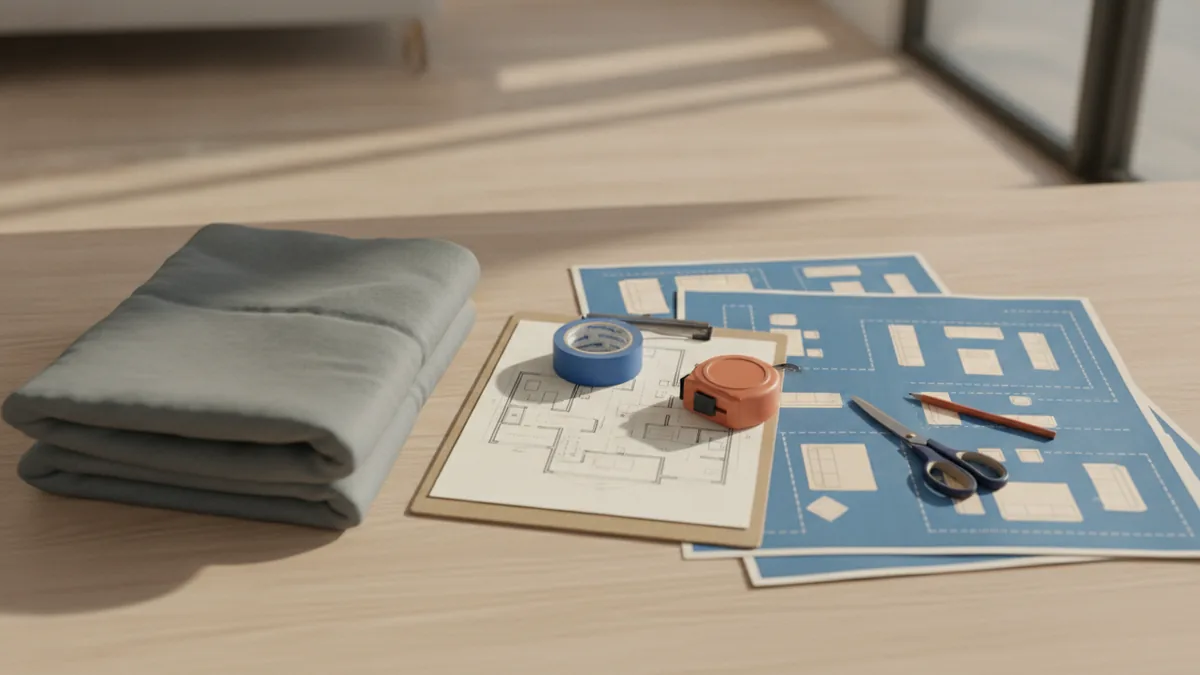
Finally, confirm you can see furniture in your room before you finish. Even if you cannot use an app, mock placements with tape or cardboard. This helps you see if furniture fits in a room and whether walkways feel comfortable.
Unpack, set up, and arrange for comfort
Unpacking and setting up furniture in a new apartment should follow a simple order. Put essential pieces in place first. Start with the bed frame, then the biggest seating, then tables and storage.
When you arrange a small space, focus on clear paths. Leave a walkway from the front door to the main seating area. Also ensure drawers and doors open without bumping walls or other furniture.
If you are thinking “how much is furniture for an apartment,” remember you are also buying your layout. Your storage needs drive purchases just as much as your style. Before shopping, measure again and map where each item will go.
Set up lighting and new apartment essentials before styling. A working lamp changes how you see color and finish details. Then check any furniture paint or refinishing plans.
If you plan to paint furniture in an apartment, do it with ventilation and protection. Protect floors with plastic and drop cloths. Let parts dry fully before you place them against walls.
In the same spirit, decluttering makes everything easier. Get rid of packing materials fast and remove anything you do not need daily. This also makes space for furniture delivery to an apartment during the next stage.
| Placement goal | Quick check |
|---|---|
| Comfort | Can you sit and reach the coffee table? |
| Function | Do doors and drawers open without hitting items? |
| Flow | Is there a clear path from entry to main area? |
Getting rid of old furniture
When you replace items during your apartment move, plan disposal before you open the boxes. Knowing how to get rid of old furniture in an apartment saves time and avoids last-minute hauling. Start by sorting items into keep, donate, recycle, and trash.
Donation and pickup options depend on item condition and local rules. Many charities accept usable furniture, but they may not take damaged or moldy pieces. If you are unsure, call first with item photos and dimensions.
For what you cannot donate, ask your city about bulk pickup schedules. Some neighborhoods require you to place items at the curb on a specific day. Others want you to schedule a drop-off.
- Donate usable pieces: sofas, chairs, desks, and gently used beds
- Sell locally: small items and furniture in good condition
- Schedule bulk pickup: mattresses and larger items often need rules
- Recycling or e-waste routes: for electronics or parts where required
People also ask where can i get free furniture for my apartment. If you are willing to collect and refurbish, keep an eye on local community groups. Still, measure before you commit. Free items that do not fit waste time and money.
When you buy apartment furniture, think beyond the first day. Where you store extra items matters just as much as what you display. This is also where where to buy apartment decor can help, because smaller items can fill gaps without blocking walkways.
After your move, do a final check of comfort and function. Walk the paths you will use daily. Then adjust placement once, not repeatedly, so your new setup stays stable.
Note: If you are moving furniture by yourself, avoid carrying heavy items above shoulder height. For your own safety, use dollies and straps, and ask for help on the turns.
Frequently asked questions
- How do you move furniture into an apartment safely?
- Protect floors with pads and use dollies and straps for heavy items. Plan the route from the truck to the door before you carry anything.
- What should I measure before moving furniture into my new apartment?
- Measure the furniture and every part of the entry route, including doors, hallways, and turns. Compare dimensions with a clearance buffer for angles.
- Is it worth hiring professional movers for a second floor apartment move?
- Often yes, if stairs are involved or items are very heavy or wide. Movers can reduce damage risk and help with disassembly and carry steps.
- What tools do I need to move large furniture by myself?
- You typically need dollies or a hand truck, moving blankets, furniture pads, and straps. Add basic tools for furniture assembly or dismantling.
- How do I get rid of old furniture after an apartment move?
- Sort items into donate, sell, recycle, and trash. Check local bulk pickup rules for mattresses and large items.
- How can I tell if furniture will fit in my room before delivery?
- Use tape to mark footprints or cardboard cutouts for bulky pieces. Walk the paths to confirm door and drawer clearance.
Related reading
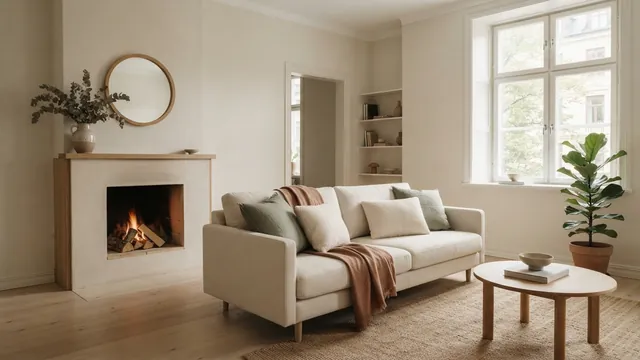
Couch Placement — Comfort, Flow, and Style
Arrange couches for easy movement, good conversation, and a balanced room.
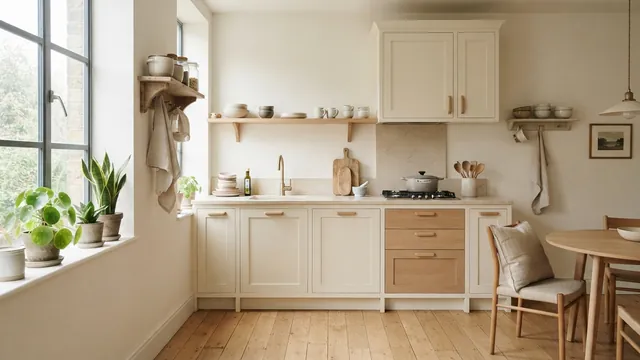
Small Kitchen Design — Light, Space and Smart Storage
Use light, smart storage, and slim furnishings to make a small kitchen feel more open.
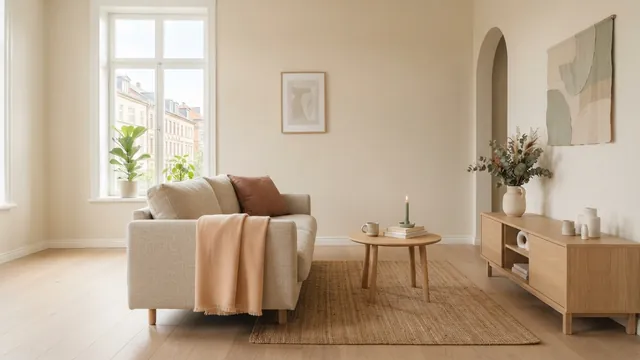
Living Room Paint — Measurements and Buying Tips
Measure your walls, count coats, and buy the right amount of living room paint.