What Is Interior Decor? A Style Guide You Can Use
Learn interior decor vs design and how to identify your style with clear steps.
Definition of interior decor
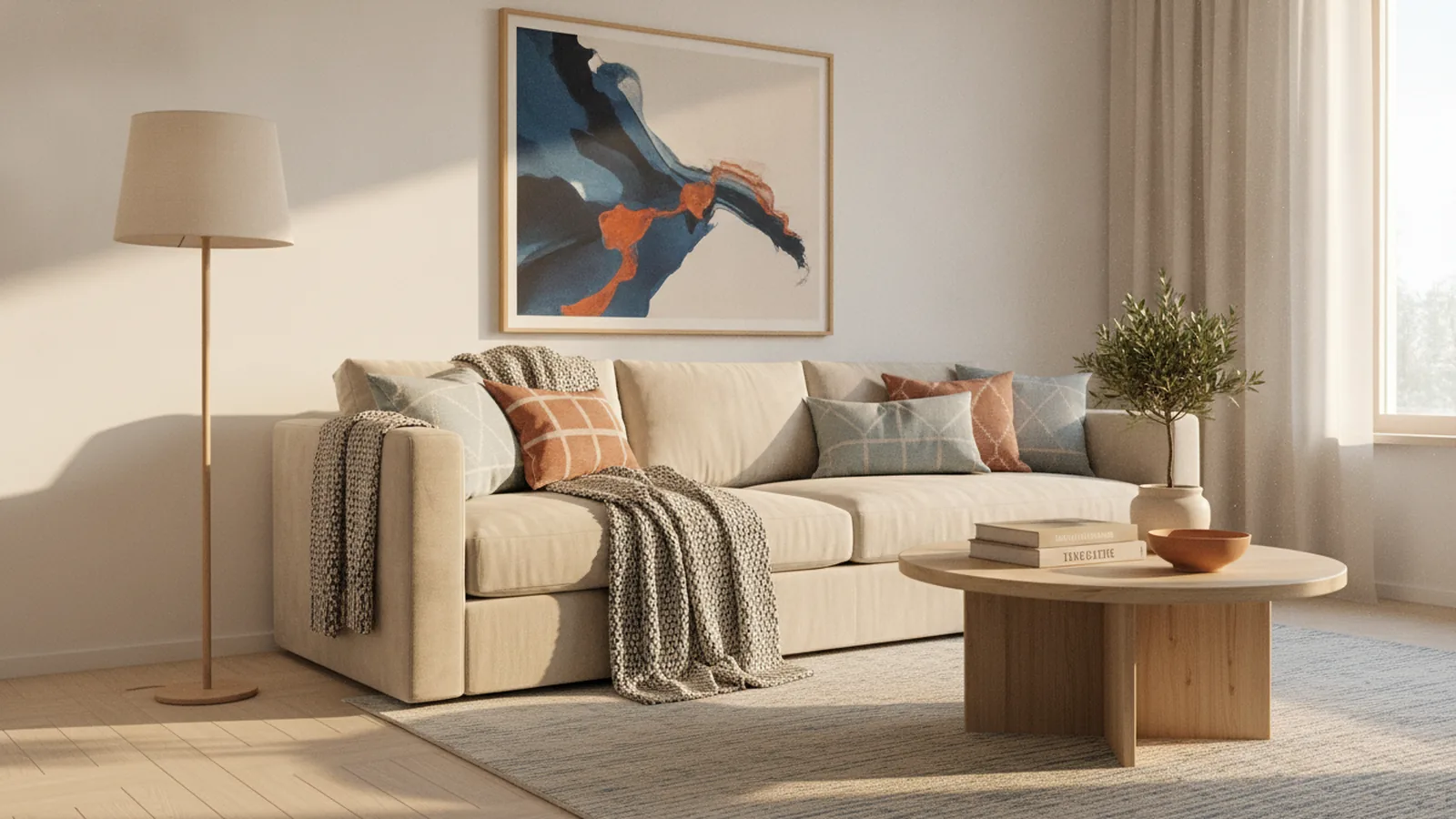
What is interior decor? Interior decor is the art of improving a room’s look and feel. People use decor to boost aesthetic appeal and shape everyday comfort. Done well, it makes a space feel lived-in, not random. It should support how you actually live.
Decor work focuses on visible choices. That includes color schemes, furniture selection, and textiles and furnishings. It also covers accessories, art, and lighting in decor. Small swaps can change the mood quickly, like switching to warmer lamps for evenings.
Think of decor as the finishing layer of a home. It answers questions like, “Do I feel calm here?” and “Do I enjoy this room daily?” A strong decor plan feels intentional in real life, not only in photos. Your taste and your routine should guide the choices.
- Interior decor improves ambiance and visual harmony
- Interior decor reflects your personal taste
- Interior decor uses color, textiles, accessories, and lighting
Difference between interior decor and interior design
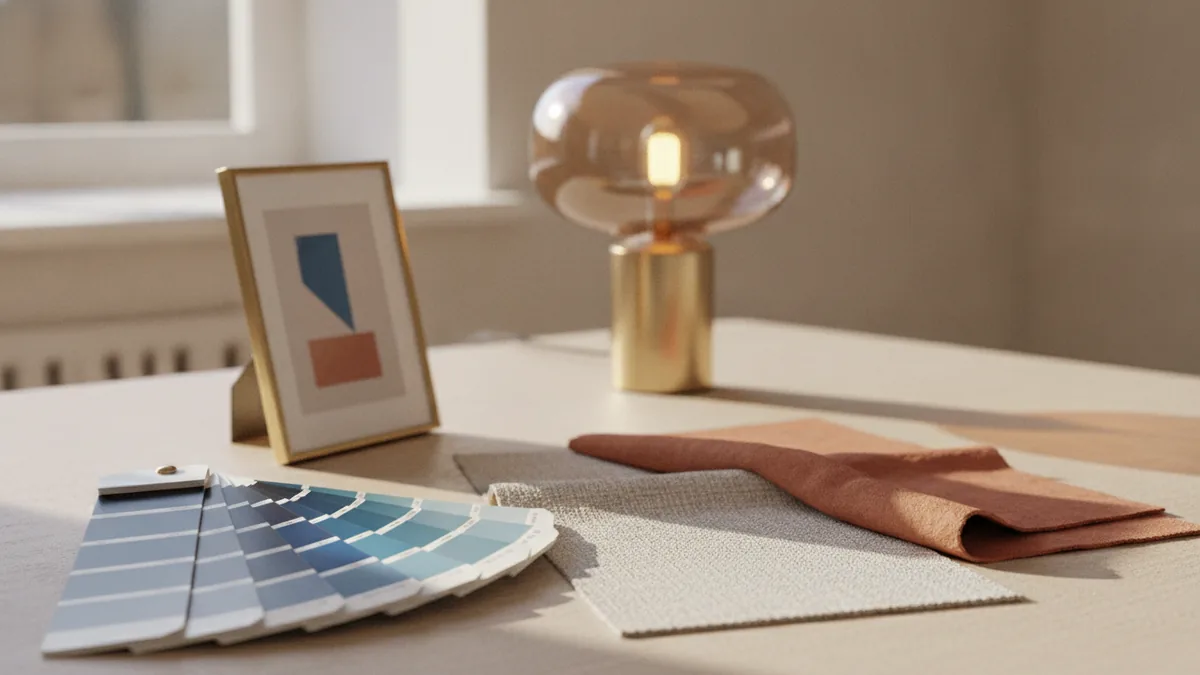
What is interior design? Interior design is a broader process that helps a space work well. It includes planning for how people move, how rooms function, and how daily tasks get done. Decor can make those choices look great, but design sets the foundation.
Interior design commonly includes space planning and functionality. It can cover layout changes, storage needs, and traffic flow. During renovations, design can influence built-ins, outlet placement, and room proportions. These are structural decisions, not just surface choices.
If you wonder what is interior design all about, start with scope. Design solves the “how does this space operate?” problem. Decor solves the “how should it feel?” problem. Together, they create rooms that work and match you.
| Aspect | Interior decor | Interior design |
|---|---|---|
| Main goal | Style, mood, finishing touches | Layout, flow, and practical function |
| Common inputs | Color, textiles and furnishings, decor objects | Measurements, planning, rules, workflow |
| Typical changes | Swap decor items, update finishes | Rework layout, lighting plans, built-ins |
| Typical outcome | Rooms that feel coordinated and personal | Rooms that work well and still look good |
Identifying your interior decor style
To answer what is my interior decor style, start with your real habits. Ask how to determine your interior design style by looking at what you repeat. You may like an idea online, but your home choices show the truth. Focus on what makes you feel settled and comfortable.
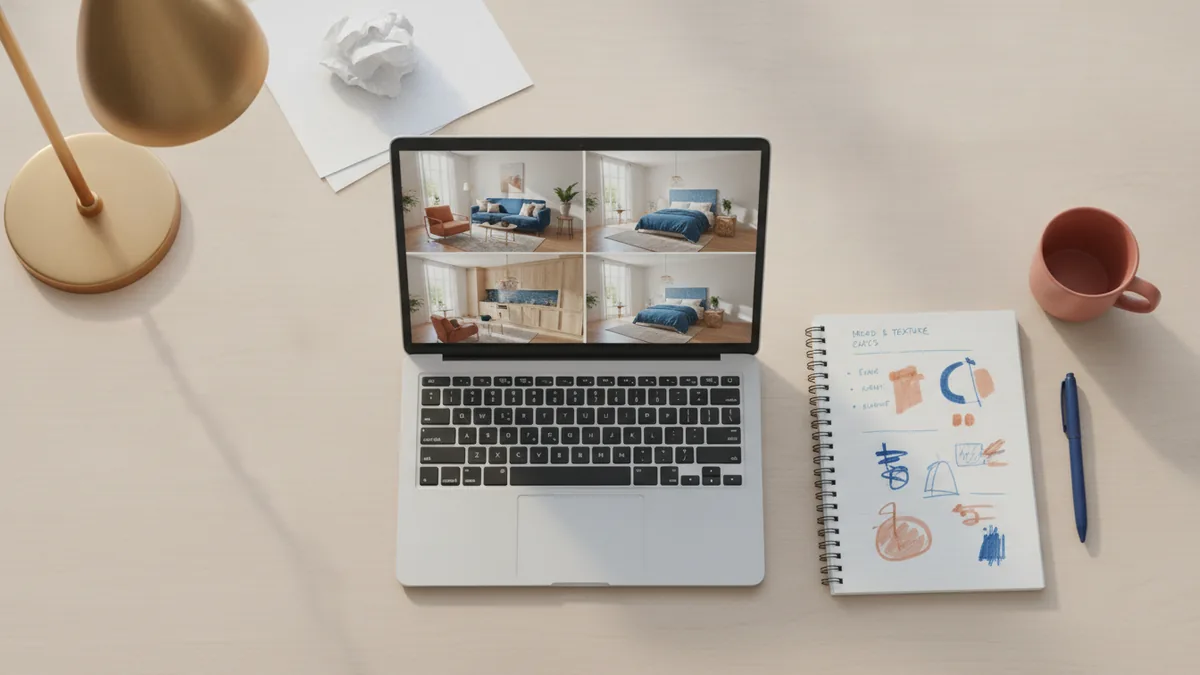
A practical method is a personal style assessment. Save 20 to 30 images of rooms or products you return to over time. Review them without labels at first. Then note what keeps showing up, like wood tones, color comfort, contrast level, and furniture silhouettes.
Next, turn the patterns into preferences. Decide what mood you want most at home, like cozy, airy, or focused. Then list your texture pulls, such as soft textiles or smooth surfaces. Finally, consider how you like contrast, such as gentle blends or bold accents.
- Save images you like across seasons, not only one trend cycle
- Circle repeated colors and furniture shapes
- Write one sentence on how you want a room to feel
- List textures you want to feel daily
You might also try what is my interior decorating style quiz. A quiz can be a fast start. Still, it is best as a clue, not a final answer. Use it to narrow themes, then confirm with your saved-image evidence.
Popular interior decor styles (and how to spot yours)
After you see patterns, compare them with popular interior decor styles. Common starting points include modern, traditional, minimalist, bohemian, and industrial. Each style often pairs a set of materials with a consistent mood. Your job is to choose what feels right for your life.
Modern decor usually feels clean and streamlined. It often uses a neutral base with a few strong accent picks. Traditional decor usually feels warmer, with classic shapes and richer colors. Minimalist spaces often feel calm because they reduce visual noise.
Bohemian decor typically feels relaxed and expressive. It often brings layered textiles, patterned accents, and warm, lived-in color. Industrial decor often feels raw and sturdy. It commonly mixes metal textures, open layouts, and darker finishes.
When you compare styles, watch the details that match your habits. If you keep buying soft pillows and throws, “minimalist” may not fit your comfort. If you love clean lines and simple layouts, industrial may feel too busy. The match is about daily enjoyment, not just look.
- Modern: clean lines, balanced contrast, fewer visual distractions
- Traditional: warm palette, classic forms, more ornate details
- Minimalist: calm base, simple shapes, smart storage focus
- Bohemian: layered textiles, pattern play, warm eclectic warmth
- Industrial: metal and darker tones, sturdy textures, bold structure
Elements of interior decor that actually change the vibe
Interior decor works through a few core elements. Start with color schemes. Color sets the tone fast. It also links rooms when you use a consistent palette across spaces.
Next is furniture selection. Your sofa, chairs, and tables create the room’s silhouette. If your furniture feels right, you can build a style around it. If it feels off, decor swaps rarely fix the mismatch.
Then focus on textiles and furnishings. Rugs, curtains, bedding, and cushions add comfort and texture. Accessories and art add personality. Finally, lighting in decor shapes mood from morning to night.
| Element | What to evaluate | Quick example |
|---|---|---|
| Color schemes | Warm or cool feel, contrast level, repeats | Keep trim and walls in one family |
| Furniture selection | Line style, scale, and comfort fit | Choose shapes that match your eye level |
| Textiles and furnishings | Soft vs smooth, pattern vs solid | Add a rug that ties two colors |
| Accessories and art | Meaning, repetition, and spacing | Use a set of three similar items |
| Lighting in decor | Brightness, warmth, and layering | Pair overhead with a floor lamp |
Tips for effective interior decorating (and how to use a quiz)
If you want to answer what interior design style am i or what interior design style do i like, treat it like a test you run on your space. Start small. Pick one room and upgrade the elements that show up most in daily life. Usually that is lighting, textiles, and the main furniture piece.
You can also use a quiz to speed up choices. Searchers often ask for what is your interior design style quiz or what is my interior design style quiz free. Use quiz results to shortlist themes. Then confirm with your own comfort signals, like textures you reach for and colors you rest in.
It helps to understand historical influences, too. Many current looks are updated versions of older eras. That context can make it easier to decide what to borrow and what to skip. It also helps you avoid copying a whole “theme” when your home needs a few tuned pieces.
Finally, connect your style to one real goal. Maybe it is a calmer living room for the evenings. Maybe it is a kitchen that feels brighter for morning routines. When you anchor choices to a purpose, the look stays coherent even as you shop.
Quick questions to guide your next picks
- What mood do I want first thing in the morning?
- What textures do I keep choosing for comfort?
- Which color tones make me feel relaxed?
- What layout feels easiest to live with?
- What parts of my home do I want to change first?
Common clarifications
Some people blend “interior decor” and “interior design” when they are really asking about style. If you are mostly changing finishes and furnishings, you are doing decor work. If you are changing layout and function, you are doing design work. If you want to know what interior design is versus what interior decor is, use this split.
Other people ask, “is Joanna Gaines an interior designer?” She is best known as a TV host and brand creator. Her work is strongly associated with home style inspiration. For decisions in your own home, use the same approach: identify your preferences, then match them to practical choices.
Frequently asked questions
- What is interior decor?
- Interior decor is the art of enhancing a space’s look and feel. It focuses on visible choices like color, textiles, accessories, and lighting.
- What is interior design?
- Interior design is a broader process that makes a space work well. It includes space planning and practical function, not only style.
- How do I determine my interior design style?
- Save rooms or products you keep coming back to, then spot repeated colors, shapes, and textures. Turn those patterns into a mood you can name.
- What is my interior decorating style quiz?
- It is a quiz meant to guess your style based on your preferences. Use it to shortlist themes, then verify with your own saved-image evidence.
- What is your interior design style quiz?
- A quiz that asks about your likes in colors, layouts, and textures. Results are best treated as a starting point, not a final verdict.
Related reading
Couch Placement — Comfort, Flow, and Style
Arrange couches for easy movement, good conversation, and a balanced room.
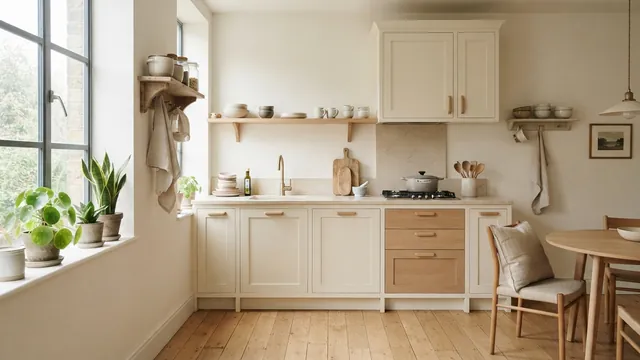
Small Kitchen Design — Light, Space and Smart Storage
Use light, smart storage, and slim furnishings to make a small kitchen feel more open.
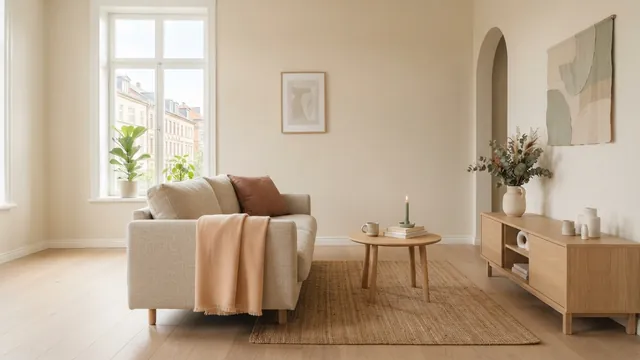
Living Room Paint — Measurements and Buying Tips
Measure your walls, count coats, and buy the right amount of living room paint.