How Much Paint Does a 10x10 Room Need?
Find the right paint amount for 10x10, 10x12, and 12x12 rooms.
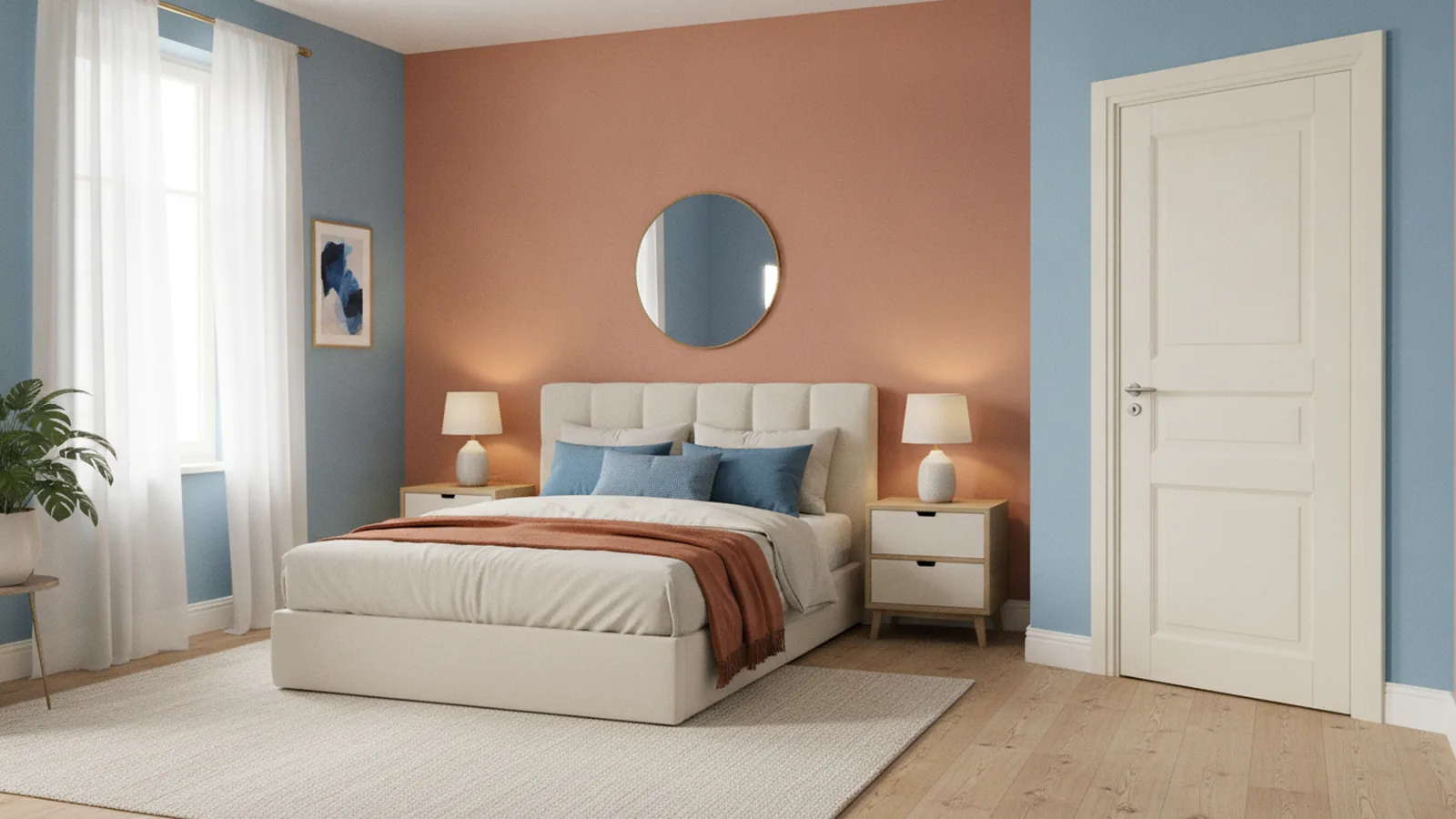
How Much Paint Does a 10x10 Room Need?
For a 10x10 room with 8-foot walls, plan on about 2 gallons for two coats. This estimate assumes four walls and no major openings. One gallon usually covers 350 to 400 square feet.
First, measure each wall and add the results. A 10x10 room has two walls that are 10 feet wide. The other two walls are also 10 feet wide. Each wall measures 80 square feet with an 8-foot height.
The four walls total 320 square feet. Two coats raise the surface to 640 square feet. That means you need 1.6 to 1.83 gallons of paint. Buy 2 gallons for full coverage and a small safety margin.
This answer changes when doors, windows, tall ceilings, or rough walls add more surface. It also changes when the paint label gives a different coverage rate. Check the can before you buy.
- One coat: About 1 gallon covers a 10x10 room.
- Two coats: About 2 gallons give safer coverage.
- Trim and ceiling: Add separate paint for these surfaces.
Work Out the Wall Surface Area
Wall area calculation starts with one simple rule. Multiply each wall's width by its height. Then add every wall area together.
Most residential rooms have an 8-foot wall height. Some homes have 9-foot or 10-foot ceilings. Measure your walls when the height differs from eight feet.
For a square room, you can use a faster formula. Multiply the room's length plus width by two. Then multiply that result by the wall height.
For example, use this formula for a 10x10 room:
- Room perimeter: 10 + 10 + 10 + 10 = 40 feet
- Total wall area: 40 × 8 = 320 square feet
- Paintable area after openings: 320 minus doors and windows
Do not include the floor in this calculation. Paint for the ceiling needs its own area calculation. A 10x10 ceiling covers 100 square feet.
Record every measurement in feet. Convert inches into feet before multiplying. For example, 30 inches equals 2.5 feet.
Turn Wall Area Into Paint Quantity
Paint coverage tells you how much surface one gallon can cover. Most interior wall paints cover about 350 to 400 square feet per gallon. Thick coats and rough walls may lower that rate.
Use this basic formula:
Paint needed = paintable wall area × number of coats ÷ coverage per gallon.
Suppose your walls measure 320 square feet. You plan two coats. The paint label says 400 square feet per gallon. The result is 1.6 gallons.
Round up to the next whole gallon when buying paint. Two gallons leave room for spills, touch-ups, and small coverage losses. Keep some leftover paint for later repairs.
Subtract large openings before using the formula. A standard door often measures about 21 square feet. A 3x4-foot window measures 12 square feet.
For example, subtract one door and two windows from 320 square feet:
- Door: 3 × 7 = 21 square feet
- Two windows: 2 × 3 × 4 = 24 square feet
- Paintable area: 320 − 21 − 24 = 275 square feet
- Two coats: 275 × 2 = 550 square feet
- Paint needed: 550 ÷ 400 = 1.38 gallons
You would still buy 2 gallons for this example. The extra paint helps cover edges and absorbent spots.
What Changes the Amount of Paint?
Room size gives you the starting point. Paint type, wall texture, color, and surface condition affect the final amount. These details can change the result by several quarts.
Paint finish and type
Flat paint often spreads well across smooth walls. Eggshell and satin finishes may cover similarly. Always follow the coverage number on your chosen can.
Primer can reduce the paint needed for some walls. It helps when the surface is stained, patched, glossy, or much darker. A strong color change may need primer plus two finish coats.
Wall texture and condition
Textured walls use more paint than smooth walls. Their raised areas increase the true surface area. Drywall repairs can also soak up paint quickly.
New drywall usually needs primer before wall paint. Painted walls may need less primer if the old coating remains sound. Clean greasy walls before painting.
Color and coat count
One coat may work when the new color closely matches the old one. Two coats give more even color in most bedrooms. Bright colors and deep tones often need extra coats.
Read the product label for coat guidance. Do not assume that a thicker coat gives better coverage. Thick coats can sag, dry unevenly, and waste paint.
Use this quick planning list before shopping:
- Measure wall height and each wall width.
- Subtract doors, windows, and other large openings.
- Check the label's coverage rate.
- Choose the likely number of coats.
- Add a small amount for texture and touch-ups.
Paint Estimates for 10x12 and 12x12 Rooms
The same method works for larger or smaller rooms. Measure the full perimeter first. Then multiply by wall height.
A 10x12 room has a 44-foot perimeter. With 8-foot walls, the total wall area equals 352 square feet. Before openings, two coats cover 704 square feet.
At 400 square feet per gallon, that equals 1.76 gallons. At 350 square feet per gallon, it equals 2.01 gallons. Plan on 2 gallons after subtracting normal doors and windows.
A 12x12 room has a 48-foot perimeter. Its wall area equals 384 square feet with 8-foot walls. Two coats require 768 square feet of coverage.
That equals 1.92 gallons at 400 square feet per gallon. It equals 2.19 gallons at 350 square feet per gallon. Buy 2 gallons for light openings and smooth walls. Buy 3 gallons when walls are textured or need heavy coverage.
| Room size | Wall area at 8 feet | Two coats at 350–400 square feet |
|---|---|---|
| 10x10 | 320 square feet | 1.6–1.83 gallons |
| 10x12 | 352 square feet | 1.76–2.01 gallons |
| 12x12 | 384 square feet | 1.92–2.19 gallons |
These figures cover walls only. Add ceiling paint if you want a full room refresh. A 12x12 ceiling adds 144 square feet.
For quick shopping, a paint calculator for a bedroom can speed up the math. Still, enter real wall height and opening sizes. Generic room settings can overstate or understate your need.
Common Painting Mistakes to Avoid
The most common mistake is measuring only the floor. Floor size does not equal wall area. A room with high ceilings needs more paint than its floor size suggests.
Another mistake is ignoring doors and windows. Subtract them for a closer estimate. Do not subtract small trim gaps or narrow wall sections.
Many people buy one gallon because the room feels small. A small room can still have 300 square feet of wall space. Two coats can double the paint needed.
Some painters compare cans by price alone. Compare coverage, finish, and coat guidance instead. A cheaper can may need more paint to reach an even color.
- Skipping surface prep: Dust and grease can cause poor coverage.
- Using the wrong roller: A short nap suits smooth walls; texture needs a longer nap.
- Failing to mix paint: Color can vary between cans and batches.
- Painting from separate batches: Mix matching cans in one clean bucket.
- Rushing the second coat: Follow the label's drying time.
Buy all paint for one room at the same time when possible. Check that every can has the same color code. Keep the receipt until the walls look even.
So, how much paint is needed for a bedroom? Start with the perimeter and wall height. Subtract openings, multiply by coats, and divide by label coverage. For most 10x10, 10x12, and 12x12 bedrooms, 2 gallons cover two wall coats.
Frequently asked questions
- How much paint is needed for a 10x10 room?
- A 10x10 room with 8-foot walls usually needs 2 gallons for two coats. This estimate allows for normal doors and windows.
- How much paint is needed for a 12x12 room?
- A 12x12 room has 384 square feet of wall area with 8-foot walls. Two coats usually need 2 to 3 gallons, based on coverage and wall condition.
- How much paint is needed for a 10x12 room?
- A 10x12 room has 352 square feet of wall area with 8-foot walls. Plan on about 2 gallons for two coats.
- How do I calculate paint needed for a bedroom?
- Measure the wall perimeter, multiply by height, and subtract doors and windows. Multiply by coats, then divide by the can's coverage rate.
- How many square feet does one gallon of paint cover?
- One gallon usually covers 350 to 400 square feet. Rough walls, strong color changes, and extra coats can lower coverage.
Related reading
Living Room Paint — Measurements and Buying Tips
Measure your walls, count coats, and buy the right amount of living room paint.
Room Paint Math — Coverage, Coats and Room Size
Measure your walls, subtract openings, and add enough paint for every coat.
How Much Paint Do I Need for a 12x12 Room?
Find the right paint amount for a 12x12 room with simple wall area math.