Can You Paint Laminate Kitchen Cabinets? Step-by-Step
Yes. Paint laminate kitchen cabinets with the right prep, primer, and topcoat.
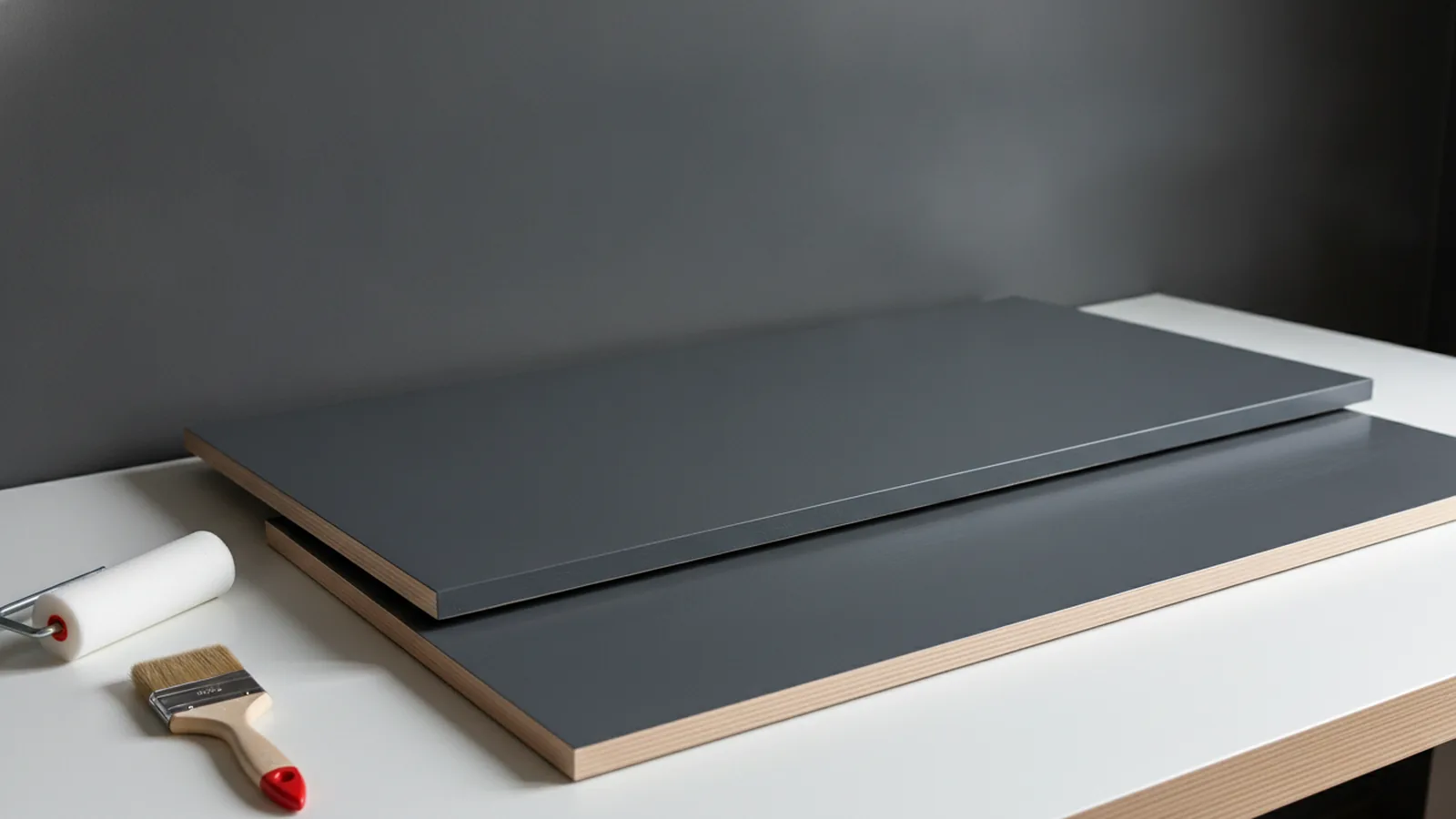
Introduction to painting laminate kitchen cabinets
Yes, you can paint laminate kitchen cupboards and cabinets. Many people choose this route to refresh the kitchen without a full cabinet swap.
But laminate is non-porous, so paint adhesion is not automatic. Without good surface preparation, paint can peel or chip fast.
This guide explains how to paint laminate kitchen cabinets step by step. It also covers cupboards, doors, and even laminate kitchen countertops.
- Budget-friendly kitchen refresh
- Built on surface preparation
- Works best with a bonding primer
- Two thin coats boost durability
Understanding laminate: why it resists paint
Most laminate cabinet doors and panels have a slick decorative top layer. Under that, you may find MDF or particle board.
Because laminate is a non-porous surface, it does not absorb paint. Paint needs either roughness to grab onto or primer chemicals to bond.
That is why “can you paint over laminate kitchen cabinets” depends on preparation. If you skip degreasing or use the wrong primer, adhesion suffers.
Also note that the kitchen is oily. Grease from cooking can sit in micro films, even when the cabinet looks clean.
Preparation steps for painting laminate cabinets
Start with thorough cleaning and degreasing. This step protects you from future peeling and bubbling caused by trapped kitchen oils.
After cleaning, do light sanding to create tooth. You are not trying to remove laminate, just to dull the shine so primer can grip.
Plan your workflow so doors and drawers are easier to handle. Take them off the hinges when possible, so you can prime and paint every face.
Before you commit, do a small patch test with your chosen primer. Let it cure, then check adhesion by gentle scratch or light pressure.
- Remove hardware and label hinge positions.
- Degrease all surfaces, including edges and corners.
- Rinse or wipe off cleaner residue, then fully dry.
- Lightly sand with 180 to 220 grit sandpaper.
- Vacuum dust, then wipe with a tack cloth.
- Fill chips with a suitable filler, then sand smooth.
If your laminate has glossy spots, focus sanding there. Glossy areas are where paint adhesion problems often show first.
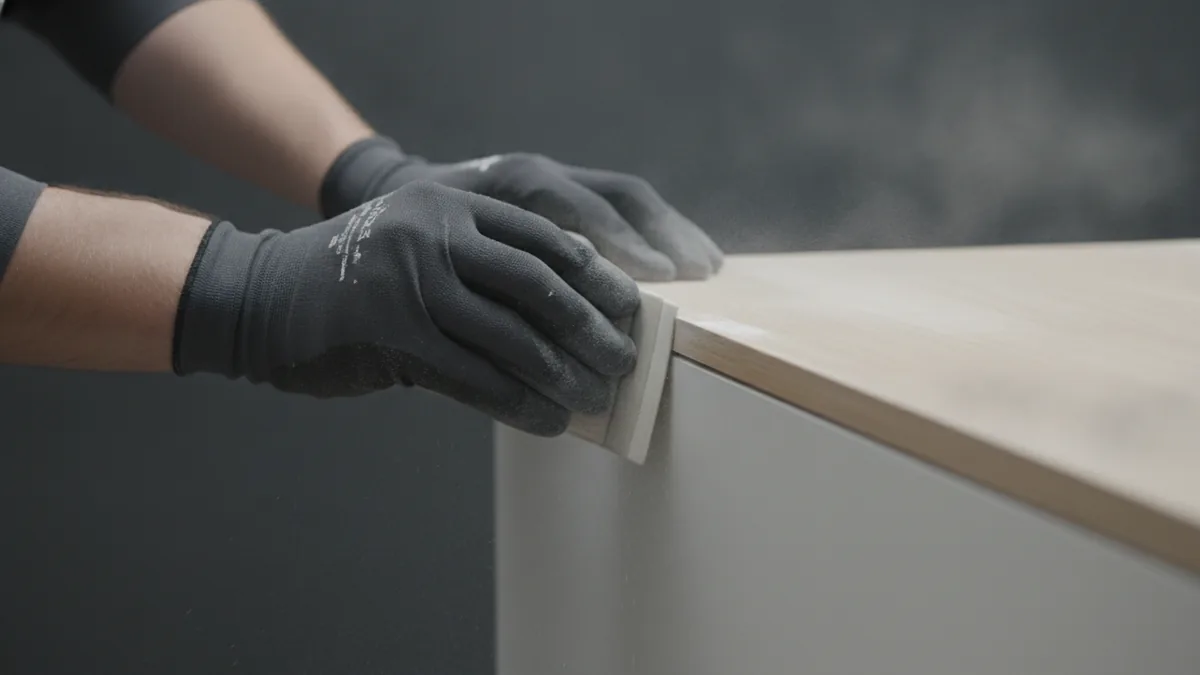
Choosing the right paint and bonding primer
For “can i paint laminate kitchen cupboards,” the best results start with a bonding primer. Look for a primer that states it works on slick, non-porous surfaces.
A bonding primer is critical for long-lasting results. It creates the chemical connection that regular primer often lacks on laminate.
Once primed, choose a paint suited for cabinets. Many people use cabinet enamel or a trim-grade paint system for smooth leveling.
When you can, use products that form a matching system. Different chemistries can work together, but matched systems reduce surprises.
| Layer | What to use on laminate | What it improves |
|---|---|---|
| Surface prep | Degreasing + light sanding | Surface readiness and grip |
| Primer | Bonding primer for non-porous surfaces | Paint adhesion and stability |
| Paint | Cabinet enamel or trim-grade paint | Durability and even finish |
| Topcoat | Protective topcoat, like lacquer | Wipe-ability and wear resistance |
Dry and cure time also matters. Follow the label recoat windows and full cure guidance, especially in humid kitchens.
For “how do i paint laminate kitchen cabinets,” resist the urge to rush to the next coat. Coats need time to set before you add more paint.
Application techniques for a smooth, durable finish
Application is where many projects win or lose. Use thin layers and keep a steady pace to avoid runs and texture.
Two thin coats are typically better than one thick coat. Thick coats trap solvent and can leave a rough finish.
Work from flat areas to edges. Paint large faces first, then do profiles and details after.
If you are painting doors, keep them on a stable setup. Use controlled strokes so you do not pull wet paint across previously finished areas.
- Apply paint in thin, even passes
- Avoid heavy coverage in one coat
- Let each coat dry fully before the next
- Turn pieces to reach edges and undersides
For “can you paint laminate kitchen cupboards” with a smooth look, reduce brush marks by planning your stroke direction. With laminate, the surface reflects imperfections, so consistent technique shows.
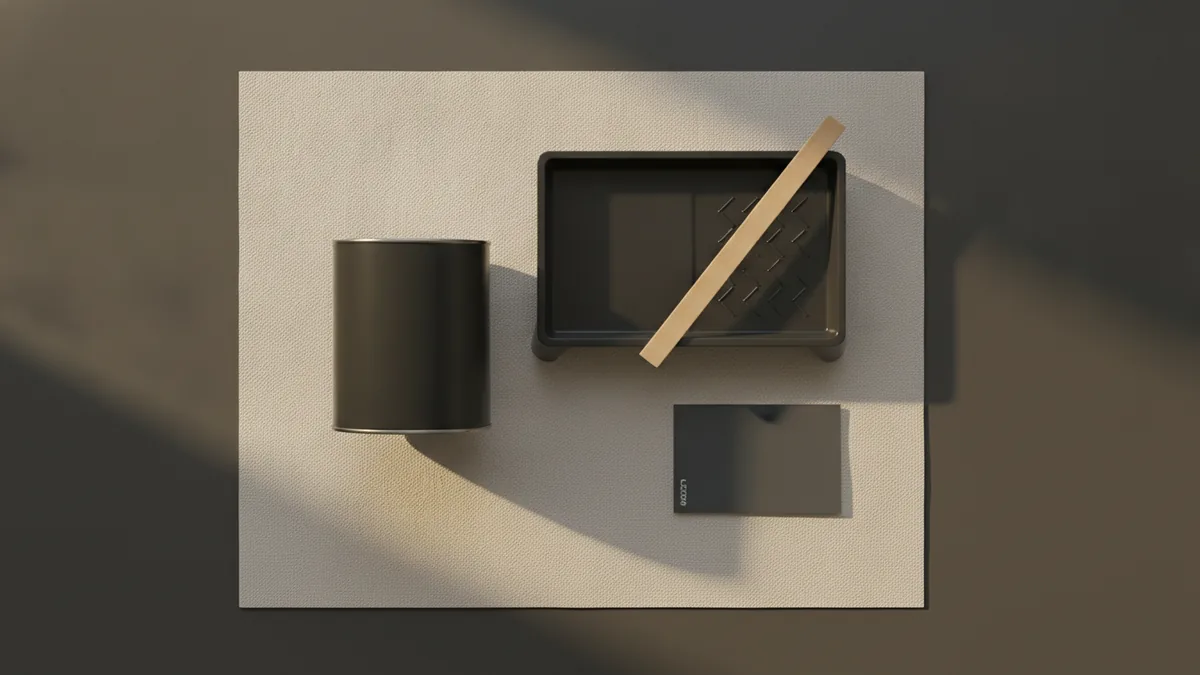
Finishing touches: topcoat, cure, and reassembly
Once your paint coats are done, finish with a protective topcoat. A protective topcoat, like lacquer, can enhance durability and wipe-ability.
Be careful during curing. Even if the surface feels dry, it may still be soft underneath.
After full cure, reattach hardware and reinstall doors. Handle pieces gently at first, and avoid scraping edges against countertops.
If you painted “can you paint over laminate kitchen cupboards” that see heavy daily use, prioritize a quality topcoat. That wear layer is your long-term defense.
Also think about where water splashes. Near sinks, use extra care with sealing and cure time.
Maintenance tips for painted laminate cabinets
Maintenance starts with how you clean. Use mild soap and a soft cloth, not harsh cleaners that strip coatings.
Avoid abrasive pads on high-touch doors. Even small scuffs can show on satin or semi-gloss finishes.
If you notice a chip, fix it quickly. Small touch-ups are easier right after the paint has fully cured and the surface is stable.
For “can i paint my laminate kitchen countertops,” note that countertops experience heat and impact. Use a system rated for that level of wear, and follow cure guidance closely.
For “can you paint a laminate kitchen countertop,” the same rule applies. Good prep and a durable topcoat matter more than the color choice.
Finally, keep humidity in mind. Ventilation helps curing and reduces long-term coating stress.
Quick answers to common laminate cabinet questions
Can you paint laminate kitchen cupboards without sanding? Light sanding helps create tooth. If you skip sanding, adhesion risk rises, especially on glossy laminate.
Can you paint laminate kitchen doors? Yes, but doors need careful prep around edges and profiles.
Can you paint over laminate kitchen cabinets without primer? Typically, no. Laminate’s non-porous surface usually needs bonding primer for reliable adhesion.
Can you paint laminate kitchen cupboards in white? You can choose white, then rely on the primer and topcoat for a durable, consistent finish.
How to paint laminate kitchen cupboards for the best look? Focus on degreasing, sanding for grip, bonding primer, and thin two-coat paint layers.
How to paint laminate kitchen cabinet doors? Remove doors when possible, paint flat areas first, and finish with careful topcoating.
How to spray paint laminate kitchen cabinets? Spraying can work, but you still need sanding and bonding primer. Keep spray layers thin and let full dry and cure times happen.
How to paint laminate kitchen cupboards without sanding? You can try de-glossing and using a dedicated primer, but results are less predictable. If adhesion matters, light sanding is the safer path.
Frequently asked questions
- Can I paint laminate kitchen cupboards without sanding?
- Light sanding improves adhesion on glossy laminate. If you skip it, results can be less reliable, even with bonding primer.
- Can you paint over laminate kitchen cabinets without primer?
- Most laminate surfaces need a bonding primer. Without primer, paint adhesion often fails over time.
- How do you paint laminate kitchen cabinets for a smooth finish?
- Degrease first, sand lightly, then prime with a bonding primer. Apply two thin paint coats and keep full cure time between steps.
- Can I paint my laminate kitchen countertops?
- You can, but countertops need a system rated for heavy wear. Use the right topcoat and follow cure guidance carefully.
- Can you paint laminate kitchen doors and still get durable results?
- Yes, as long as you prep edges and profiles well. Use bonding primer and apply thin, even coats.
- How to paint laminate kitchen cupboards in white?
- Choose a white cabinet paint system and prep with bonding primer. Finish with a protective topcoat to keep the color looking fresh.
Related reading
Couch Placement—Flow, Focus and Comfort
Place your couch to frame a focal point, keep paths clear, and make the room feel balanced.
Master Bedroom — Color, Comfort and Personal Style
Build a calm, personal bedroom with smart choices and a budget that works.
Room Painting Labor Costs — Rates and Budget Factors
See typical room-painting labor rates and learn what drives the final price.