Best Paint for Kitchen Cabinets — Finish, Durability, and Cost
Choose the right cabinet paint, prep well, and get a finish that lasts.
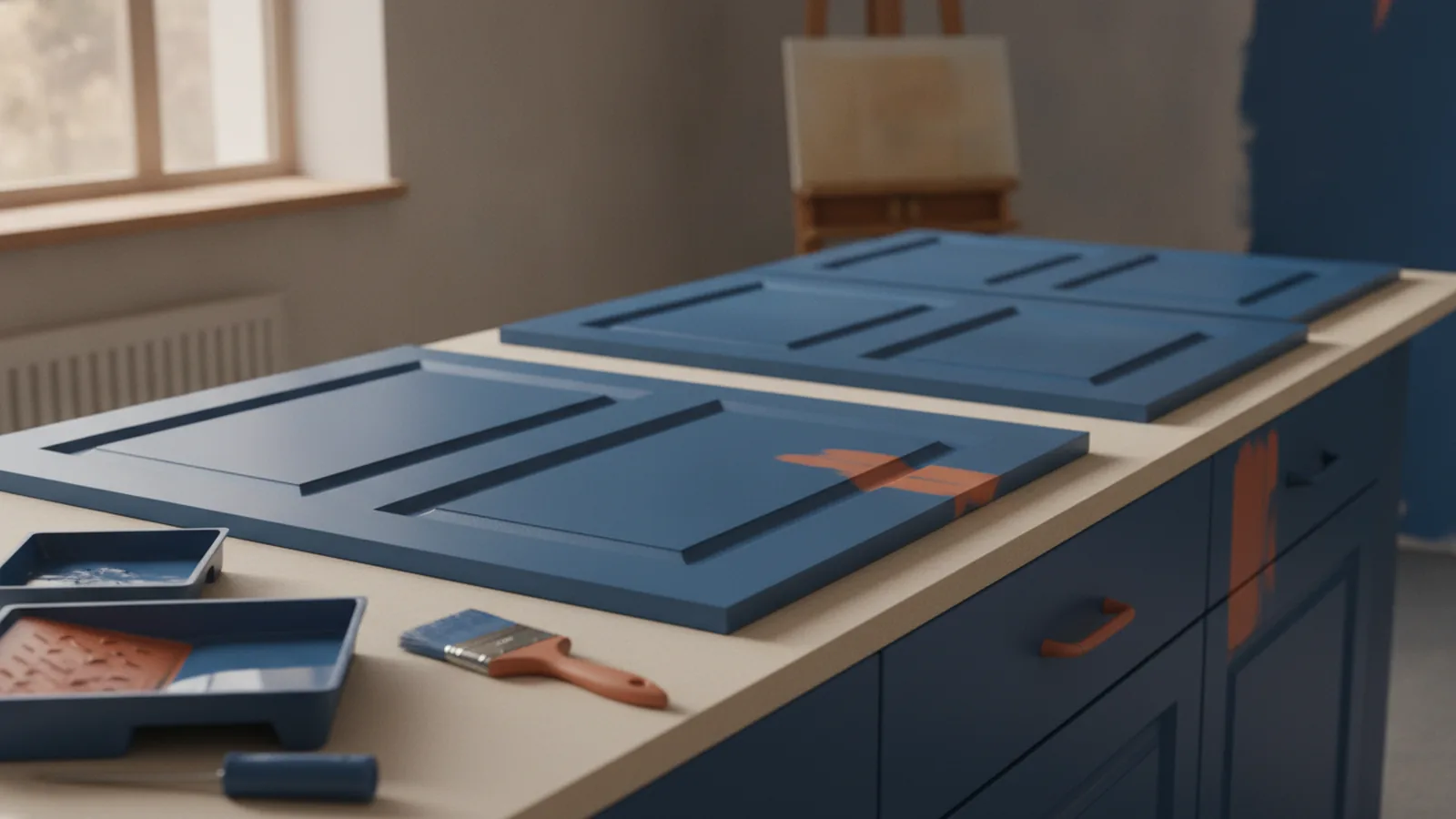
Understanding Kitchen Cabinet Paint
So, what is the best paint for kitchen cabinets? For most homes, choose a waterborne enamel made for trim, doors, or cabinets. It forms a hard film and cleans up with water. Satin or semi-gloss finishes suit most kitchen doors.
The same answer covers what is the best paint for kitchen cupboards. Cupboards face steam, grease, water, hands, and daily knocks. Wall paint may look fine at first. It can mark, chip, or stay soft on busy doors.
Paint choice depends on the cabinet surface and your tools. Wood, laminate, and factory coatings need different prep. A strong paint cannot grip grease or loose finish. Prep comes first.
Waterborne enamel is popular because it dries fast and gives off less odor. Oil paint can form a tough film, but it dries slowly. It may also yellow over time. Spray paint can give the smoothest finish on flat doors.
Key Factors in Choosing Paint
When asking what is the best paint to paint kitchen cabinets, look past the brand name. Check the label for cabinet enamel, trim enamel, urethane enamel, or furniture paint. These coatings often level better than standard wall paint.
Finish also affects the final look and daily care. Satin hides small flaws and feels soft under light. Semi-gloss sheds water and makes wiping easier. High gloss looks bold, but it shows dents and brush marks.
- Adhesion: The paint must grip wood, laminate, or a factory coating.
- Hardness: The cured film should resist chips, scuffs, and fingerprints.
- Open time: More working time lets the paint level before it dries.
- Dry time: Fast drying can help, but it may raise brush marks.
- Clean-up: Water clean-up makes each coat easier to manage.
A primer can make or break the job. Use a bonding primer on slick laminate or glossy paint. Use a stain-blocking primer when wood knots or dark marks may bleed through. Let each coat dry as the label directs.
Kitchen air can change the way paint dries. Heat may shorten the working time. High humidity can slow drying and trap dust. Aim for a clean space between 50 and 80 degrees Fahrenheit.
Top Recommended Paint Brands
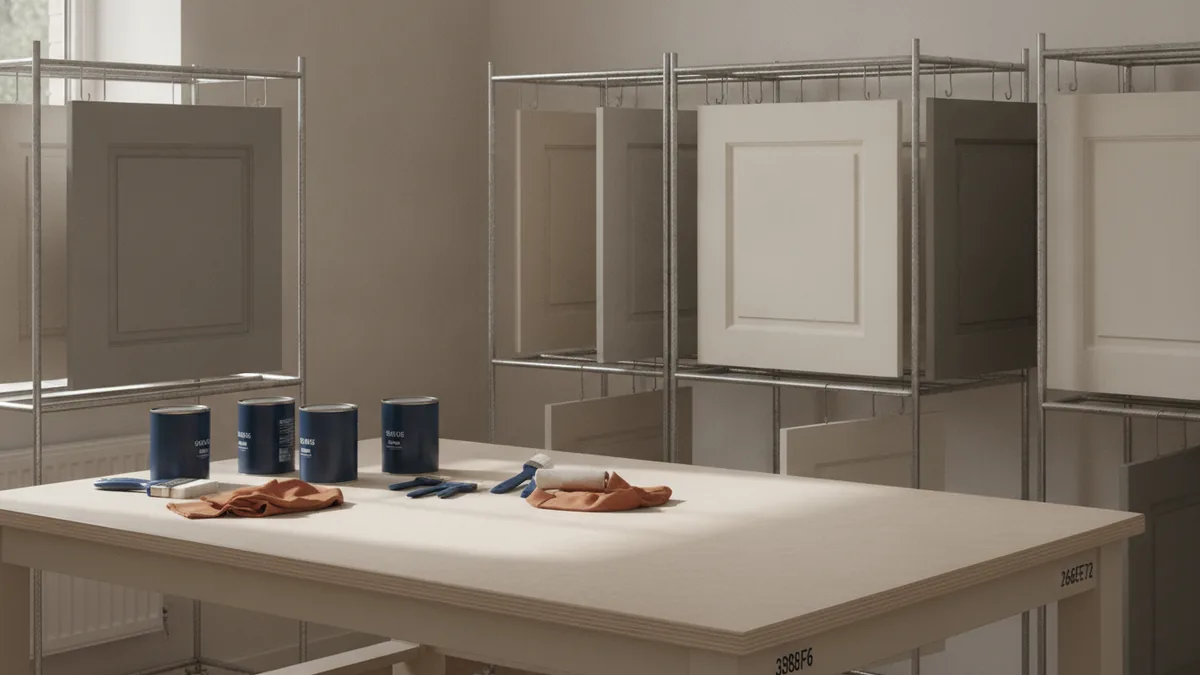
Benjamin Moore Command is a waterborne coating for hard-wearing surfaces. It works with a brush, small roller, or sprayer. It suits people who want low odor and easy clean-up.
PPG UltraLast is another waterborne option for cabinet work. It can flow well when you apply thin coats. Check the label for dry and recoat times. Those times can change with room heat and moisture.
Sherwin-Williams Emerald Urethane Trim Enamel is made for trim, doors, and cabinets. It can level well over a sound, clean surface. The range includes several sheens for different looks.
| Paint choice | Best use | Finish note |
|---|---|---|
| Benjamin Moore Command | Low-odor cabinet work | Smooth waterborne enamel |
| PPG UltraLast | Hard-wearing kitchen doors | Good flow in thin coats |
| Sherwin-Williams Emerald Urethane | Premium trim and cabinet work | Tough finish with gloss options |
These brands are not the only good choices. The best paint for kitchen cabinets depends on the substrate, sheen, and tools. A costly coating cannot fix poor cleaning or weak prep.
Best Paints for Kitchen Cabinets Without Sanding
What is the best paint for kitchen cabinets without sanding? Choose a cabinet enamel that allows no-sand use. Pair it with a strong cleaning step and a bonding primer. Skipping sanding does not mean skipping surface prep.
Remove grease, wax, polish, and loose finish first. Test any deglosser inside one door. Some laminate and factory coatings react badly to strong cleaners. Stop if the surface softens or changes color.
- Remove doors, drawers, hinges, and pulls.
- Wash every part with a grease-cutting cleaner.
- Rinse away residue and let the parts dry.
- Scuff glossy areas when the finish feels slick.
- Apply a bonding primer where the label calls for one.
- Paint two thin coats and allow full cure time.
Sound wood with a dull finish may need only light sanding. Use 180 to 220 grit paper. Sand until the shine fades. Then remove all dust with a clean, damp cloth.
Paint can feel dry before it gains full strength. Keep doors open during the cure period. Avoid hard use until the label says the coating is ready. This step helps prevent early chips and stuck doors.
Application Tips for Kitchen Cabinet Paint
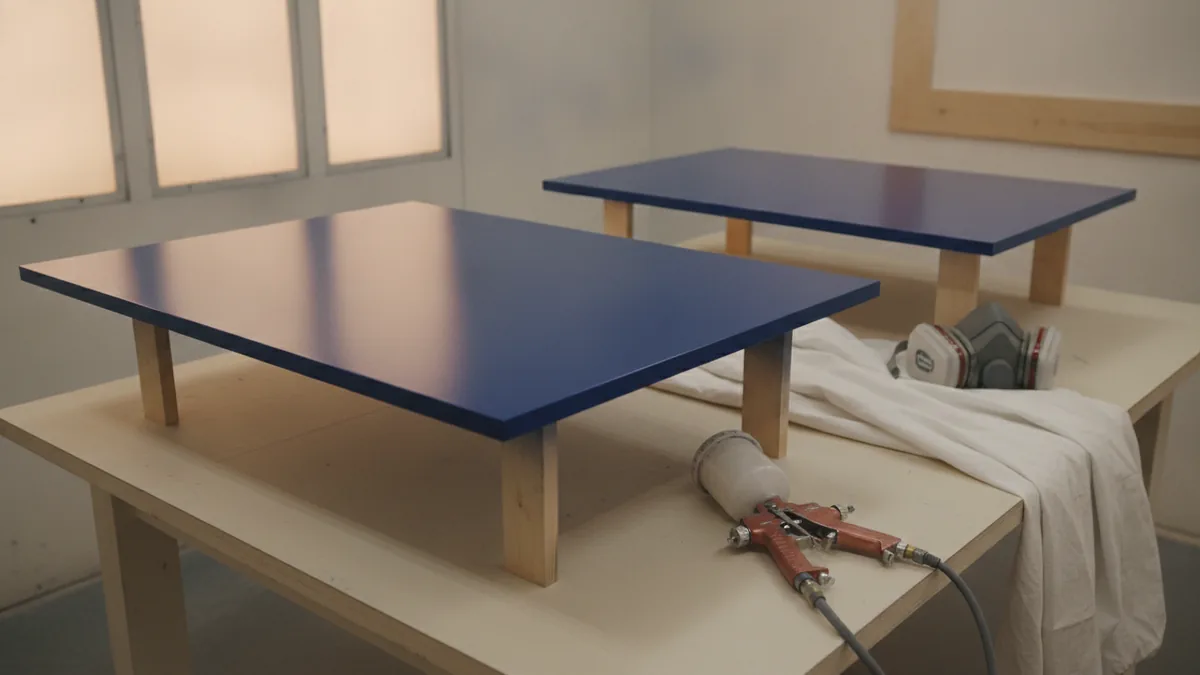
What is the best paint to spray on kitchen cabinets? Use a cabinet enamel that suits your sprayer. The paint should flow well without runs. Thin it only when the label allows thinning.
Spraying usually gives the smoothest result on flat doors. Use light passes and keep the gun moving. Apply several thin coats instead of one heavy coat. Wear the safety gear listed by the paint maker.
A brush and small foam roller can also give a fine finish. Use a quality synthetic brush for waterborne paint. Work in one direction. Keep a wet edge as you cross each panel.
Paint the backs of doors first if you need practice. Let each coat dry before you turn the part. Place doors flat on clean supports. Keep dust, pets, and fans away while the paint sets.
Comparing Durability and Finish
Hardness matters most on doors and drawer fronts. A satin enamel hides small flaws and feels easy to touch. Semi-gloss gives more shine and makes food marks easier to wipe. Both can work well in a busy kitchen.
Spray work can look smooth, but it needs more setup. Rolling takes less time to prepare. Brushing works well on detail and small jobs. The best method depends on your space, patience, and finish goals.
Color also changes how flaws appear. Dark colors can show dust and marks more clearly. Pale colors may reveal grease near handles. Use sample boards before coating every door.
How Paint Choices Change Across the Home
People often ask, what is the best paint for a bathroom? Pick a washable wall paint with mildew resistance for most walls. Use a tougher trim enamel on bathroom cabinets. Good airflow still matters.
What is the best paint for a bathroom ceiling? A flat bathroom ceiling paint can hide small surface flaws. Choose a product made for damp rooms. Repair leaks first, since paint cannot stop water damage.
What is the best paint for bedroom walls? A low-odor interior wall paint with a flat or eggshell sheen often works well. What is the best paint for a bedroom? The answer depends on wash needs and light. Eggshell suits rooms that need more cleaning.
For living spaces, what is the best paint for living room walls? An eggshell or matte wall paint gives a soft look. It also handles light cleaning. These choices differ from cabinet enamel because walls face less touch and impact.
If you wonder how to best paint a room, start with repairs and cleaning. Cut in edges first, then roll the broad wall areas. Use two thin coats when needed. Let each coat dry before judging the color.
Maintaining Painted Kitchen Cabinets
Wait for the full cure before washing new cabinet doors. Then use a soft cloth and mild soap. Avoid scouring pads and harsh sprays. They can dull the sheen or wear the film.
Wipe spills soon after they happen. Pay close attention to areas near the sink and cooktop. Check hinges and pulls for loose screws. Small repairs can stop doors from rubbing and chipping.
Touch up chips with the same paint and sheen. Clean the spot first. Feather the edge with a small brush. If many areas fail, find the cause before repainting.
The short answer to whats the best paint for kitchen cabinets is simple. Use a cabinet-grade enamel, choose the right primer, and prep every surface. Good tools and full cure time matter just as much as the paint can.
Frequently asked questions
- What is the best paint for kitchen cabinets?
- A waterborne cabinet enamel with a satin or semi-gloss sheen suits most kitchens. It offers good wear, easy clean-up, and less odor.
- What is the best paint for kitchen cabinets without sanding?
- Use a cabinet enamel that allows no-sand use. Clean the surface well, test the cleaner, and add bonding primer when needed.
- What is the best paint to spray on kitchen cabinets?
- Use a cabinet enamel made for spraying. Apply thin coats and thin the paint only when the product label allows it.
- What is the best paint for a bathroom?
- Use washable bathroom paint with mildew resistance on most walls. Choose a tougher trim enamel for bathroom cabinets.
- What is the best paint for a bathroom ceiling?
- Use a flat paint made for damp ceilings. Fix leaks first, because paint cannot solve water damage.
- What is the best paint for living room walls?
- Use eggshell or matte wall paint for most living rooms. Choose based on wash needs, light, and the wall condition.
Related reading
Kitchen Cabinet Spray Painting — Tools, Steps, and Costs
Spray kitchen cabinets with less mess, better prep, and a smooth finish.
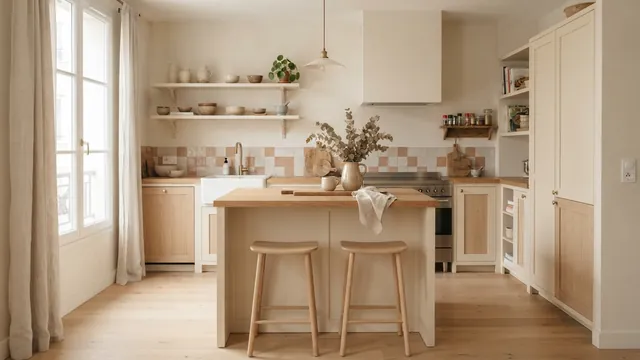
Unfinished Kitchen Cabinets—A Custom Paint Finish
Paint unfinished cabinets well with smart prep, the right tools, and patient drying time.
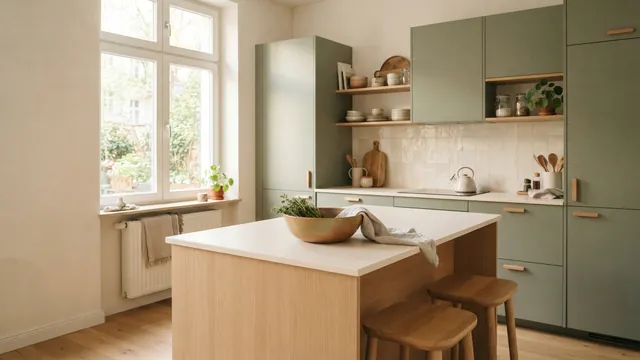
How to Get a Smooth Finish When Painting Kitchen Cabinets
Get smooth, durable cabinet paint with better prep, tools, and drying times.