Interior Design vs Interior Architecture: What Sets Them Apart
See how interior design and interior architecture differ in focus, skills, and career paths.
Interior Design and Interior Architecture: A Quick Answer
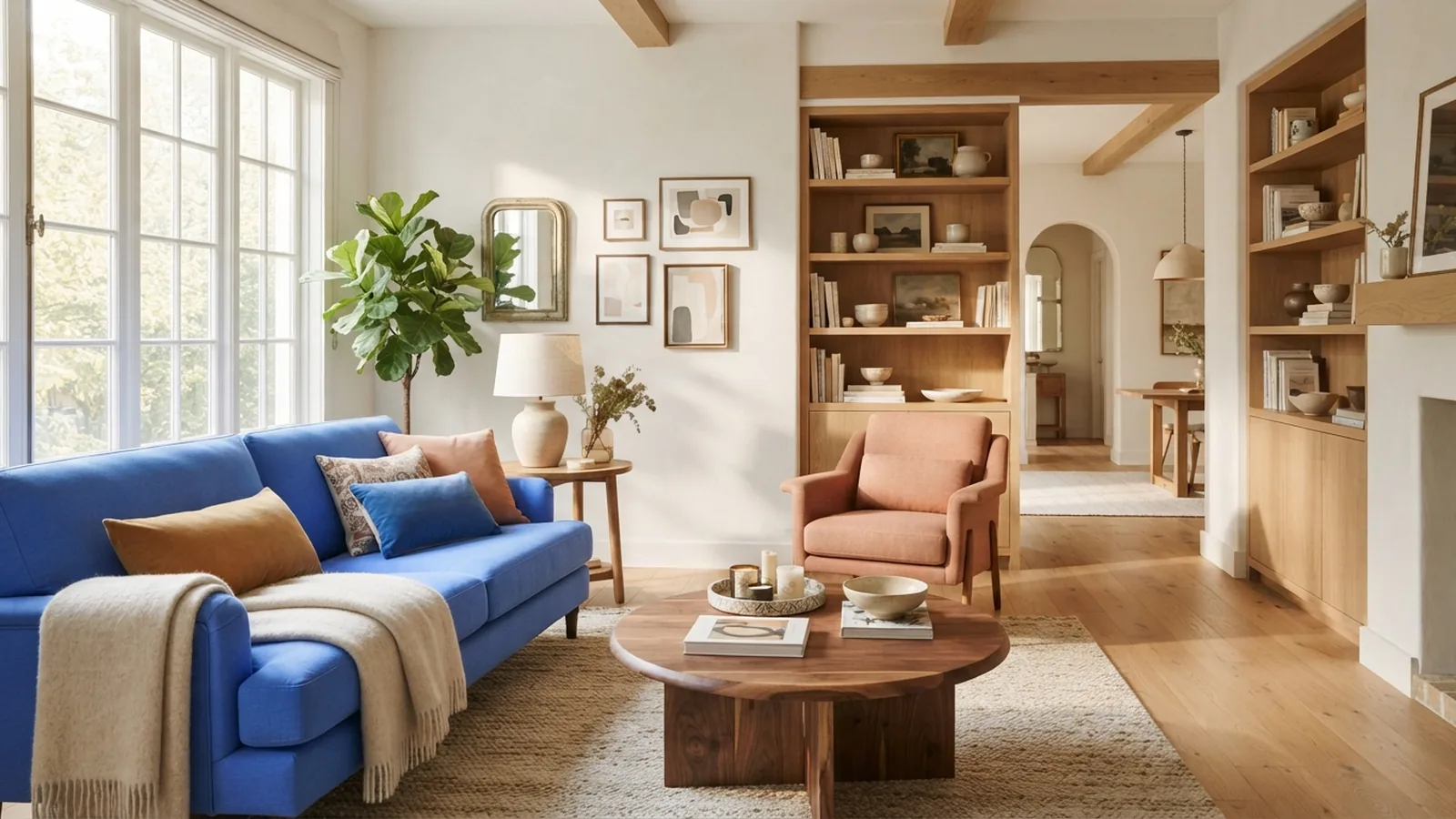
Is interior design and interior architecture the same? No. They overlap, but they solve different problems. Interior design shapes how a space looks, feels, and works. Interior architecture changes the space itself, often through layout, structure, and the reuse of an older building.
Both fields can serve homes, offices, shops, hotels, and public buildings. Both need strong design sense, drawing skills, and knowledge of materials. The main difference lies in the level of change. A designer may select lighting, furniture, and finishes. An interior architect may move walls, restore old features, or plan a new stair.
The best choice depends on your interests. Choose interior design if you enjoy style, comfort, and daily user needs. Choose interior architecture if you enjoy buildings, space planning, and the story behind old structures.
What Interior Design Covers
Interior design creates attractive and useful indoor spaces. It brings together furniture, color, fabric, lighting, art, and decoration. A designer also studies how people move through a room. The goal is a space that supports real tasks.
For example, a home designer may plan a kitchen for two cooks. They might set work zones, pick hard-wearing floors, and add task lights. An office designer may reduce glare, improve sound control, and create quiet work areas. Good design links beauty with clear use.
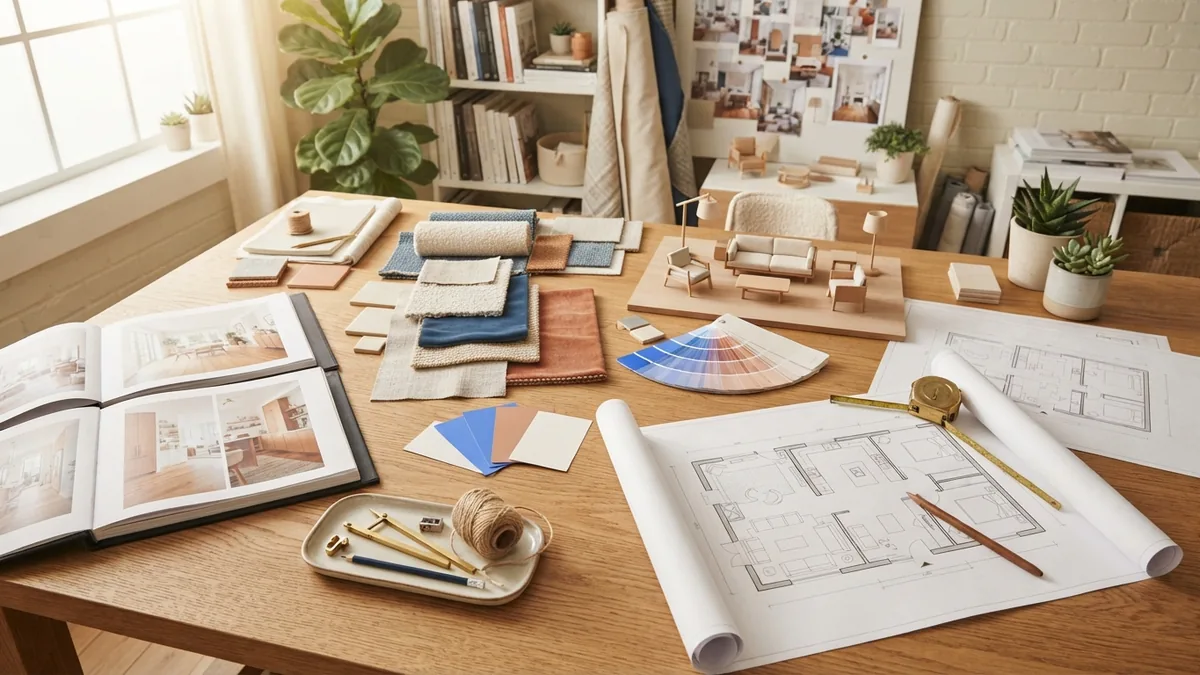
Interior designers work on both new builds and existing rooms. They may manage a full project or focus on one part, such as finishes. Their work often includes client meetings, mood boards, floor plans, product lists, and site visits. They must also track cost, timing, and safety needs.
Interior decorating is a narrower task. It focuses on finishes and objects, such as paint, curtains, rugs, and furniture. So, is interior design and interior decorating the same thing? No. Decorating can improve a room's look, while design also addresses layout, comfort, access, and function.
What Interior Architecture Means
Interior architecture deals with the form and structure of indoor space. It often begins with an existing building. The practitioner may study walls, floors, stairs, ceilings, doors, light, and services. They then shape a new use within those limits.
This field sits between architecture and interior design. It does not simply place objects in a room. It may change room sizes, improve circulation, or add new openings. The work can also involve building rules, construction details, and coordination with engineers.
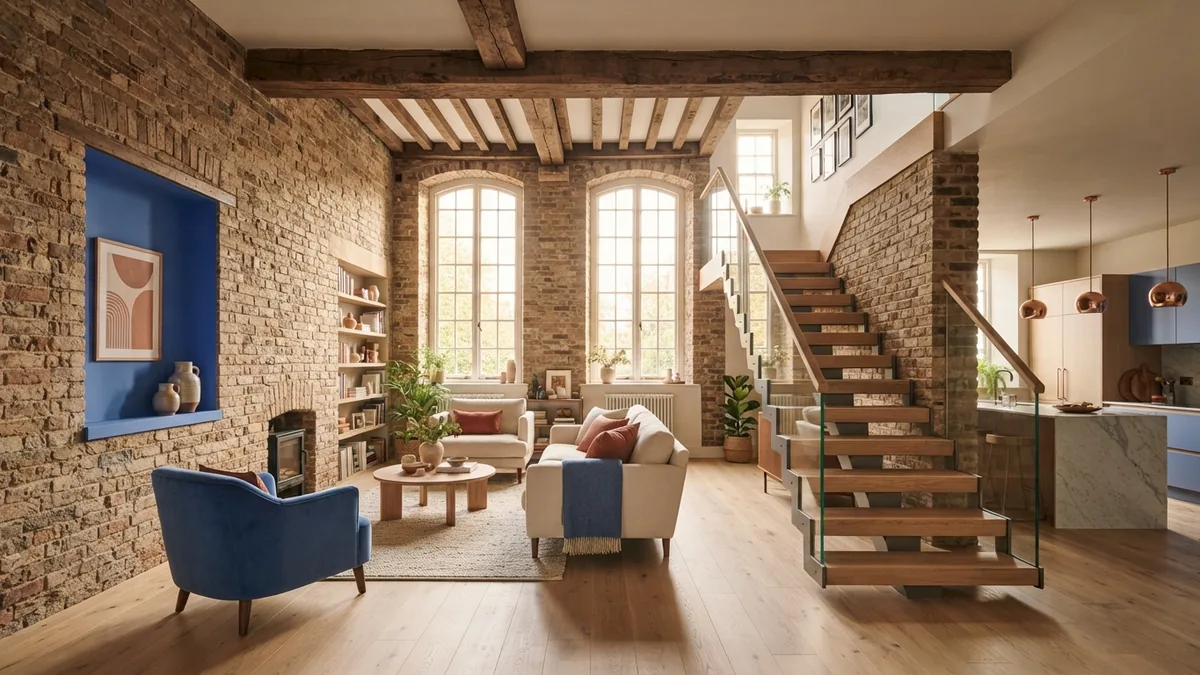
Adaptive reuse is a common interior architecture project. It gives an old building a new purpose. A factory might become a library, or a school might become housing. The design can keep brick walls, timber beams, or a historic stair. These parts add value and link the new use to the building's past.
Historical value matters in many projects. Interior architects must decide what to keep, repair, reveal, or change. They balance old features with modern needs. That can include better access, new heating systems, safer exits, and lower energy use.
The Main Difference Between the Two Fields
What is the difference between interior design and interior architecture? The short answer is scope. Interior design tends to shape the experience within a room. Interior architecture tends to reshape the room and its links to the wider building.
The line is not fixed in every country. Some designers handle large layouts and building work. Some architects focus on furniture and finishes. Job titles also vary by local rules and education. Still, the table below shows the usual split.
| Area | Interior design | Interior architecture |
|---|---|---|
| Main focus | Look, comfort, use, and user experience | Space, structure, history, and building change |
| Typical work | Furniture, color, finishes, lighting, and decor | Plans, walls, stairs, openings, services, and reuse |
| Common project | Home, office, shop, or hotel fit-out | Conversion, restoration, or major space change |
| Key question | How should this place feel and work? | What can this building become? |
These roles can meet on the same project. An interior architect may set the room plan and key details. An interior designer may then shape the furniture, fabrics, color, and final mood. Close teamwork helps the whole space feel joined up.
Roles and Responsibilities in Practice
Interior designers start by learning how clients use a space. They ask about goals, habits, budget, and future needs. They may measure the site and create a plan for each room. Then they test finishes, furniture sizes, and light levels.
A designer may also guide suppliers and trades. They check samples, review shop drawings, and visit the site. On a larger job, they help set a schedule and track changes. Their decisions affect comfort, cost, upkeep, and brand image.
- Study the client brief and site needs
- Plan zones, furniture, and movement paths
- Select colors, finishes, fixtures, and furniture
- Set lighting layers for work, mood, and safety
- Review costs, samples, orders, and site work
Interior architects take on many of these tasks. They also review the building's shell and key systems. Their drawings may show new walls, doors, stairs, ceilings, and service routes. They often work with architects, engineers, surveyors, and builders.
On a reuse project, their role can be more complex. They may map old fabric before any work begins. They then find ways to meet access, fire, energy, and use needs. The best plans protect valuable parts without turning the building into a museum.
Skills for Interior Designers and Architects
Both fields need a similar base of skills. Each one calls for visual judgment and careful space planning. Each also needs clear communication. The difference comes from how those skills are used.
Designers often spend more time on mood, detail, and user comfort. They need a good eye for proportion, color, texture, and light. They also need product knowledge. A stylish choice must still meet wear, care, cost, and safety needs.
Interior architects need strong building knowledge. They must read plans and understand how parts fit together. They also need skill with structure, materials, and old buildings. Their work must balance bold ideas with sound build details.
Useful skills for both paths include:
- Hand sketching and digital drawing
- Clear speaking, writing, and client listening
- Budget planning and time control
- Knowledge of materials and how they age
- Teamwork with builders and other design experts
- Careful testing of access, comfort, and safety
Some themes cross both careers. Sustainable design can cut waste, energy use, and harmful material choices. Universal design can make spaces easier for people with varied age, strength, and ability. Contemporary interior design may use clean forms and new materials, but it still needs to serve real users.
Choosing the Right Career Path
What is interior architecture and design as a career choice? They are two related paths with different daily work. Interior design may suit someone who enjoys color, furniture, styling, and client contact. Interior architecture may suit someone who likes buildings, plans, old spaces, and construction.
Think about the questions you enjoy solving. Do you ask how a room should feel and support daily life? Interior design may be the better fit. Do you ask how walls, levels, light, and history shape a place? Interior architecture may hold more appeal.
Try both through small projects. Redesign one room with a set budget. Then study an old building and draw a plan for a new use. Compare which task holds your attention longer. That test can reveal more than a job title.
Training rules vary by place, so check local schools and professional bodies. Some roles need a set degree or license. Others rely on a strong portfolio and site experience. Whichever route you take, learn the full process from first brief to finished space.
Conclusion: Two Paths, One Shared Goal
Interior design and interior architecture are not the same. Design leans toward surfaces, furniture, mood, and user experience. Interior architecture leans toward space, structure, building history, and major change.
Yet the fields share a clear goal. Both aim to make indoor places useful, safe, and meaningful. Both can support sustainable choices and better access. The strongest projects often use both skill sets.
Choose interior design for a closer focus on people, objects, and atmosphere. Choose interior architecture for deeper work with buildings and space. Either path can lead to varied roles in interior design and architecture.
Frequently asked questions
- Is interior design and interior architecture the same?
- No. Interior design focuses on function, comfort, finishes, furniture, and user experience. Interior architecture focuses more on space, structure, building history, and major change.
- What is the difference between interior design and interior architecture?
- Interior design shapes how a space looks and works for its users. Interior architecture may change walls, stairs, openings, ceilings, and other parts of the building.
- What is the difference between interior design and interior decorating?
- No. Interior decorating mainly covers paint, furniture, fabrics, art, and other finishes. Interior design also covers layout, safety, access, comfort, and use.
- What skills do interior designers and architects need?
- Both paths need space planning, drawing, visual sense, material knowledge, teamwork, and clear client communication. Designers apply these skills to user experience and finishes. Interior architects apply them more often to buildings and space change.
- Which career is better, interior design or interior architecture?
- Interior architecture often suits people who enjoy buildings, plans, construction, and historic spaces. Interior design may suit people who prefer furniture, color, materials, styling, and direct user needs.
Related reading
Why Interior Design Matters in Everyday Life
See how thoughtful design makes spaces work, feel, and look better.
Room Painting Labor Costs — Rates and Budget Factors
See typical room-painting labor rates and learn what drives the final price.
Kitchen Renovation Costs — Price Ranges and Budget Factors
See typical kitchen remodel prices, key cost drivers, and ways to keep your budget on track.