How to Build a Career in Interior Decorating
Build the skills, portfolio, and plan needed for an interior decorating career.
Understanding Interior Decorating
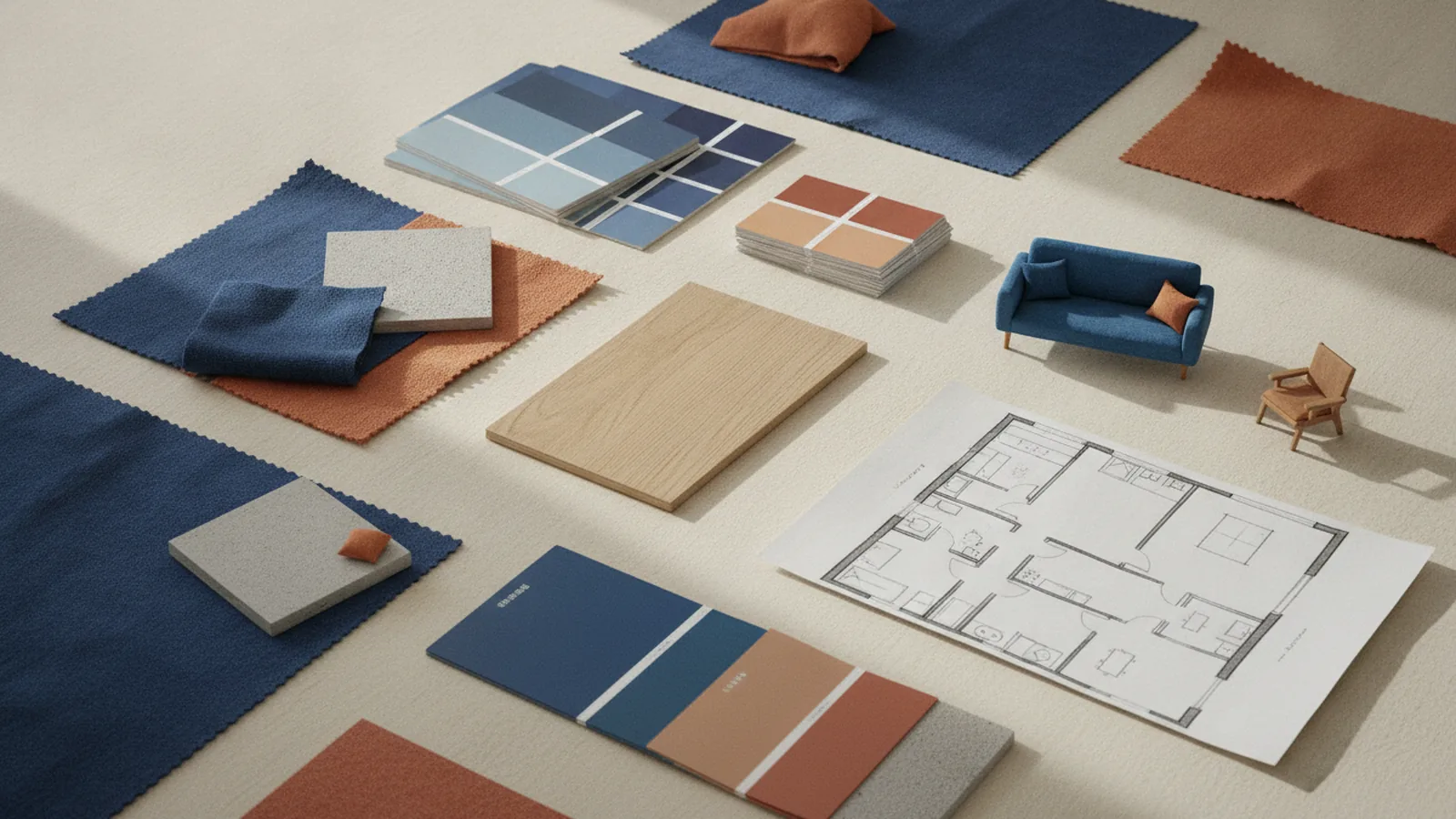
To learn how to start a career in interior decorating, first understand the work. Decorators shape finished rooms through color, furniture, fabric, lighting, and accessories. Their goal is beauty, comfort, and better daily use.
Interior designers may handle wider space plans and building changes. The line between both roles differs by place. Check local rules before offering design work or using a protected title.
Decorators work in homes, offices, shops, hotels, and rental homes. Some focus on kitchens, home staging, or small flats. A clear niche helps new decorators find the right clients.
- Residential room refreshes
- Home staging for property sales
- Retail, hotel, and office styling
- Color advice and furniture plans
- Freelance decorating and visual styling
Decorating does not mean doing every trade yourself. Wallpapering and renovation may need skilled trades. A decorator can plan the look, then work with trusted installers.
For example, questions like where do you start wallpapering a room concern the fitting process. The answer often depends on the room shape and pattern match. That task differs from planning the room's full look.
Build the Skills Clients Notice
The skills needed for interior decorating go beyond a good eye. You must turn a client's wishes into a clear plan. You must also guide choices when taste, cost, and space limits clash.
Creative thinking helps you shape a strong look. Visualization helps clients picture colors, textures, and furniture together. Basic sketches and mood boards make ideas easier to grasp.
Client service matters just as much. Ask about budget, habits, timing, and dislikes. Clear questions prevent costly changes later. Good problem-solving keeps work moving when plans change.
Project management helps you track orders, trades, costs, and dates. Technical skills help with measuring, scale, lighting, and room plans. Start with one drawing tool and one method for polished mood boards.
Use a simple skill-building plan
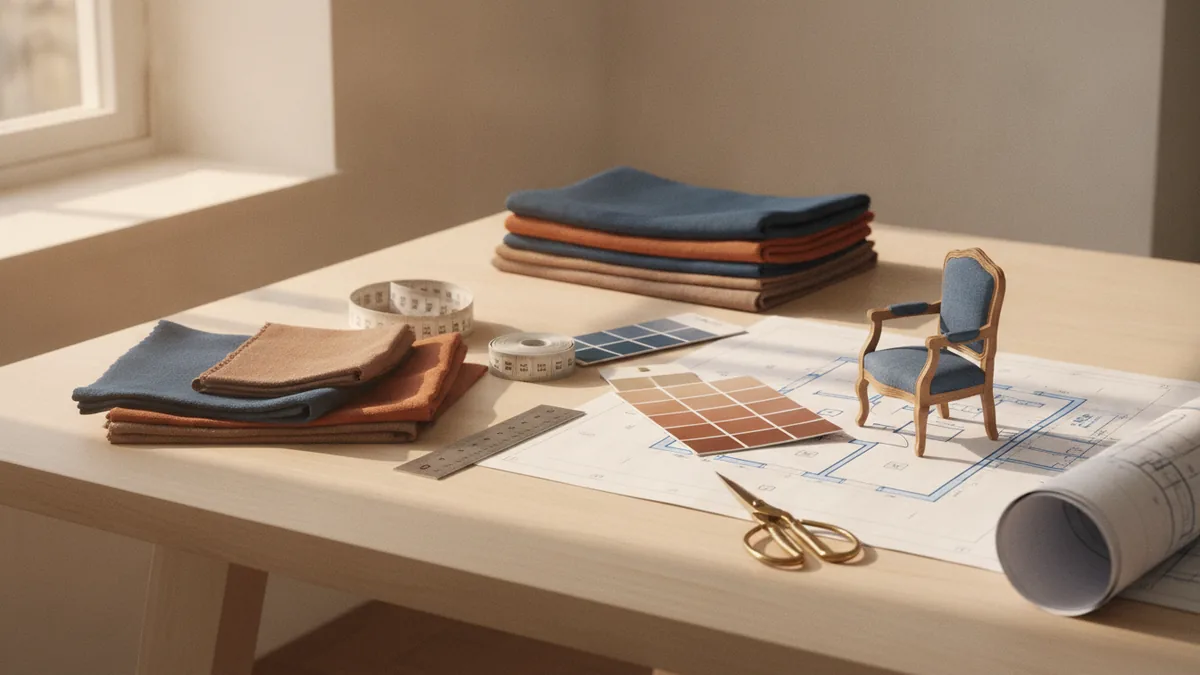
- Test color schemes with paint cards and fabric samples.
- Measure rooms and draw simple plans to scale.
- Create three mood boards for different budgets.
- Write a short brief for each design.
- Review each project and note what you would change.
Choose Training That Fits Your Goal
Interior decorating training options range from degrees to short online courses. A degree can offer broad study, studio feedback, and useful contacts. It can also cost more and take several years.
Certificate programs offer focused lessons in color, space planning, materials, and business basics. Check each course plan before joining. Look for live feedback, practical projects, and teachers with current work.
Online courses suit people who need flexible study. They work best with a weekly plan and real projects. Books, free lessons, museum visits, and supplier talks can build useful knowledge.
Many successful decorators do not hold formal degrees. Your choice should match your budget, time, and work goal. A strong portfolio often matters more than a title alone.
| Path | Best for | Check first |
|---|---|---|
| Degree | Broad study and long-term design work | Cost, studio access, and course length |
| Certificate | Focused study with a clear end date | Projects, feedback, and teacher experience |
| Online course | Flexible learning around other work | Support, reviews, and practical tasks |
| Self-study | Low-cost skill building | Structure, critique, and real practice |
This path also helps people asking how to start interior design without a degree. Start small, show steady work, and seek honest feedback. Skills grow through use, not just study.
Gain Practical Experience and Build a Portfolio
Gaining experience in interior decorating teaches you how projects work in real rooms. Start with one room in your home or a friend's home. Set a budget, write a plan, track purchases, and record the result.
Internships can show how decorators handle clients, suppliers, orders, and site visits. Related work can help too. Real estate teaches staging and buyer taste. Retail design teaches display, stock limits, and sales goals.
Volunteer for a charity shop, community space, or local event. Offer a small styling project with clear limits. Ask before taking pictures. Keep the brief, choices, costs, and result.
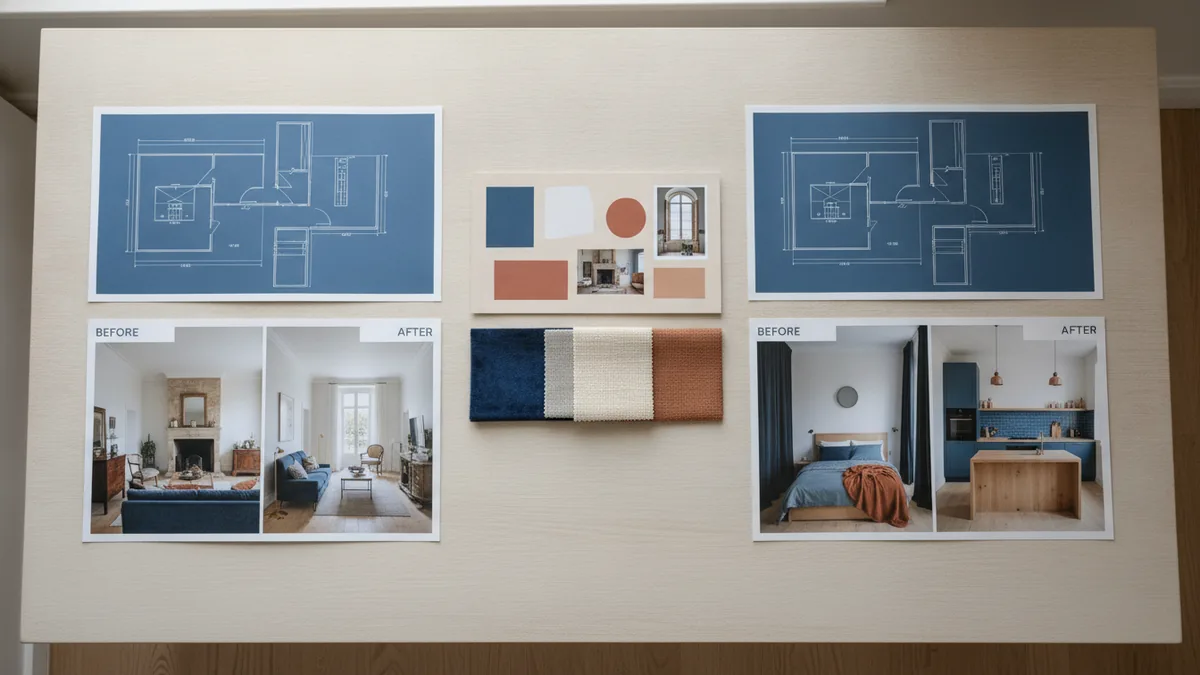
Aim for six to ten strong portfolio projects. Show different room types and budgets. Include mood boards, plans, material choices, and final views. Add a short case study for each project.
Make every portfolio project useful
- State the client's goal or the design problem.
- Show the room before work began.
- Explain your color, layout, and material choices.
- List the budget and key purchases.
- Show the finished room from clear angles.
- Share the result through a simple website or PDF.
Do not show only polished final views. The process proves how you think. It also gives future clients a reason to trust your judgment.
Starting Your Own Decorating Business
Starting an interior decorating business begins with a clear offer. Choose a service, client type, area, and price model. You might offer room plans, shopping lists, styling days, or full refreshes.
People ask how do I start an interior design business. They also ask how do I start my own interior design business. The answer starts with the same basics. Define your work, test demand, and set firm project limits.
The same steps help if you ask how to start my own interior design business or how to start your own interior design business. You can begin as a freelancer before forming a larger firm. Learn the local rules for taxes, insurance, contracts, and business names.
If you wonder how to start an interior design business with no experience, use small test projects. Build proof before seeking large clients. A simple plan can help you set goals, costs, and sales targets. The U.S. Small Business Administration's business plan guide offers a trusted starting point.
Some people search how to start an interior decorating business or how to start your own interior decorating business. Others search how to start a freelance interior design business. These paths differ in size, but the core work stays similar.
Set up a simple business system
- Write one clear service package.
- Set a price, deposit, and change rule.
- Use a written brief and signed agreement.
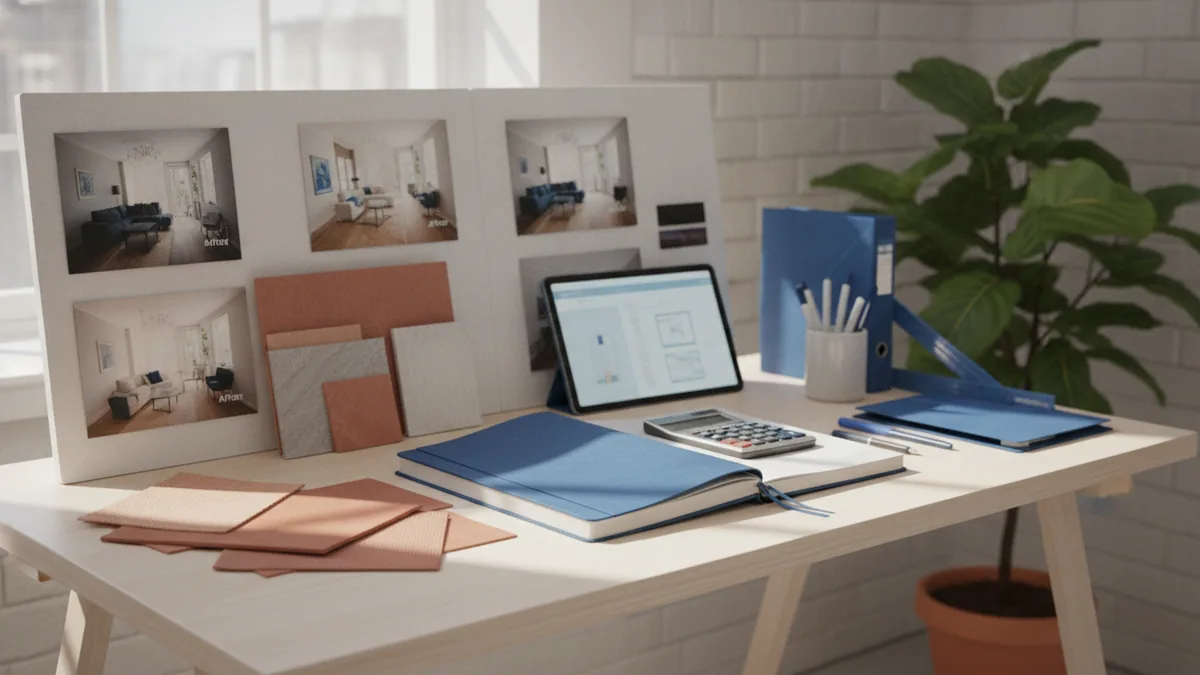
- Track time, costs, orders, and payments.
- Ask happy clients for useful reviews.
- Review your profit after every project.
To learn how to run an interior design business, focus on cash flow and client care. To learn how to promote your interior design business, show useful project work. To learn how to advertise an interior design business, test one local channel at a time.
You can also start an online interior design business with remote plans and video calls. Keep the service clear. Set limits for room size, revisions, delivery times, and sourcing help.
Network and Keep Learning
Networking can lead to jobs, referrals, and joint work. Meet suppliers, builders, estate agents, photographers, and other designers. Attend local events and take part in small design groups.
Share useful work rather than constant sales posts. A short case study can show your process and result. An interior design blog can answer client questions and bring steady search traffic.
Watch changes in color, materials, home use, and client needs. Study many design styles without copying each trend. Your work should fit the client, room, budget, and time.
Ask peers for feedback on your plans and pricing. Join a workshop when you need a new skill. Keep a note of lessons from each project.
Common Challenges for New Decorators
New decorators often underprice their work. They may count shopping time but miss travel, calls, revisions, and admin. Track every task before setting your next fee.
Scope creep creates another risk. A client may ask for extra rooms or new plans. Put limits in writing. Charge for added work before starting it.
Trends can also distract from sound design. A room must work for real habits and needs. Ask how people use the space before choosing a look.
Career terms can confuse new entrants. The questions how to start a career in interior design and how to start being an interior designer often point to wider design work. The question how to start a career in interior decorating usually points to styling and room planning.
Kitchen design can become a strong niche. Yet how to start a kitchen renovation involves trade planning, permits, and site work. Decorators should define where their service ends and where licensed trades begin.
Whether you plan to open an interior design business, start an interior design company, or build a small decorating practice, begin with proof. Keep your offer narrow at first. Good work, clear terms, and strong referrals create a safer path forward.
Frequently asked questions
- How do I start a career in interior decorating?
- Start with basic design skills, small practice projects, and a focused portfolio. A degree can help, but many decorators build careers through courses, work experience, and referrals.
- How can I start an interior design business with no experience?
- You can start without a degree by studying core skills, completing real room projects, and showing your process. Work in retail, staging, or a design studio to gain useful experience.
- How do I start my own interior design business?
- Choose a clear service, define your ideal client, set prices, and use written agreements. Then build a portfolio and promote your work through local contacts and useful online content.
- Can interior decorators work on kitchen renovations?
- A kitchen decorator may plan colors, finishes, storage ideas, and product choices. Renovation work may also need trades, permits, drawings, and local approval.
- What should an interior decorating portfolio include?
- Build a portfolio with six to ten clear projects. Show the brief, budget, mood board, plan, choices, and finished result.
- What training do I need to become an interior decorator?
- Good routes include a degree, certificate, online course, self-study, or work in a related field. Choose the path that fits your time, budget, and target clients.
Related reading
Room Squaring — Set the Floor Lines Right
Set accurate floor lines before you start laying planks or boards.
Interior Designer Qualifications — Education, Skills and Career Paths
Explore the education, skills, experience, and state rules needed for an interior design career.
Wood Flooring Direction — Light, Space, and Flow
Choose board direction with light, room shape, and nearby spaces in mind.