How to Decorate a Memory Care Room for Calm and Comfort
Personalized, safe memory care room decor: calming colors, familiar items, light, and comfort.
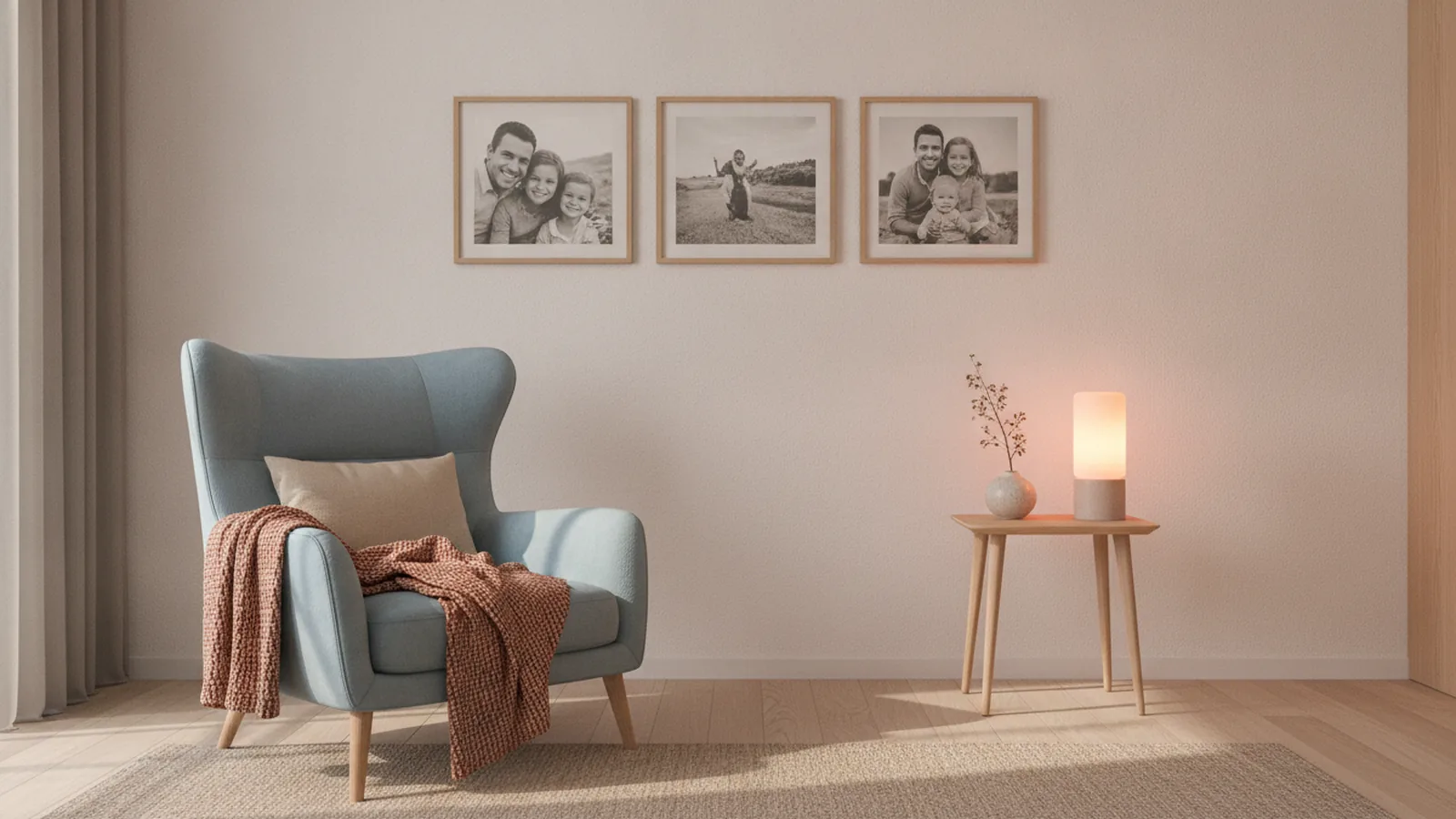
Personalization first: why it matters
If you’re wondering how to decorate memory care room spaces, start with one goal: lower stress and increase emotional safety. For many people living with dementia, the room becomes a daily “environment cue.” When the cues feel familiar and kind, anxiety can drop and engagement can rise.
Personalization in care is not about turning the room into a photo studio. It’s about environmental influence on well-being. Small, meaningful details can act like a bridge to identity during cognitive decline. That can help the person feel seen, not managed.
Practical tip: choose a “comfort theme” based on the person’s history. Then keep the room consistent with that theme across bedding, wall art, and objects on reachable shelves. Consistency reduces the surprise factor, which often drives distress.
- Use items tied to the person’s life, not just neutral décor.
- Update slowly, so the room changes feel predictable.
- Let family help pick objects, textures, and photos.
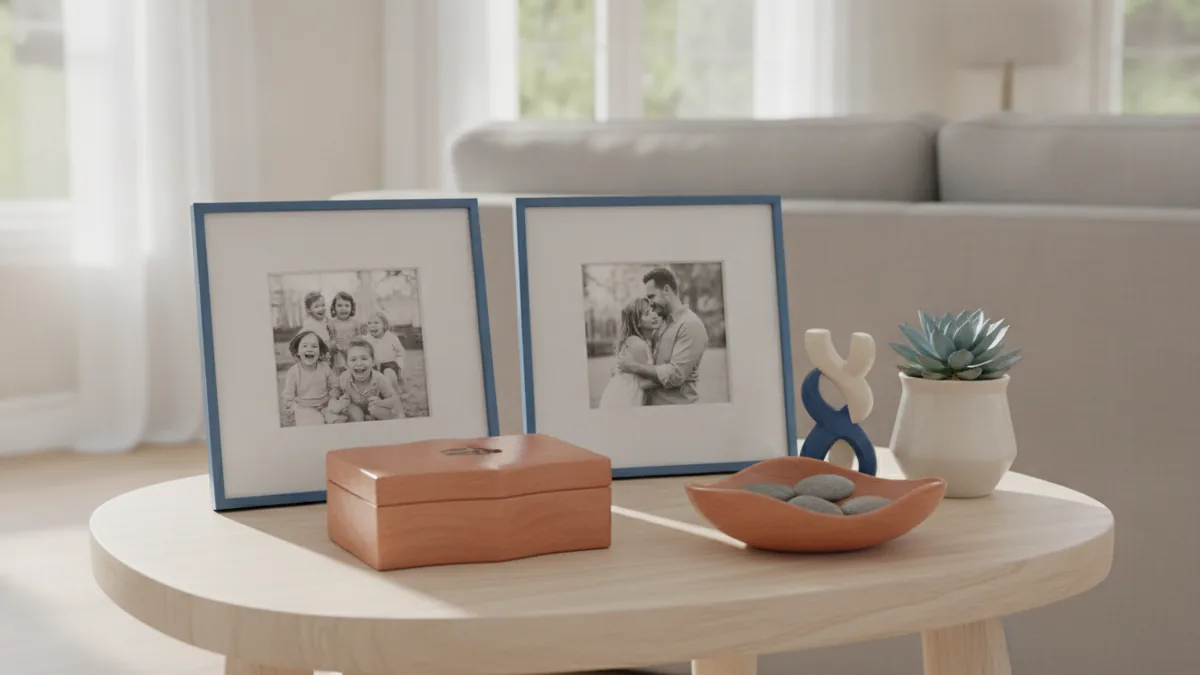
Key decoration elements that support calm
Good memory care decoration ideas balance warmth with simplicity. Too many decorations compete for attention and can raise agitation. Aim for a few “anchor” elements that are always in the same place.
Begin with a small set of visible features. Think of a photoset, a preferred blanket, and one gentle art piece. Place them where the person naturally looks from bed or their favorite chair. If you can, observe where they focus during the day.
Decorating tips for memory care also include making daily items feel decorative. A tray with familiar items can look intentional instead of clinical. Use labeled storage only if it helps the person navigate.
| Decoration element | Why it helps | Low-stress placement ideas |
|---|---|---|
| Family photos and keepsakes | Triggers positive memories | Near eye level from bed; in sightlines from chair |
| One signature artwork | Creates visual stability | Same wall, same height, not behind furniture |
| Comfort textiles | Improves feeling of safety | Folded on chair back or foot of bed |
| Familiar objects | Supports identity and meaning | On a low shelf with secure, non-tip items |
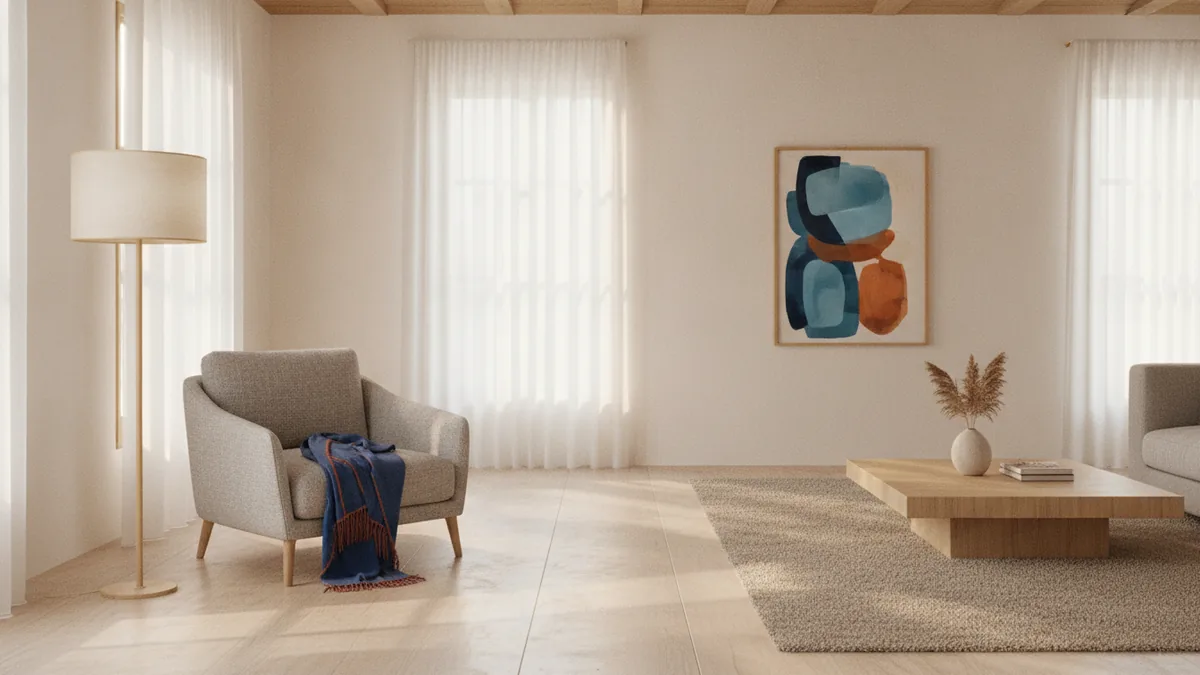
Using light and color for soothing atmosphere
Lighting in interior design can strongly affect mood, especially when someone is sensitive to shadows or glare. Use soft lighting rather than harsh overhead fixtures. Many rooms benefit from dimmable options and warm light at night to support comfort.
Calming colors matter, but so does color contrast. Calming colors can reduce overstimulation, while contrast in colors helps with navigation and enhances spatial awareness. For example, if a wall is light, choose contrasting door frames and toilet seat covers. The person may rely on visual edges to find what they need.
When you’re designing a memory care space, avoid patterns that look like movement. Large, busy prints can feel “busy” to the brain. Instead, use solid or subtle textures, and keep holiday décor minimal and predictable.
- Choose a main wall tone in a calm range, then add contrast to key items.
- Set task lighting where it helps daily routines, like reading or toileting.
- Use night lighting to reduce sudden darkness cues.
- Limit glare by using shades on lamps and covering reflective surfaces.
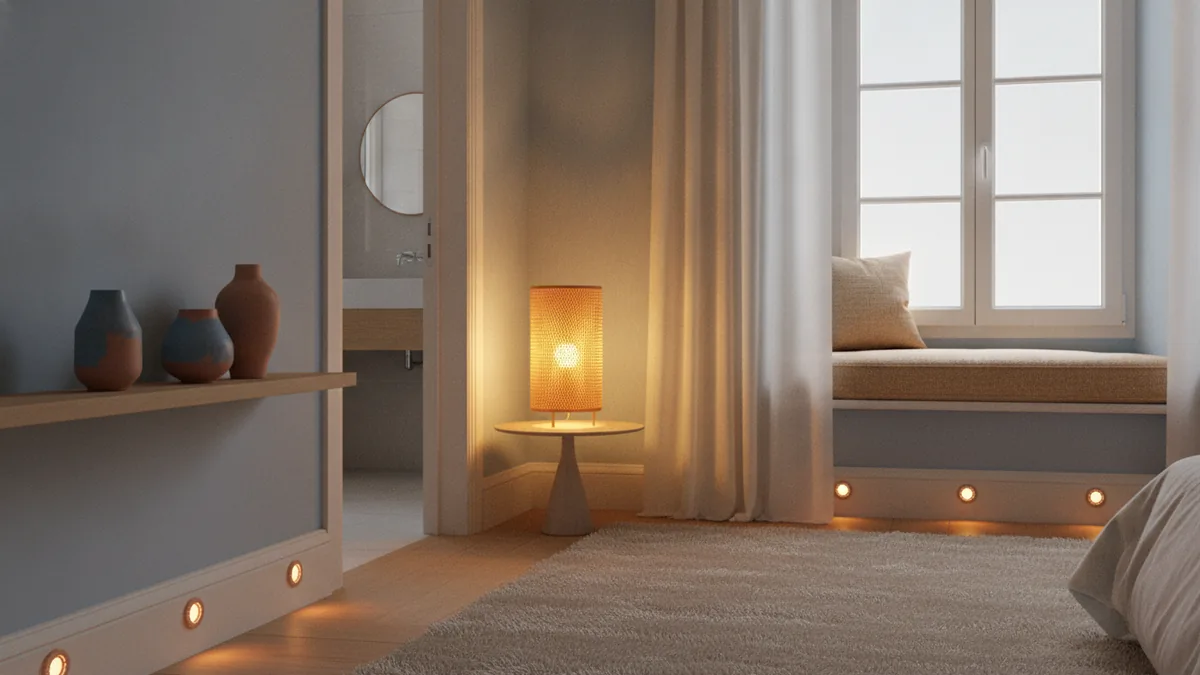
Example setup: a warm lamp by the chair, a small nightlight near the path to the bathroom, and contrast accents on the bathroom door. This supports wayfinding without turning the room into a “signal system.”
Safety first: decorations that don’t create hazards
Safety is paramount when you decorate for memory care. Decorative choices should never create trip risks, sharp edges, or unstable displays. This is part of safety modifications in home decor, even when the room looks styled and welcoming.
Start by removing hazards first. Clear pathways should stay clear, day after day. Avoid loose rugs, cords across walking areas, and low tables that can be bumped. If you use décor, secure it so it cannot be knocked off.
Furniture with rounded edges reduces injury risk during wandering or sudden movements. Use stable furniture, lockable or anchored shelves, and window coverings that prevent entrapment. Also consider sensor-driven lighting or motion lighting for safer night movement.
- Choose furniture with rounded corners and stable bases.
- Use wall-mounted décor only if anchors meet safety standards.
- Keep cords behind furniture and out of reach.
- Reduce glare and sharp reflections from glass décor.
Quick check: if a person could reach, climb, or pull it, assume it must be secured. If you’re unsure, ask nursing staff how the room behaves in real routines. Their observations are often the fastest way to spot risks.
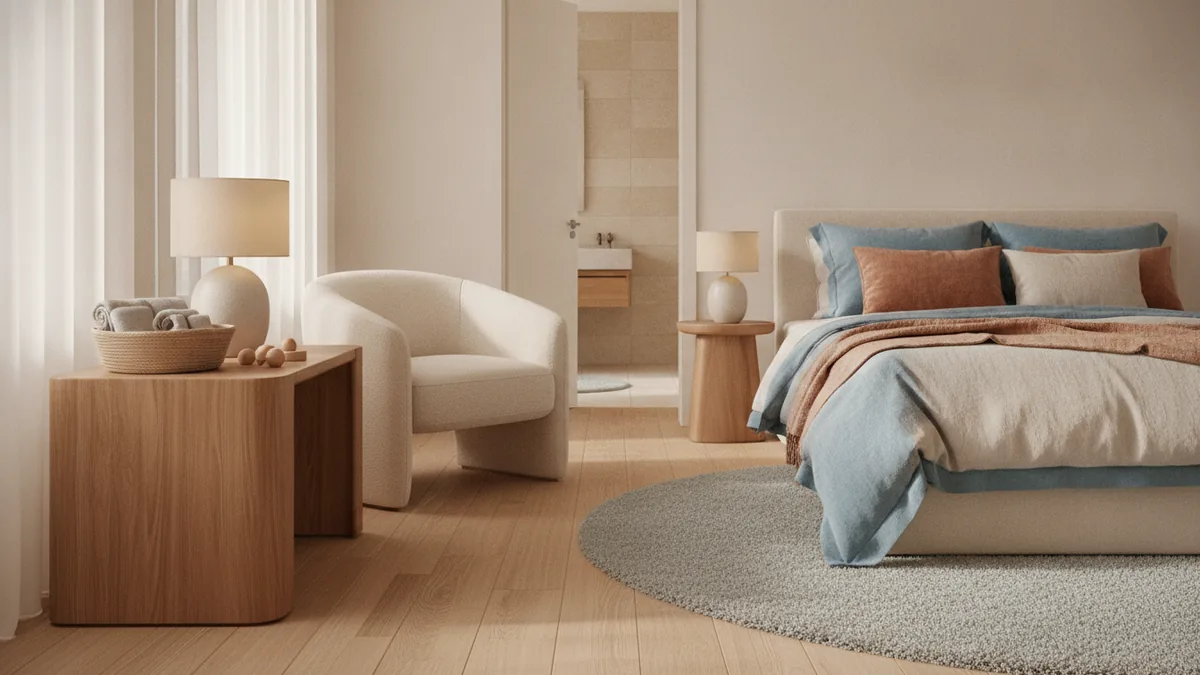
Creating familiar spaces: layout consistency, comfort, and access
Consistency in room layout reduces confusion. If furniture moves often, the brain has to re-map the space each time. Keep bed location, chair position, and major pathways stable. That simple design rule supports environmental influence on well-being.
Use cognitive-friendly layout cues. Place frequently used items within reach and avoid “hidden” storage where the person has to remember steps. For example, keep a preferred blanket, a fidget item, or a meaningful object on a reachable surface. This supports engagement without adding decision load.
Textures and scents can evoke comfort and familiarity. Soft, washable fabrics invite touch and can feel grounding. For scent, choose gentle, non-irritating options only if the person tolerates them well. Avoid strong fragrances, since they can become overwhelming and may trigger discomfort.
Accessibility should be part of decorating, not an afterthought. Contrast on signage and key surfaces can help wayfinding. Make sure the bathroom path is clear and visually consistent with the rest of the room.
| Comfort and access feature | What to do | Watch-outs |
|---|---|---|
| Touchable textiles | Use soft throws and smooth blankets | Avoid shedding fabrics that tangle easily |
| Comfort objects | Provide a small “safe to hold” basket | Avoid small items that can be dropped or swallowed |
| Scent comfort | Use mild, familiar scents if tolerated | Avoid strong perfume-like smells |
| Wayfinding contrast | Contrast bathroom door and toilet area | Don’t rely on text alone |
Conclusion: designing for well-being day after day
Effective how to decorate memory care room choices come down to calm, familiarity, and safety. Start with personalization in care by adding family photos, keepsakes, and meaningful items. Then support that emotional foundation with soothing colors and soft lighting in daily sightlines.
As you decorate, treat safety as part of the aesthetic. Rounded edges, stable furniture, and secured décor prevent injuries and reduce daily stress for everyone involved. Consistent layout and clear pathways help the person orient to the room.
Finally, build comfort through textures and gentle sensory cues. A soft textile, a familiar object to touch, and a consistent visual environment can support well-being even as memory fades. This is designing a memory care space that feels like home, not a place you endure.
Frequently asked questions
- How do I decorate a memory care room without overwhelming the person?
- Use a small set of meaningful items and keep the room uncluttered. Place décor in stable, easy-to-see locations from the bed and chair.
- What colors work best for a memory care room?
- Pick calming wall tones and add color contrast to key surfaces like doors and bathroom areas. Avoid busy patterns that can feel visually busy.
- How should I use lighting for dementia-friendly design?
- Choose soft, warm lighting and reduce glare from lamps and reflective surfaces. Add night lighting to support safer movement when it’s dark.
- Are family photos always helpful in memory care decoration ideas?
- For many people, yes. Use photos and familiar keepsakes that match the person’s past and keep them visible and consistent.
- What safety changes should I make when decorating a memory care room?
- Remove tripping hazards like loose rugs and secure cords. Use furniture with rounded edges and ensure shelves and décor cannot be knocked over.
- Can textures and scents help with comfort in memory care?
- Soft, washable textiles can feel grounding and invite touch. Use gentle scents only if the person tolerates them well, and keep them mild.
Related reading
Kitchen Cabinet Tops — Style, Texture and Seasonal Charm
Style cabinet tops with balanced layers, useful texture, and decor that suits your kitchen.
Couch Placement—Flow, Focus and Comfort
Place your couch to frame a focal point, keep paths clear, and make the room feel balanced.
Master Bedroom — Color, Comfort and Personal Style
Build a calm, personal bedroom with smart choices and a budget that works.