Interior Designer vs Decorator: What’s the Real Difference?
Interior designer vs decorator: roles, training, scope, and career paths explained.
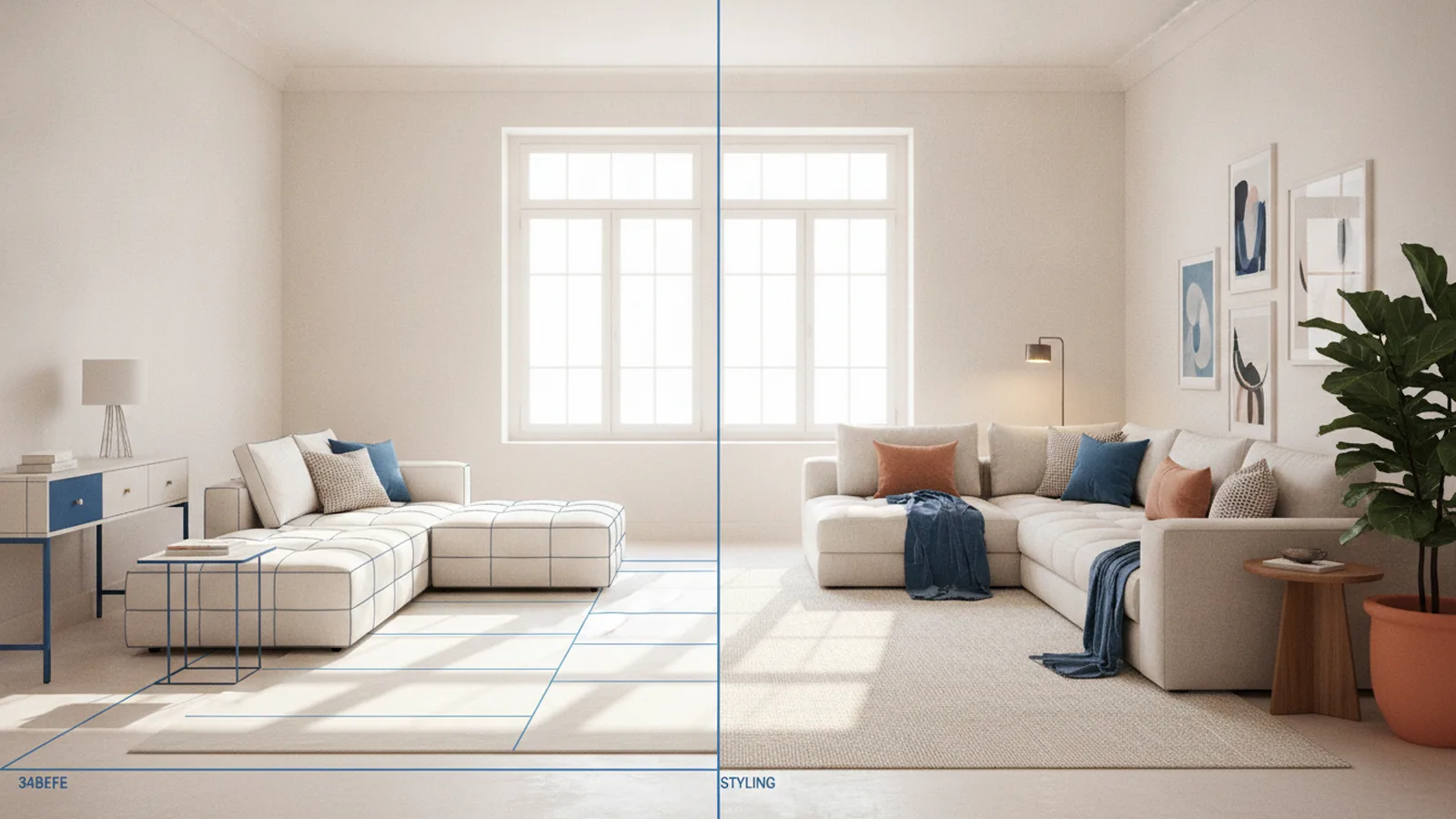
Quick answer: design vs decoration
The difference between an interior decorator and an interior designer is scope. Designers plan how a room works. Decorators focus on how a room looks.
Interior designers often handle layout and structural changes. They use space planning to shape flow and function. They also think about rules that affect build work.
Interior decorators enhance a room’s style. They pick furnishings, colors, and accessories. This is about aesthetic appeal, not wall changes.

What interior design and interior decoration usually cover
Interior design is the broad job of shaping a space. It aims for both function and safety. It also guides how people move through rooms.
Interior decoration is the look-focused side of a space. It improves comfort through details. It can also boost mood with color and light.
Some projects mix both jobs. A designer may still choose finishes and styling. A decorator may suggest simple room swaps.
- Interior design: space planning, build-ready choices, and rule checks
- Interior decoration: furnishings, colors, and styling for a fit look
- Both: making a space feel put together
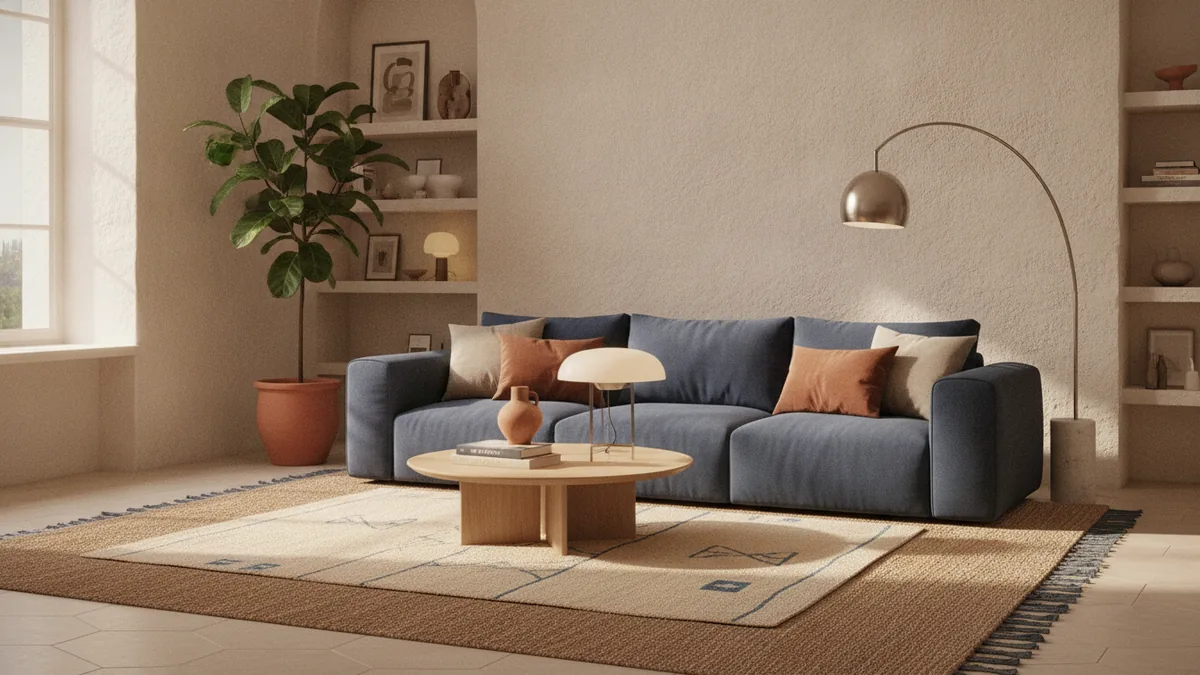
Roles and responsibilities of interior designers
Interior designers help shape how rooms are set up. They start by learning the client’s needs and limits. Then they turn goals into a clear plan.
Designers often use space planning to set room flow. They also think about storage and work paths. This affects how the space functions each day.
Many designers also know how build work happens. They can plan built-ins and openings that match the plan. They may also help coordinate trades.
- Space planning for flow, use, and layout fit
- Build-aware choices for walls, doors, and built-ins
- Rule checks for safety and access needs
- Design documents that help teams build the plan
- Project management support with vendors and timing
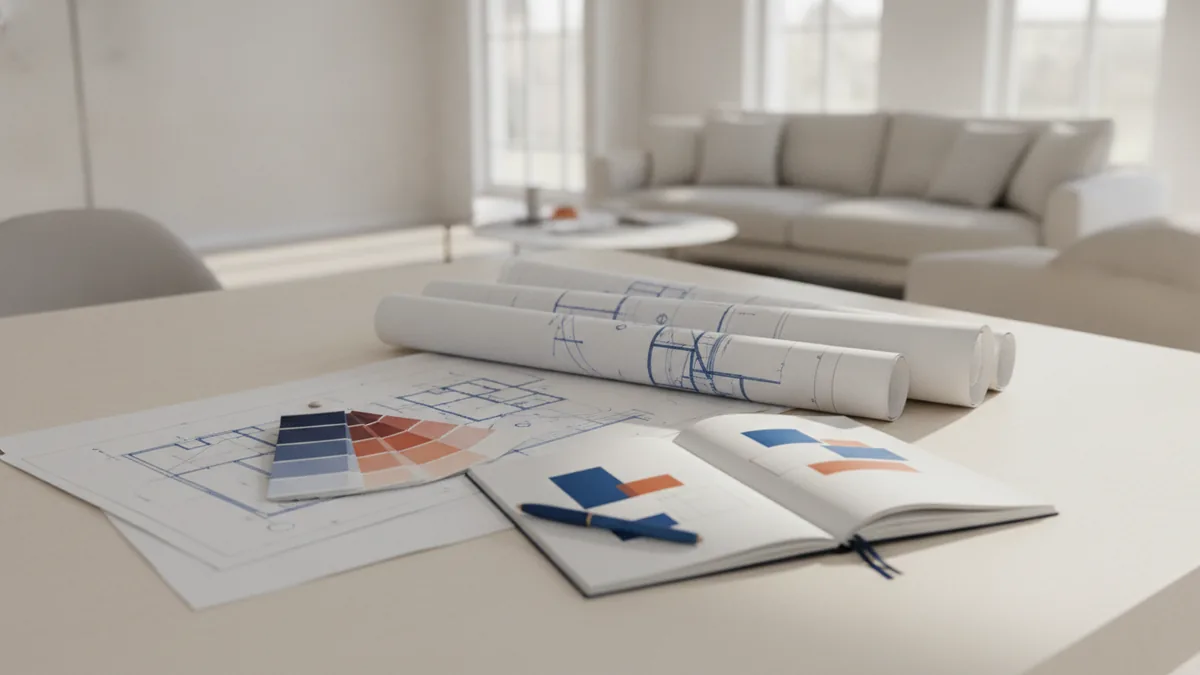
Roles and responsibilities of interior decorators
Interior decorators improve a space’s look and feel. They work with what is already there. They focus on styling, not major build changes.
Decorators pick furnishings, colors, and accessories for a clear theme. They match textures, scale, and tones across rooms. Lighting choices also shape how colors appear.
Many decorators also handle sourcing and setup. They may order items and schedule deliveries. Then they style the final look on site.
- Review the space and note your style goals
- Pick a color path and key materials
- Select furniture, rugs, window items, and decor
- Plan delivery and placement steps
- Refine the look for balance and scale
Educational requirements for designers and decorators
Many people ask, “what is the difference between interior decorator and interior designer?” Education is one part.
Interior designers often need formal study in interior design. Some regions also require a license. This helps confirm design qualifications for higher-risk work.
Interior decorators may not need the same path. Many learn through work experience and short courses. Requirements vary by place and project type.
Rules change by region. So confirm local needs before you hire. This also helps avoid scope mix-ups.
Key skills and tools used in each role
Both roles need taste and strong client talk. They also need clear steps and good follow-through. Still, the tools and depth differ.
Interior designers use tools that support layout work. They may use draft tools to share room plans. They often prepare docs for build teams.
Designers also rely on math and build sense. They must match sizes and clearances. One mistake can block doors or make paths hard.
Interior decorators use tools for style direction. They build mood boards and shopping lists. They also plan furniture layout for comfort.
Decorators focus on scale and balance. They must avoid a “tiny rug” problem. They also consider how light changes color.
| Area | Interior designer focus | Interior decorator focus |
|---|---|---|
| Planning | Layout and room flow | Style plan and room look |
| Structure work | Built-ins and openings guidance | Furniture and decor placement |
| Rule depth | Safety and access needs | Finish choices and style fit |
| Common outputs | Room plans and build-ready docs | Sourcing lists and styling steps |
Career path: designer vs decorator (and earning potential)
Career paths in design can start in many ways. Some begin by styling rooms for friends. Others start with a design degree and then build a client base.
In many markets, interior designers earn more. The main reason is higher risk work. They can also take on more project management and build coordination.
Interior decorators can still earn well. That is common when they focus on high-end styling or staging. Their value is speed, taste, and sourcing skills.
So the gap depends on your local market. It also depends on skill level. A great decorator can out-earn a new designer.
Can you be both an interior designer and decorator?
Yes. Many pros do both kinds of work. This is how “can you be both an interior designer and decorator” often plays out in real life.
A qualified interior designer can also do decoration. They can pick finishes and style the final look. This helps keep one vision across the full project.
A decorator without design training should not do design work. They should not claim layout and rule-based skills. Decoration is not a free pass to do design.
Ask what each person will handle. Ask what they are trained to do. Then match roles to your project needs.
Conclusion: choosing the right professional for your project
Choosing between interior designer and decorator is easier when you list your goals. Need layout changes or built-ins? Hire an interior designer.
Want a new look without changing structure? Hire an interior decorator. This is the core interior designer vs interior decorator split.
Think about timing too. Designers often start early for space planning. Decorators often shine once big choices are set.
Both can work together on one project. They just work at different stages. That is the practical “between designer and decorator” answer.
Ask for a clear scope in writing. Ask what deliverables you get. Then you can plan your budget with less risk.
Frequently asked questions
- What is the difference between interior decorator and interior designer?
- Interior designers plan layout and structural choices. They also often check rules that affect safety. Interior decorators pick furnishings, colors, and styling for aesthetic appeal.
- What is the difference between interior designer and decorator?
- Interior designers typically handle layout and build-ready plans. Interior decorators typically choose and place decor without changing structure.
- Can you be both an interior designer and decorator?
- Yes. A trained interior designer can also do decoration work. A decorator without design training should not do design work that needs design qualifications.
- What does an interior decorator do for a client?
- They choose furniture, textiles, colors, and accessories to match a clear theme. They may also help source items and style the final room.
- What does an interior designer do beyond decorating?
- They shape how the space is set up and used. They may create plans that builders can follow. They may also consider safety and access needs tied to layout choices.
- Which professional should I hire for a layout change?
- Hire an interior designer. Layout changes usually fall under interior design scope, not decoration.
Related reading
Couch Placement — Comfort, Flow, and Style
Arrange couches for easy movement, good conversation, and a balanced room.
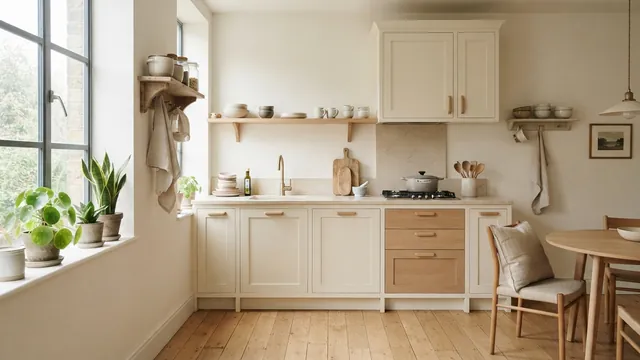
Small Kitchen Design — Light, Space and Smart Storage
Use light, smart storage, and slim furnishings to make a small kitchen feel more open.
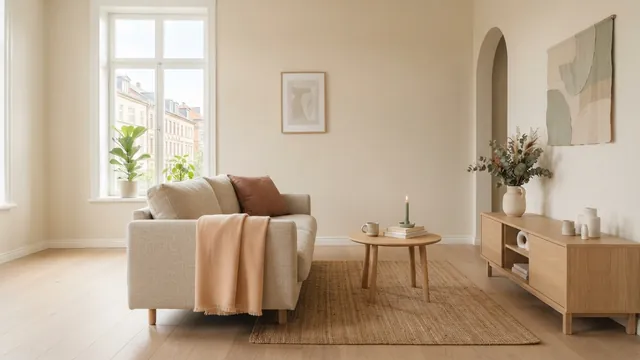
Living Room Paint — Measurements and Buying Tips
Measure your walls, count coats, and buy the right amount of living room paint.