Interior Design Degrees — Careers and Study Paths
Explore interior design careers, study options, and routes into the field.
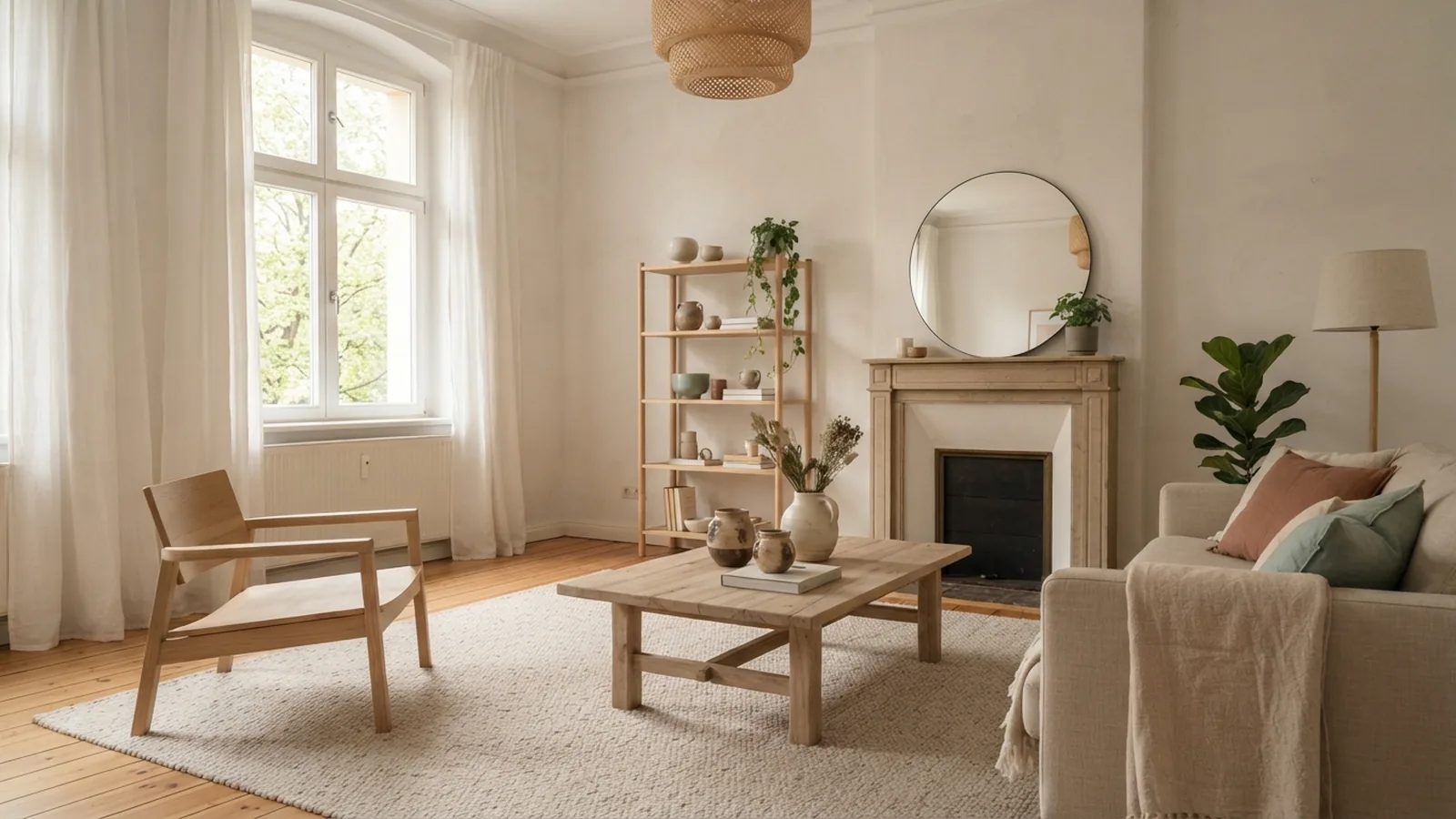
What an interior design degree can offer
What can i do with an interior design degree? You could plan homes, shops, hotels, or offices. Other paths include visual merchandising, furniture design, and project support. Your options depend on your skills, work samples, and the roles near you.
Interior design study can teach you to shape spaces around how people use them. You may learn to plan layouts, pick materials, create drawings, and present ideas. Many courses also help you build a portfolio. That portfolio gives employers a way to judge your work.
What can you do with an interior design degree beyond design work? Some graduates move into design sales, styling, or work with furniture and homeware brands. Others focus on one kind of space, such as retail or housing. The field has room for several interests.
A degree does not promise a job or a set career path. Experience, clear communication, and strong work samples matter too. Many new graduates start in support roles. They build skills before leading projects.
- Interior designer: plans spaces and works with clients and suppliers.
- Visual merchandiser: plans product displays and shop spaces.
- Furniture designer: develops furniture shapes, uses, and materials.
- Design assistant: helps with drawings, samples, and project tasks.
Career paths, from assistant to specialist
Many people begin as an interior design assistant. They may help with research, sample boards, drawings, schedules, or client notes. They can also attend site visits and track orders. This work shows how a design project moves from idea to finished space.
With experience, an assistant may take on small projects or join client consultations. A full interior designer role often calls for skill in planning, budgets, and deadlines. Career progression in interior design varies by firm and location. Some people work for a studio, while others join a shop or start a small practice.
Other jobs suit more focused interests. Visual merchandisers shape how products appear in shops. Furniture designers focus on form, use, materials, and making. Interior architecture may suit people who want to work on room layouts and the built form.
Think about the work you enjoy before choosing a path. Do you like meeting clients, drawing plans, or finding materials? Look for early roles that let you practice those skills. A good first job can teach more than its title suggests.
- Design project coordinator: tracks costs, orders, and timelines.
- Stylist: selects furnishings and finishes for a space or shoot.
- Design sales adviser: helps clients choose furniture or finishes.
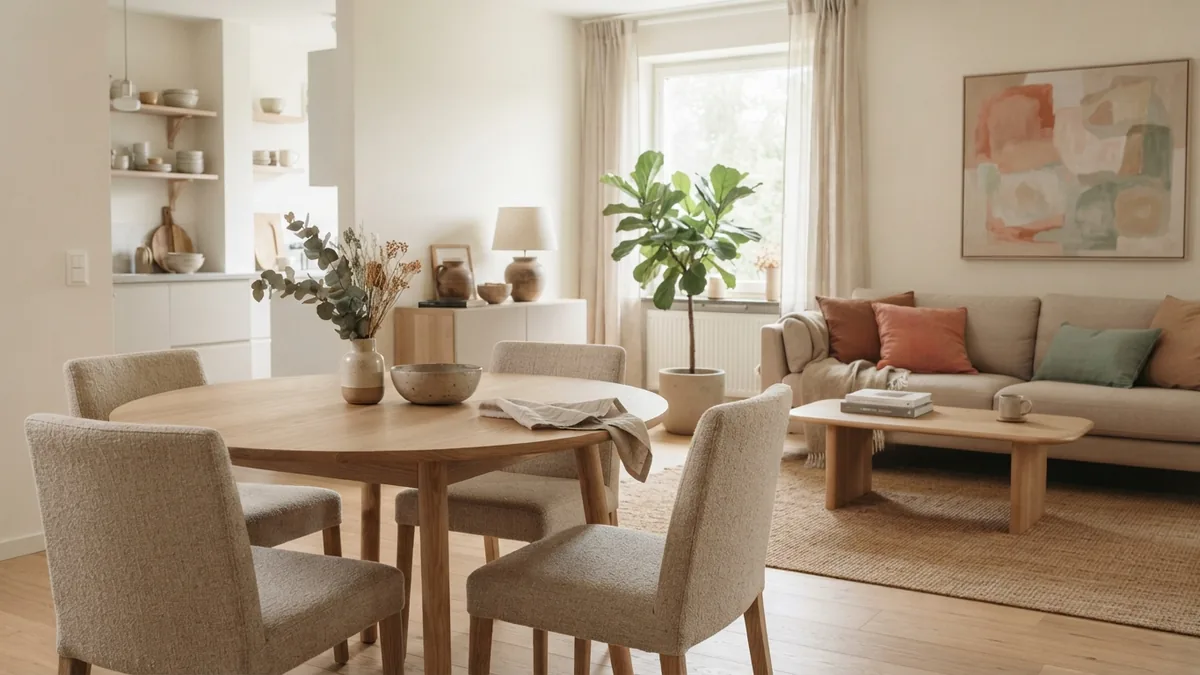
Skills interior designers use every day
Creativity helps you make a room fit its purpose and mood. It is not just about choosing colors or cushions. You may need to open up a small room or add storage without blocking a path. Good design solves real needs.
Attention to detail matters when you measure a room or check a plan. A small mistake can affect fit, lighting, or timing. Good designers also listen well. They ask clear questions and turn a client’s needs into choices the client can review.
Design software helps you show plans and room views. Some roles ask for computer-aided design or 3D modeling skills. Check job ads before choosing a course, since firms use different tools. Practice with the tools your target employers name.
Project management is useful because design work has costs, orders, and deadlines. Designers need to track changes and keep people up to date. Some jobs also call for knowledge of building codes and local rules. Know when a task needs a qualified trade or specialist.
A strong portfolio should show how you think, not just polished room views. Include sketches, plans, material choices, and brief notes on each design problem. Show the steps from the client’s need to your final plan. This helps employers see your judgment.
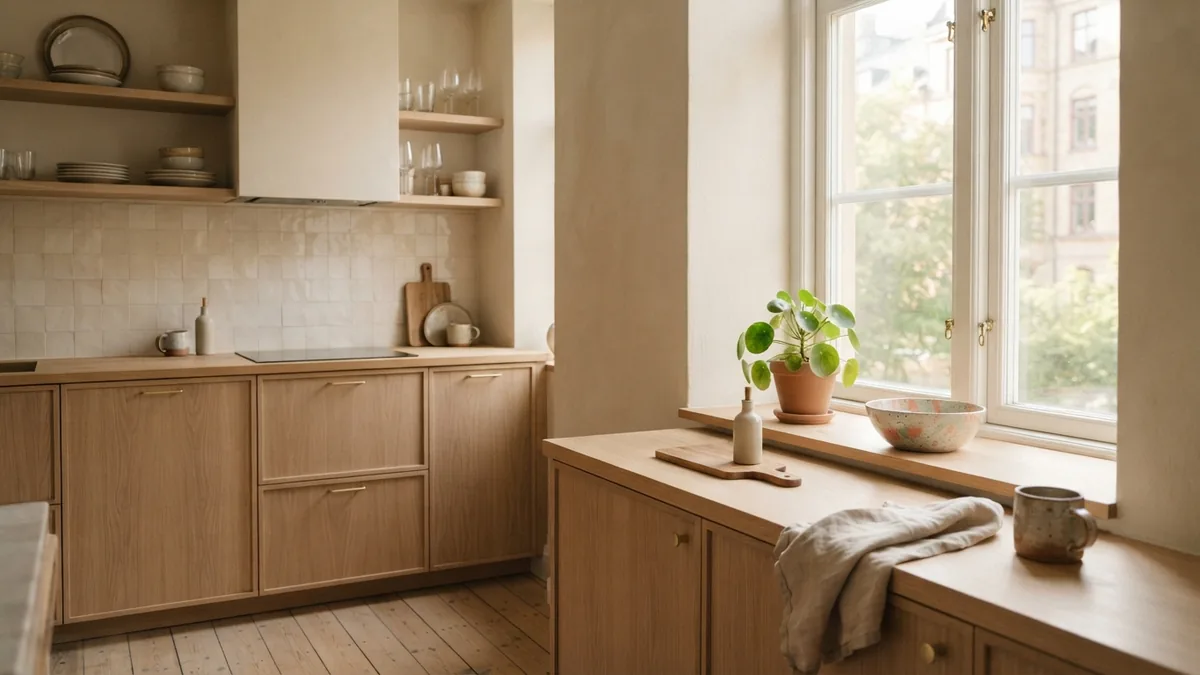
Choosing a degree or other study path
What degree for interior design? There is no one answer for every job or country. Study options include college courses, diplomas, certificates, and university degrees. Some people also take short courses to build a single skill.
What is a bachelor degree in interior design? It is an undergraduate course that often covers space planning, drawing, materials, and design projects. Course content differs by school. Check the work students complete, the time spent in studios, and the support for work placements.
How to get a degree in interior design starts with comparing course entry rules, costs, and study time. Look for software lessons, portfolio work, and links with employers. Ask how students gain real project experience. A course name alone cannot show how well it prepares you.
Is an interior design degree worth it? It can be a sound choice if you want structured study, guided projects, and time to build a portfolio. Yet the cost and time may not suit everyone. Compare the course with your career goal and local job needs.
Professional groups can help graduates meet others and learn about the field. The British Institute of Interior Design offers networking and career development. Check its current membership rules and events before you join. Some roles may also value professional certifications in interior design.
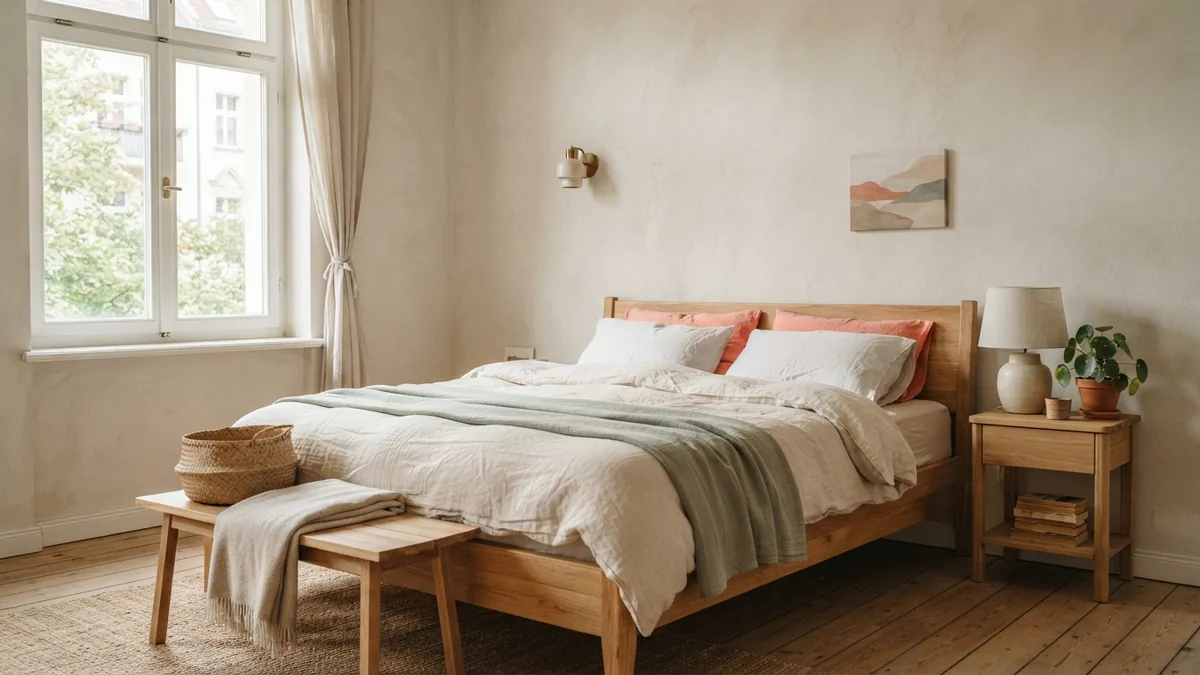
Online interior design degrees and courses
Can you get a degree in interior design online? Yes, some schools offer online degree programs. Course format and studio work vary. Check how lessons, feedback, software training, and group projects work before you apply.
Can you get an interior design degree online and still build a useful portfolio? Often, yes. Look for courses that ask you to make plans, present ideas, and revise work after feedback. A course made only of recorded talks may offer less practice.
Virtual design courses can suit people who need flexible study. Some lead to a degree, while others offer short training or a certificate. Check who teaches the course and what you will make. Ask if the school offers help with placements or job searches.
Before you sign up, check whether the course fits the roles you want. Review the software list and student work. Ask how often teachers give feedback. Also confirm that the course level and award meet local employer needs.
Can you work in interior design without a degree?
Can you do interior design without a degree? In some roles, yes. Do you have to have a degree for interior design? Not always. Rules vary by place and job, so check local requirements before taking on work.
How to get into interior design without a degree often starts with a junior role, short course, or work with a local studio. Build a portfolio with clear plans and notes about your choices. Volunteer projects can help, but agree on the work and terms first.
How to do interior design without a degree depends on the skills you can show. Learn to measure spaces, make plans, use design software, and speak with clients. Get feedback from a skilled designer. Take on work that matches your skill and legal scope.
Do you need an interior design degree to become a designer? Some employers ask for one, while others focus on work samples and experience. A degree can give you a set path and expert feedback. Self-study can cost less, but you must find ways to gain practice and honest review.
What degree is best for interior design? Pick a course that fits your target role, budget, and learning style. What degree to get for interior design depends on local job rules and the work you want. Whether you ask what can i do with a interior design degree or what to do with an interior design degree, start by matching your strengths to real job tasks.
Frequently asked questions
- What can you do with an interior design degree?
- You can work as an interior designer, visual merchandiser, furniture designer, or project coordinator. Some graduates also work in styling or design sales.
- Can you get an interior design degree online?
- Yes, some schools offer online degree programs. Check how they teach studio work, software, and portfolio skills.
- Do you need an interior design degree to become a designer?
- Not always, though some employers ask for one. Local rules and job needs vary, so check them before you choose a path.
- What degree is best for interior design?
- Choose a course that matches your target role, budget, and preferred way to learn. Compare course work, costs, and job links.
- Is an interior design degree worth it?
- It can be worth it if you want guided study, project feedback, and time to build a portfolio. Compare its cost and time with your goals.
Related reading
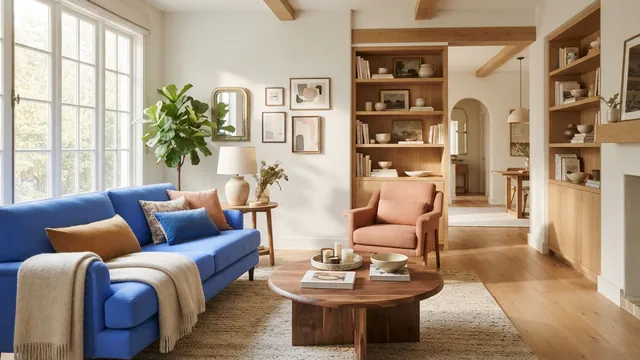
Interior Design vs Interior Architecture: What Sets Them Apart
See how interior design and interior architecture differ in focus, skills, and career paths.
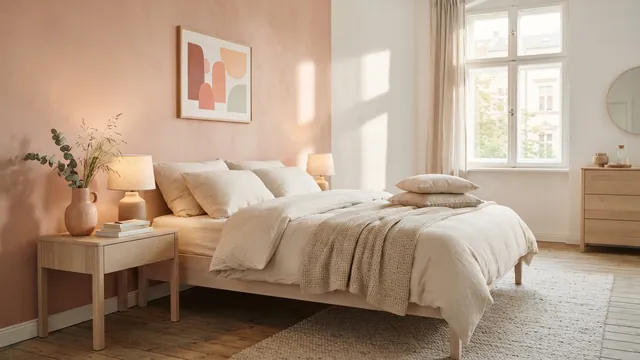
Decorating a Pink Room — Color, Texture and Warmth
Use balanced color, layered textures, and warm light to make a pink room feel personal.
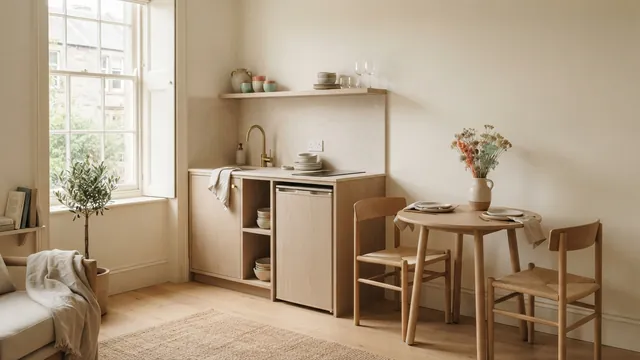
Hotel Rooms With Kitchens — Names and Room Types
Learn the names, features, and benefits of hotel rooms with kitchens.