Why Interior Design Matters in Everyday Life
See how thoughtful design makes spaces work, feel, and look better.
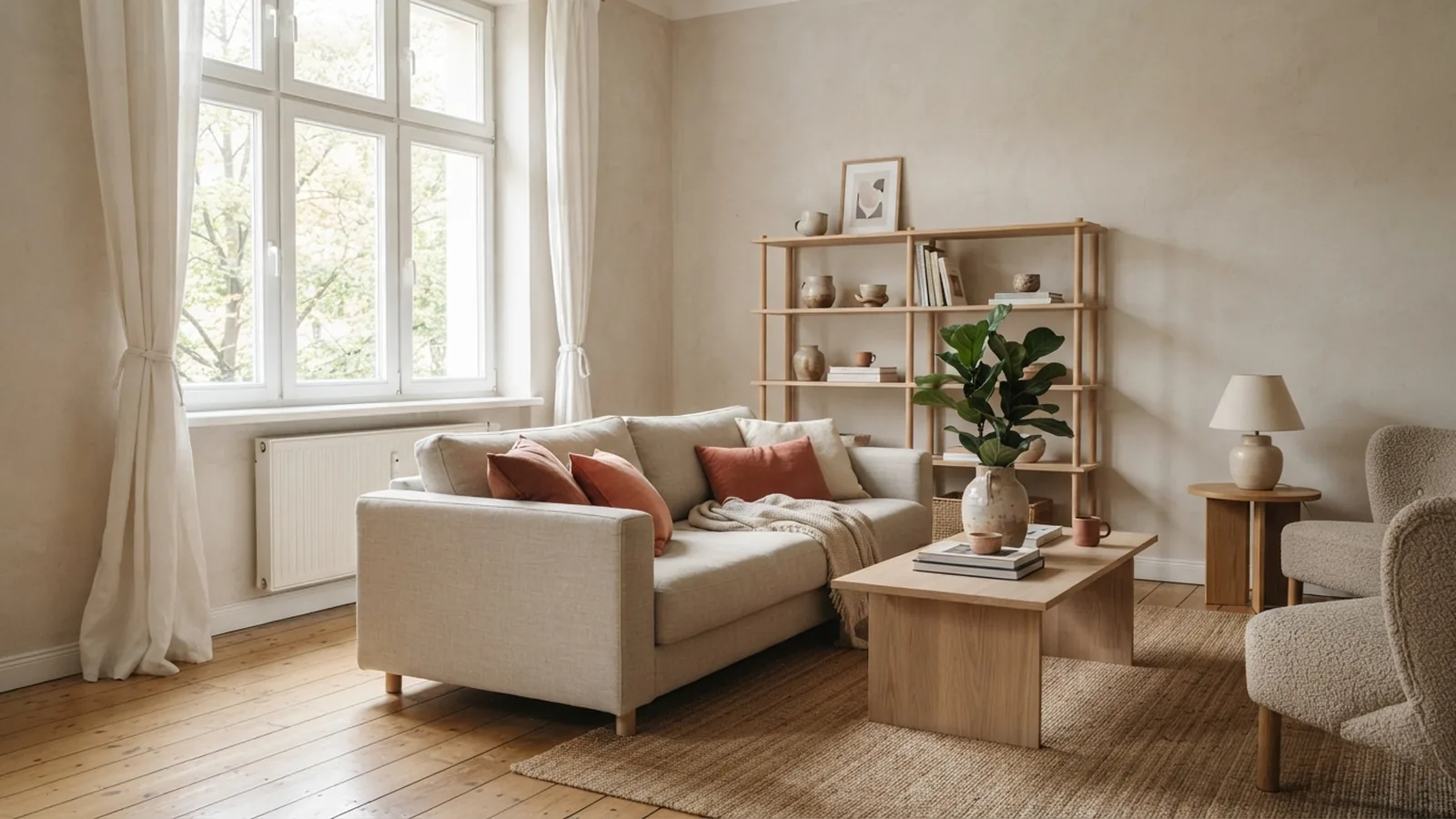
The Importance of Interior Design
The most important thing in interior design is how well a space supports daily life. Good design makes rooms easier to use, more pleasant to see, and better suited to the people who live there. It joins practical planning with artistic choices. That balance explains why interior design matters.
A well-planned room can improve movement, storage, comfort, and focus. It can also make a small home feel calmer and more open. Design affects what people notice first and how they move through a space. Even small changes can create a clear shift.
Interior design also protects long-term value. Durable materials can reduce waste and repair costs. Flexible furniture can serve changing needs over many years. A thoughtful home environment supports both comfort now and better choices later.
- It improves how people move and work within a room
- It creates visual balance and a clear sense of place
- It supports comfort, rest, focus, and social time
- It helps spaces reflect the needs of their users
The Key Elements Behind Effective Design
Strong interiors rely on several linked choices. Space planning sets the path through a room. Furniture arrangement then supports that path. Color, texture, shape, and scale build the room’s visual character.
Designers also study the room’s structure and limits. They check window positions, ceiling height, door swings, and power points. These details guide choices before anyone buys furniture. Good planning prevents costly changes later.
Balance does not mean every object must match. It means the room feels stable and easy to read. Contrast can add interest through color, shape, or texture. Rhythm can repeat a material, curve, or hue across the room.
| Element | What it controls | Simple example |
|---|---|---|
| Space planning | Movement and use | A clear path from sofa to door |
| Scale | Visual weight and comfort | A rug large enough for the seating group |
| Color | Focus and atmosphere | Warm neutrals for a calm bedroom |
| Texture | Depth and sensory interest | Linen beside pale oak and matte plaster |
Why Lighting Shapes a Room
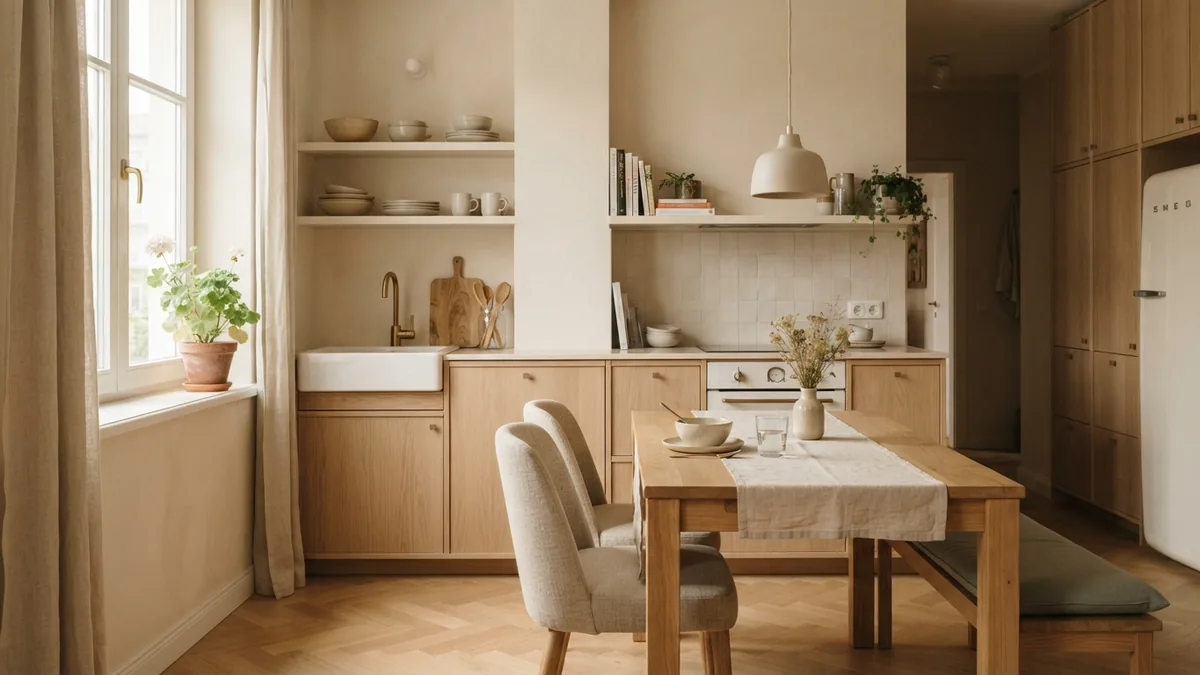
Lighting changes how a room looks and how people use it. It can make colors seem warmer or cooler. It can draw attention to a table, artwork, or reading chair. It can also make a narrow room feel more open.
That is why lighting is important in interior design. A good plan uses three layers. Ambient light fills the room. Task light helps with work. Accent light adds focus and depth.
Natural light should guide the plan from the start. Watch how sunlight changes during the day. A north-facing room may need warmer bulbs and pale surfaces. A bright south-facing room may benefit from soft curtains and shaded lamps.
- Use ceiling or wall lights for broad room light
- Add focused lamps for desks, beds, and kitchen worktops
- Use small accent lights to highlight art or texture
- Choose warm bulbs for rest areas and softer evenings
Light placement matters as much as light strength. A bare bulb can cause glare on screens and polished surfaces. Several softer sources often feel more comfortable. Dimmers give one room more than one useful mood.
Interior Design, Mood, and Well-Being
Rooms affect mood through light, sound, color, order, and touch. A busy room can make rest harder. A calm room can help the mind slow down after work. This link between space and feeling is often called the psychology of space.
Color can shape the first impression of a room. Soft greens and warm neutrals often feel quiet. Muted terracotta can add warmth without harsh contrast. Personal response still matters more than a fixed color rule.
Comfort also comes from practical details. A clear bedside path helps at night. Closed storage can reduce visual noise. Natural fabrics and plants can make a room feel softer and more grounded.
- Keep daily items close to where they are used
- Reduce glare near desks, beds, and screens
- Leave open space around key furniture
- Mix soft textures with easy-care surfaces
Good design does not promise to solve every mood issue. It can still remove small sources of stress. That support has real value in a home, office, or care setting.
Balancing Function and Beauty
Functionality and aesthetics should work together. A beautiful chair fails if nobody can sit in it with ease. A useful room can still feel cold if every choice ignores shape and color. The best result meets practical needs without losing charm.
Interior designers ask how a room will work each day. They consider storage, cleaning, safety, access, and comfort. They also study the client’s habits and goals. This is the practical side of the role of interior designers.
The artistic side gives the room its identity. Designers shape a palette, choose materials, and set a visual pace. They may pair rough plaster with smooth ceramic. They may use repeated curves to create a gentle rhythm.
Start with the room’s main task. Then test each choice against that task. A dining area needs clear seating and enough light. A hallway needs safe movement and useful storage.
- List the room’s main tasks and users
- Measure walls, doors, windows, and key furniture
- Set paths before choosing decorative pieces
- Choose materials that suit wear, care, and budget
- Add color, texture, and art after the layout works
How Design Reflects Personal Style
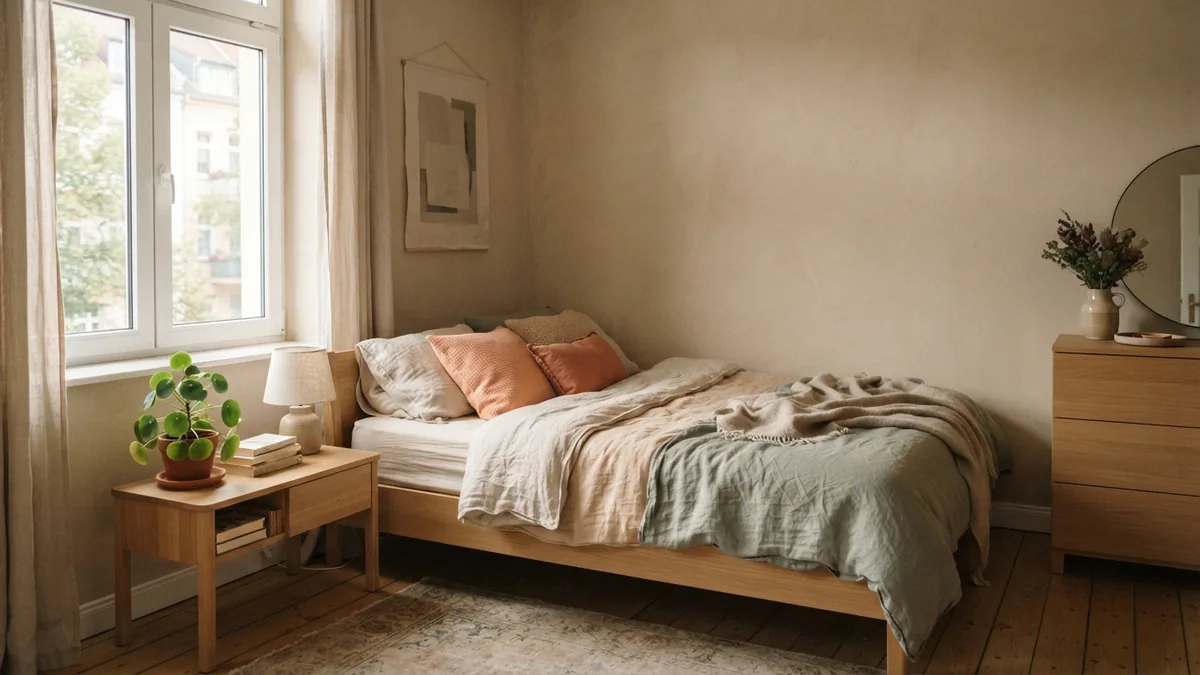
Personal style grows from repeated choices. It may show through color, furniture, art, fabric, or the amount of open space. A person who values calm may choose pale wood and simple forms. Someone who enjoys rich detail may choose layered textiles and handmade objects.
Style does not require one strict design label. A home can blend Japandi, coastal, farmhouse, or Scandinavian ideas. The key is a shared mood and a clear reason for each choice. This keeps the room personal instead of copied.
Design choices can also record a life story. A vintage table may recall family meals. Local pottery may connect a room to a place. Travel finds can add meaning when they support the room’s wider palette.
Begin by noting what you already love. Gather colors, shapes, and materials that keep drawing your eye. Remove items that serve no use and carry no meaning. The result should feel like you, not a showroom.
- Choose a small group of colors that work well together
- Keep objects with use, beauty, or personal meaning
- Repeat one or two materials for a calm visual link
- Leave room for the style to grow over time
History, Trends, and the Designer’s Role
Interior design has a long history shaped by craft, trade, culture, and new tools. Older homes still influence today’s room plans and materials. Mid-century furniture inspires clean lines. Traditional craft supports renewed interest in repair and handmade work.
Current design trends often return to past ideas with new needs. Natural materials now meet demands for lower waste. Flexible rooms answer smaller homes and changing work habits. The past offers useful lessons, but it should not limit fresh thinking.
Interior designers connect those lessons with client needs. They turn broad wishes into plans for layout, light, materials, and cost. They also work with builders, makers, and suppliers. Their value lies in joining many small decisions into one clear result.
Their work can support sustainability in design. They may reuse sound furniture or choose materials with long lives. They can plan for repair instead of quick replacement. Better choices often begin with a room that is planned well.
So, why do we care about interior design? We care because spaces shape daily actions and feelings. Design helps a room serve its purpose while expressing the people inside it. That is why interior design remains both useful and interesting.
Frequently asked questions
- What is the most important thing in interior design?
- The most important thing is how well the space supports daily life. Layout, comfort, light, and personal needs should guide the main choices.
- Why is interior design important?
- Interior design improves both function and beauty. It can make rooms safer, calmer, easier to use, and more suited to their users.
- Why is lighting important in interior design?
- Lighting affects how people see colors, move through rooms, and complete tasks. Layered light can support work, rest, and visual focus.
- How does interior design affect mood?
- Light, color, sound, texture, and order can shape how a room feels. Thoughtful choices may reduce small daily stresses and support rest.
- Why are interior designers important?
- Interior designers bring practical and artistic skills together. They plan layouts, materials, light, and costs around the client’s needs.
Related reading
Interior Design vs Interior Architecture: What Sets Them Apart
See how interior design and interior architecture differ in focus, skills, and career paths.
Piano Room Decor — Style, Sound and Everyday Use
Make your piano room feel calm, useful, and beautifully connected to the rest of your home.
Room Squaring — Set the Floor Lines Right
Set accurate floor lines before you start laying planks or boards.