Interior Design — Roles, Skills, and Career Paths
See how interior designers shape useful, safe, and beautiful spaces.
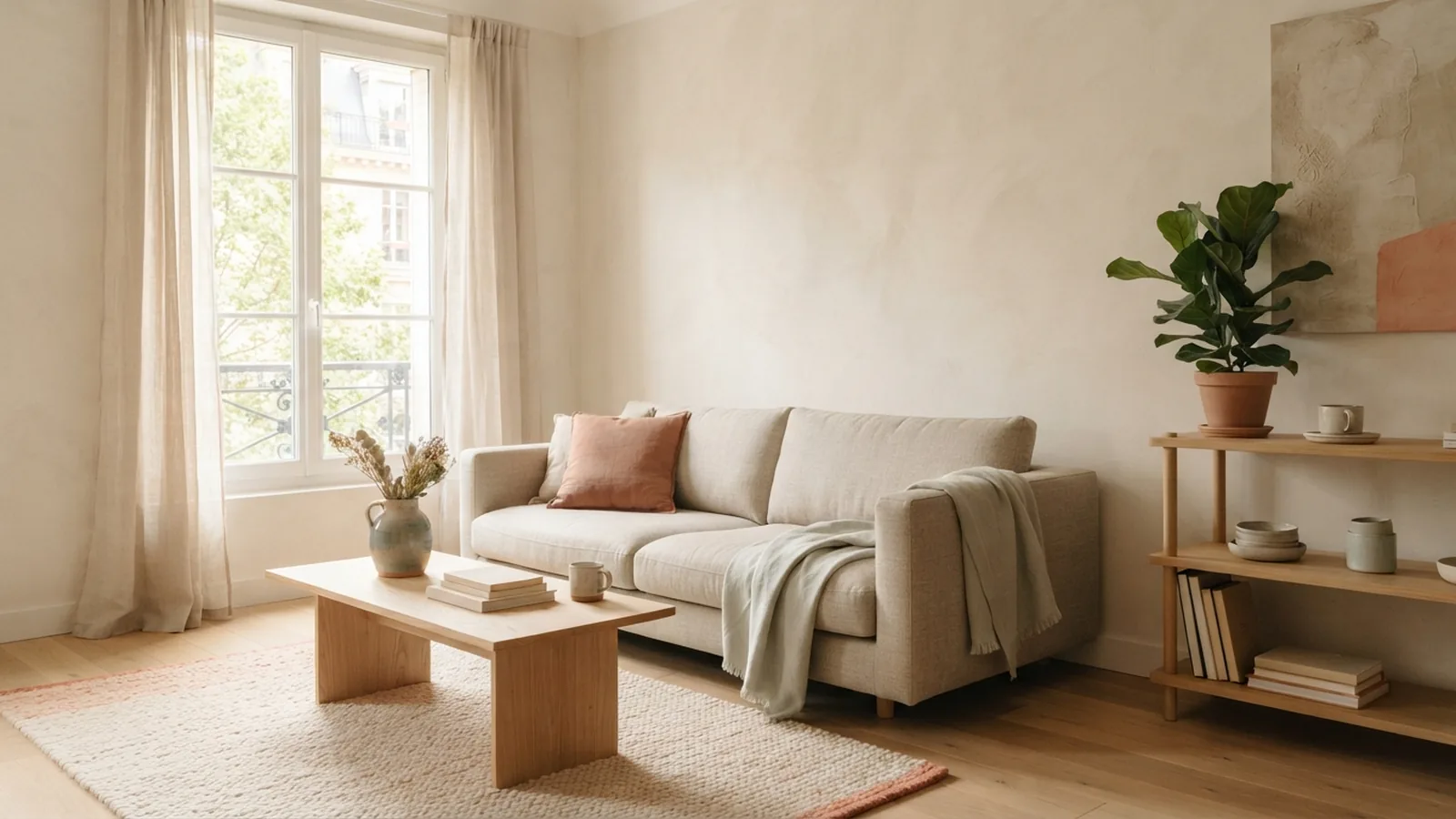
Overview of Interior Design
What do interior designers do? They shape indoor spaces for use, comfort, safety, and beauty. Their work covers homes, offices, hotels, shops, restaurants, and care settings.
What do interior designers design? They plan layouts, lighting, finishes, furniture, storage, and fittings. They may also guide changes to walls, doors, ceilings, plumbing, and power points.
What exactly do interior designers do depends on the brief. Some focus on room layouts and finishes. Others work on larger building changes with architects and engineers.
Good design does more than make a room look nice. It helps people move, work, rest, and feel calm. It can also save energy, cut waste, and support healthy indoor air.
Key Responsibilities of Interior Designers
Interior designer responsibilities start with questions. Designers learn how clients use a space, what they need, and what they can spend. They visit the site and record its size, light, noise, access, and risks.
Next, they build a plan for the space. Space planning places rooms, paths, storage, furniture, and work areas in useful spots. Designers then shape a concept that links the room’s look with its daily use.
Mood boards help clients see the planned feel. What do interior designers use for mood boards? They may use fabric samples, paint chips, finish samples, product photos, sketches, and digital boards.
Designers prepare drawings and product lists as the plan grows. What do interior designers use CAD to do? They use computer-aided design to draw plans, test sizes, set out furniture, and share accurate details with builders.
- Define the brief, budget, scope, and project goals
- Measure the site and study its limits
- Create layouts, concepts, and finish plans
- Select furniture, fixtures, fittings, and materials
- Check drawings, costs, orders, and site work
- Work with builders, suppliers, engineers, and clients
Designers also check local rules during the work. Building codes may cover fire safety, exits, wiring, plumbing, stairs, and access. They bring in the right experts when a task needs a licensed trade.
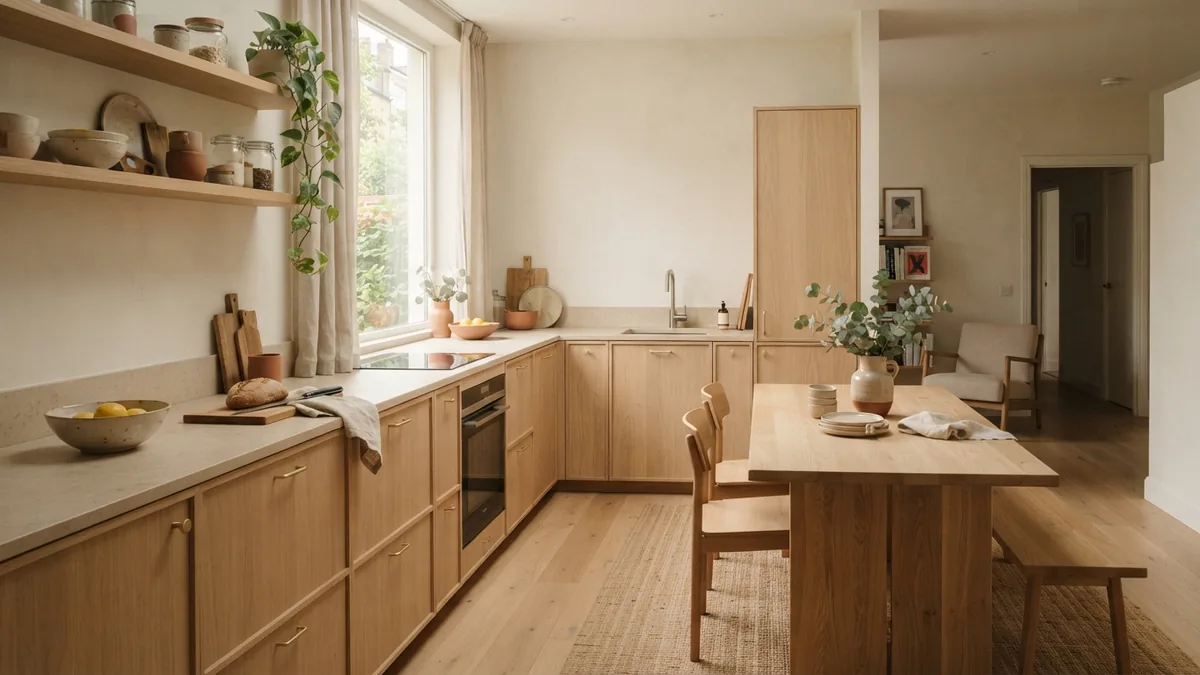
What Interior Designers Do on a Daily Basis
What do interior designers do on a daily basis? Their day may start with a client call, site visit, or design review. They may spend the afternoon on drawings, samples, costs, or supplier checks.
Daily work changes with each project stage. Early work may focus on research and layouts. Later work may focus on orders, site checks, finish details, and fixes.
They often balance several tasks at once. A designer may compare two tiles, answer a builder, and update a room plan. Clear notes help prevent costly mistakes.
| Project stage | Common daily tasks |
|---|---|
| Brief | Client talks, site visits, needs, and budgets |
| Concept | Layouts, mood boards, colors, and finish ideas |
| Detail | CAD plans, product checks, costs, and orders |
| Build | Site visits, questions, checks, and handover work |
What do interior designers wear to work? Many choose neat, practical clothes with safe shoes. Site visits may call for hard hats, high-visibility gear, or other safety wear.
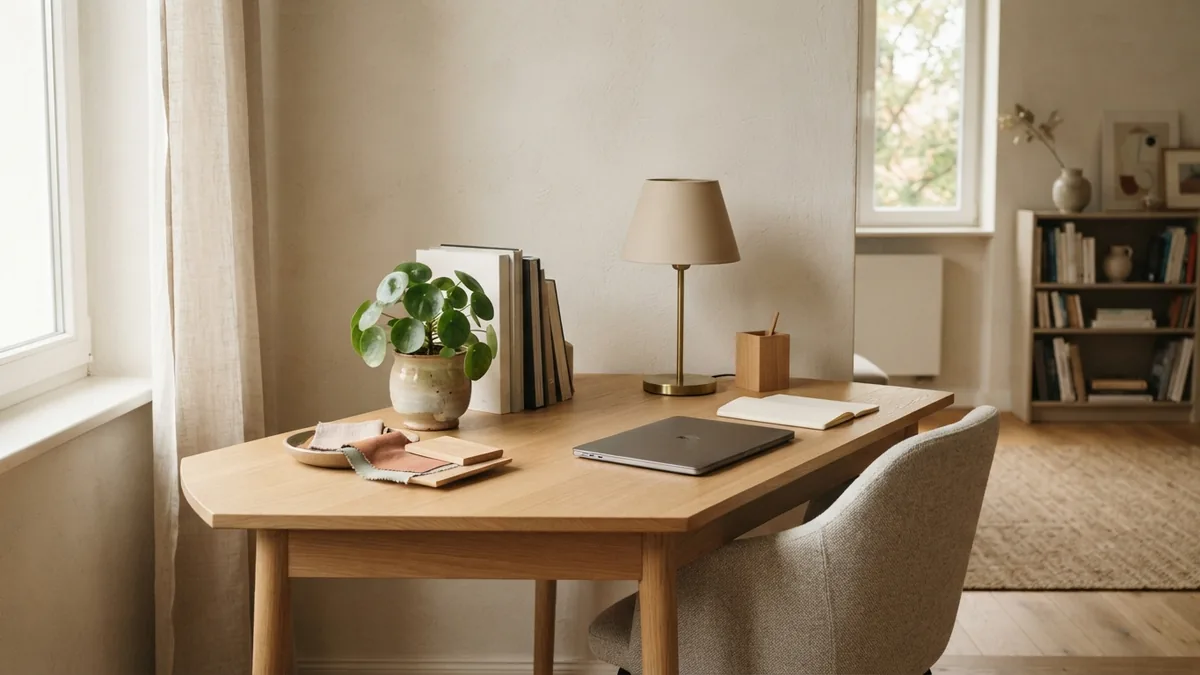
Skills Required for Interior Designers
Skills for interior designers fall into two broad groups. The first group covers design and craft. The second covers planning, teamwork, and client care.
Designers need to read plans, judge scale, and understand materials. They must also grasp light, color, sound, heat, and movement. Basic math helps them check sizes, quantities, and costs.
Strong people skills matter just as much. Clients may struggle to explain what feels wrong in a room. An empathetic designer turns vague needs into clear choices.
Designers also need sound judgment. They must weigh beauty, cost, care, safety, and impact. A good choice should suit the room and the people who use it.
- Creative thinking and a sharp eye for detail
- Clear drawing, writing, and presentation skills
- Knowledge of materials, products, and building work
- Budget control, time planning, and problem solving
- Empathy, patience, and strong listening skills
- Care with safety, access, and local building rules
Different Types of Interior Design
Residential designers work on houses, flats, kitchens, bathrooms, bedrooms, and whole-home plans. They balance daily habits with comfort, storage, and personal taste.
Commercial designers work on offices, shops, schools, and public spaces. These projects often focus on flow, brand feel, work needs, and visitor safety.
Hospitality designers shape hotels, cafes, bars, and restaurants. They think about guest mood, service paths, cleaning, noise, and wear. Healthcare designers add needs such as hygiene, privacy, access, and safe movement.
| Project type | Main design concerns |
|---|---|
| Residential | Comfort, storage, routine, and personal style |
| Commercial | Work flow, access, strength, and visitor use |
| Hospitality | Guest mood, service, cleaning, and wear |
| Healthcare | Hygiene, privacy, access, and patient safety |
Some designers focus on interior architecture. This work may involve walls, stairs, ceilings, doors, and the building shell. Others focus more on finishes, furniture, and styling.
What is interior styling? It is the art of arranging colors, furniture, objects, and finishes for a chosen look. Styling may form part of a wider design service, but it does not always involve building work.
What is an interior room? It is a room placed within a building, often without an outside wall or window. On a cruise ship, an interior room is a cabin without a sea-facing window or balcony.
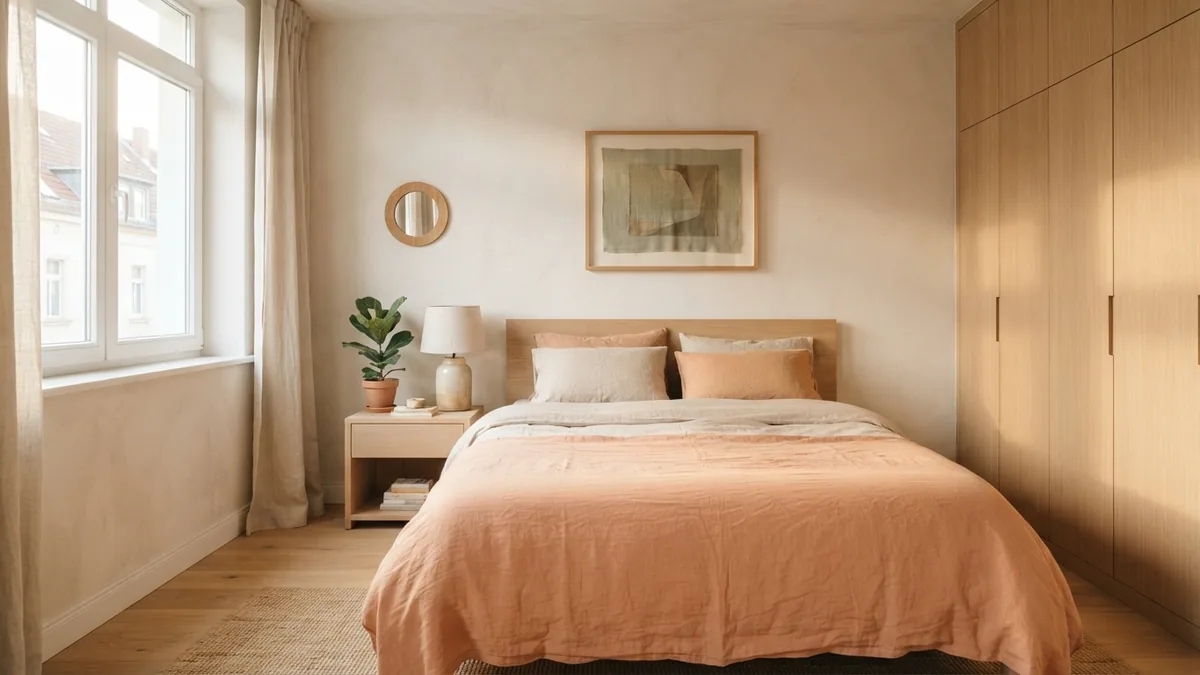
Impact of Interior Design on Well-being
Interior design affects how people move and feel in a space. Daylight can make rooms feel more open and support a steady daily rhythm. Clear paths can lower stress and reduce trip risks.
Good design also considers sound, heat, air, and touch. Soft finishes can reduce echo. Easy-clean surfaces can support hygiene. Natural materials can add warmth without heavy glare.
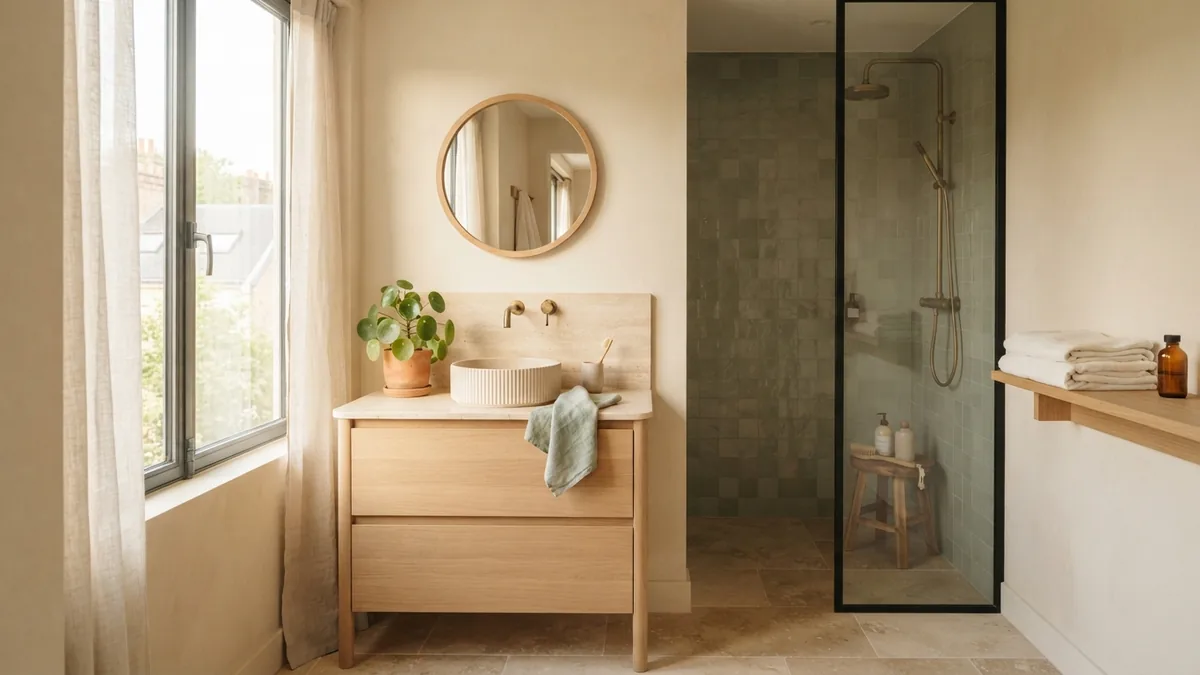
What interior colors are trending changes by place and season. Warm creams, soft sage, muted terracotta, oat, and pale wood remain easy to live with. The best color still depends on light, room use, and personal taste.
What is interior with virtual balcony? It usually means an interior room with a digital screen that shows an outside view. This feature can change the feel of a room, but it is not a real balcony.
Sustainability also shapes design choices. Designers can reduce waste by keeping sound features, choosing durable goods, and planning for repair. They can also review energy use, transport, and product life.
How to Become an Interior Designer
What do interior designers study? Common subjects include space planning, drawing, color, materials, lighting, building systems, and design history. Many courses also teach project work and client presentation.
What do interior designers major in? They may major in interior design, interior architecture, spatial design, or a related field. The right path depends on local rules and the type of work they want.
Training often combines studio projects with technical classes. Students learn to draw plans, build concepts, test materials, and explain design choices. Work placements can add useful site and client skills.
Before choosing a course, check its entry rules and course work. Some regions require a set degree, exam, or work period before practice. Professional groups and local bodies can explain the current path.
- Build a small portfolio with plans, sketches, and finished concepts
- Learn drawing tools and basic 3D design software
- Study materials, building work, safety, and access
- Gain site or studio experience through work placements
- Learn how to price work, track costs, and manage scope
What do interior designers make? Income varies by country, role, skill, and project type. In the United States, the U.S. Bureau of Labor Statistics profile of interior designers outlines work duties, pay data, and job trends.
What Interior Designers Charge
What do interior designers charge? They may bill by the hour, room, project, or a set design fee. Some also add a markup to products or charge for project management.
The price depends on scope, location, room count, and finish level. A concept plan costs less than full drawings, product orders, and site checks. Ask for a written scope before work starts.
A useful quote should list the work, fee basis, payment stages, and limits. It should also state what happens when the client changes the brief. Clear terms help both sides avoid surprise costs.
Interior Designers and Decorators
Interior designers often work with space, function, safety, and building systems. Decorators tend to focus on color, furniture, fabrics, art, and room styling.
The roles can overlap. A decorator may suggest a better furniture layout. A designer may also select cushions, art, and accessories.
The key difference is project scope. Choose a designer when walls, lighting, plumbing, access, or code issues matter. Choose a decorator when the room works well but needs a new look.
Frequently asked questions
- What do interior designers do?
- They plan and shape indoor spaces for function, comfort, safety, and beauty. Their work can include layouts, materials, drawings, furniture, and site checks.
- What do interior designers charge?
- They may charge by the hour, room, project, or set design fee. The price depends on scope, location, room count, and finish level.
- What do interior designers study?
- They often study space planning, drawing, color, materials, lighting, building systems, and design history. Many courses also teach client work and project planning.
- What do interior designers use CAD to do?
- They use CAD to draw plans, test room sizes, place furniture, and share accurate details with builders.
- What do interior designers wear to work?
- Many wear neat, practical clothes with safe shoes. Site visits may require hard hats, high-visibility gear, or other safety wear.
- What is interior styling?
- Interior styling arranges colors, furniture, objects, and finishes for a chosen look. It may form part of a wider design service.
Related reading
Room Painting Costs — What Shapes Your Quote
Room painting often costs $200–$1,000. See what drives the price and how to compare quotes.
Kitchen Cabinet Tops — Style, Texture and Seasonal Charm
Style cabinet tops with balanced layers, useful texture, and decor that suits your kitchen.
Couch Placement—Flow, Focus and Comfort
Place your couch to frame a focal point, keep paths clear, and make the room feel balanced.