How to Become an Interior Designer: Education, Experience & Next Steps
Learn the steps to become an interior designer, from education to licensing and portfolio.
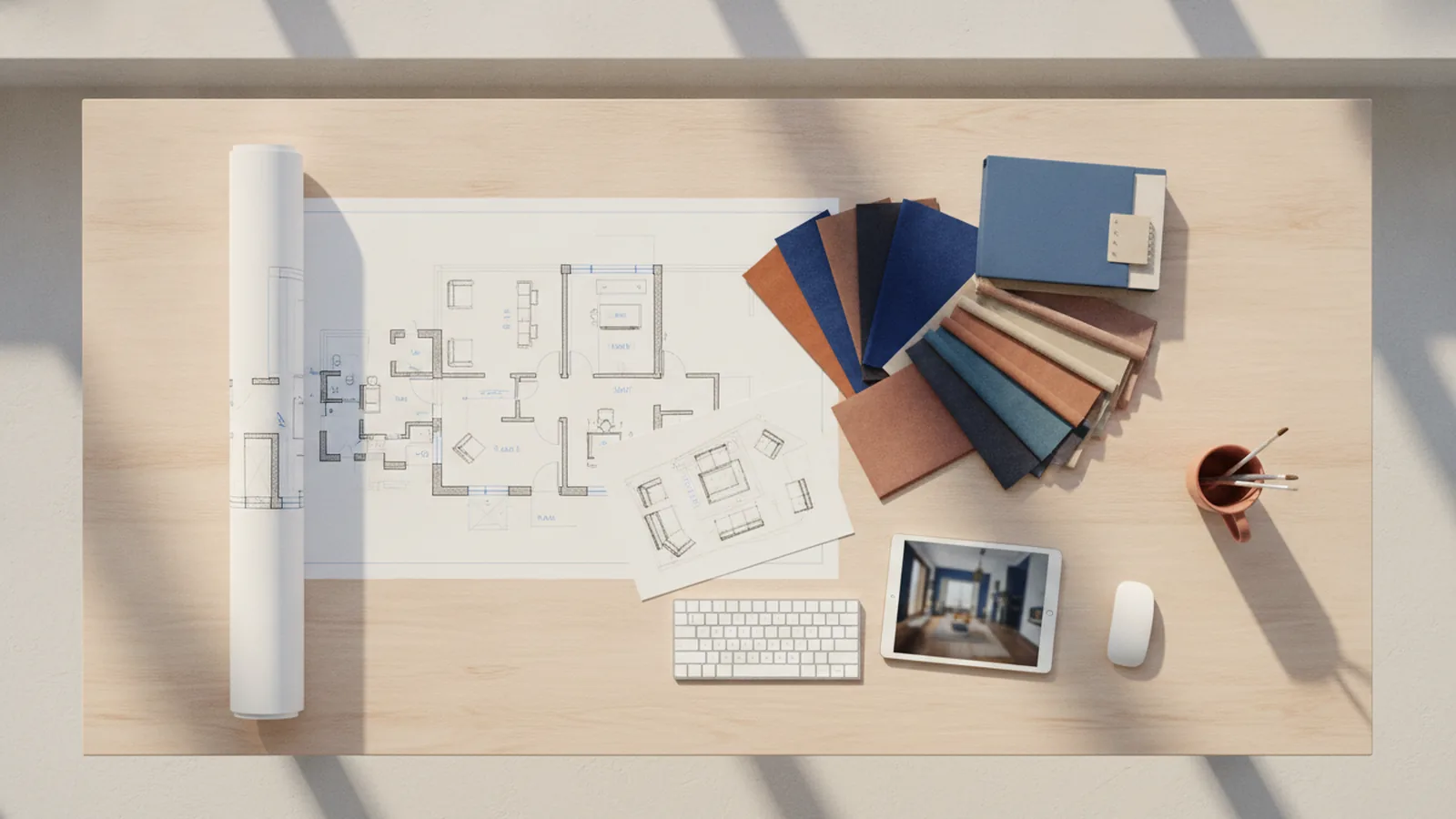
Understanding interior design basics
Interior design blends creativity and function. The goal is to make spaces look better and work better day to day. You balance style, comfort, and practical needs for the people using the room.
If you are asking how can i become an interior designer, start with the core work. You turn client goals into layouts, material picks, and buildable plans. You also plan lighting and use design principles to guide how each room feels.
Good interior designers think beyond trends. They plan storage, sight lines, and traffic flow. They also account for budgets, timelines, and what trades can actually build.
- Space planning and layout design
- Design principles for flow, proportion, and function
- Material and finish selection
- Lighting plans for mood and task needs
- Clear handoff documents for contractors

Educational pathways and interior designer education
Interior designer education can help you learn faster. It also gives you structure and feedback through studio projects. Many employers prefer a degree or diploma from an interior design program.
That said, a degree is not always mandatory. Some people follow hands-on experience plus focused self-study. If you are figuring out how to be an interior designer, treat education as a risk reducer.
Pick a pathway that matches the jobs you want. Residential roles often emphasize layouts, selections, and client presentations. Commercial roles may require more documentation and familiarity with building rules.
| Pathway | What you learn | Best for |
|---|---|---|
| Interior design degree or diploma | Design theory, drafting, studio work | You want clear structure and mentors |
| Related degree with interior focus | Design thinking and applied room work | You need transferable skills first |
| Work-first pathway | Hands-on experience with real constraints | You learn best on actual projects |
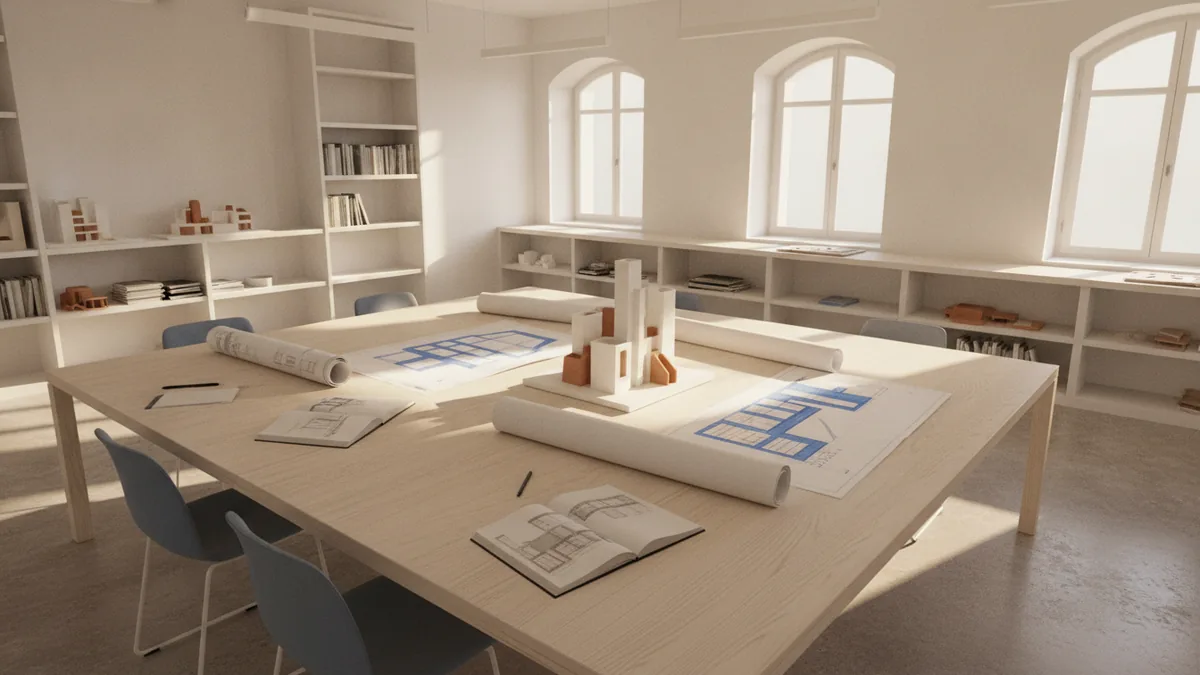
Gaining relevant experience through internships and firms
One of the clearest answers to how do you become an interior designer is practice. Internships and entry roles teach you real project timelines. They also show you how drawings get reviewed and revised with a team.
Start with roles like junior designer, design assistant, or studio support. You may help with finish schedules, layout revisions, and concept boards. Then you can move toward growth tasks like assisting with client meetings.
Experience also improves your client interaction skills. You learn to explain options in plain language and gather feedback. Over time, you become comfortable with design software your firm uses.
- Target internships or junior roles at design firms
- Learn the project flow from brief to handoff
- Practice with the design software your team uses
- Ask for feedback on boards, layouts, and finish plans
- Track what you changed and why for your portfolio

Certification and licensing requirements
Interior designer certification depends on where you live and what work you want to do. Some places require licensing for certain scopes. Others rely on voluntary certification or title rules. Employers may also prefer credentialed candidates for regulated projects.
If you are trying to map how to become an interior designer in your area, check local professional associations and regulators. Look for rules around sign-off work and protected title use. This tells you what education, supervised hours, or exams are needed.
In parts of the U.S., many candidates consider the NCIDQ Exam. It tests knowledge commonly needed for professional practice. It can be a milestone, but it does not replace portfolio quality.
- Check local rules for licensing and protected title use
- Confirm whether exams are required for your target scope
- Plan education and supervised hours to fit the timeline
- Use certification as a signal, not as a shortcut
For details about the exam and eligibility, review NCIDQ information from the NCIDQ organization. Focus on requirements that match your route and your timeline.
Building a portfolio that helps you get hired
Portfolio development is central to how can you become an interior designer. Hiring teams want to see your thinking. They want proof you can plan, justify choices, and communicate clearly.
Show process, not only final renders. Include concept steps, layout options, and material reasoning. If you have limited paid work, use studio projects or carefully documented personal briefs.
A strong portfolio also signals you can collaborate. Add examples of lighting plans, finish schedules, and handoff notes. Even small projects can work if the documentation is clear and consistent.
| Portfolio section | What to include | What it shows |
|---|---|---|
| Room layouts | Plans, dimensions, and options | You understand space planning |
| Design story | Goals, constraints, and decisions | You use design principles |
| Lighting and finishes | Lighting goals and material picks | You plan for comfort and function |
| Documentation | Simple handoff notes and schedules | You can support the build team |
Networking and continuing education
Networking for designers is not just about getting leads. It is how you find mentor relationships and learn what clients truly need. Talk with designers at local events, firms, and professional gatherings.
If you need help learning how do you find an interior designer for mentorship, start with the local professional associations in your region. Look for events where designers share their work. Then ask thoughtful questions about how they handle client feedback and budgets.
Continuing education keeps your skills current. Use workshops and classes to update on materials, tools, and industry trends. It also helps you meet peers who might share referral work.
- Join professional associations and attend meetups
- Ask mentors for feedback on one project at a time
- Take focused classes on your weak spots
- Update your tool set and your workflow
- Keep a log of client questions you learn from
Career advancement and what interior designers charge
Career paths differ by market and by specialization. Some designers move from junior roles to lead designer positions. Others build steady freelancing through residential design and repeat clients.
When you are researching how much is an interior designer or how much would an interior designer cost, expect pricing to vary. Scope, project size, and how much documentation is needed all change the fee. Many designers price by project, by room, or by hourly time blocks.
If you see numbers like how much a interior designer charge, treat it as a starting point. Ask what is included in the quote. Clarify whether you are paying for selections only or also for layouts, lighting, and drawings.
- Ask whether pricing includes site visits and drawings
- Confirm deliverables like finish schedules and lighting plans
- Request a clear change-order process for revisions
- Compare quotes based on scope, not just totals
As you gain experience, you can also improve how you market your services. Strong portfolios and clear communication usually lead to better-fit clients. That makes the work smoother for you and more satisfying for them.
Quick checklist: your next 30 days
If you are working toward how to become an interior designer, use this practical checklist. It focuses on skills, proof, and visibility instead of vague goals. You will know what to do each week.
- Pick your target role: residential, commercial, or both
- Enroll in one interior design program or course track
- Apply to two internships or entry roles
- Build one portfolio case study with clear documentation
- Reach out to one mentor or designer for feedback
- Update your CV and showreel to match your target work
Frequently asked questions
- How can I become an interior designer with no experience?
- Start with entry roles like design assistant and build hands-on experience through internships. Create portfolio case studies from studio work or carefully scoped self projects.
- How do you become an interior designer in the UK or elsewhere?
- Follow your local education route, then confirm whether licensing or title rules apply. Check professional associations and local regulators for your specific requirements.
- Do I need interior designer certification to get hired?
- Sometimes it is required for certain scopes, but many roles start with education plus strong portfolio work. Always verify the rules in your location and target job type.
- How much should an interior designer charge for a project?
- Pricing varies by scope, room count, and deliverables like drawings and schedules. Ask for a quote that clearly states what is included before you compare totals.
- How to select an interior designer for my home?
- Review their portfolio for projects similar to yours and confirm the process for revisions. Ask what deliverables you will receive and how timelines work.
- Can an interior designer work from home?
- Yes, many parts of the job can be done remotely, like concept work, revisions, and client calls. In-person visits may still be needed depending on the project scope.
Related reading

Room Painting Labor Costs — Rates and Budget Factors
See typical room-painting labor rates and learn what drives the final price.
Kitchen Renovation Costs — Price Ranges and Budget Factors
See typical kitchen remodel prices, key cost drivers, and ways to keep your budget on track.

Large Living Room Walls — Scale, Style, and Warmth
Use scale, art, texture, shelves, and light to make a large wall feel balanced.