How to Decorate a Boat Interior for a Stylish Living Space
Turn your boat living space into a stylish, safe, and functional home.
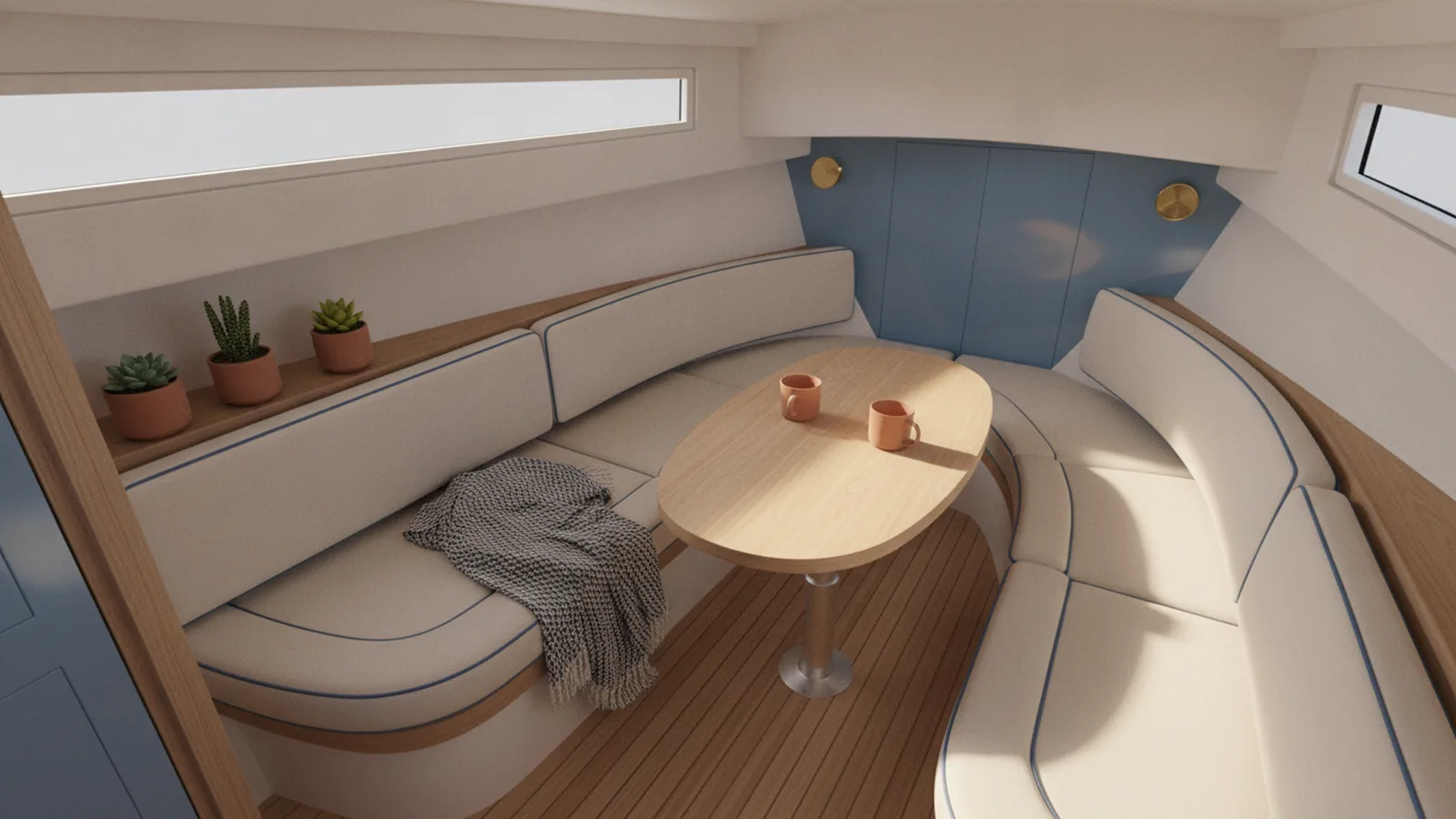
Start with organizing: clear space, then design
If you want a stylish boat living space, start with order. A clean layout makes the room feel bigger, calmer, and easier to use. Boat decorating ideas often fail when items stay in “temporary” piles. Those piles shrink walkways and hide lighting and storage opportunities.
Begin with a fast declutter pass. Remove anything you do not use weekly, then store it in a dedicated locker or off-boat spot. Next, group the rest by purpose: cooking, sleeping, hygiene, and gear. This simple interior organization step tells you what needs storage and what needs display.
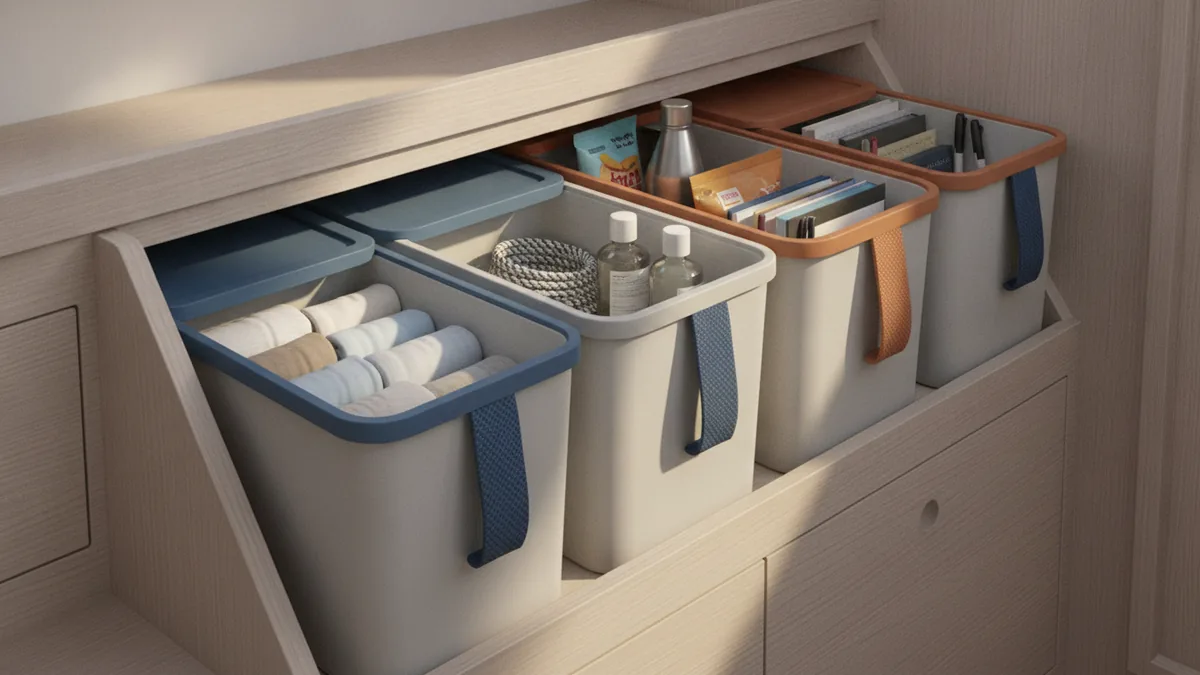
Use a “one-touch return” rule as you organize. Every item should go back to its place the same day you take it out. For small boats, you can also label bins with bold but simple tags for quick returns. The goal is fewer loose items during motion and easy access when you need something fast.
- Empty drawers and lockers for 20 minutes, then sort into keep, relocate, and remove.
- Keep daily essentials within arm’s reach; stash backups in deeper storage.
- Use lidded bins for small parts, chargers, and toiletries to stop sliding.
Choose a light color palette using simple color theory
Light color schemes are the fastest way to make a boat feel brighter. On water, daylight and skylight reflections can do more work than heavy window treatments. When you choose a marine interior decoration palette, aim for high contrast without dark “blocks” that visually trap space.
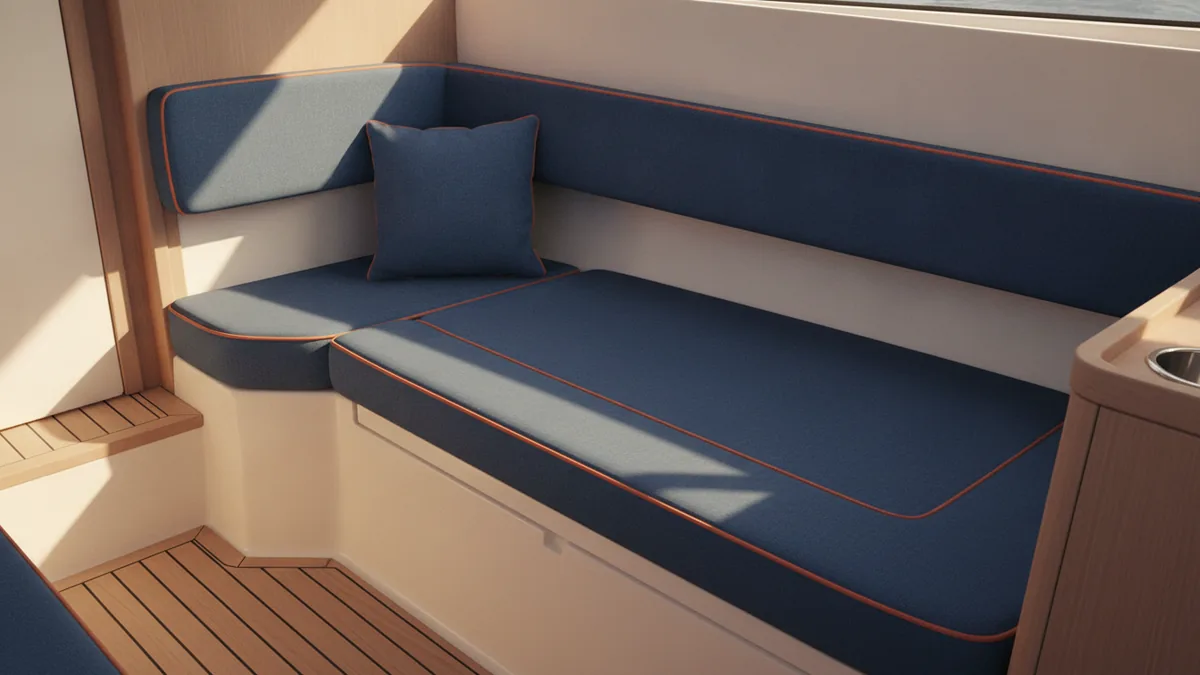
Try a three-part approach: a light base, a mid-tone for most surfaces, and a small accent. For example, warm off-white for walls, sand beige for cushions, and muted navy for accents. This is a practical way to apply color theory without complicated rules.
Also consider how colors behave in changing light. Morning sun and late-afternoon glare can shift warm whites to yellow or cool gray. Test your palette with fabric swatches near the cabin window in daylight, then again in the evening. You want colors that still look right when the boat is shaded.
- Use glossy or semi-gloss surfaces sparingly, since glare can overwhelm a small cabin.
- Pick one accent color that appears in two places, like pillows and a rug.
- Choose textured neutrals to reduce visible dirt from salt spray.
Select marine-ready furniture and upholstery
Boat interior design needs durability first. Marine upholstery should handle moisture swings, sun exposure, and constant vibration. Standard indoor fabrics can fade quickly and absorb smells. Instead, look for outdoor-grade or marine-grade materials that resist mildew and dry fast.
Focus on comfort and function at the same time. Upholstery should fill gaps, soften hard edges, and make seating usable for longer trips. You can also use removable cushion covers for easy cleaning. If you cruise, choose fabrics that can be rinsed and dried without warping.
For furniture, prioritize pieces that match the footprint. Cabin tables, bench seating, and foldable accessories keep pathways open. Avoid oversized armchairs that block movement when waves shift. If you want a lounge feel, use seat cushions and a compact side table instead of bulky furniture.
Tip: If a cushion lifts easily for drying, you are already ahead for marine upholstery care.
| Component | What to choose | Why it matters on a boat |
|---|---|---|
| Upholstery | Outdoor or marine-grade fabric | Resists moisture and dries quickly |
| Cushion covers | Removable and washable | Makes salt and dirt maintenance easier |
| Seating layout | Bench-first, flexible add-ons | Keeps walkways clear |
Add decorative accessories that also earn their space
Decorative lighting, textiles, and small wall accents can make a boat feel personal. The trick is to keep functional decor in mind so decor does not block navigation or safety. Choose accessories that anchor the theme and also handle motion and moisture.
Start with soft textiles. Throw pillows can add color and comfort, but pick flat-backed designs that do not slide off. Consider using ties or low-profile inserts to keep pillows in place. For rugs, choose non-slip backing and a size that stays centered. A rug that bunches up can become a tripping hazard in tight quarters.
Wall space can also pull the whole look together. Hang art at eye level, or use a framed photo grid with strong backing. If you want storage, use magnetic strips for small metal tools or a slim organizer behind a berth. Decorative accessories should make the boat easier to live in, not harder to manage.
- Match textures, not just colors: knit throws plus smooth upholstery feel balanced.
- Use a washable rug to handle footprints and salt residue.
- Pick one theme, like coastal navy or warm cabin neutrals, then repeat it.
Use wall space for art and practical storage
A common mistake in how to decorate a boat interior is treating walls as blank surfaces. In a boat, walls are storage and organization tools. Creative wall planning can free up floor space and keep counters clear. That makes the boat feel larger and more intentional.
Try vertical storage in three zones: above seating, along the companionway area, and near the galley. A small shelf above a seat can hold books and travel mugs. A slim rail can store mugs, utensils, or hanging mesh bags for smaller items. If you mount carefully, you also reduce clutter that collects during movement.
For art and personalization, use lightweight options. A foam board or acrylic frame reduces weight compared to heavy glass. You can also use removable hooks for seasonal items. Just make sure anything mounted stays solid and does not interfere with hatch access.
- Measure each wall segment, then map where hatches, vents, and straps pass.
- Choose mounts that allow for cleaning and access to wiring or hoses.
- Keep the most-used items at chest height or lower.
Light it like a cabin: bright, energy-efficient, and safe
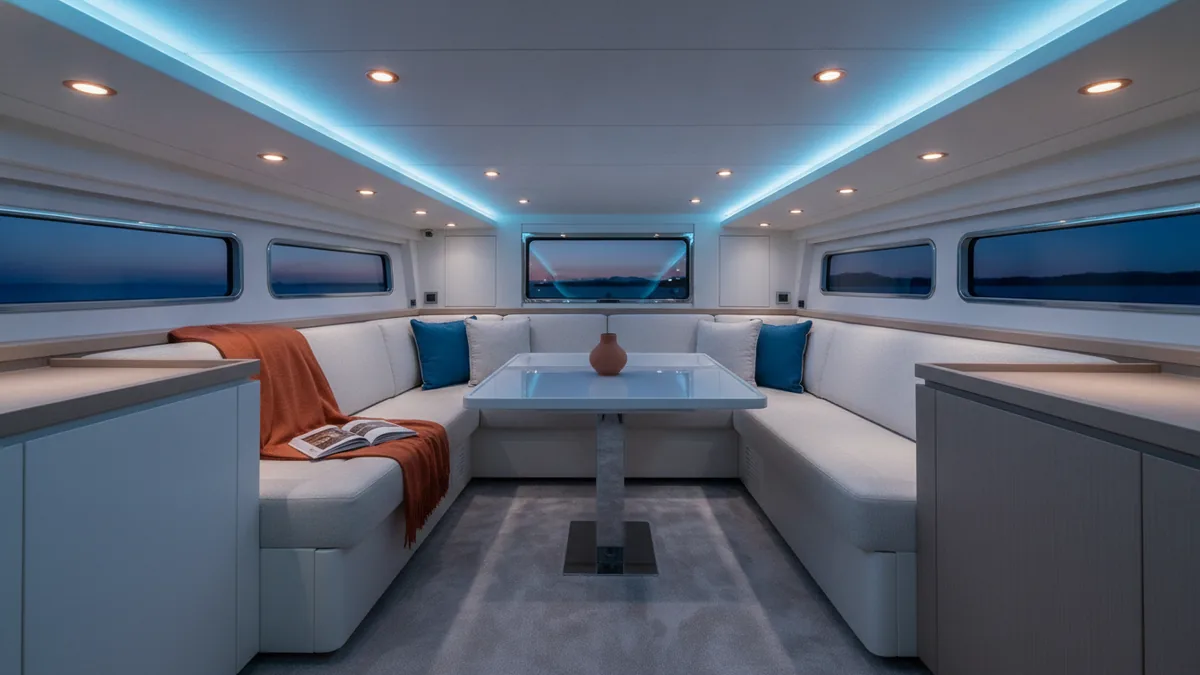
Lighting for a welcoming atmosphere does not need to be complicated. In boat interiors, you want bright light for tasks and softer light for evenings. That usually means layering: a main overhead source plus small directional lights for corners.
Pick energy-efficient fixtures that suit marine use. LED options are popular because they draw less power and generate less heat. For safety, choose fixtures with stable mounting and protected wiring paths. If you add reading lights, aim them so they do not glare in your eyes while seated.
Color temperature matters too. Cooler whites can feel crisp in the galley, while warmer tones often feel cozy in sleeping areas. Use dimmers if your boat system supports them, so you can shift mood without swapping bulbs. In small cabins, dimmer control can also help reduce glare off glossy surfaces.
- Place one light near each “activity zone” like seating or cooking.
- Use warm lighting for relaxation areas and neutral lighting for tasks.
- Avoid dangling cords and loose fixtures that can move in waves.
Maximize small spaces without breaking safety
Space optimization is about movement as much as storage. You need clear paths for entering and leaving bunks, reaching the head, and handling lines or gear. Functional decor should sit where it helps you live, then get out of the way when conditions change.
Plan for “motion time.” Think about how the boat feels when it tilts and when people need to cross the cabin quickly. Keep frequently used items in low-profile containers. Secure bins with lids or straps so they do not slide. For navigation and safety, never block escape routes with rugs, ottomans, or loose décor.
Also watch weight distribution when you add furniture or accessories. Decorative items may look light, but a collection of glassware and heavy frames adds up. Use anchors and tie-downs for any breakable items. This keeps your interior design both stylish and practical.
| Goal | How to do it | Safety check |
|---|---|---|
| More usable floor space | Use wall shelves and under-seat bins | Keep walkways clear under motion |
| Less clutter | Choose lidded organizers and hooks | Secure items against shifting |
| More comfort | Use cushions instead of bulky chairs | Confirm cushions do not block exits |
Practical tips for boat safety and everyday function
To decorate responsibly, treat safety as part of the design. When you add decor, check how it behaves during routine tasks like cooking, cleaning, and moving between areas. Secure everything that could shift, including pillows, rugs, and lightweight frames. If an item can move when the boat rocks, it can also become a hazard.
Choose materials that are easy to clean and handle salt spray. Wipeable surfaces matter near the galley, and mildew-resistant fabrics help around damp zones. For boat interior design, also keep ventilation in mind. Curtains, covers, and textiles should not trap moisture or block airflow.
Finally, do a quick “clear path” test. Sit at your main seating spot and imagine yourself moving in low light. Then stand up quickly and check that your route stays clear. This is one of the best practical tips for keeping decor from interfering with navigation or safety.
- Secure rugs with non-slip backing and keep edges flat.
- Use storage lids and bins for small items and snacks.
- Anchor breakables and keep heavy items low.
Frequently asked questions
- What are the first steps for how to decorate a boat interior?
- Start by decluttering and sorting items by use. Then plan your layout so pathways stay clear. Finally, pick a light color base and add durable, themed accents.
- What color palette works best for a boat living space?
- Use a light base like off-white or pale sand. Add a mid-tone for most cushions and panels. Choose one accent color for pillows or small wall details.
- What upholstery is best for a marine environment?
- Look for marine or outdoor-grade fabrics that resist moisture and mildew. Choose removable, washable covers when possible. This helps you keep cushions fresh after salt and spray exposure.
- How can I add decor without sacrificing boat safety?
- Use non-slip rugs and secure cushions so they do not slide. Keep decor off escape routes and away from hatch areas. Anchor breakables and avoid bulky furniture that blocks movement.
- How do I use wall space in boat interior design?
- Add small shelves, rails, or slim organizers above seating and near work zones. Use lightweight framed art or removable hooks for personalization. Ensure anything you mount does not block vents or access panels.
- What lighting should I use to make a boat feel welcoming?
- Use layered lighting with a bright task light plus softer ambient light. Choose energy-efficient LED fixtures for low power draw. Pick warmer tones for evenings and dim them when you can.
Related reading
Room Painting Costs — What Shapes Your Quote
Room painting often costs $200–$1,000. See what drives the price and how to compare quotes.
Kitchen Cabinet Tops — Style, Texture and Seasonal Charm
Style cabinet tops with balanced layers, useful texture, and decor that suits your kitchen.
Couch Placement—Flow, Focus and Comfort
Place your couch to frame a focal point, keep paths clear, and make the room feel balanced.