Interior Designers — Roles, Skills and Training
See how interior designers shape spaces, manage projects, and work with clients.
What Does an Interior Designer Do?
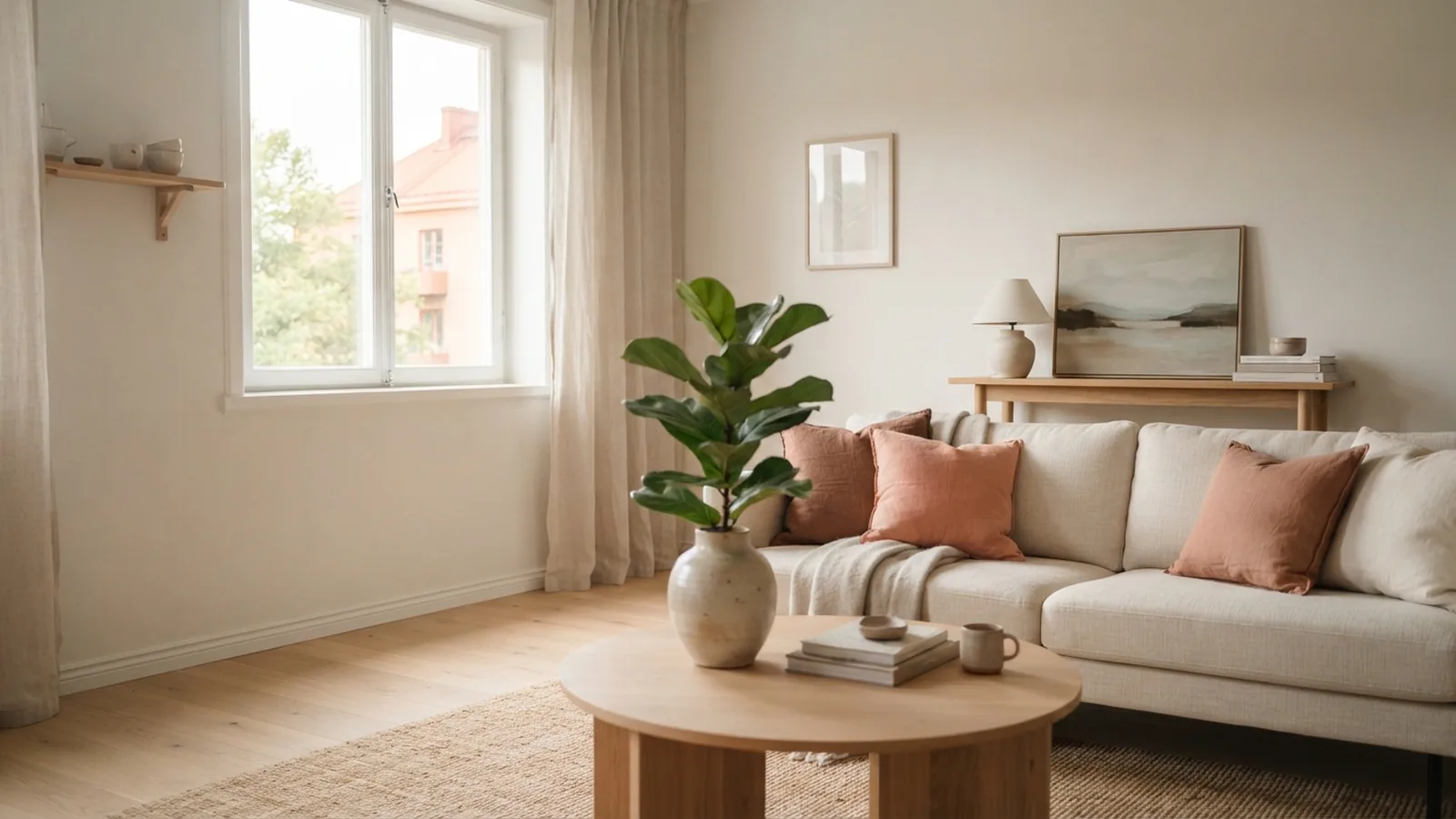
An interior designer plans indoor spaces to make them work better and feel right for the people who use them. They consider layout, light, materials, safety, and style. Their work can cover one room or an entire home. The goal is a space that looks appealing and meets real needs.
Interior design is more than choosing paint and furniture. It involves understanding how people move through a space and how each room must serve them. A designer might make a small kitchen easier to cook in, or help a family create a calm living room. Good design balances use, comfort, and appearance.
Designers often meet clients, learn their goals, and study the space before they propose changes. They may measure rooms, review plans, and ask how a household uses each area. These details shape the design. A home office for daily video calls has different needs from a guest room used twice a year.
Designers also help clients find a style that feels personal. Industrial, minimalist, and bohemian are common starting points, not strict rules. A client wondering, “What’s my kitchen style?” can look at preferred colors, materials, and the way they cook. A designer can turn those clues into a plan that suits the home.
Core Responsibilities from Plan to Finish
Interior designers guide a project from early ideas through the final setup. Their exact duties depend on the job, budget, and local rules. A full renovation calls for more planning than a simple room refresh. Designers keep the choices connected to the client’s needs.
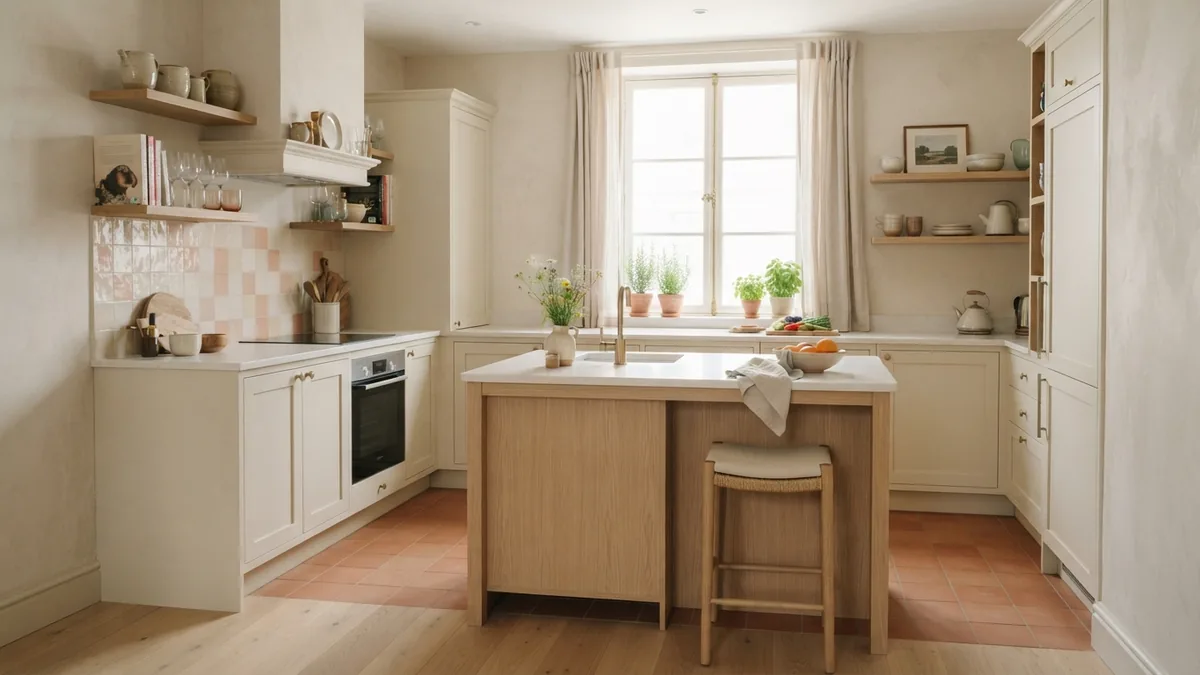
Space planning is a key task. Designers decide where walls, doors, furniture, and fixtures should go. They create drawings or plans to show those choices. For example, moving a kitchen island may improve the path between the sink, stove, and fridge.
Designers also select finishes, lighting, furnishings, and colors. They build a project budget and timeline, then track orders and work on site. They may coordinate with architects, contractors, electricians, and other trades. Clear plans help each person understand what to build and when.
Safety matters throughout the work. Designers check that plans follow relevant building codes and industry rules. This can include access, fire safety, and safe paths through the space. The designer may need to work with a qualified architect or engineer when a project changes the building itself.
- Meet with clients and set project goals
- Measure rooms and plan layouts
- Choose materials, fixtures, lighting, and furnishings
- Set budgets, schedules, and project milestones
- Work with trades and check progress against the plan
- Help confirm that the design meets safety rules
Not every designer handles every task. Some focus on plans and client advice, while others oversee the full build. Before work begins, clients should agree on the designer’s role, fees, and what the service includes.
Skills That Help Designers Succeed
Strong designers pair creative judgment with practical skills. Aesthetic sensitivity helps them shape color, balance, texture, and light. They also need to listen well and ask clear questions. Those skills help turn a client’s rough ideas into choices that fit daily life.
Project management is just as important. A designer may track several suppliers, trades, deadlines, and budget items at once. Late materials can affect the whole schedule. Good records and regular updates help keep a project on course.
Technical knowledge helps designers make plans that can be built. They need to read floor plans, understand materials, and know the basics of building codes. They also need to explain their ideas through drawings or clear written notes. A beautiful plan has little value if builders cannot follow it.
Designers benefit from problem-solving, flexibility, and care with detail. A client may change a choice after seeing a sample in the room’s natural light. A product may go out of stock. A skilled designer can weigh alternatives without losing sight of the design goal.
Education and the Path into the Field
Many people enter the field through a degree in interior design. In the United States, some programs hold accreditation from the Council for Interior Design Accreditation, or CIDA. CIDA reviews programs against set education standards. Check its list of accredited interior design programs when comparing schools.
Coursework often covers design basics, space planning, materials, lighting, and building codes. Students may also learn drawing tools and project planning. A degree can build a strong base, but each role and location may have different requirements. Check local rules before offering services that need a license or other credential.
Practical experience helps new designers connect school work with real projects. Internships or junior roles can teach them how to work with clients, suppliers, and contractors. A portfolio should show a range of work, such as room plans, material choices, and finished projects. It should also explain the problem each design solved.
Professional groups and tests may help with career growth. Their value depends on the designer’s location and goals. New designers should look up the rules where they plan to work. Keep learning as materials, tools, and building standards change.
Interior Designer or Interior Decorator?
The terms can sound alike, but the work may differ. Interior designers focus on how a space functions, including its layout and built features. Decorators tend to focus on how a room looks, such as its color, furniture, and soft furnishings. The lines can blur, and job titles vary by place.
A designer may help plan a new kitchen layout, choose fixed cabinets, and coordinate work with a contractor. A decorator may select paint, curtains, rugs, and furniture for that kitchen. Both can shape the room’s style. The main difference is often the scope of the project.
Ask a potential professional what tasks they will handle. Find out whether they prepare plans, manage trades, or only advise on finishes. Ask about training and any local credentials too. A clear agreement helps you hire the right person for your needs.
Common Interior Design Styles
Styles give clients and designers a shared way to talk about a room’s look. They can guide choices, but they do not need to dictate every detail. A home can blend ideas from more than one style. The best mix suits the space and the people who live there.
- Minimalist: Simple forms, open space, and a short list of chosen objects.
- Industrial: Raw-looking materials, exposed features, and sturdy furniture.
- Bohemian: Layered textiles, varied patterns, and collected objects.
- Scandinavian: Light wood, useful forms, and calm colors.
- Farmhouse: Warm materials, familiar shapes, and a relaxed feel.
Trends can help people spot what they like, but they are not a checklist. Save examples of rooms that feel inviting and note what they share. Look at color, light, storage, and materials. Those details can reveal a style more clearly than a label.
For instance, someone who likes pale wood, simple shapes, and a few handmade objects may prefer a Japandi feel. Another person may want the warmth of farmhouse details with clean, modern lines. A designer can bring those ideas together in a way that fits the home’s size and budget.
Why Thoughtful Interior Design Matters
A well-planned room can make everyday tasks easier. Clear paths help people move around, and useful storage keeps needed items close. Good lighting can support reading, cooking, or rest. These choices can improve comfort without adding more furniture or decoration.
Design can also help a space meet changing needs. A home office might share a room with a guest bed. A family may need safer paths or easier access to daily items. Designers can plan these changes around the way people use the space now and may use it later.
Material choices matter, too. Durable finishes can suit busy rooms, while repairable items may last longer than throwaway options. Designers can discuss energy use, natural light, and materials with lower impact. The right choice depends on the project, cost, and what the client values.
Interior design brings appearance and function into the same plan. A designer helps shape the layout, guide project choices, and coordinate work with other professionals. When the role and goals are clear, clients can make better choices and get a space that feels like home.
Frequently asked questions
- What does an interior designer do?
- An interior designer plans indoor spaces to improve how they look and work. The role can include layouts, materials, budgets, project coordination, and safety checks.
- What is the difference between an interior designer and a decorator?
- Designers often focus on layout, function, and built features. Decorators often focus on finishes, furniture, colors, and other visual details.
- What skills do interior designers need?
- They need creative judgment, clear communication, and project management skills. They also need technical knowledge of plans, materials, and building rules.
- How do you become an interior designer?
- Many designers earn a degree in interior design, then gain experience through internships or junior roles. Check local rules, since some services may need a license or credential.
- What are common interior design styles?
- Common styles include minimalist, industrial, bohemian, Scandinavian, and farmhouse. Many homes blend features from several styles.
Related reading
Why Interior Design Matters in Everyday Life
See how thoughtful design makes spaces work, feel, and look better.
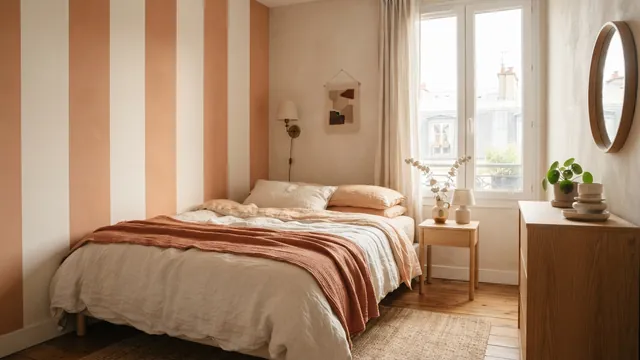
Paint Room Stripes: Planning and Technique
Plan your stripe layout, tape clean lines, and paint even coats with confidence.
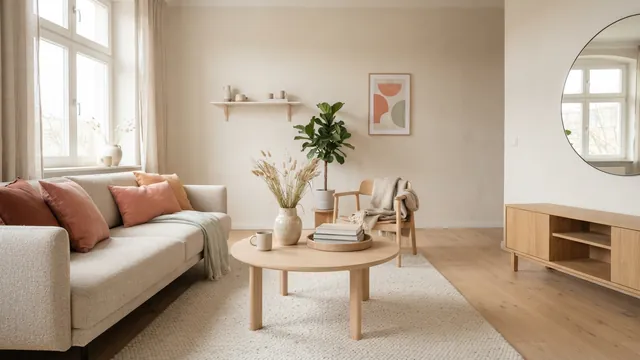
Room Square Footage—Measure for Flooring
Measure each room section, add the areas, then allow extra for cuts.