How Much Do Interior Decorators Get Paid? Salary by Location
Decorator pay depends on location, experience, specialty, and how you work.

What interior decorators typically earn
Interior decorators in the U.S. often earn about $45,000 to $75,000 a year. In Canada, a common range is roughly CAD 50,000 to CAD 80,000. These estimates answer a common question: how much do interior decorators get paid? Actual pay varies with experience, location, client demand, and work type.
These ranges are useful starting points, not fixed national averages. Pay data may group decorators with interior designers or other design roles. The U.S. Bureau of Labor Statistics tracks interior designers as a separate occupation, so its figures do not represent decorators alone. Compare job titles and duties before treating any salary figure as a close match.
Employees usually receive a set wage or salary, while self-employed decorators earn from project fees. A freelancer may bring in more on one job, but unpaid sales work and quiet months affect yearly income. Gross revenue is not take-home pay.
- U.S. estimate: $45,000–$75,000 per year
- Canada estimate: CAD 50,000–CAD 80,000 per year
- Freelance income can swing from month to month
Use these figures as a range, then check local job posts and pay reports. The U.S. Bureau of Labor Statistics profile for interior designers gives a useful comparison, but covers a related role rather than decorators alone.
What changes a decorator’s salary?
Experience often has the clearest effect on pay. New decorators may start near the lower end while they build a portfolio and learn to manage budgets. Seasoned decorators can charge more when they show strong client results, reliable project work, and a distinct style.
Special skills can lift earning power. Decorators who know kitchen finishes, lighting plans, home staging, or accessible design may serve clients with specific needs. Extra training and recognized certificates can help, especially when they match local demand. A certificate alone does not ensure higher pay.
The type of employer also matters. A furniture shop, home builder, design studio, or hotel group may set different pay bands. Sales roles can add commission, while salaried jobs may offer steadier income and benefits.
- Build a portfolio with clear before-and-after project details.
- Track budgets, timelines, and client feedback as proof of skill.
- Learn a specialty that local clients or firms seek.
- Compare total pay, including commission, benefits, and paid leave.
Market demand can shift by season and region. Areas with new housing, renovation work, or a strong property market may offer more projects. Yet busy markets can also bring more competition.

How location affects pay in the U.S. and Canada
Large cities generally offer higher pay than rural areas. They often have more design firms, higher home prices, and clients who can spend more on room updates. But higher wages do not always mean more buying power, since rent and travel costs can rise too.
In the U.S., a decorator in a major metro area may find more full-time roles and higher project fees. A smaller town may offer fewer jobs, but local referrals can help a solo decorator stand out. State and city pay data can reveal these gaps better than a national figure.
Canadian pay follows the same broad pattern. Toronto, Vancouver, and other large markets may support more work, while smaller cities and rural areas can have lower rates. The range of CAD 50,000 to CAD 80,000 is a broad guide, not a promise for every province.
Compare like with like. Check recent job ads in the same city, for similar duties and years of experience. For freelance work, compare project budgets and fee models, not only posted salaries.
| Market | Typical pattern | What to check |
|---|---|---|
| Large metro | More roles and higher fee potential | Housing costs and competition |
| Smaller city | Moderate pay with local referral value | Number of firms and renovation demand |
| Rural area | Fewer openings and a smaller client pool | Travel needs and remote services |
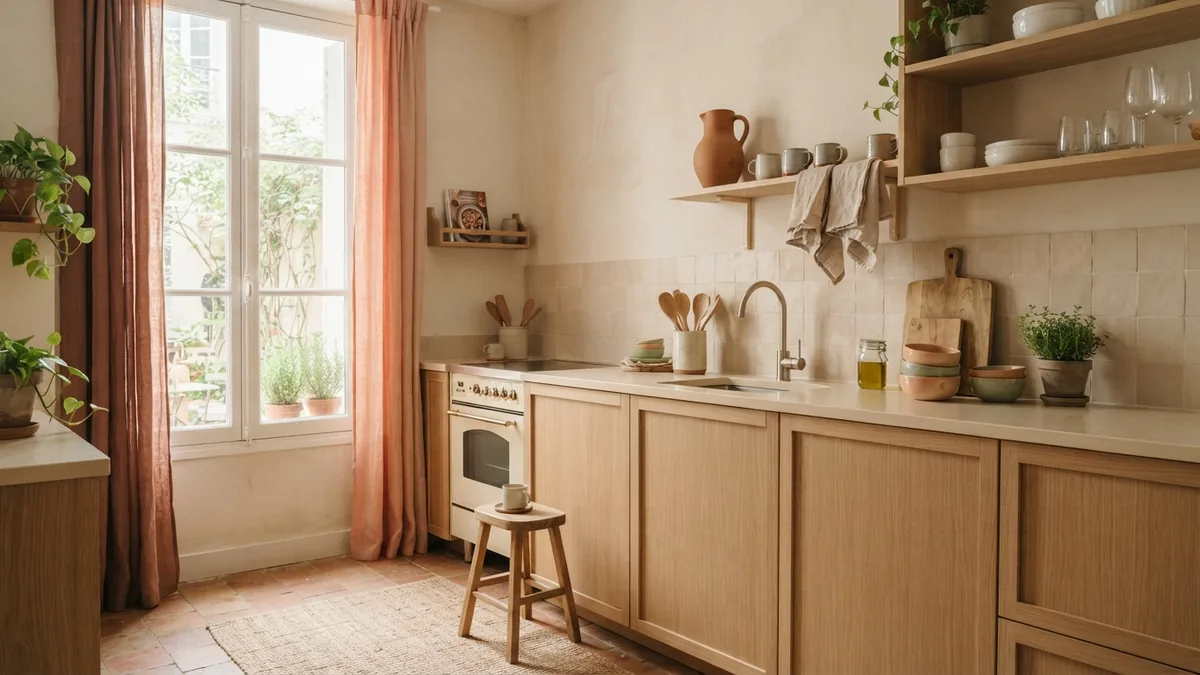
Decorator pay compared with related careers
Interior decorators focus on finishes, furnishings, color, and the feel of a room. Interior designers may also plan layouts and work on building systems or code needs, depending on their training and local rules. Their work can overlap, so job titles alone do not show the full scope.
That difference can affect pay. Roles with more technical duties, project oversight, or formal design training may offer higher wages. The U.S. Bureau of Labor Statistics lists interior designers separately, which helps readers compare duties and pay data with care.
Home stagers, showroom consultants, and visual merchandisers share some skills with decorators. Their earnings can depend more on sales, fast project turnover, or retail pay scales. Before comparing salaries, look at daily tasks, pay structure, and benefits.
Freelancers have another kind of comparison to make. A project fee may look high beside an hourly wage, but it must cover planning, client meetings, travel, samples, and taxes. It can also cover gaps between jobs.

Career growth and salary progression
Many decorators begin as assistants, showroom staff, or junior decorators. These roles build product knowledge and teach client service. Early pay may be modest, but each finished project can strengthen a portfolio.
With more experience, decorators may lead projects, join a design firm, or focus on a niche. Some start a studio or move into sales and sourcing. A clear specialty can help attract clients who need more than general room advice.
Freelancers should price the whole job, not just the design hours. Estimate time for calls, sourcing, travel, revisions, and site visits. Then set aside funds for taxes, insurance, software, and slow periods.
- Record time and costs on each project.
- Review local rates for work with similar scope.
- Set clear limits for revisions and extra visits.
- Raise fees when demand, skill, or project scope grows.
For employees, salary growth often comes through a move to a larger firm or a role with more responsibility. Ask how raises work, and compare benefits with base pay. Strong work samples and clear results help make the case.
Where to research decorator salaries
Start with local job listings, government wage tools, and career sites that show their data source. Search by both “interior decorator” and related titles. Read the duties, since one employer may use a title for work another firm calls interior design.
For a useful comparison, collect several recent listings in the same region. Note the pay range, years asked for, job type, and benefits. Keep freelance fees separate from employee wages, since they measure different things.
Ask local trade groups or peers about common fee models and busy seasons. Treat informal reports as clues, not hard facts. Recheck figures each year, since demand and housing markets change.
- Compare the same city, job level, and work type.
- Check whether listed pay includes commission or bonuses.
- Use current listings rather than old salary posts.
- For freelance work, estimate net income after costs.
So, how much money do interior decorators make? Many fall within the broad U.S. and Canadian ranges above. Location, skill, steady work, and the way fees are set shape the final number.
Frequently asked questions
- How much do interior decorators make a year in the U.S.?
- A broad estimate is about $45,000 to $75,000 per year. Pay shifts with location, experience, employer, and work type.
- How much do interior decorators make in Canada?
- A common broad range is CAD 50,000 to CAD 80,000 a year. Local demand, province, experience, and job type affect actual pay.
- Do interior decorators earn more in big cities?
- Often, yes. Metro areas may have more firms and clients with larger budgets, but living costs and competition can also be higher.
- Can freelance interior decorators earn more?
- They may earn more on some projects, but yearly income can be uneven. Fees must cover unpaid work, business costs, taxes, and gaps between jobs.
- Do certificates help interior decorators earn more?
- A useful certificate can support higher pay when it builds skills that clients or employers seek. It does not guarantee a raise by itself.
Related reading

What Can I Do With an Interior Design Degree? — Careers & Study Paths
Explore interior design careers, study options, and routes into the field.

Is Interior Design Like Interior Architecture? Roles and Careers
See how interior design and interior architecture differ in focus, skills, and career paths.

How Much Does a Small Commercial Kitchen Cost?
Compare setup costs, rental rates, equipment needs, and smart ways to plan your kitchen budget.