Essential Skills Needed to Succeed as an Interior Designer
Interior designer success needs creativity, technical tools, and strong client skills.
Understanding Interior Design
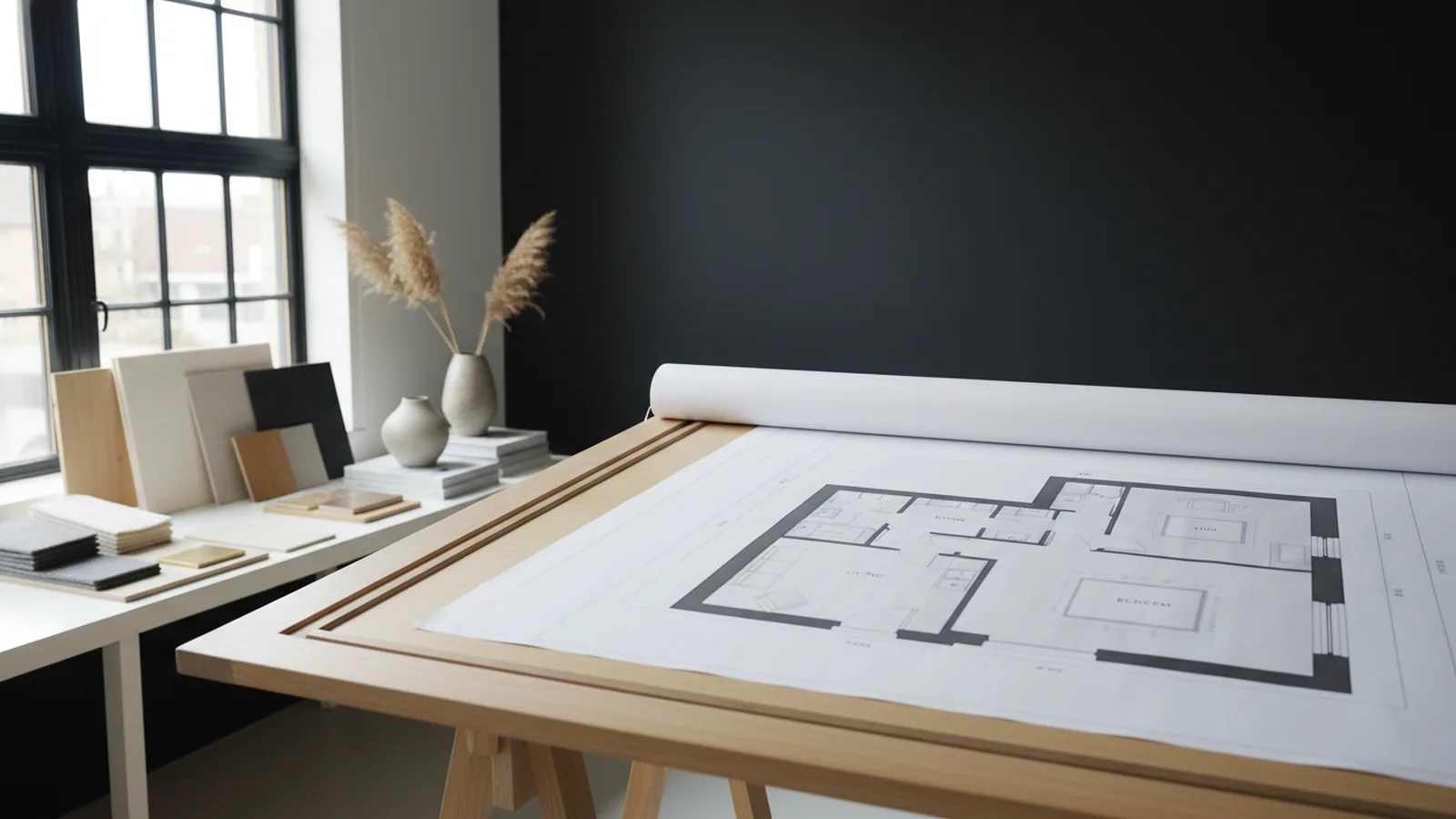
If you want to know what skills are needed to be an interior designer, start with the job’s core mix. Interior design blends creativity with technical skill to improve how spaces look and work. It is not just decorating. It is planning for people, light, traffic flow, storage, and the way materials perform.
A successful designer turns goals into a clear design plan. They translate a client’s taste into practical choices that fit the budget and the site. That means balancing aesthetics with rules of space, safety, and buildability. Even small changes can affect layout, comfort, and cost.
In most projects, you also act as a coordinator. You gather inputs, set priorities, and guide decisions from concept to installation. That is why skills needed for interior design go beyond one talent. You need several strengths working together.
- Creativity turns ideas into promising directions.
- Technical skills make designs workable and buildable.
- Soft skills help you lead clients and trades.

Key Skills for Interior Designers
Interior designer skills required for real success usually show up in how you work, not just what you know. You need a strong habit of research and testing. You also need clear thinking about how rooms function day to day.
One of the most important skills is problem-solving. A client might want an open layout, but the walls may carry structure, or plumbing may limit options. You have to find alternatives that still meet the goal. You may adjust the plan, propose a partial change, or use finishes to create openness.
Next is time management. Many designers juggle multiple clients, sample orders, and approvals at once. For example, you might finalize a flooring selection while another client is choosing lighting. If one step slips, everything downstream can slow. Strong scheduling keeps projects on track and reduces last-minute scrambles.
- Define scope and priorities at the start of each project.
- Build a timeline with decision deadlines for clients.
- Track drawings, ordering, and site milestones weekly.
- Plan for revisions so you are not always behind.
Customer service is also central. You are often guiding people through unfamiliar choices. Your job is to communicate options in clear language, answer concerns, and confirm expectations. That includes being honest about tradeoffs, like lead times or maintenance needs.
Creative Skills in Interior Design
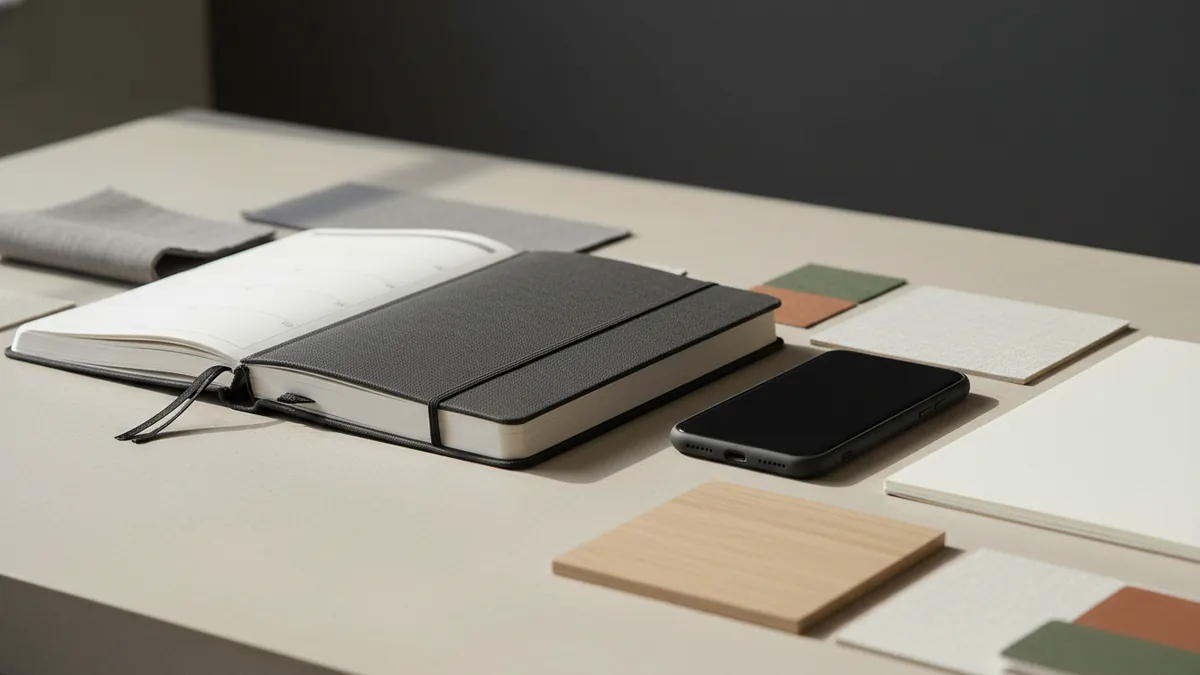
Creativity is crucial for generating innovative design ideas. When clients describe a vibe, you must translate it into a concept they can feel. Then you need options they can compare, not one “perfect” answer. Good creative work includes making a few strong directions and testing them early.
Creative skills also include visual awareness. You notice proportions, how light changes a room, and how materials look together. Visual awareness helps you choose colors, textures, and layouts that feel balanced. It also helps you spot issues like glare, poor circulation, or overcrowded styling before installation.
For creativity, think in systems. A design idea should connect to the whole room, not only to one feature. For instance, if you propose warm woods, your lighting temperature and wall tone should support that choice. Consistency is what makes a concept look intentional.
- Generate multiple concept options quickly, then refine.
- Use mood boards and sample boards to test color pairings.
- Check sightlines so key views look deliberate.
- Balance focal points with functional zones.
Technical Skills in Interior Design
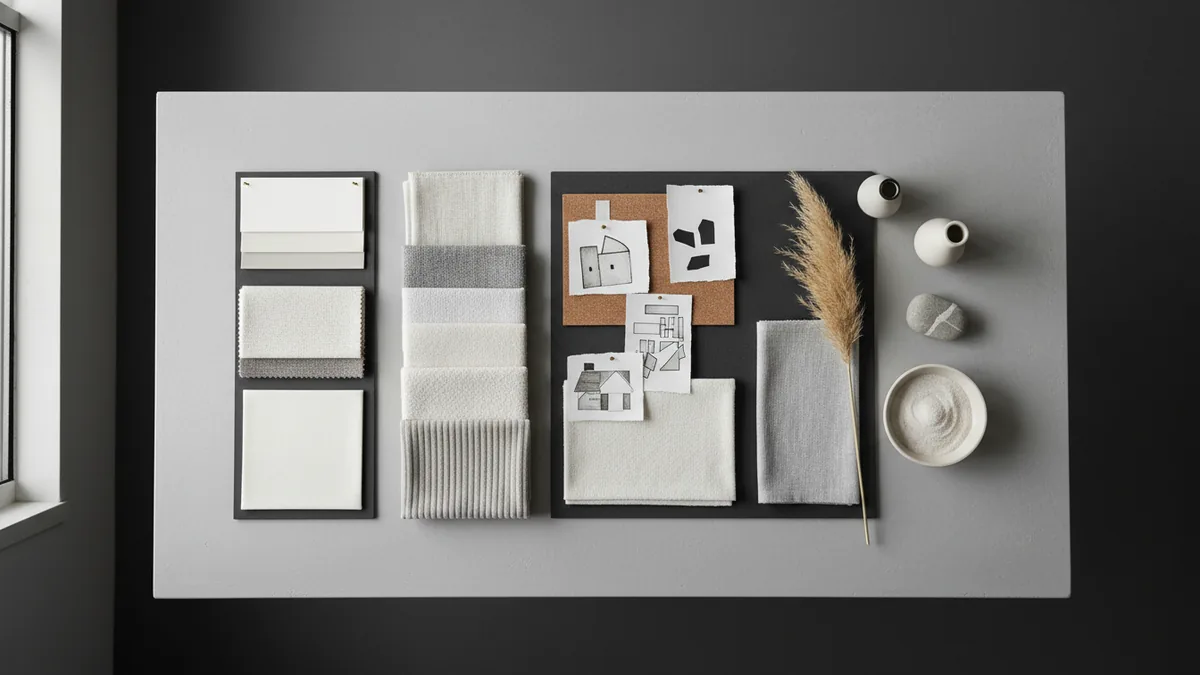
Technical skills are part of what makes a plan real. If you are exploring what skills are needed to be an interior designer, include the tools used to document and communicate ideas. You will often work with design software such as AutoCAD or similar drafting tools. These help you create accurate layouts, walls, elevations, and refined drawings.
Along with tools, you need spatial awareness. It is the ability to imagine scale and movement in a room. You must think about clearances for doors, the reach of fixtures, and how people walk through space. If your layout ignores practical distances, it will feel awkward even if it looks good.
Project work also demands strong design software habits, like organizing files and versioning drawings. When timelines are tight, the team needs the correct drawing at the correct stage. Technical clarity reduces rework and helps contractors bid confidently.
| Technical skill | What it helps you do | Example in a project |
|---|---|---|
| Drafting and layout work | Show dimensions and fit | Plan kitchen clearances and appliance spacing |
| Color and material specification | Choose finishes that perform | Select moisture-safe flooring for entryways |
| Lighting planning | Shape comfort and visibility | Use layered lighting for tasks and ambience |
| Buildability checks | Reduce field issues | Confirm trim details with wall thickness |
Many designers also build project management instincts. You track lead times for materials, coordinate revisions, and keep approvals moving. Even if you are not a full-time manager, your role touches schedules and dependencies.
For context, you can also review the basics of accessibility and other building-related guidance through trusted standards. A helpful starting point is the W3C accessibility guidelines, which show how standards are structured. While interior design is not web design, the mindset of measurable standards transfers well to planning spaces.
Soft Skills and Professional Attributes
Hard skills get you the drawings, but soft skills keep the project running. Your client is paying for guidance, not just aesthetics. That means you need strong communication, active listening, and clear follow-through.
Customer service shows up in how you explain choices. If a client is unsure, you can ask what they dislike and what matters most. Then you map options to their priorities. That approach turns feedback into better decisions. It also reduces conflict later when tastes evolve.
Good designers also show professional discipline. That includes documentation, neat sample tracking, and clean handoffs to contractors. It also includes staying calm during delays, like backordered fixtures. Problem-solving does not stop when the design concept is approved.
- Communication: explain tradeoffs without jargon.
- Empathy: support clients through decisions.
- Attention to detail: catch mismatches early.
- Reliability: meet deadlines you set.
Educational Pathways for Interior Designers
Educational pathways vary by role and region. Some positions do not require a formal degree, especially if you can show strong practical work. Others prefer a structured program in interior design or a related field. In many cases, the industry values a portfolio as much as coursework.
When people ask what skills needed for interior design means academically, they usually want to know which courses help most. A typical program covers design fundamentals, color, drafting, materials, and spatial planning. It may also include history of design and basic building knowledge. Even if you start without a degree, you can still learn these areas through targeted study and mentorship.
Portfolio development often matters more than credentials. A strong portfolio shows process, not just final rooms. It can include sketches, layout studies, material boards, and concept iterations. That proves you understand how ideas become buildable designs.
- Build a portfolio that shows concept-to-install thinking.
- Document your decisions, not only your results.
- Keep examples that match the kinds of clients you want.
- Practice presenting your work in plain language.
Gaining Experience and Certification in Interior Design
Experience is where most skills turn into competence. You learn how clients decide, how contractors interpret drawings, and how budgets shift in real life. Many new designers start as assistants, junior designers, or project coordinators. Those roles teach workflows, timelines, and common site problems.
Certification in interior design can also matter, depending on where you work. Some regions have licensing or registration rules. Others focus on voluntary credentials or specialization. Even when certification is not required, it can improve credibility and signal commitment to standards. If you are targeting a regulated path, verify local requirements early.
To gain experience efficiently, seek projects that let you practice both creativity and technical skills. You want opportunities where you can draft, select finishes, and coordinate deliverables. You also want feedback on how you communicate and manage changes. The goal is to develop a balanced skill set that supports long-term interior design success.
- Start with assistant work or small project roles.
- Track how designs move from concept to site.
- Upgrade tools and drafting accuracy over time.
- Ask for feedback on client communication.
- Consider certification if your region requires it.
Finally, remember that interior designer skills required evolve with your goals. If you want residential work, focus on layouts, comfort, and client experience. If you want commercial projects, emphasize documentation and project coordination. Either way, you will succeed by combining creativity, technical skills, and reliable people skills.
Frequently asked questions
- What skills are needed to be an interior designer to get hired?
- Most employers look for a mix of layout thinking, visual awareness, and clear communication. Many also expect working knowledge of design software and strong portfolio pieces.
- What skills are needed for interior design besides creativity?
- You also need spatial awareness, problem-solving, and time management. Customer service matters because you guide clients through tradeoffs and choices.
- Do you need a degree to become an interior designer?
- It varies by role and location. Some opportunities accept applicants without a formal degree if they can show practical work and a strong portfolio.
- Is design software required for interior design jobs?
- In many roles, yes. Drafting and documentation tools help you produce accurate plans and elevations that contractors can build.
- How do I build the right interior designer skills required for a portfolio?
- Show your process. Include concept sketches, layout studies, material boards, and final presentations that explain your decisions.
- Does certification in interior design help your career?
- It can help, especially where licensing rules exist. Where certification is optional, it can still signal standards knowledge and credibility.
Related reading
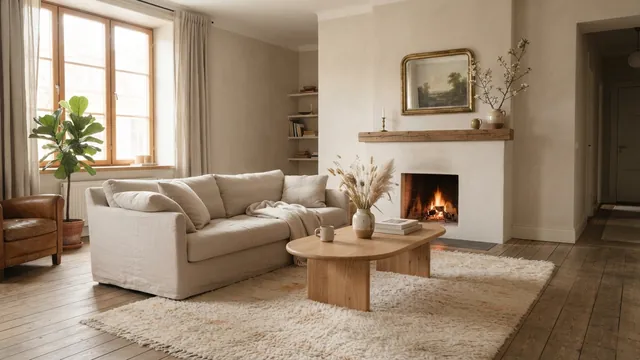
Couch Placement—Flow, Focus and Comfort
Place your couch to frame a focal point, keep paths clear, and make the room feel balanced.
Master Bedroom — Color, Comfort and Personal Style
Build a calm, personal bedroom with smart choices and a budget that works.

Room Painting Labor Costs — Rates and Budget Factors
See typical room-painting labor rates and learn what drives the final price.