How to Start Decorating a Room: Clear Steps for Real Results
Follow simple steps to start decorating any room with style and a budget.
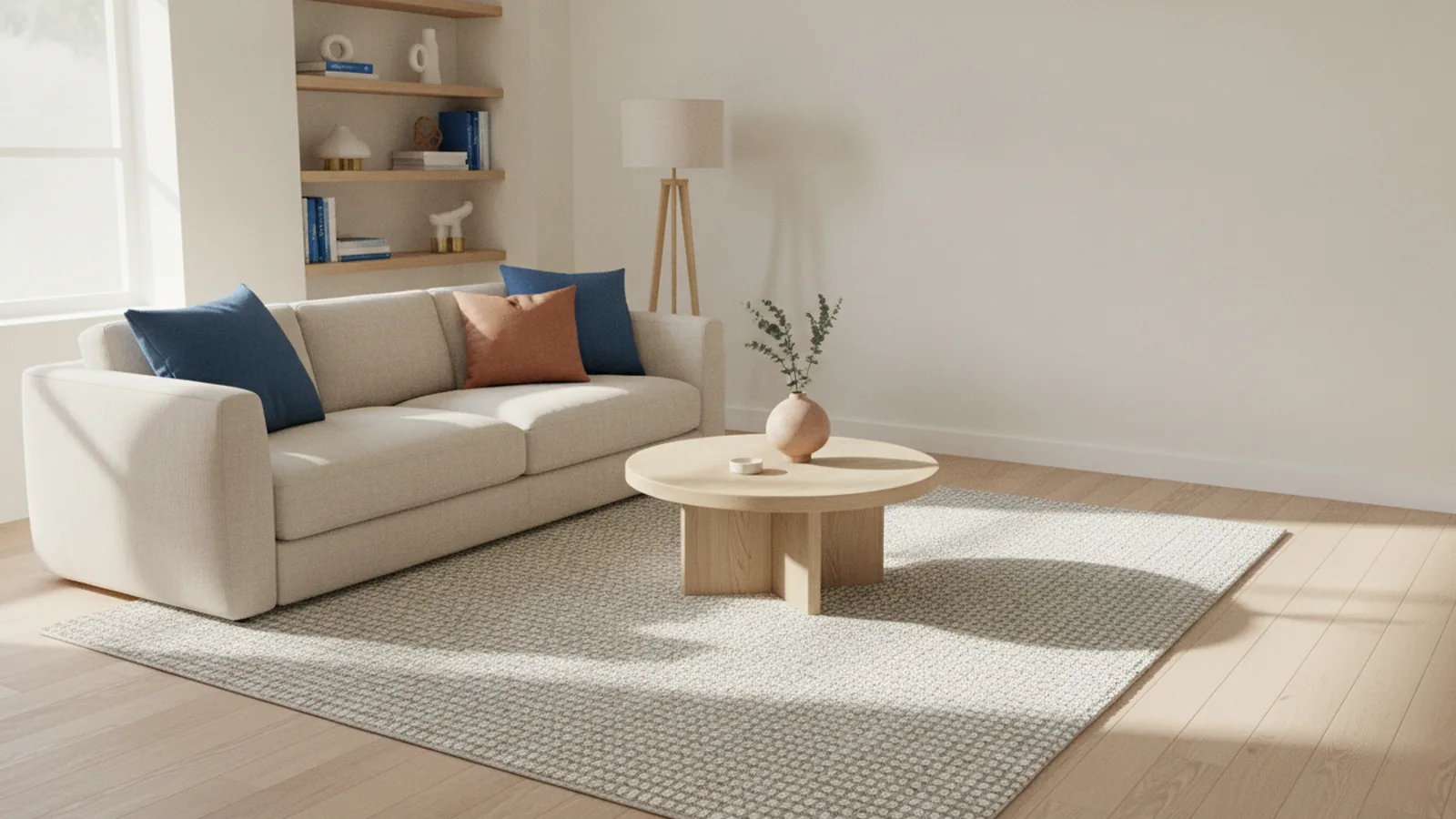
If you want to know how to start decorating a room, begin with your style and a realistic budget. Then map the room with a mood board and a simple furniture layout. After that, choose colors and textures that match your mood. Finish by adding personal touches that make the space feel like you.
Many people jump straight to paint or decor shopping. That usually leads to mismatched pieces and extra spending. A better plan is to work in a clear order. These steps to decorate a room will keep choices aligned from day one.
1) Understand your personal style first
Personal style is your decision filter. It keeps you from buying items you like in pictures but dislike at home. Start by listing the styles you naturally gravitate toward. Then note what you like about them. Is it the colors, the materials, or the shapes?
A fast way to define personal style is to sort “taste signals.” Look at saved photos and separate them into piles. One pile should be “calm and airy.” Another should be “warm and cozy.” A third can be “bold and graphic.” Your room should pull mainly from one or two piles.
If you are decorating a bedroom, consider how your body wants the room to feel. Softer textures and darker sleep-friendly tones often win. If you are decorating a living room, think about how you host and unwind. Comfort and sightlines usually matter more than perfect symmetry.
- Write down 3 words for the mood you want.
- Choose one style reference you would live with daily.
- Collect examples you can copy the “feel” from.
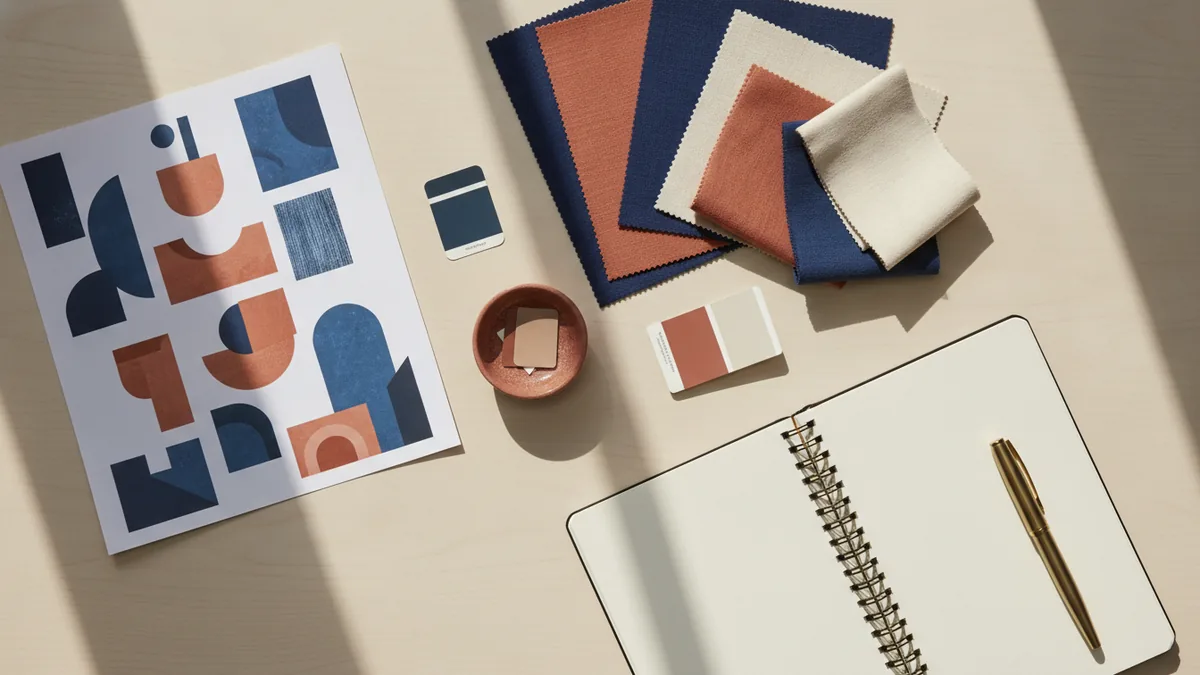
2) Set a design budget you can actually follow
A design budget is not just a total number. It is a set of limits for each category. Most rooms need anchors, like a bed or sofa. They also need wall treatments, lighting, storage, and finishing decor. If you do not budget those parts, one big purchase can swallow the rest.
Start with a simple allocation. Try reserving 40% to 60% for furniture and major pieces. Set 15% to 25% for lighting and wall treatments. Leave 10% to 20% for rugs and window coverings. Finally, plan 5% to 15% for small decor and personal items.
Use a “pause and recheck” rule before you buy anything major. After you choose two key items, revisit your budget. If you are over, adjust early. Changing a chair later is easier than changing an entire look after paint.
| Budget category | Typical range | What to buy |
|---|---|---|
| Anchors | 40%–60% | Bed, sofa, dining table |
| Walls and lighting | 15%–25% | Paint, art, lamps, fixtures |
| Soft goods | 10%–20% | Rug, curtains, bedding |
| Decor | 5%–15% | Vases, books, photos |
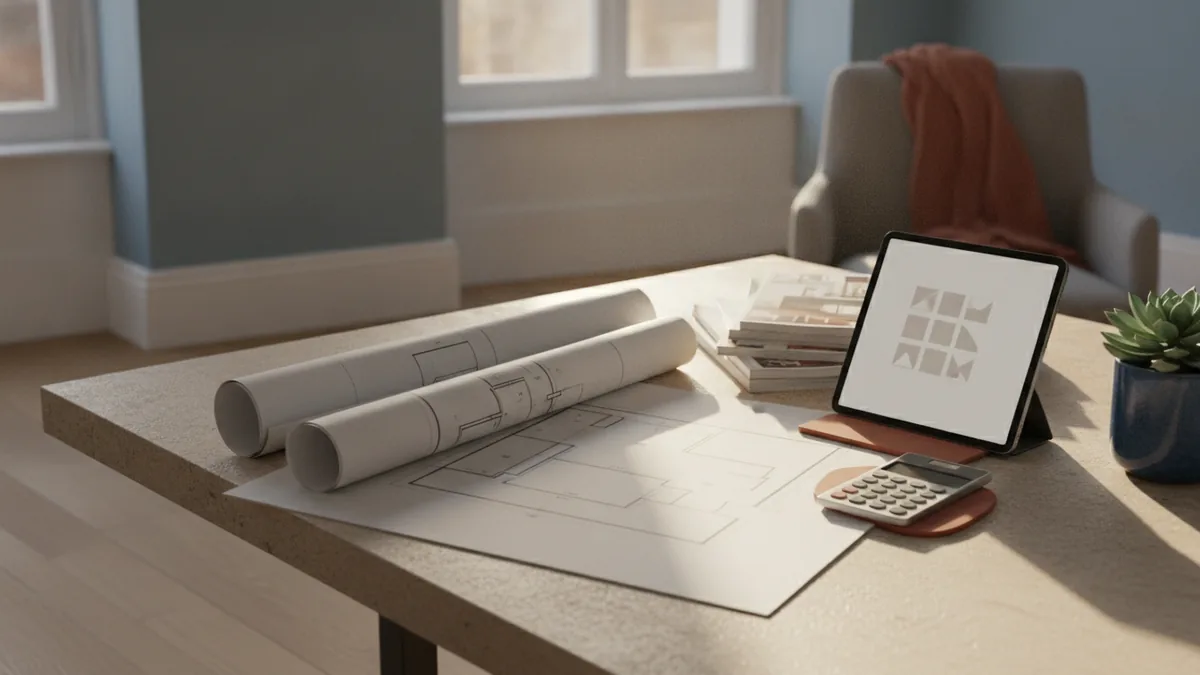
3) Create a mood board to visualize the room
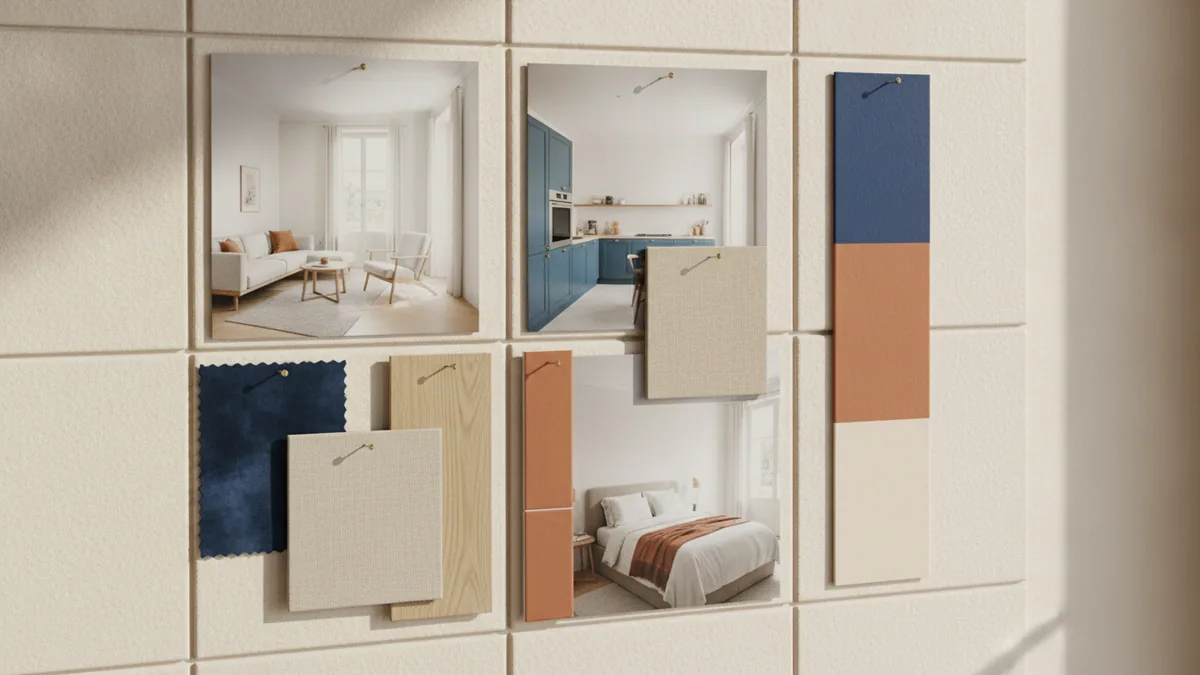
A mood board turns vague ideas into a clear direction. It also helps you spot conflicts. For example, you might love both bright modern art and heavy dark wood. That can work, but you need a plan to connect them.
Build your mood board around five elements. Add images for a color palette, a hero material, and one key shape. Then pick one pattern or texture to repeat. Finally, include a lighting vibe, like warm and dim or bright and crisp.
Keep your mood board focused. If you add 30 unrelated images, you will struggle to decide. Try limiting it to 12 to 20 visuals. This is enough to guide choices without turning it into a collage for every taste you have.
- Pick 1–2 main colors for walls or large surfaces.
- Choose 2 materials you want to repeat, like wood and linen.
- Add one rug or fabric reference for texture.
- Include one lighting example for the mood.
4) Choose key furniture pieces that anchor the space
When you are figuring out where to start when decorating a room, anchors come first. Anchors are the big, functional items that set the style. In a bedroom, that is usually the bed. In a living room, it is often the sofa. In a dining space, it is the table and chairs.
Start by measuring the “footprint.” Measure the space and then measure the anchor item’s dimensions. Remember to leave room for doors to open and for people to walk. A common mistake is picking a beautiful sofa without checking clearance to the coffee table.
Once you have your anchor, build around it. Pick a second furniture piece that supports daily use. For a bedroom, that could be bedside tables and a dresser. For a living room, that could be a media console or an accent chair.
- Choose the anchor first, then match the rest to it.
- Plan for comfort and traffic, not just looks.
- Pick 1 style cue to repeat, like tapered legs or rounded shapes.
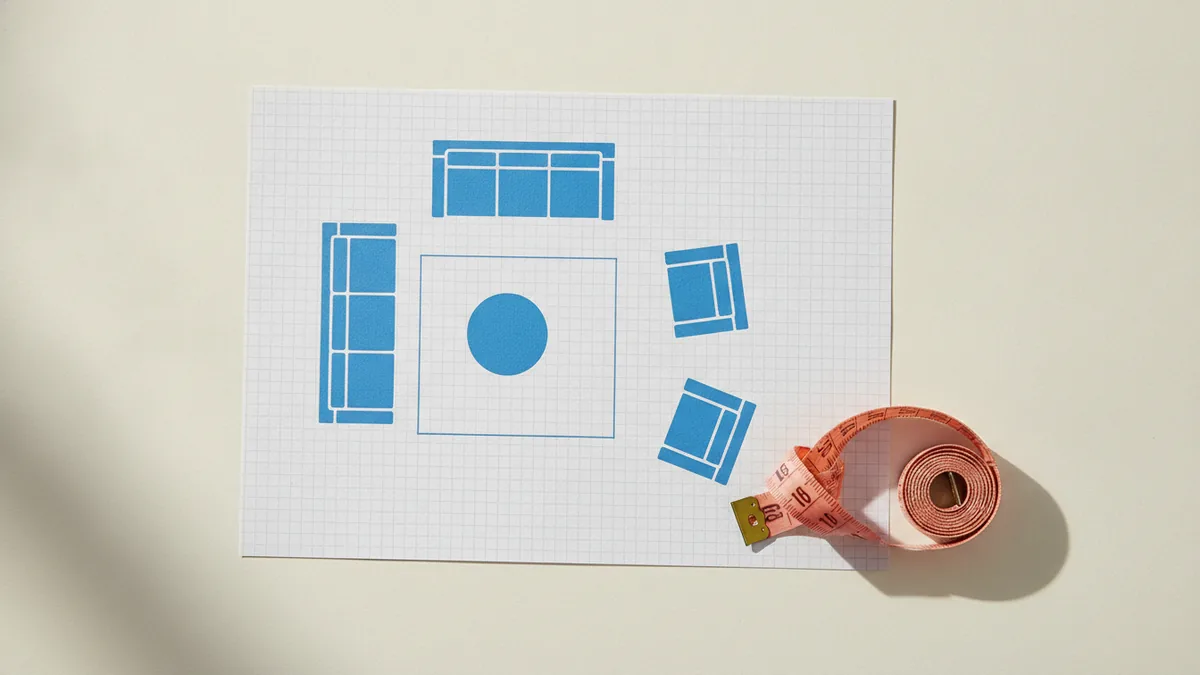
5) Plan the furniture layout for room functionality
Furniture layout is where decorating becomes practical. Good room functionality means clear paths and easy use. Begin by marking walkways. Most people need at least about 30 to 36 inches of clear passage in main routes. You can go a bit tighter in small rooms, but avoid blocking movement.
For a bedroom, think about the bed’s relationship to the door and windows. Nightstands help daily flow. Keep a stable zone for dressing and storage too. For a living room, map your seating around a focal point. That focal point can be a fireplace, TV, or even a large window view.
Do a “sit test” before finalizing. Sit where you will relax. Then check what you see and what you can reach. If the lamp is behind the couch arm, you will probably use it less than you expect. Fixing reach issues early saves money later.
- Draw the room outline and label doors and windows.
- Place the anchor item in the best position.
- Add secondary pieces where they support the main activity.
- Confirm clear paths and reachable surfaces.
6) Select paint colors and textures using simple color theory
Color is what people feel first. That is why paint can make or break the mood board. Start with light. North-facing rooms often benefit from warmer tones. South-facing rooms can handle cooler shades. East-facing rooms can shift a lot by morning, so test samples at different times.
Use basic color theory without overcomplicating it. If your style is calm, choose a low-contrast palette with one accent color. If your style is bold, keep the base neutral and let one accent do the work. This approach reduces the risk of “too many competing colors.”
Textures help the room feel finished even when colors stay simple. Mix soft and solid surfaces. Pair a matte wall with a textured rug. Combine smooth wood with woven textiles. These contrasts add depth and keep the space from looking flat.
- Test paint samples on two walls and observe for 2 days.
- Choose one accent color and repeat it in small details.
- Mix at least three textures, like linen, wood, and metal.
7) Add personal touches that tell your story
Personal touches are not random decor. They are meaningful items that match your style and your room’s function. Start with what you already own. Look for pieces with a story, like travel photos, a book collection, or a meaningful artwork gift.
Next, place your personal items in the right zones. Bedrooms benefit from styling that supports rest. Put personal pieces where you will see them at a relaxed moment. Living rooms can handle more variety because they are active spaces. Just keep a few items grouped so they look intentional.
When decorating a room, repetition creates calm. Repeat an image style, a frame color, or a material across the space. If you have strong interests, like music or cooking, use that theme through art and objects. Then keep the rest of the palette steady.
- Pick 5 to 10 meaningful items to feature.
- Group items by size and spacing, not by where you found them.
- Use one “anchor” wall for larger personal art.
- Finish with small decor that ties back to your palette.
Quick answers: where to start in common scenarios
If you are asking where to start when decorating a bedroom, start with the bed style, bedding tone, and bedside storage. Then choose wall color and lighting that support sleep. This order keeps comfort and mood aligned.
If you are asking where to start when decorating a living room, start with the sofa size and the layout around it. Then pick a rug and lighting that define the seating zone. After that, add art and personal decor in the spaces around the focal point.
Frequently asked questions
- What is the best way to start decorating a room?
- Start by defining your personal style and setting a design budget. Then create a mood board and choose key furniture anchors before buying decor.
- Where should I start when decorating a bedroom?
- Start with the bed, bedding tone, and bedside storage. Then choose wall color and lighting that support sleep and daily routines.
- Where should I start when decorating a living room?
- Start with the sofa size and the seating layout around your focal point. Then select a rug and lighting to define the zone before adding art.
- How do I create a mood board for interior decor?
- Pick five elements: a color palette, two repeat materials, one key texture, a pattern reference, and a lighting vibe. Keep it focused so your choices stay consistent.
- How do I plan a furniture layout that works?
- Mark doors and windows first, then place the anchor piece. Leave clear walk paths and do a quick “sit test” to check reach and sightlines.
- What paint color should I choose when decorating?
- Choose colors that match your mood board and test samples on the wall. Light direction matters, so observe samples at different times of day.
Related reading
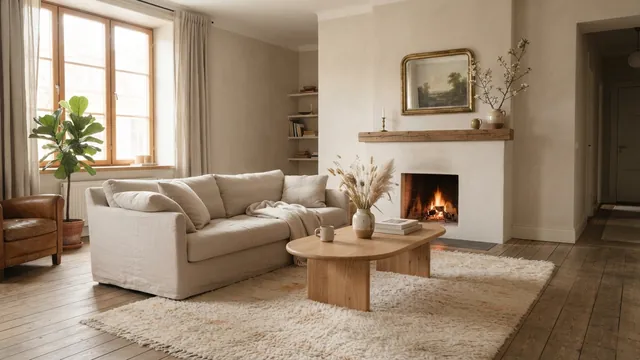
Couch Placement—Flow, Focus and Comfort
Place your couch to frame a focal point, keep paths clear, and make the room feel balanced.
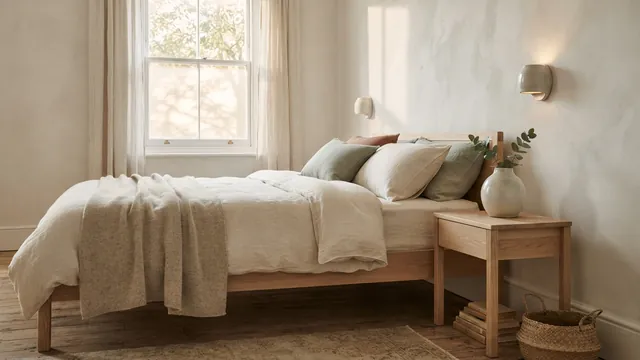
Master Bedroom — Color, Comfort and Personal Style
Build a calm, personal bedroom with smart choices and a budget that works.
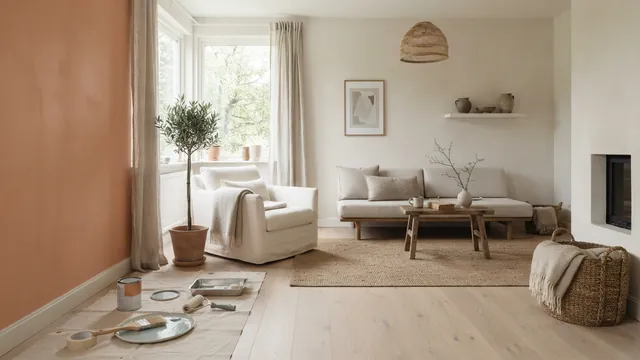
Room Painting Labor Costs — Rates and Budget Factors
See typical room-painting labor rates and learn what drives the final price.