How to Market an Interior Design Business and Win New Clients
Tight, practical strategies for interior design business promotion and more clients.
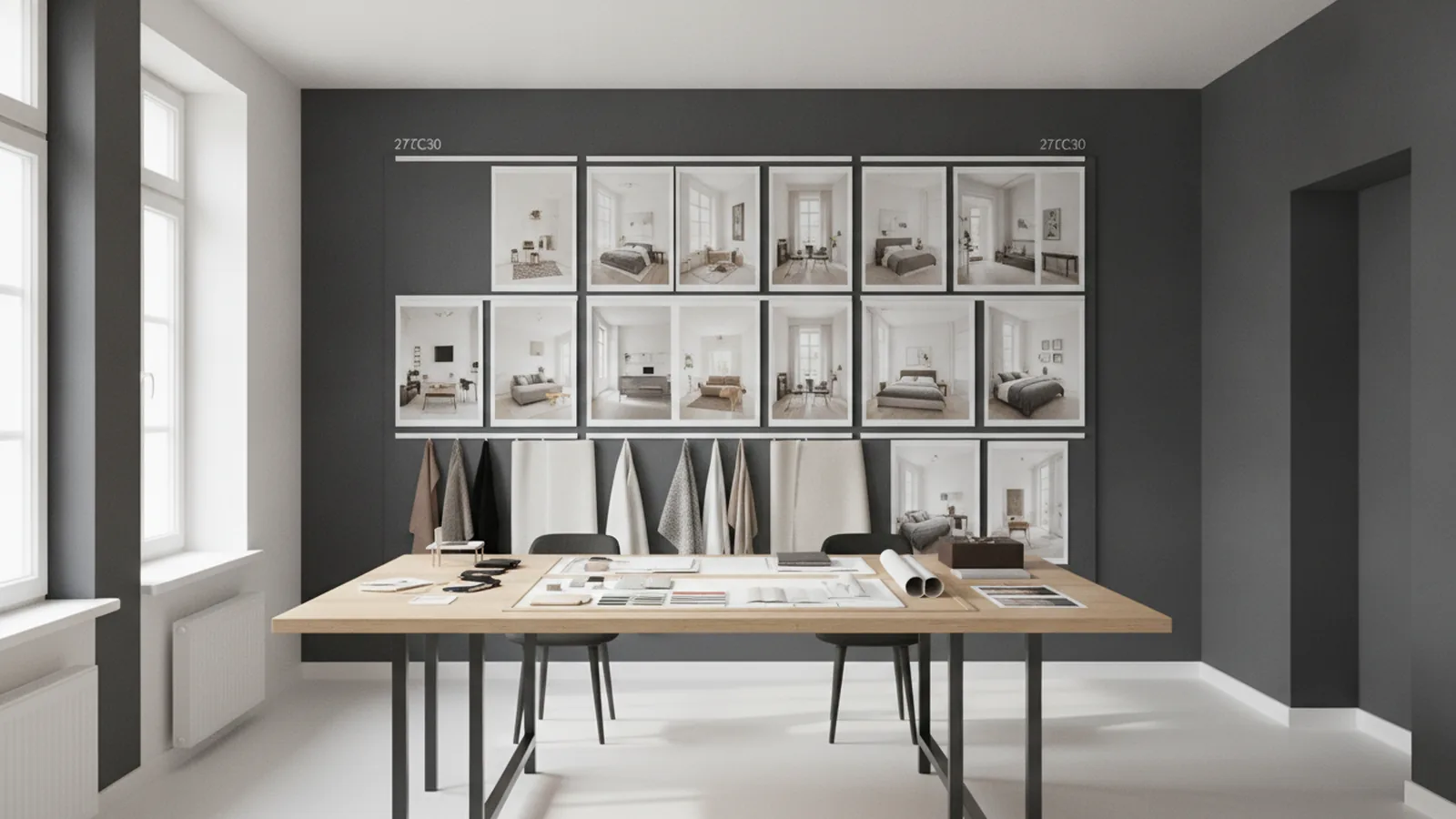
Define a niche so your marketing feels targeted
The fastest way to improve marketing results is to stop trying to appeal to everyone. Start with a clear answer to who you serve, what style you deliver, and which problems you solve. This is the core of how to market an interior design business without wasting spend.
Create a client persona based on real clues from your current work. Look at past projects and note home type, project size, timeline urgency, and the client’s biggest fear. Then translate that into demographics and design preferences you can use in pitches.
For example, you might focus on “modern family kitchens in the suburbs” or “small-space apartments with smart storage.” Your niche marketing should also include your process promise, like faster design approvals or a calmer renovation plan. That clarity makes it easier to write, post, and sell.
- Demographics: age range, income bracket, and household type
- Design preferences: styles, materials, colors, and must-have features
- Budget fit: typical project range and how you handle value options
- Decision triggers: relocation, new baby, sale prep, or home refresh
When you know what they want, you can shape your offers, case studies, and ad targeting. That also improves conversion because prospects recognize their needs in your content.
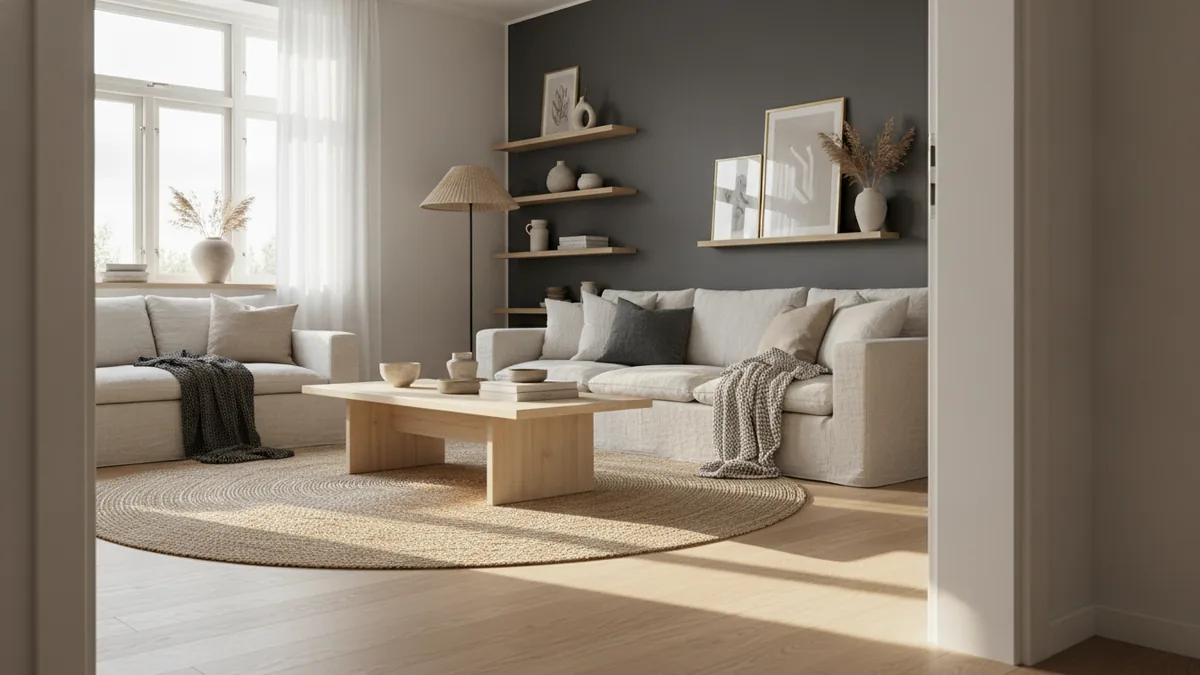
Build a brand identity people recognize in seconds
Brand positioning is what makes your business feel different, even if other designers offer “custom interiors.” Your visual identity should match your niche and your promise. This is how marketing for interior design services becomes memorable instead of generic.
Start with a logo and a consistent portfolio layout. Use the same fonts, spacing, and image tone across your site, Instagram, and proposals. If your portfolio already looks “premium,” align your brochure and ads to the same feel.
Your portfolio deserves more than a gallery grid. Add short project intros that explain the challenge, constraints, and your design choices. That turns your work into proof, which is one of the best ways to reach interior design clients who are comparing options.
| Brand element | What it should do | Quick example |
|---|---|---|
| Logo and color palette | Signal your style and credibility | Warm neutrals for “cozy modern” |
| Photography style | Make projects instantly recognizable | Bright daylight and wide angles |
| Portfolio structure | Explain outcomes, not just visuals | Before → constraints → design → result |
| Signature method | Give prospects a reason to choose you | “Plan-first design” with clear phases |
Keep the promise simple and repeat it. A strong interior design business promotion strategy is consistent, not complicated.
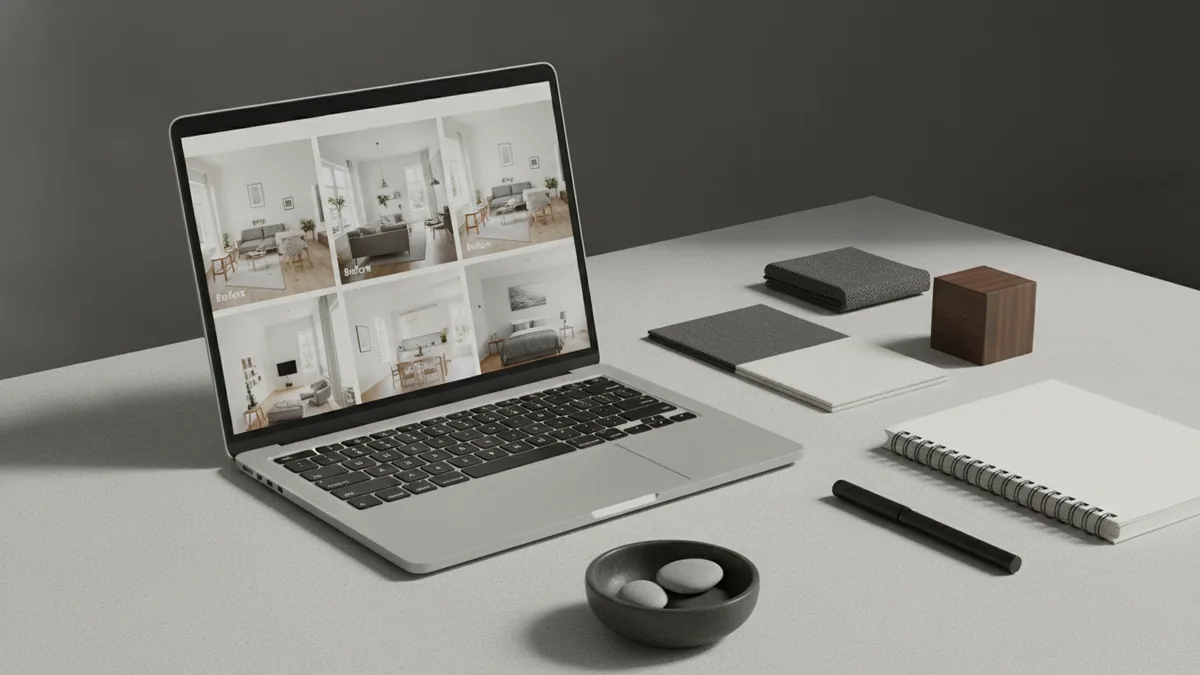
Leverage online platforms where homeowners actually browse
Your website should act like a sales tool, not a brochure. It needs a clear service menu, location targeting, and a portfolio organized by room type and style. If someone lands on your homepage from a social post, they should find your best work in under 30 seconds.
Use social media as a discovery channel, then push people toward your site. Posting project walkthroughs, design explainers, and client-ready tips builds trust before they contact you. This approach supports strategies for interior design marketing because it warms leads over time.
Track what brings in clients by measuring clicks from each platform. If a particular post format drives inquiries, double down on that format. Most designers improve faster by testing two or three repeatable content themes than by chasing trends.
- Choose 1–2 core platforms: often Instagram plus Pinterest, based on your audience
- Post with a purpose: show decisions, not only finished spaces
- Use proof: include testimonials and metrics like “timeline stayed on schedule”
- Make contact easy: short forms and clear calls to book a consult
Online platforms also help you collect topics for your content marketing. When you see repeated questions in comments, turn them into blog posts and guides.
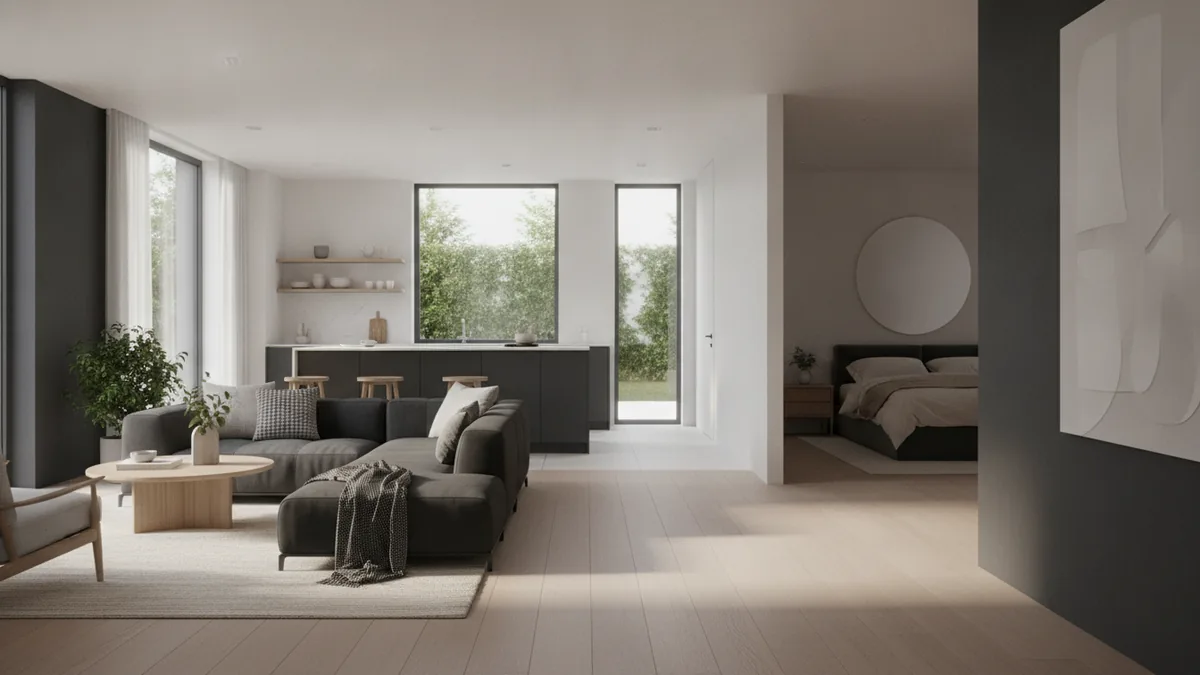
Use local SEO to show up when people search “near me”
Local SEO is often the most direct path to booked projects for interior designers. People searching for “interior designer near me” are usually comparing providers within a short radius. Optimize for those searches by tying your site content to your service areas and neighborhoods.
Create a Google Business Profile account and fill it out completely. Add service categories, your service area, a strong description, and high-quality project photos. Then ask every satisfied client for a review after a meaningful milestone, not only at the end of the project.
Reviews are a visibility engine. Aim for steady growth, like 2–4 reviews in the first 60 days, then maintain a consistent pace. That helps your listing rank and improves click-through because homeowners trust social proof.
- Keyword placement: include relevant phrases on pages for each service and location
- Service pages: write unique pages for “kitchen design,” “full home styling,” or “room refresh”
- Project pages: add your location and design goals to each case study
- Local proof: embed testimonials that mention the neighborhood or city
- Photo freshness: upload new images monthly so your profile stays active
For website SEO, incorporate relevant keywords naturally in headings and body text. If you offer multiple services, build separate pages so each one can rank for the right intent.
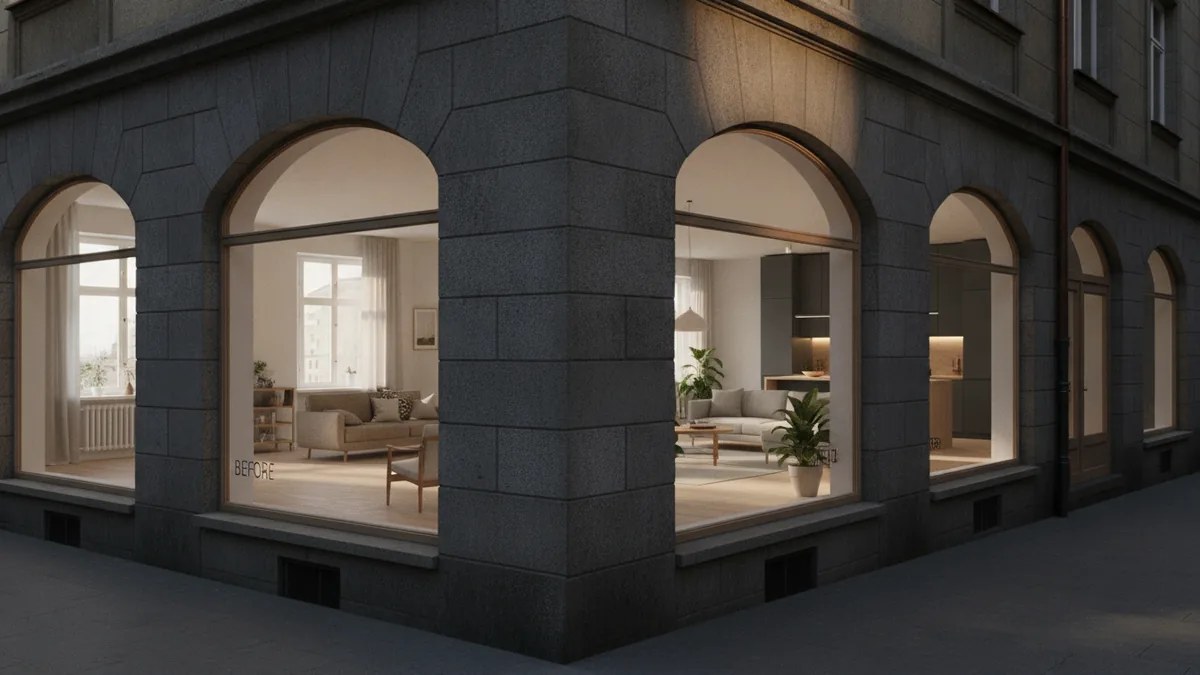
Create content marketing that demonstrates expertise
Content marketing turns your experience into repeatable growth. Instead of only posting finished rooms, write blogs and case studies that show how you think. This is especially effective for how to market interior design services because clients want to feel confident in your process.
Start with topics that answer pre-sales questions. Examples include “How to plan a small kitchen layout,” “A guide to choosing lighting layers,” and “What to expect in a full-service design engagement.” Each post should include practical steps and a short takeaway checklist.
Case studies should include numbers where possible. If you reduced redesign time, improved storage capacity, or stayed on a budget target, mention it. Even simple metrics help people trust you faster than a gallery alone.
| Content type | Best for | Example angle |
|---|---|---|
| Blog post | Top-of-funnel search | Explain a design decision step-by-step |
| Case study | Decision stage | Before/after with constraints and tradeoffs |
| Checklist | Lead capture | “Questions to ask before hiring a designer” |
| FAQ guide | Objection handling | Timelines, costs, and design-only vs full service |
Also link content to your booking funnel. At the end of each article, invite readers to request a consult or a similar offer. That closes the gap between learning and contacting.
Use email marketing to keep leads warm and ready to book
Email marketing works because it’s predictable and relationship based. Many homeowners only reach out after they’ve seen enough proof. A regular newsletter lets you share design tips and updates from real projects.
Build your list from two places: your website form and lead magnets. A simple option is a downloadable “room plan checklist” or “design timeline guide.” The goal is to attract people who match your client persona and will actually read.
For campaigns, include a mix of value and proof. Send design tips, then add one short project update or mini case snippet. This keeps your brand visible while moving people toward a consultation.
- Welcome sequence: 3–4 emails that explain your process and services
- tips plus one project highlight
- back-to-school styling, holiday entertaining, summer refresh
- a “last chance” consult offer for quiet subscribers
Make every email actionable. Instead of “contact us,” offer a next step like “book a 15-minute fit call” or “reply with your room dimensions.”
Invest in paid ads to boost visibility quickly
Paid advertising can accelerate growth when you have clear targeting and strong creative. Start with small budgets and measure leads, not only clicks. If your ads bring the wrong audience, your landing page and offer will need adjustment.
Google Ads can capture high intent. Use keywords related to interior design services and your location, then send traffic to dedicated service pages. That supports how to reach interior design clients who are already searching and ready to compare.
Social media ads work best when you show visual proof. Use photo and video ads that highlight your design process and before/after transformations. Then retarget visitors who viewed your portfolio or service pages.
- Google Ads: search campaigns for location-specific terms
- Social media promotions: video walkthroughs and carousel before/after
- Retargeting: show ads to people who visited key pages
- Landing pages: match the ad promise to a specific service
- Creative testing: rotate 2–3 styles of ads every month
Think of paid ads as a testing tool for business promotion. The winners teach you what your audience responds to, and then your content can scale those themes organically.
Put it all together with a simple weekly rhythm
Most designers don’t lack ideas. They lack a schedule that links content, SEO, and lead follow-up. Create a weekly rhythm that supports how to market your interior design business across channels.
One example schedule is: one portfolio update or project post, one educational blog draft, and one local visibility task. That might be requesting reviews, updating your Google Business Profile photos, or polishing a service page.
Then reserve time for lead response. A fast reply matters when prospects are actively choosing a designer. Aim to respond within the same day for consult requests and inquiries.
- 1 social post that shows your process or a design decision
- 1 content step toward a blog, case study, or guide
- 1 local task like reviews, photos, or profile updates
- 1 outreach step like follow-up emails for new leads
This is a practical way to turn strategies for interior design marketing into consistent results. Over time, you build a brand that looks professional, ranks locally, and converts interest into booked projects.
Frequently asked questions
- What are effective strategies for interior design marketing?
- Focus on niche positioning, a strong portfolio, local SEO, and consistent content. Then add email newsletters and small paid tests to convert faster.
- How do I reach interior design clients in my city?
- Optimize service pages for local search, set up Google Business Profile, and request reviews. Publish location-relevant case studies to build trust with nearby prospects.
- How can I market interior design services if I’m starting out?
- Show your process, not just finished rooms. Build a small content library with before/after projects, design tips, and a clear booking offer on your website.
- Should I use social media strategies or SEO first?
- Use both, but start with what you can publish consistently. Local SEO helps long-term, while social content quickly builds recognition and demand.
- What should my interior design website include to convert visitors?
- A clear service menu, strong portfolio sections, client testimonials, and simple calls to book a consult. Also include keywords naturally in headings and page text.
- How do paid ads fit into business promotion for interior designers?
- Use ads to test creative and capture high intent searches. Send traffic to service-specific pages and retarget visitors who viewed your portfolio.
Related reading
Couch Placement—Flow, Focus and Comfort
Place your couch to frame a focal point, keep paths clear, and make the room feel balanced.
Master Bedroom — Color, Comfort and Personal Style
Build a calm, personal bedroom with smart choices and a budget that works.
Room Painting Labor Costs — Rates and Budget Factors
See typical room-painting labor rates and learn what drives the final price.