Working With an Interior Designer — From Brief to Build
Set a clear brief, share your style, and keep your design project moving.
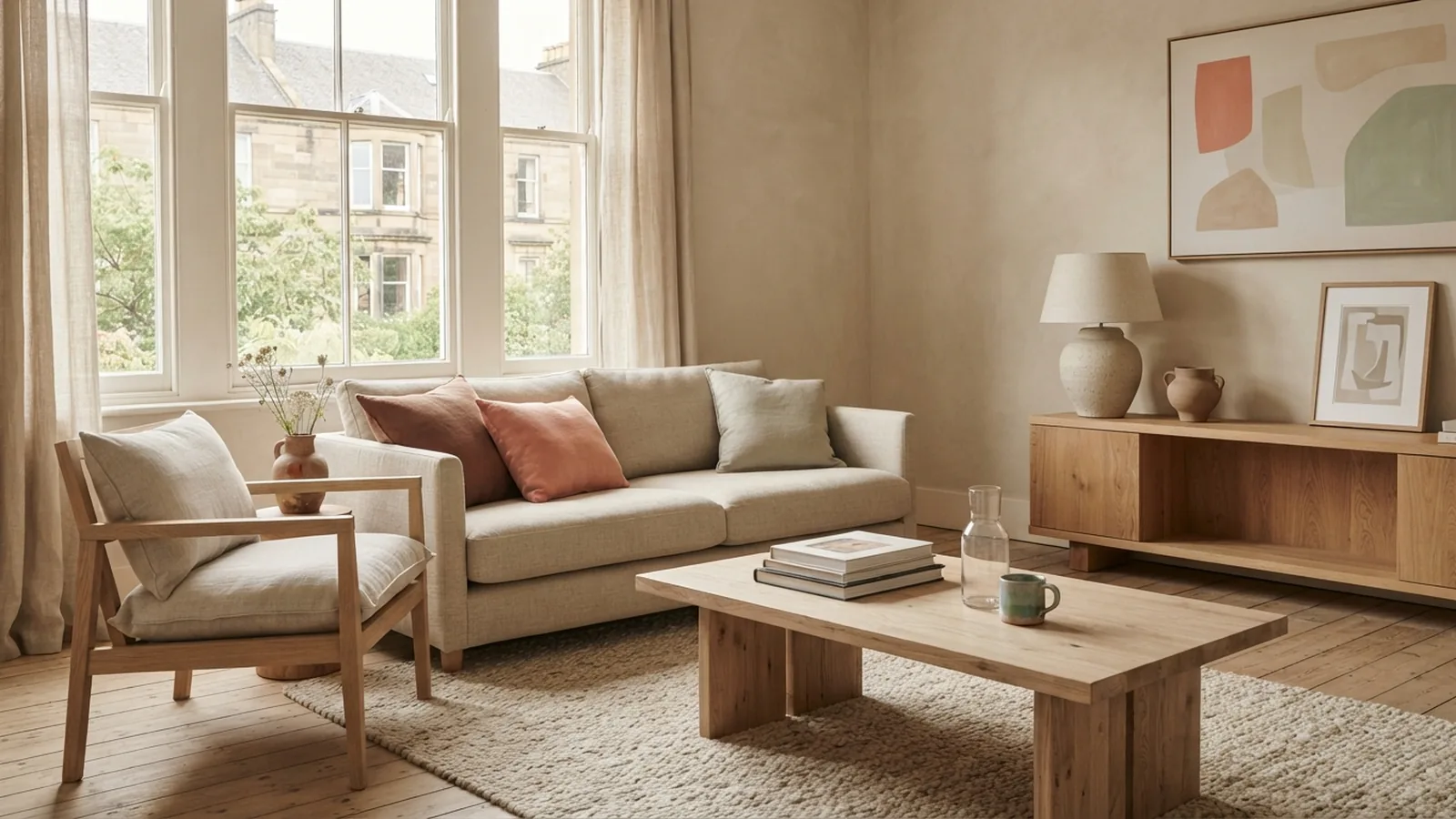
What an Interior Designer Brings to Your Project
To work well with an interior designer, share your goals early, agree on a budget, and keep feedback clear. Treat the project as a joint process. Your designer brings design skills; you bring the knowledge of how your home needs to work.
An interior designer plans how people move through a room and how its parts fit together. They use space planning to make rooms feel useful, not just attractive. They also draw on color theory, materials, lighting, and furniture to create a coherent look.
That work can include measuring rooms, drafting plans, sourcing finishes, and coordinating with trades. The exact role varies by project and contract. Ask what the designer will handle before work starts.
Good design makes daily life easier. A small entryway might need a slim shoe cabinet, hooks, and clear walking space. In a kitchen, the designer may plan storage and work areas around your routines.
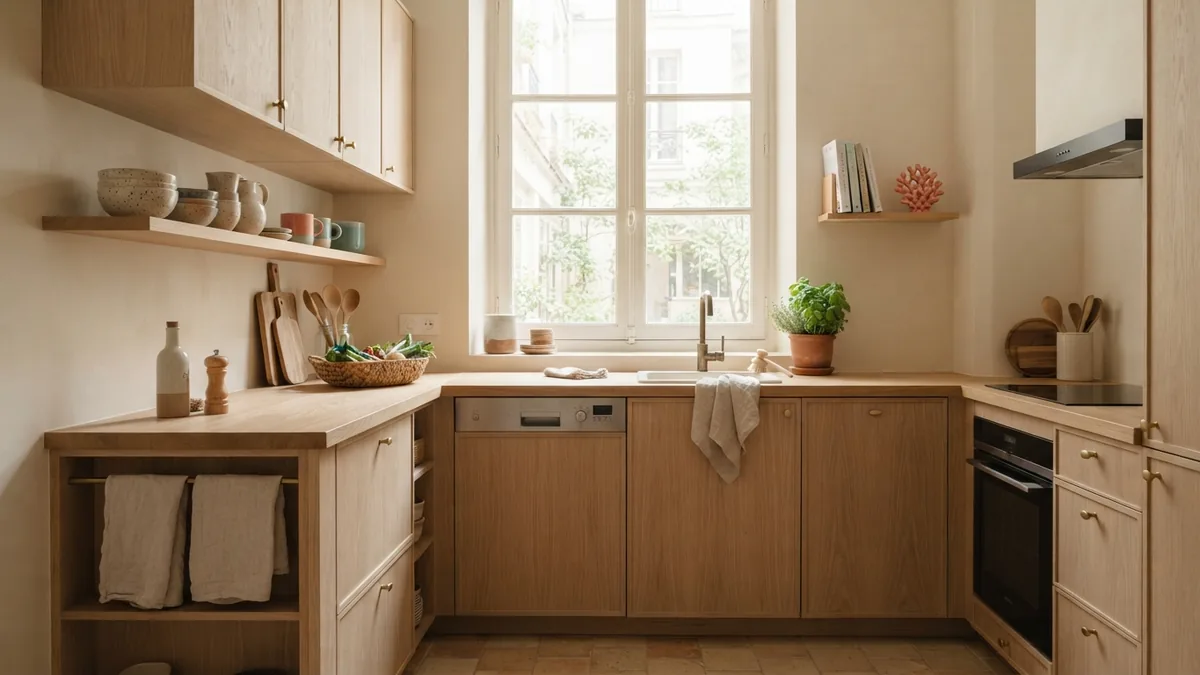
Why Hiring a Designer Can Save Time and Money
One of the main benefits of hiring an interior designer is fewer avoidable mistakes. A designer can help check measurements, spot layout problems, and flag finish choices that may not suit the room. That can lower the risk of buying the wrong items or changing work midway.
Renovations often involve many choices and several trades. Your designer may help you compare options, set priorities, and track decisions. If project management is part of the agreement, ask how they will coordinate schedules and updates.
Designers can also help you spend with purpose. They might suggest investing in durable flooring while choosing less costly accents. A clear plan helps you avoid rushed purchases that do not fit your space or style.
Set expectations, though. A designer cannot promise that every build will stay on time or within budget. Ask how they handle delays, price changes, and added work before signing.
How to Choose a Designer Who Fits
Choosing the right interior designer starts with your project needs. Decide whether you want advice on one room, a full renovation plan, or help through construction. Then look for designers with work that matches the scope and feel you want.
Review portfolios closely. Look for examples of similar room sizes, building types, and budgets. Notice how each space works, not only how it looks in a finished photo. Ask what parts of a shown project the designer led.
Read client reviews and ask for references when possible. Reviews can reveal how well a designer listens, handles changes, and shares updates. In a first call, ask about fees, timelines, services, and how decisions get approved.
- Check that the designer has experience with your type of project.
- Ask for a written list of services, fees, and likely extra costs.
- Find out who will be your day-to-day contact.
- Choose someone whose way of working feels clear and respectful.
Fit matters as much as style. You will make many choices together, so look for someone who explains trade-offs without dismissing your preferences.
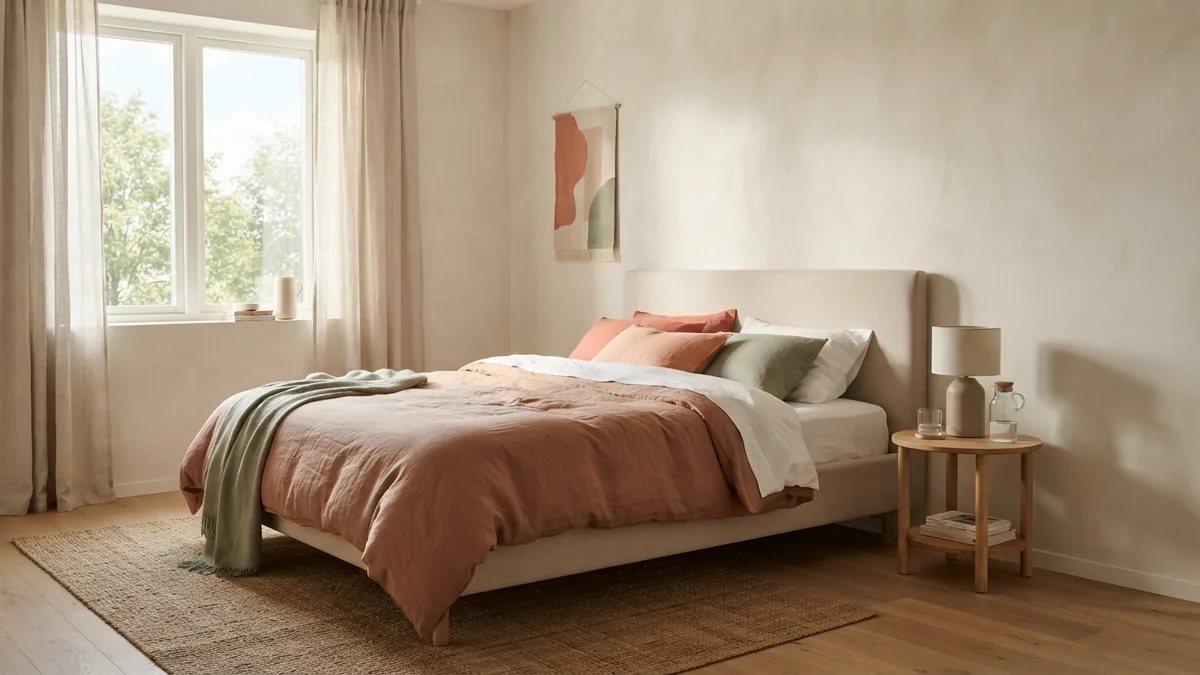
Prepare for Your First Design Meeting
A little preparation makes a design consultation more useful. Before the meeting, gather room measurements, photos, and any plans you have. Note what you like and dislike about the space, including daily frustrations.
Set a realistic budget range before you meet. Include design fees, materials, furniture, labor, and a reserve for surprises. If you do not know exact costs, say so. Your designer can help shape the plan around your spending limit.
Make a wishlist, then sort it by need. For example, a family might rank better storage first, more seating second, and new lighting third. This gives the designer a way to protect your top needs if the full wish list will not fit the budget.
Bring reference images, but explain what you like in each one. You may prefer the warm wood in one room and the calm colors in another. The details help your designer understand your interior style without copying a single picture.
- Write down your goals, pain points, and must-haves.
- Gather room photos, measurements, and useful plans.
- Set a budget range and name your top priorities.
- List questions about fees, timing, and the work process.
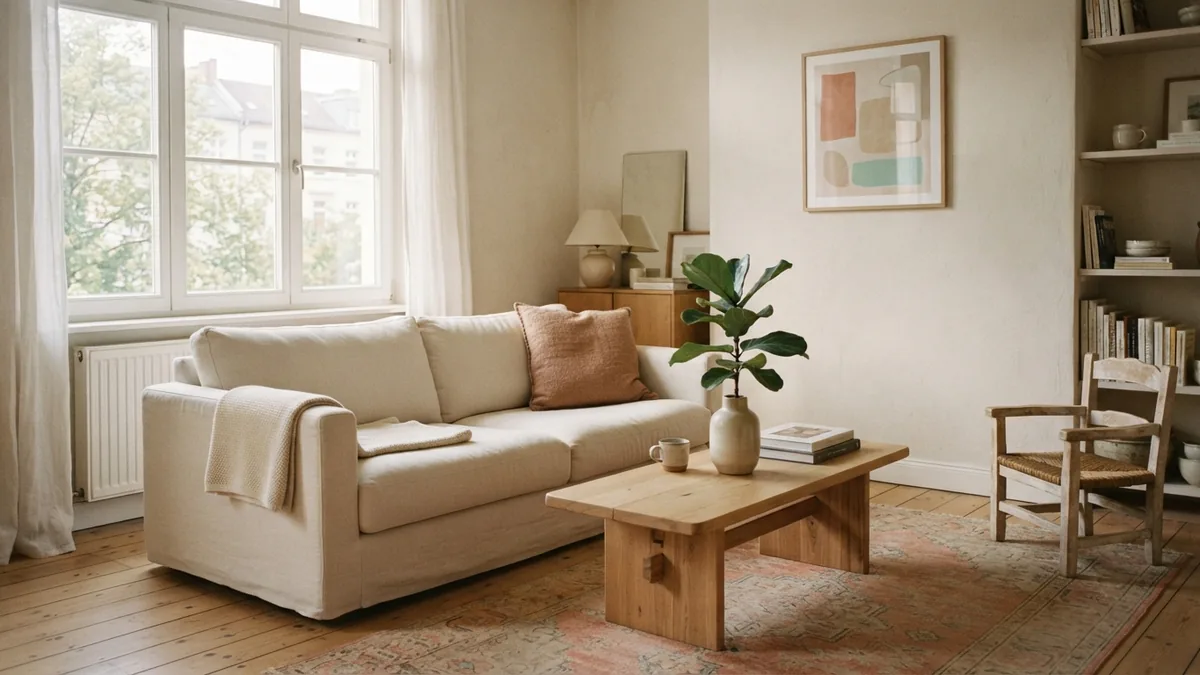
Communicate Your Vision With Useful Feedback
Clear communication turns personal taste into design choices. Use plain words to describe how you want a room to feel and function. “Calm, bright, and easy to clean” gives more direction than “make it nice.”
Share examples, but be specific about what draws you to them. Mention color, shape, texture, storage, or light. Also share what you dislike, such as glossy surfaces or crowded shelves. This gives your designer useful limits.
When reviewing a plan, focus on the result and the reason behind it. Instead of saying “I hate this,” try “I need more closed storage near the entry.” If a choice feels wrong, explain what does not fit your needs.
Give feedback in one clear round when you can. Keep notes in one shared document or email thread, and name the plan or finish you mean. Mixed messages can lead to rework, so agree on who gives final approval.
Your designer may suggest options you had not considered. Ask what each choice changes in cost, upkeep, or room use. You do not need to accept every idea, but a reasoned discussion leads to better choices.
Keep the Project on Track Together
Agree on a simple way to stay in touch before work begins. Set regular check-ins, such as a weekly email or a short call every two weeks. Use them to review progress, open questions, and decisions due soon.
Ask for a schedule with key dates and decision points. You may need to approve a layout before ordering cabinets, or choose tile before a contractor can finish a bathroom. Knowing what is due helps you avoid delays.
Keep track of the budget as choices change. Ask for written approval before added work or new costs begin. A shared list of decisions, prices, and due dates can prevent confusion later.
Be prompt when the designer asks for a choice, but take time with costly decisions. If you need more detail, ask for a sample or a side-by-side comparison. Regular check-ins keep the project tied to your vision and give small issues room to surface early.
For a smooth client-designer relationship, stay open and direct. Your designer should explain the options; you should share what matters most. That steady exchange helps the finished space feel personal and work well every day.
Step-by-step
- 01 Set goals and budget
Write down your room needs, top priorities, and budget range. Include design fees, materials, labor, and a reserve for unexpected costs.
- 02 Find designers who fit
Review portfolios and client feedback for work like yours. Ask about services, fees, timelines, and who will manage day-to-day updates.
- 03 Prepare for the first meeting
Gather photos, measurements, plans, and a ranked wishlist. Bring reference images and explain the details you like in them.
- 04 Give clear feedback
Describe what works and what needs to change in terms of function, feel, or upkeep. Keep notes and approvals in one shared place.
- 05 Track decisions and progress
Set regular check-ins and review key dates, costs, and choices. Ask for written approval before added work or costs begin.
Frequently asked questions
- How do I work with an interior designer?
- Set goals, share your budget, and explain how you use each room. Review plans and choices together, then keep feedback and approvals in one clear channel.
- What should I bring to a first meeting with an interior designer?
- Bring room photos, measurements, a budget range, and a wishlist ranked by need. Reference images help when you explain what you like about each one.
- How do I choose the right interior designer?
- Review portfolios for similar projects, read client reviews, and ask about fees, services, and timelines. Choose someone whose work and communication style fit your needs.
- Can an interior designer help me stay on budget?
- A designer can help set priorities, compare options, and spot choices that may cause rework. Agree on fees, added costs, and budget updates in writing.
- How often should I check in with my interior designer?
- Agree on a schedule that fits the project, such as a weekly email or a call every two weeks. Check-ins should cover progress, open questions, and upcoming decisions.
Related reading
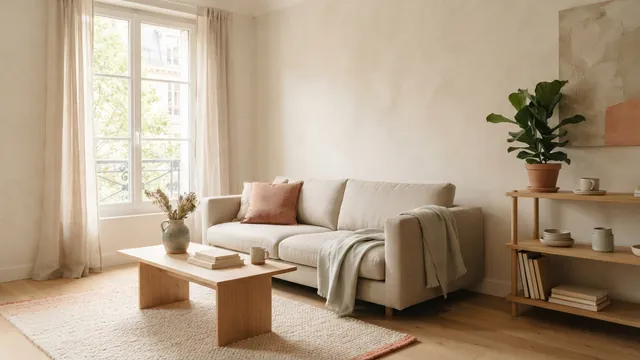
Interior Design — Roles, Skills, and Career Paths
See how interior designers shape useful, safe, and beautiful spaces.
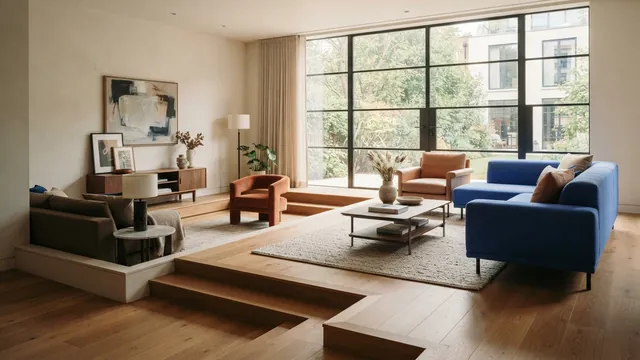
Sunken Living Rooms: Design, Building, and Filling Guide
Learn the benefits, risks, build steps, and design choices for sunken living rooms.
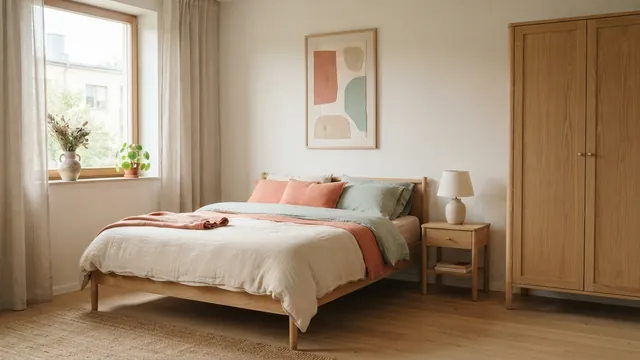
Bedroom Rules — What a Closet Does and Doesn’t Decide
A closet may help a bedroom sell, but local safety rules decide whether it qualifies.