Living Room Drapes — Light, Color and Style
Choose drapes that balance light, privacy, color, and room style.
Understanding Drapes and Their Role
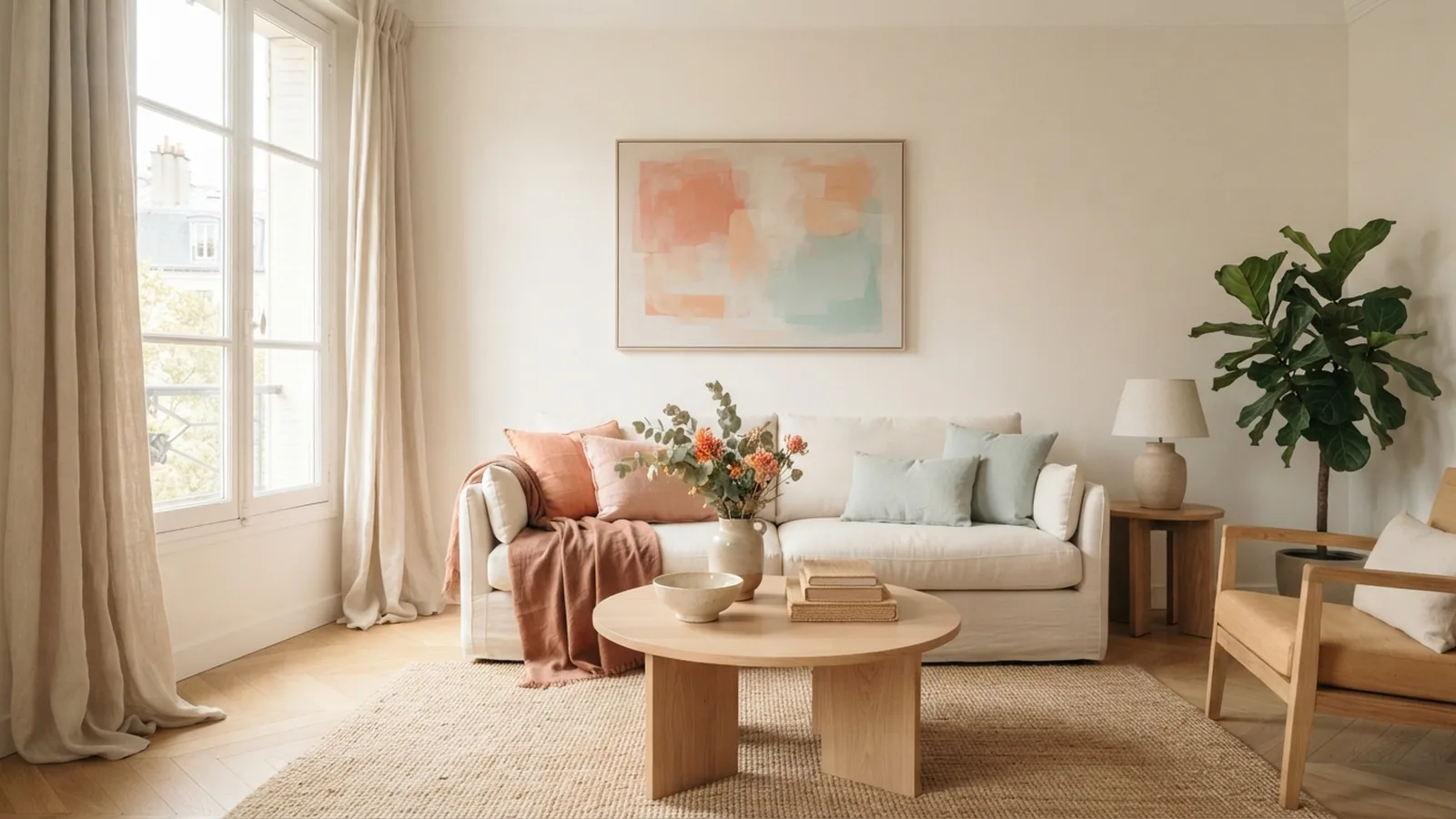
Drapes change how a living room looks and feels. They frame the window, soften hard edges, and can make a ceiling seem taller. Their fabric also shapes the light in the room. Good choices support the space instead of competing with it.
Start by asking what each window needs to do. A street-facing window may need more privacy at night. A sunny room may need less glare on screens or less direct sun on furniture. These needs will help you decide which fabric and lining to consider.
If you are wondering how to choose drapes for living room style and function, begin with light, privacy, and the room’s colors. Then think about length, fullness, and how the panels will move. This order makes shopping easier. It also helps you avoid choosing a fabric based only on a small store sample.
Factors to Consider When Choosing Drapes
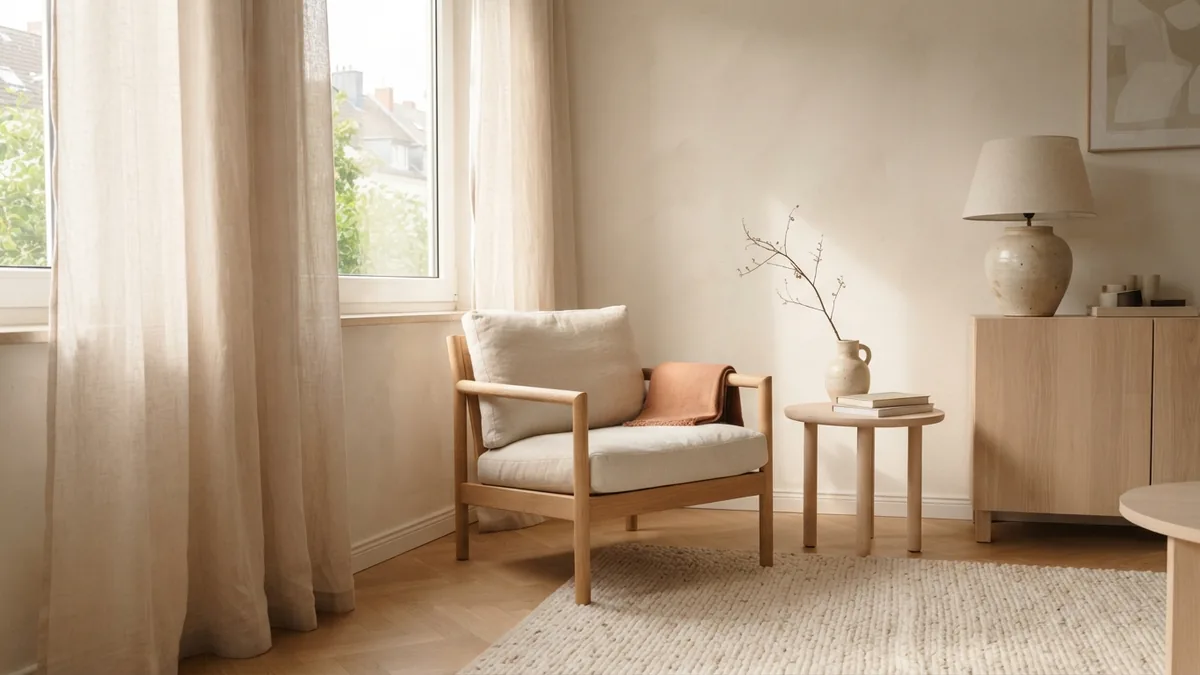
Fabric affects both light and mood. Sheer linen or cotton lets daylight pass through and gives the window a soft edge. A heavier weave offers more cover. Add a lining when you need stronger light control, but check how much weight the rod can hold.
Measure the window before you shop. For a full look, the panels’ combined width is often about one and a half to two times the rod width. Choose less fullness for a neat, spare look. Choose more when you want deep folds and a softer frame.
For length, measure from the rod to the floor. A hem that just touches the floor looks clean and works well in busy rooms. A slight break at the floor feels more relaxed. Avoid long puddles where children, pets, or frequent cleaning make them hard to manage.
Mount the rod above the window frame when the wall allows. Extend it beyond both sides, so open panels cover less glass. Check for nearby walls, shelves, and furniture first. Small changes in rod placement can make the window feel wider and taller.
- Use sheer panels when soft daylight matters most.
- Choose lined panels for more privacy or light control.
- Match the rod and rings to the panel weight.
- Measure the window and the space around it before you buy.
To decide where to buy drapes for living room use, compare local home shops with online sellers. Check return rules, fabric samples, lining choices, and panel width before placing an order. A low price may not help if the panels are too narrow or cannot be returned.
Matching Drapes with Living Room Decor
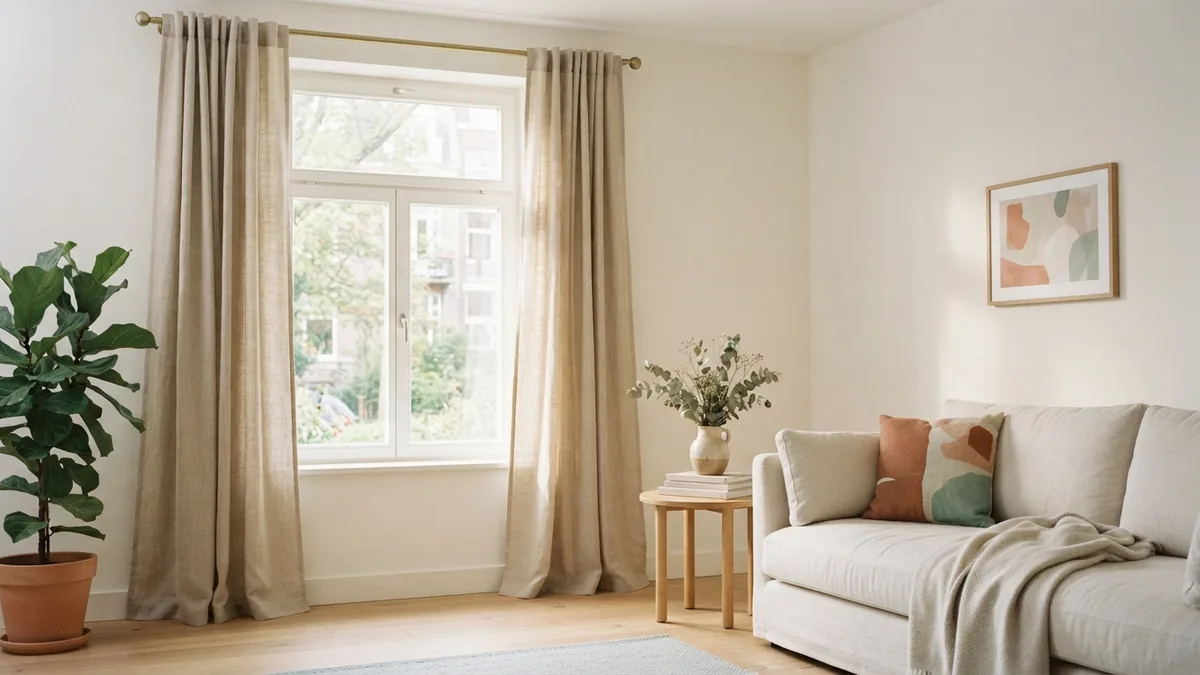
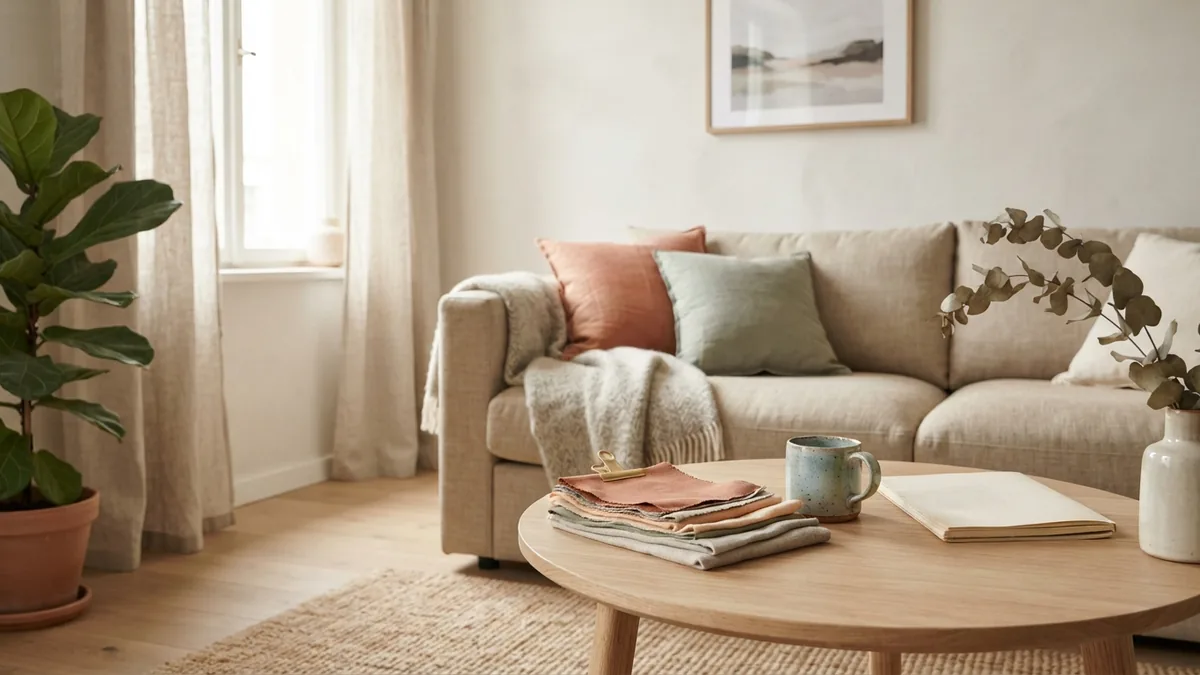
Look at the walls, sofa, floor, and largest decor pieces before choosing a shade. In a neutral room, oat or soft green panels add gentle contrast. In a room with bold furniture, plain drapes can give the eye a place to rest. This is the heart of drapes color selection.
Matching furniture and drapes does not mean using the same shade twice. Link them through a shared undertone or one repeated color. Sage panels can echo a green detail in a cushion. Warm clay drapes can pick up tones in a wood table or ceramic vase.
Keep the room’s style in view. Plain linen suits many Scandinavian, coastal, and Japandi rooms. A soft neutral can work in a farmhouse space. In a room with mixed styles, let the drapes connect two or three colors that are already present.
Rugs also help set the room’s palette. When people ask how to choose rug color for living room use, a useful starting point is to repeat one color from the sofa, art, or drapes. For how to choose rug size for living room seating, check that the front legs of the main seats can rest on the rug. These choices should support the drapes, not distract from them.
Styling Tips for Drapes
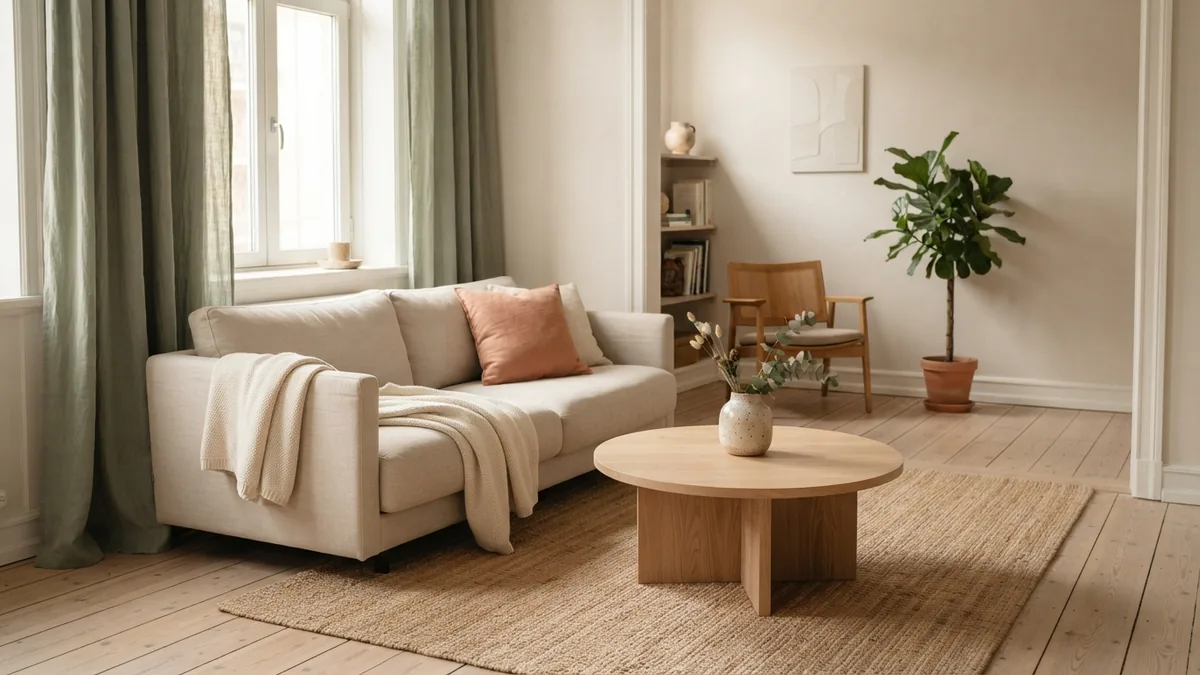
Bring fabric samples home and view them in daylight and after dark. A shade may look warmer or cooler beside your wall than it did in the shop. Hold each sample near the sofa and floor. This simple check can prevent a costly mismatch.
Use a few small accents to link the window with the seating area. A cushion, throw, or art detail can repeat the drape color. Two or three touches are usually enough. Too many exact matches can make the room feel stiff.
Pattern needs room to breathe. If your sofa has a bold print, choose plain panels or a quiet texture. If the furniture is plain, a small stripe can add interest. Check the pattern from across the room, since scale matters most at a distance.
Rug choices can vary by room. For dining, how to choose rug color for dining room use depends on nearby wood, chairs, and wall tones. For how to choose rug size for dining room use, allow chairs to stay on the rug when pulled back from the table. In a bedroom, how to choose a rug color for bedroom use can start with the bedding and floor. These are separate choices, but their colors can still sit well beside nearby drapes.
Popular Drapery Styles
Sheer curtains suit rooms where daylight is a priority. They soften the view without making the window feel closed. They offer little privacy after dark, so pair them with another panel if the room faces a street or close neighbor.
Blackout curtains block much more light and can help reduce glare. They work well when the room needs strong light control. If a full blackout panel feels too heavy, choose a softer color or a lighter outer fabric with a lining.
Grommet curtains slide along a rod with ease and form broad folds. They often suit casual, clean-lined rooms. Pleated curtains look more tailored and work well in classic or formal spaces. Both styles need a rod that suits their weight and the way you want the panels to hang.
These drapery styles for living room windows each serve a different need. Look at how often you open the panels and how much cover you want. The best style is the one that works with the room every day.
Final Recommendations for Choosing Drapes
Before you order, check the fabric, lining, color, panel width, and finished length. Compare the sample with your wall and furniture in more than one kind of light. Make sure the rod can hold the panels and that open drapes will not block the window.
Keep living room decor and drapes in balance. A bold room often benefits from quiet panels, while a plain room can handle texture or a gentle pattern. If you also plan to choose a rug for a room, treat it as part of the same palette. The drapes, rug, and furniture should relate without matching exactly.
Good drapes make the room feel more settled. They control light, frame the view, and tie key colors together. Choose for the way you use the room, then refine the look with samples and careful measurements.
Step-by-step
- 01 Set the room’s needs
Decide how much light control and privacy each window needs. Note glare, sun exposure, and nearby sightlines.
- 02 Measure the window
Measure the rod width and the distance from the rod to the floor. Plan panel fullness and rod extension before shopping.
- 03 Choose fabric and style
Compare sheer, lined, and blackout fabrics. Pick a panel style that suits how often you open the drapes.
- 04 Check color at home
Bring samples home and compare them with the walls, sofa, and floor in daylight and evening light.
- 05 Order and fit the panels
Confirm panel width, length, lining, and return terms. Fit the rod securely and check that open panels do not block much glass.
Frequently asked questions
- How do I choose drapes for a living room?
- Start with light control, privacy, and the room’s color scheme. Then choose fabric, length, and a style that suits your furniture.
- Should living room drapes touch the floor?
- They can just touch the floor for a neat finish. A slight break looks more relaxed, while long puddles need more care.
- How do I match drapes with living room furniture?
- Choose a shade with a shared undertone or repeat one color from the sofa, rug, or cushions. The colors should relate without being identical.
- Where can I buy drapes for a living room?
- Compare home shops and online sellers. Check fabric samples, panel width, lining options, and return rules before you buy.
- How do I choose a rug for my living room?
- Pick a color that relates to the sofa, art, or drapes. Choose a size that lets the front legs of the main seating rest on the rug.
- How should a rug work with drapes in a dining room or bedroom?
- Use nearby furniture and bedding as color cues. In a dining room, leave enough rug beneath pulled-back chairs; in a bedroom, relate the rug to the bedding and floor.
Related reading
High Ledges — Display Ideas for Living Rooms and Bedrooms
Style a high ledge with well-scaled decor, calm colors, and safe placement.
Dining Table Finishing — Paint, Stain and Protection
Strip, refinish and seal your dining table for a fresh look that lasts.
Decorating a Pink Room — Color, Texture and Warmth
Use balanced color, layered textures, and warm light to make a pink room feel personal.