Interior Design — Salary, Skills, and Career Outlook
See what interior designers earn, study, and do at work.
What interior designers earn
Does interior design pay well? It can, though pay varies by location, experience, and the work you do. One U.S. estimate puts average annual pay near $74,540 and median pay at $67,190. The median means half earn more and half earn less.
The top 10% earn more than $114,140 a year, while many early-career designers earn less. These figures are useful benchmarks, not a promise of what any one job will pay. Check current local listings and wage data before weighing an offer.
The U.S. Bureau of Labor Statistics profile for interior designers covers pay, job duties, and entry paths. Compare its latest figures with the salary range in the city where you plan to work. A national average can hide sharp local differences.
- Median pay is a useful midpoint, not a starting salary.
- Top earners may lead teams, serve high-budget clients, or run firms.
- Salary data can vary by year and by the source that reports it.
Why pay changes from one designer to another
Location has a large effect on earnings. San Jose and Washington, D.C., can offer higher pay than many smaller markets. Yet higher wages may come with higher rent, travel costs, and business expenses.
Experience also matters. A new designer may help with drawings, samples, and site visits. A senior designer may lead projects, set budgets, win clients, and guide junior staff. Those added duties can raise pay.
Work type shapes both pay and daily tasks. Commercial projects may involve offices, shops, or hotels, with larger teams and strict building needs. Residential work often centers on homes, personal taste, and closer client contact. Pay depends on the firm, project size, and fee model.
Before accepting a role, look beyond the base salary. Ask how the firm handles bonuses, overtime, travel, and paid leave. Also ask what you will own on each project. A lower offer may still provide strong training, but the trade-off should be clear.
Education, training, and tools you may need
Does interior design require a degree? Many employers seek a bachelor’s degree in interior design or a related field. Some roles may accept a diploma or a mix of training and work experience. Degree needs can also depend on local rules and the type of work.
Good programs teach color, lighting, materials, drawing, and space planning. Students often learn design software and how to present ideas to clients. A strong portfolio matters because it shows how you solve real design problems, not just what classes you took.
Some U.S. states require a license or limit who can use the title “interior designer.” Rules vary, so check the state board before you plan a career path. The BLS profile outlines common education and work needs, but local rules may add steps.
- Build a portfolio with plans, layouts, and finished work.
- Learn CAD (computer-aided design) to draft clear floor plans.
- Practice budgets, project schedules, and client presentations.
- Seek internships or junior roles to gain site experience.
Designers also need listening, problem-solving, and clear writing skills. Clients may change their minds or face limits on cost and time. A designer must explain choices in plain terms and keep the work on track.
How geometry helps shape a room
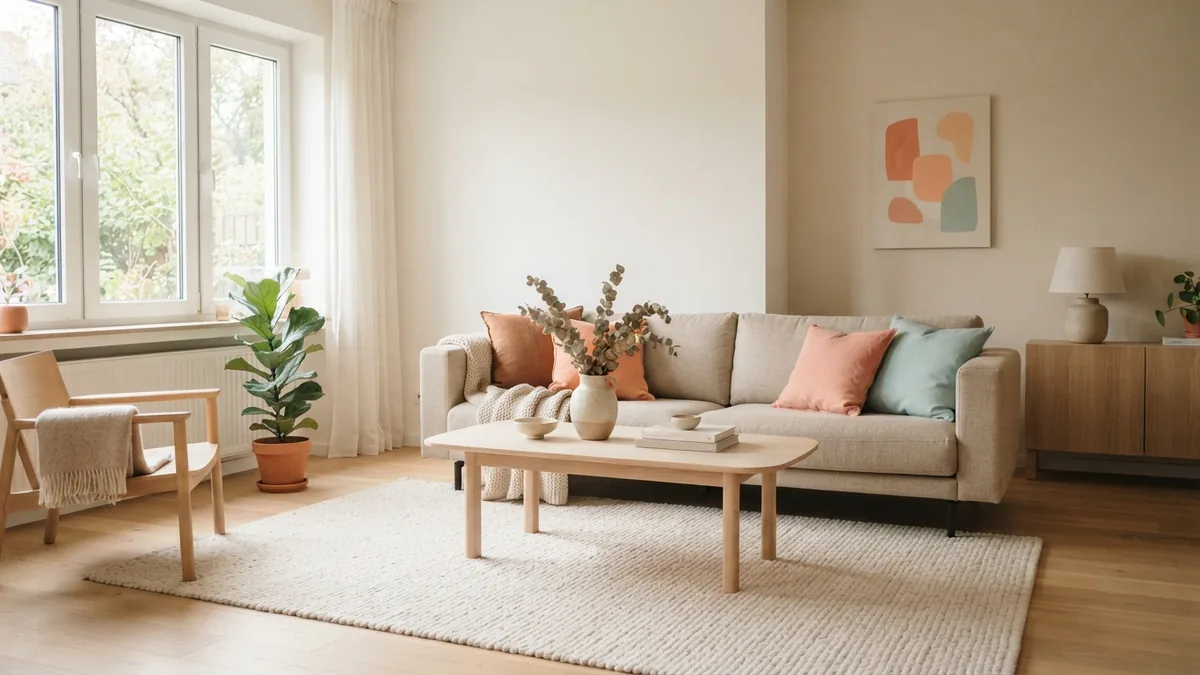
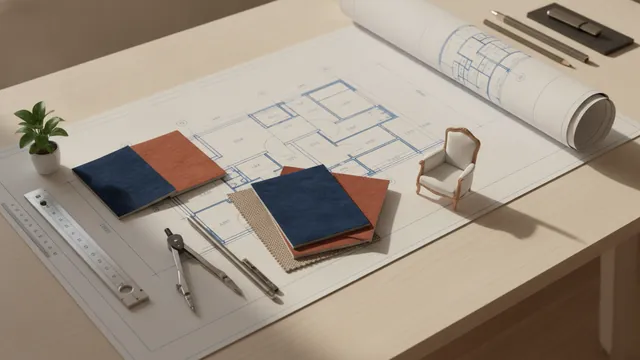
Interior design and geometry go hand in hand. Designers use shape, scale, and proportion to plan rooms that feel balanced and work well. They measure walls, doors, and furniture before drawing a layout.
For example, a designer may map a sofa and table to keep a clear path through a living room. They can use area and simple ratios to check whether furniture will crowd the space. CAD tools help turn those measurements into floor plans and views.
Math is part of the job, but it is usually practical. Designers may work out square footage, fabric needs, or the number of lights for a space. They also check dimensions against product specs and site measurements.
Careful measuring saves time and money. A plan that ignores door swings or outlet spots can cause costly changes. Good spatial awareness helps a designer spot those issues before work begins.
Career paths and job prospects
Interior designers work for design firms, builders, retailers, and large companies. Some focus on homes, while others plan offices, hotels, stores, or health spaces. With experience, designers may lead projects, manage teams, or start their own firms.
Work often blends desk time with visits to homes or job sites. Designers meet clients, prepare plans, choose finishes, track costs, and work with builders. The exact balance depends on the firm and the project.
The BLS expects modest job growth for interior designers over the next decade, with openings also tied to workers leaving the field. This points to a steady but competitive path. A focused portfolio and solid software skills can help new applicants stand out.
Prospective designers should look at local job posts before choosing a specialty. Note the software, degree, and years of experience that employers request. This gives a more useful picture than a broad national forecast.
Interior designers and decorators: what is the difference?
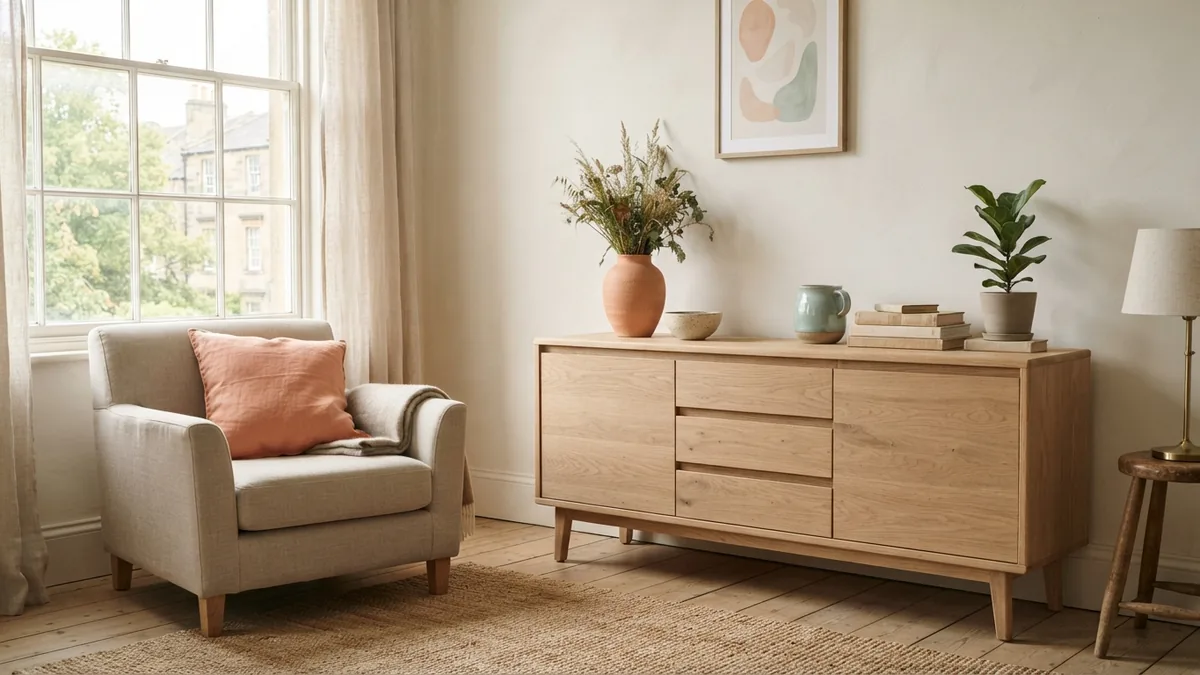
Interior designers plan how a space works as well as how it looks. Their work can include room layouts, lighting plans, finish choices, and coordination with builders. Some projects may also involve safety rules and building needs.
Decorators tend to focus on the look of a finished room. They may select paint, furniture, fabrics, and accessories. Many decorators do not need a design degree, though training and experience can help.
The line can vary by project and local rules. Some designers offer decor services, and some decorators have deep skill in space planning. Ask each professional what work they handle and whether they hold needed credentials.
Interior design does include furniture, but furniture is only one part of the job. Designers also consider light, movement, storage, materials, and how people use each room. A decorator may center the work on furniture and finish choices.
How interior design can affect mental health
A room can shape comfort, focus, and rest. Daylight, calm colors, clear paths, and useful storage may make daily tasks feel easier. These choices do not treat mental health conditions, but they can support a more pleasant space.
Designers can ask how a room is used and what feels stressful. A busy family may need durable finishes and easy storage. Someone who works from home may need a quiet desk area with good light.
There is no single design that suits everyone. Personal taste, culture, access needs, and daily habits all matter. Good design starts by listening, then shaping the room around the people who use it.
Frequently asked questions
- Does interior design pay well?
- It can. One U.S. estimate lists average pay near $74,540 and median pay at $67,190, but location and experience affect earnings.
- Does interior design require a degree?
- Many employers prefer a bachelor’s degree in interior design or a related field. Some roles may accept a diploma or relevant work experience.
- Does interior design involve math?
- Yes, mostly practical math. Designers measure rooms, work out floor area, and check furniture and material sizes.
- How is geometry used in interior design?
- Designers use shape, scale, and proportion to plan layouts. They also measure paths and fit furniture to a room.
- What is the difference between interior designers and decorators?
- Designers often plan room function, layouts, and finishes. Decorators tend to focus on furniture, fabrics, colors, and accessories.
- How can interior design affect mental health?
- Light, storage, and clear paths may support comfort and focus. Design choices do not replace care for a mental health condition.
Related reading
Interior Designer Qualifications — Education, Skills and Career Paths
Explore the education, skills, experience, and state rules needed for an interior design career.
Are Online Interior Design Courses Worth the Investment?
Compare online interior design courses, degrees, costs, and career value.
Commercial Interior Design: Purpose, Process, and Careers
Learn how commercial interiors work, from planning and layout to trends and careers.