How to Design a Study Room That Helps You Focus
Create a calm study room with better light, comfort, color, and storage.
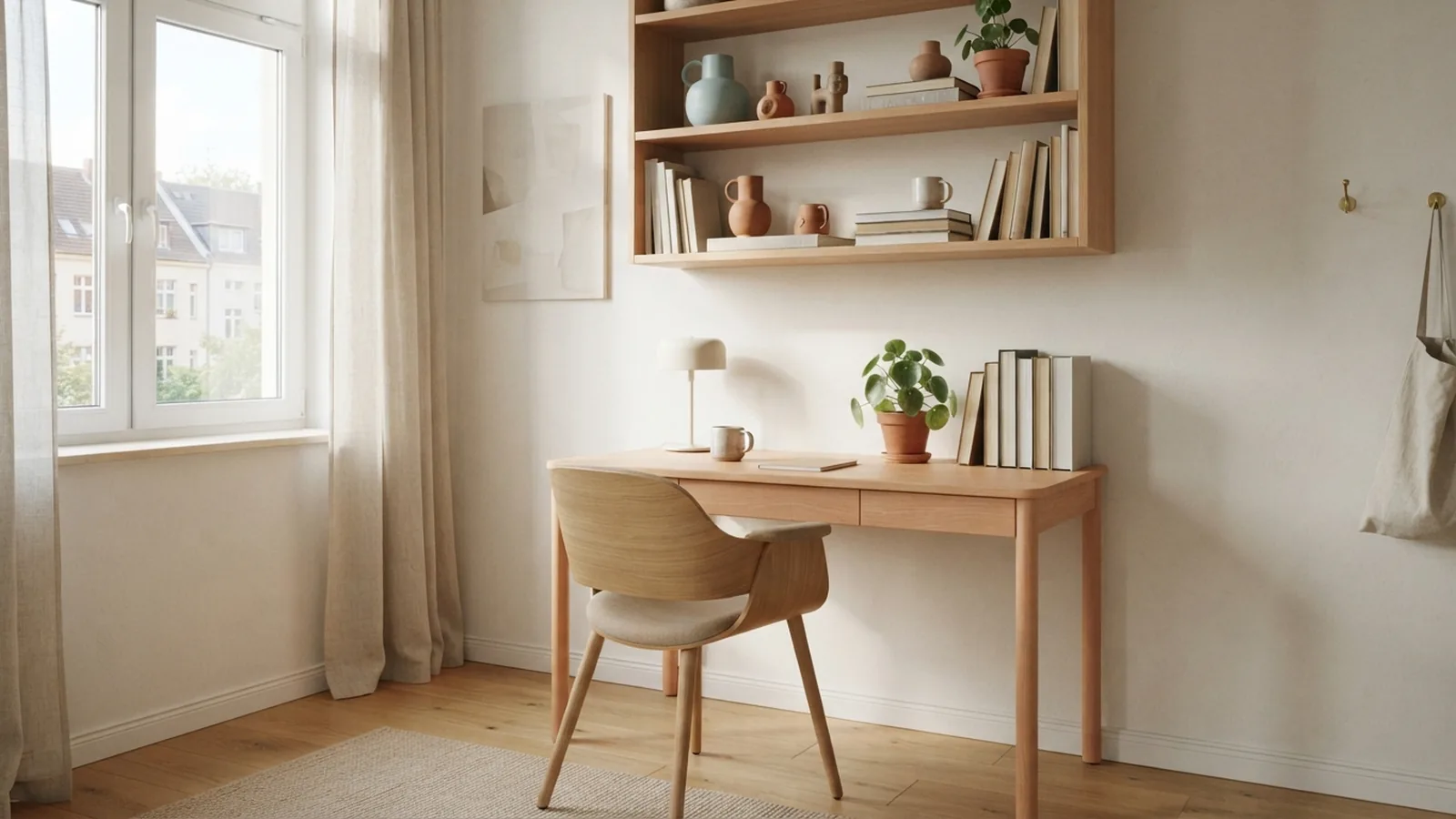
Why Study Room Design Matters
A dedicated study room gives your mind one clear job. It creates a steady place for reading, writing, lessons, or creative work. This clear purpose can make it easier to start tasks and stay with them.
The room does not need to be large or costly. It needs good light, a supportive chair, and few distractions. Keep your desk ready for work. Store other items out of sight. Small choices can shape your focus each day.
Before you buy anything, note how you use the room. Do you read books, use a laptop, draw, or join online classes? Your answers will guide the desk size, light level, storage, and seating.
Build the Core of a Functional Study Room
Start with the desk and chair. Choose a desk that gives your arms room to rest. A depth of about 60 centimetres suits most laptop tasks. A wider desk works better for books, art tools, or two screens.
Your chair should support your lower back. Your feet should rest flat on the floor. Set the screen near eye level. Keep it about an arm's length away. These changes can reduce neck strain during long work sessions.
- Place the desk near daylight, but avoid direct glare on the screen.
- Use a desk lamp for evening work and detailed tasks.
- Keep only daily tools on the desk surface.
- Use a small bin for paper and a tray for loose items.
Light also affects the feel of the room. Natural lighting makes a space feel open and calm. Add layered light for cloudy days and evening study. A ceiling light, desk lamp, and soft wall light can cover different needs.
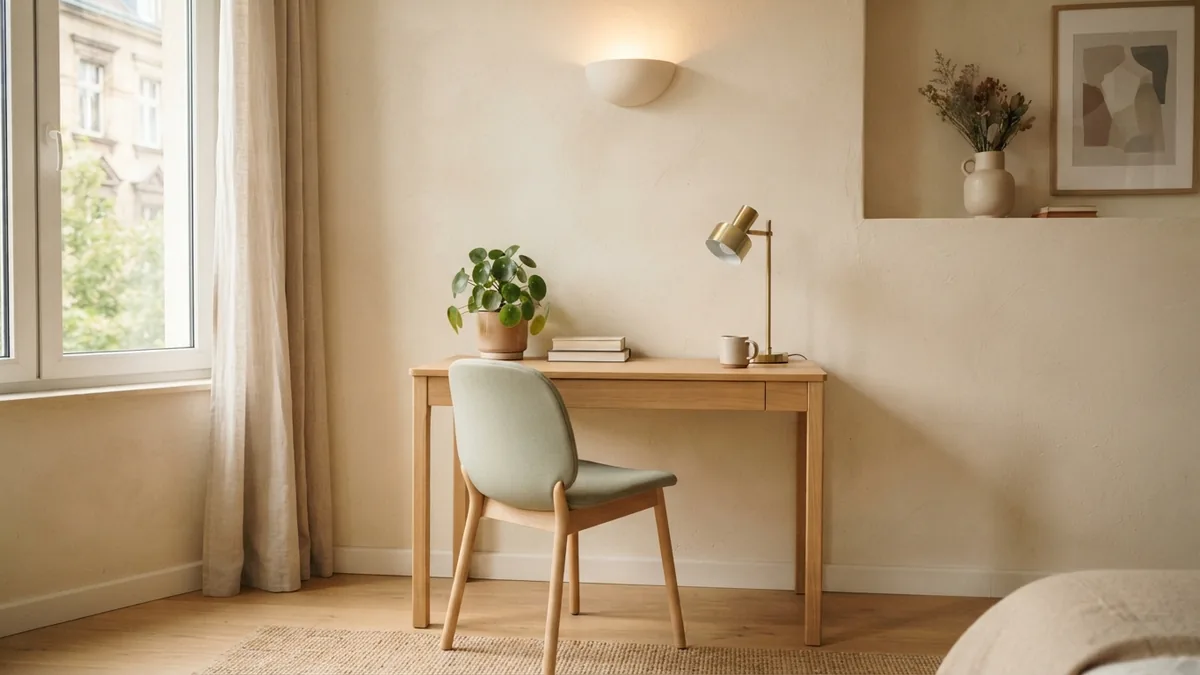
Use Color to Support Concentration
Color can change how a room feels. Soft blue and green often create a calm backdrop for focused work. Pale sage, dusty blue, and warm grey can suit a quiet study room.
Warm cream, oat, and soft beige also work well. They reflect light without feeling stark. Add muted terracotta or warm peach through a cushion, vase, or small print. Keep strong colors to one or two small areas.
Color psychology can guide your choices, but comfort matters most. Test paint samples beside your desk before painting the full wall. Check them in daylight and lamp light.
| Color approach | Best use |
|---|---|
| Soft blue | Calm walls and quiet reading areas |
| Pale green | Rooms with plants or wood furniture |
| Warm cream | Small rooms that need more light |
| Muted terracotta | Small accents that add warmth |
Make a Small Study Space Work Harder
Small rooms need careful planning, not less style. Measure the room before buying furniture. Mark the desk, chair, and walking space with masking tape. Leave room to pull out drawers and move the chair.
Choose compact furniture with more than one use. A narrow desk can fit along a wall. A wall shelf can hold books without taking floor space. A folding desk can close when the room serves another purpose.
- Use a desk with drawers for small tools.
- Choose a slim chair that still supports your back.
- Mount shelves above the desk, but keep the lowest shelf clear.
- Use the space behind the door for folders or supplies.
- Pick light wood and pale finishes to keep the room airy.
Keep the main sightline calm. Too many shelves can feel busy. Place your best-looking items at eye level. Store less attractive supplies in closed boxes below the desk.
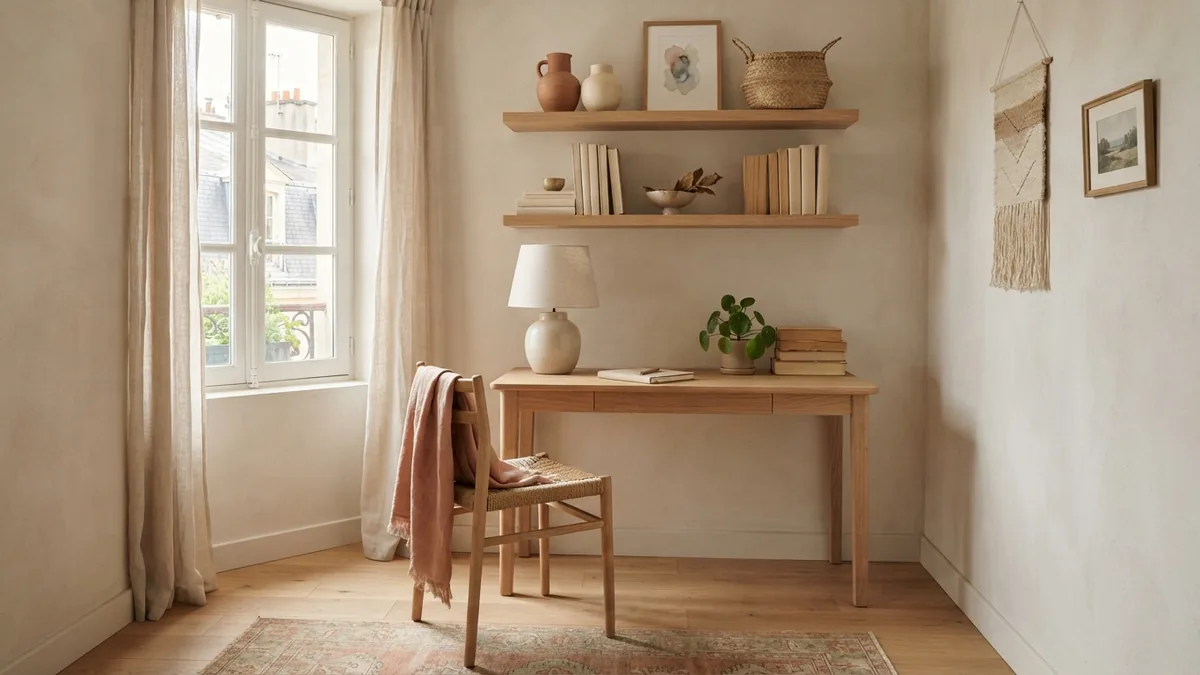
Add Personal Details Without Adding Clutter
Personal decor can make a study room feel inviting. It can also remind you why the space matters. Choose objects that support your goals, such as a pinboard, a small plant, or a framed family picture.
Keep three to five objects on open shelves. Group them by color or material. A ceramic bowl, linen box, and small plant can look more settled than many mixed items.
Your study aesthetic can be minimalist, contemporary, or cozy. A minimalist room uses clean lines and few objects. A contemporary room may add metal, glass, and bold shapes. A cozy room can use wood, woven fabric, warm lamps, and soft seating.
Choose one main style and borrow small details from another. Leave some empty space around each display group. Empty space helps the room feel calm.
Choose Furniture for Comfort and Daily Use
The best furniture for a study room fits your body and work habits. Do not choose a desk by looks alone. Check its height, depth, edge shape, and leg room. A simple desk can work well when its size suits your tasks.
Try the chair before you buy it. Sit with your back supported and feet flat. Your knees should sit near a right angle. Choose a footrest if your feet do not reach the floor.
Furniture for study room use should be easy to clean and easy to move. Light wood can soften a small space. A closed cabinet can hide supplies. A narrow bookcase can hold books without blocking daylight.
Use Storage to Keep the Room Clear
Good storage solutions protect your focus. Clutter creates small choices each time you sit down. Give every common item a fixed home.
- Keep daily tools in the top drawer or on a small tray.
- Group books by subject, size, or how often you use them.
- Store spare paper and cables in labelled boxes.
- Place archive items on high shelves or inside a cabinet.
- Clear the desk at the end of each work session.
Use vertical storage when floor space is tight. Wall shelves, peg rails, and tall cabinets can hold more without widening the room. Keep heavy items low. Keep fragile decor away from the desk edge.
Make storage easy to use. A box that needs three steps to open will not help for daily items. Open shelves suit books and baskets. Closed doors suit supplies that look messy.
Turn the Room Into a Place to Learn Interior Design
A study room can also support creative training. If you ask how to study interior design, begin with room plans, color, light, materials, and scale. These topics help you see why a space feels balanced or awkward.
People often ask what to study for interior design. Start with drawing, space planning, furniture, textiles, lighting, and basic building skills. If you want to become an interior designer, build a small portfolio beside your studies.
You can ask how to study interior design at home by using your own room as practice. Measure it, draw a plan, test a color board, and compare two furniture layouts. This method turns daily study into hands-on work.
If you wonder where to study interior design, compare local colleges, online courses, and part-time classes. The best place depends on cost, course depth, travel, and portfolio support. Learners in Africa may also search “where can I study interior design in South Africa” or “where to study interior design” before choosing a course.
Questions such as “why study interior design” and “why do you want to study interior design” need a personal answer. You may enjoy solving space problems, shaping mood, or helping people live well. A clear reason can guide your choice of course and practice projects.
A Simple Plan for Decorating Your Study Room
Start with the work zone. Place the desk where daylight helps without causing glare. Add a chair that supports your back. Then choose one calm wall color and one warm accent.
Next, solve storage before adding decor. Remove items that do not support study. Add only a few personal pieces after the room works well.
Review the room after one week. Note where clutter gathers and when light feels weak. Move one item at a time. Small changes can make the room easier to use.
Step-by-step
- 01 Assess the room
Measure the walls, windows, doors, and floor space. Note your main study tasks and current storage needs.
- 02 Place the desk and chair
Set the desk near daylight without screen glare. Choose a chair that supports your back and lets your feet rest flat.
- 03 Plan the lighting
Use daylight when possible. Add a desk lamp and soft room light for evening work.
- 04 Choose a calm palette
Pick one soft wall color and one warm accent. Test samples in daylight and lamp light.
- 05 Add storage
Use drawers, shelves, baskets, and closed boxes. Keep daily tools close and spare items out of sight.
- 06 Finish with personal decor
Add a plant, pinboard, or small artwork. Keep open displays simple and leave some empty space.
Frequently asked questions
- How do you decorate a study room for better focus?
- Start with good light, a supportive chair, and a clear desk. Add calm colors and storage that hides spare supplies.
- What colors work best in a study room?
- Soft blue, pale green, warm cream, and muted sage can create a calm setting. Test samples in both daylight and lamp light.
- How do you design a small study room?
- Measure the room first. Use compact furniture, wall shelves, and closed boxes to save floor space and reduce clutter.
- What do you study in interior design?
- Common topics include space planning, drawing, color, light, furniture, materials, textiles, and basic building skills.
- Where can I study interior design in South Africa?
- Compare colleges, online courses, and part-time classes in South Africa. Check course depth, cost, travel, and portfolio support before choosing.
- How can I study interior design at home?
- Measure your room, draw plans, test layouts, and build color boards. These tasks give you useful practice with real space.
Related reading
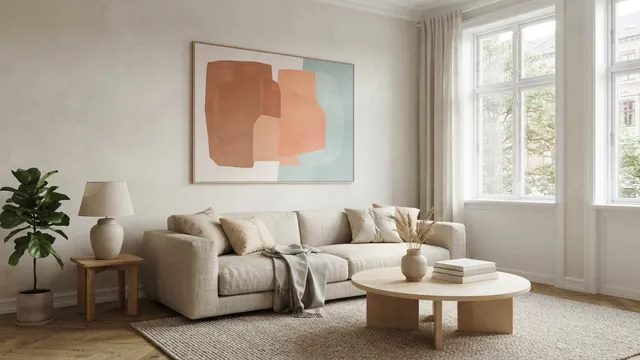
Large Living Room Walls — Scale, Style, and Warmth
Use scale, art, texture, shelves, and light to make a large wall feel balanced.
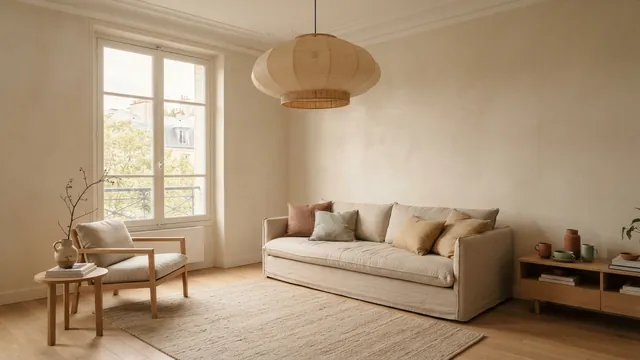
High Ceilings — Warmth, Scale and Style
Use color, scale and soft textures to make tall rooms feel inviting.
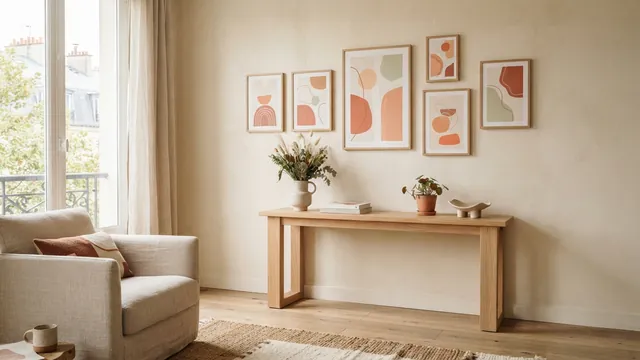
Long Walls — Ideas That Add Balance and Character
Make a long wall feel balanced with color, art, shelves, and warm light.