How to Turn a Plain Room Into a Personal Space
Make a plain room feel personal with color, texture, layout, and smart low-cost updates.
Start With the Room’s Purpose
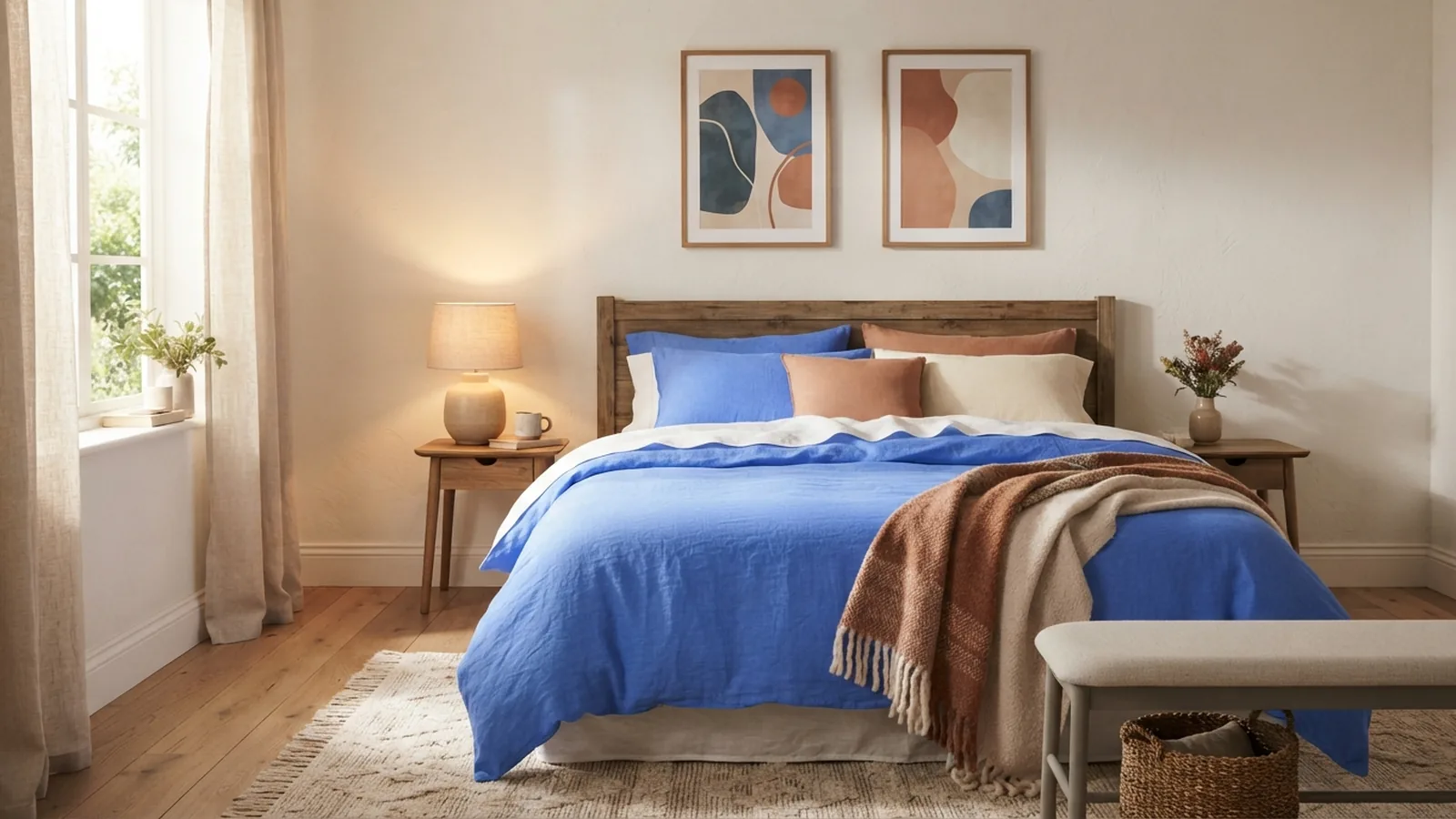
The best way to learn how to decorate a plain room is to start with its purpose. Decide what happens there each day. A bedroom may need rest, reading, and clothing storage. A bathroom may need calm lighting, easy cleaning, and useful storage.
Next, choose three words for the mood you want. Try calm, warm, and simple for a bedroom. Try fresh, bright, and neat for a bathroom. These words will guide your color palette, furniture choices, lighting effects, and accessories.
Measure the room before buying anything. Note each wall, window, door, and power socket. A quick floor plan can prevent costly mistakes.
- List the room’s main tasks.
- Choose three mood words.
- Measure the space and fixed features.
- Set a clear spending limit.
Choose Colors That Set the Mood
Pick one main color, one support color, and one small accent. This simple plan keeps the room joined together. Use the main color on about 60 percent of the space. Use the support color on 30 percent. Save the accent for the last 10 percent.
Soft greens, warm whites, and pale blues can make a room feel calm. Terracotta, ochre, and warm beige add comfort. Deep navy or charcoal can add drama. Test paint samples at different times of day before you commit.
Do not match every item too closely. Instead, repeat colors in small ways. A blue cushion, vase, and print can link a room without making it feel planned.
Build Interest With Texture and Pattern
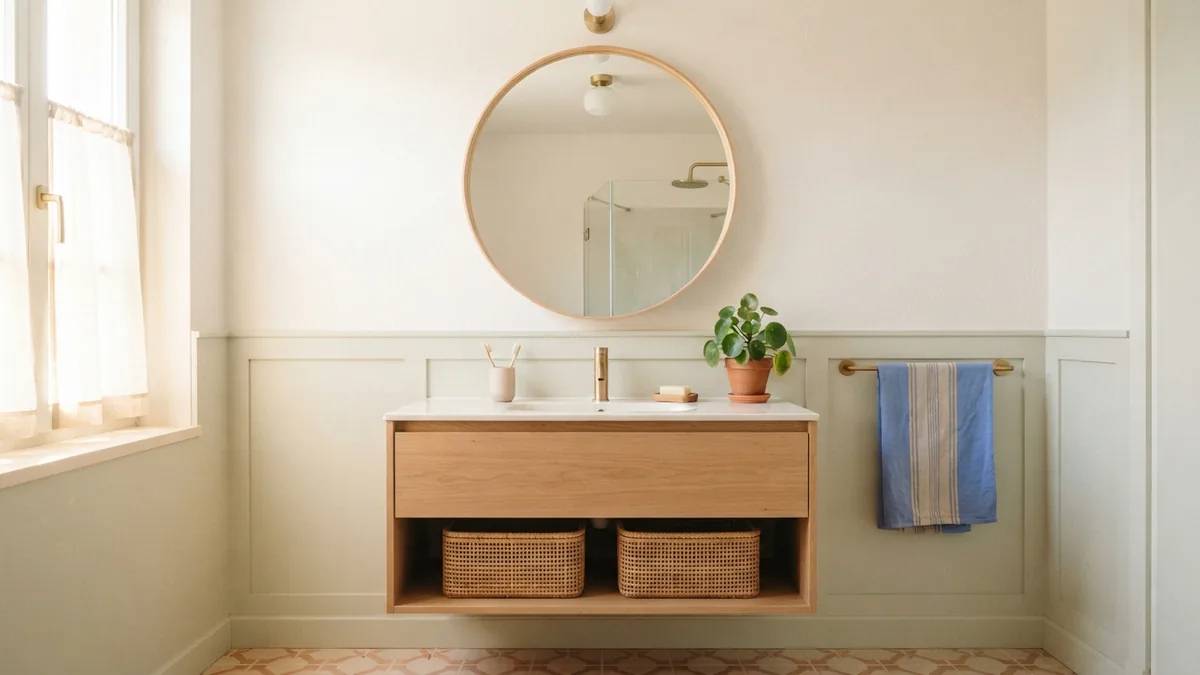
Plain rooms often feel flat because every surface looks the same. Add textural contrast through wood, linen, wool, glass, metal, or woven materials. A linen curtain beside a smooth wall creates gentle depth.
Patterns can make the room feel lively. Begin with one large pattern, such as a rug or shower curtain. Add one smaller pattern through cushions, towels, or a framed print. Keep both patterns within your chosen color palette.
Mixing patterns works best when their scale differs. Pair broad stripes with small dots or a large leaf print. Leave some quiet surfaces between busy items.
Use Lighting to Show Texture
Layer at least three light sources when possible. Use general light for the whole room. Add task light for reading, shaving, or applying makeup. Use a lamp or wall light for a soft evening glow.
Warm bulbs near 2700K suit bedrooms and living areas. Cooler bulbs can help bathrooms feel clean and bright. Check the bulb color before buying several fixtures.
Plan Furniture Around Movement
Furniture should support the room’s purpose. Place the largest item first, such as a bed, sofa, or vanity. Then leave a clear path between the door and the room’s main features.
Aim for about 30 inches of walking space on key routes. Smaller rooms may need less. Measure drawers and cabinet doors when checking clearances.
Use furniture with more than one job. A storage bench can hold blankets and provide a seat. A narrow console can store keys without blocking a walkway. Wall shelves can add storage when floor space is tight.
- Place the largest item first.
- Keep doorways and paths clear.
- Check drawers, doors, and cupboard swing space.
- Choose storage that fits the room’s daily needs.
Decorate Walls, Mirrors, and Doors
Walls give a plain room its strongest visual lift. Hang art at eye level, with the center near 57 inches from the floor. For a gallery wall, keep about 2 to 4 inches between frames.
A mirror can reflect light and make a small room feel wider. Hang it opposite a window or near a light source. Choose a frame that supports the room’s mood.
If you wonder how to decorate a plain bathroom mirror, start with the area around it. Add a slim shelf, small plant, matching sconces, or a neat tray below. Keep wet areas clear and choose finishes that resist steam.
You can also update plain interior doors without replacing them. Paint the door in a bold accent shade, add simple trim, or change the handle. In a bedroom, a painted door can repeat the color of a rug or headboard.
Make a Plain Bedroom Wall Feel Finished
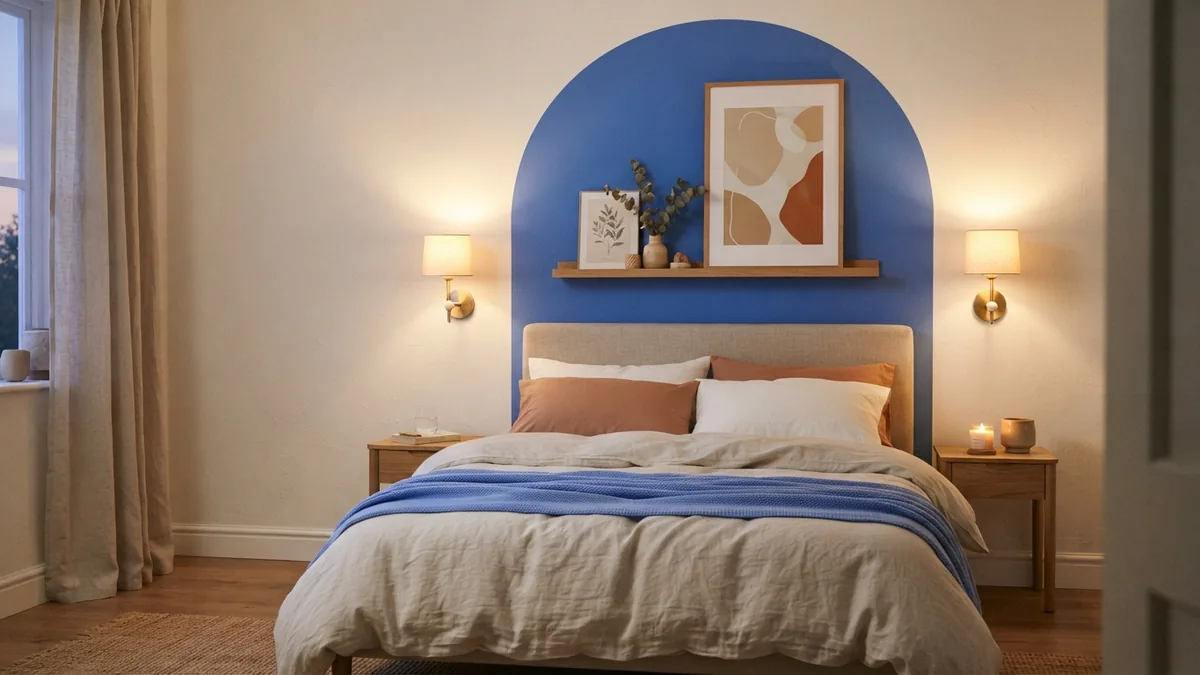
When planning how to decorate a plain bedroom wall, choose one main feature. Try a large print, a fabric headboard, or a painted arch behind the bed. Keep the rest of the wall calm so the feature has room to stand out.
For renters, use removable hooks and lightweight frames. Lean a large print on a dresser when wall fixing is not allowed. A slim picture ledge can hold several small pieces and change with the seasons.
Add Personal Details With Care
Personal style expression makes a room feel lived in. Display photographs, travel finds, books, or small collectibles that carry a story. Choose a few strong pieces instead of covering every surface.
Group small objects in odd numbers, such as three or five. Vary their height to create a balanced display. A stack of books can lift a bowl or small sculpture.
Use one repeated detail to link personal items. Similar frames, shared colors, or one material can make mixed objects feel calm. The room should show your taste, not look like a showroom.
Decorate Well on a Small Budget
Budget decorating can still create a clear change. Start with items that cover a large area, such as paint, curtains, bedding, or a rug. These pieces can shift the room’s mood faster than many small objects.
Shop your own home first. Move a lamp, chair, mirror, or artwork from another room. Clean, sand, and repaint furniture before replacing it. New handles can refresh a tired cabinet for little money.
Set aside part of your budget for one lasting item. This might be a good lamp, a solid mirror, or a well-made rug. Add cheaper pieces around it over time.
- Paint one wall instead of the whole room.
- Use thrifted frames for a grouped display.
- Change lampshades before replacing lamps.
- Buy cushion covers instead of new cushions.
- Refresh handles, hooks, and small fittings.
Finish With a Simple Room Check
Step back after placing the main pieces. Look for empty corners, crowded surfaces, and colors that appear only once. Move items until the eye travels smoothly around the room.
Take a phone photo from the doorway. Photos reveal uneven spacing and clutter quickly. Remove one item from each busy surface before adding anything new.
Finally, live with the room for one week. Notice where you need more light, storage, or open space. Good decorating grows from daily use.
Step-by-step
- 01 Define the room’s purpose
List the room’s main tasks and choose three words for its mood. Use these choices to guide every later decision.
- 02 Measure the space
Record wall lengths, doors, windows, and power sockets. Draw a simple floor plan before buying furniture.
- 03 Choose a color palette
Select one main color, one support color, and one accent. Test samples in morning and evening light.
- 04 Add texture and pattern
Mix materials such as wood, linen, wool, glass, and metal. Start with one large pattern and one smaller pattern.
- 05 Arrange the furniture
Place the largest item first and protect the main walking routes. Check that drawers, doors, and cabinets can open fully.
- 06 Finish with decor
Add wall art, mirrors, lighting, and personal objects. Remove clutter and adjust the room after living in it for a week.
Frequently asked questions
- How do you decorate a plain room?
- Start with the room’s purpose, mood, and measurements. Then choose colors, arrange furniture, add texture, and finish with personal details.
- What is the easiest way to make a plain room look better?
- Use one main color, one support color, and one accent. Repeat those colors through paint, textiles, art, and small accessories.
- How do you decorate a plain bedroom wall?
- Add a large print, fabric headboard, painted shape, or picture ledge. Keep nearby decor simple so the main feature stands out.
- How do you decorate a plain bathroom mirror?
- Use a slim shelf, small plant, matching lights, or a neat tray nearby. Pick finishes that handle steam and keep wet areas clear.
- How do you decorate plain interior doors?
- Paint the door, add simple trim, or replace its handle. Repeat a color from the room so the door feels part of the design.
- What are the best budget decorating ideas?
- Paint one wall, move items from another room, update handles, or use thrifted frames. Spend more on one lasting item when possible.
Related reading
Living Room Rugs — Size, Placement, and Style
Find a rug size that anchors your seating and suits the room.
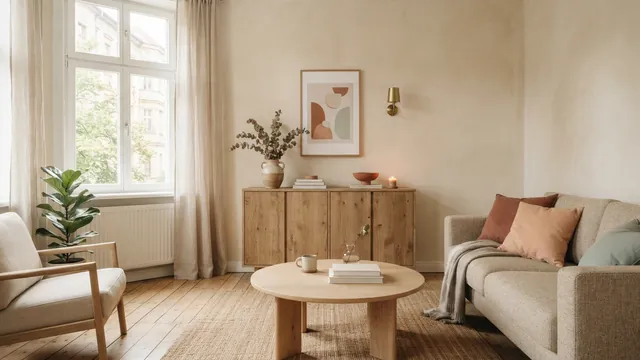
How to Learn Interior Design on Your Own or Online
Learn interior design through clear principles, free courses, and hands-on home projects.
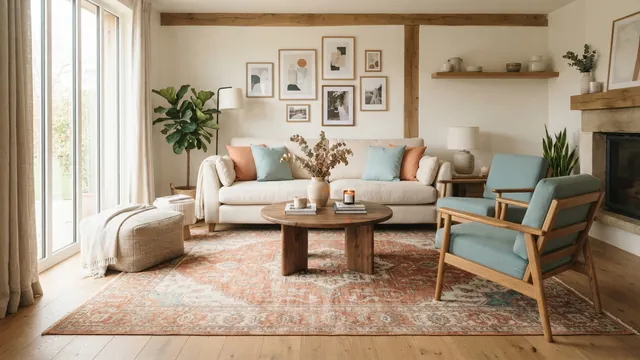
How to Place a Rug in a Living Room With Style
Set the right rug size, layout, and flow for a better living room.