Dark Blue Rooms—Warmth, Balance, and Style
Make dark blue rooms feel warm, bright, and deeply inviting.
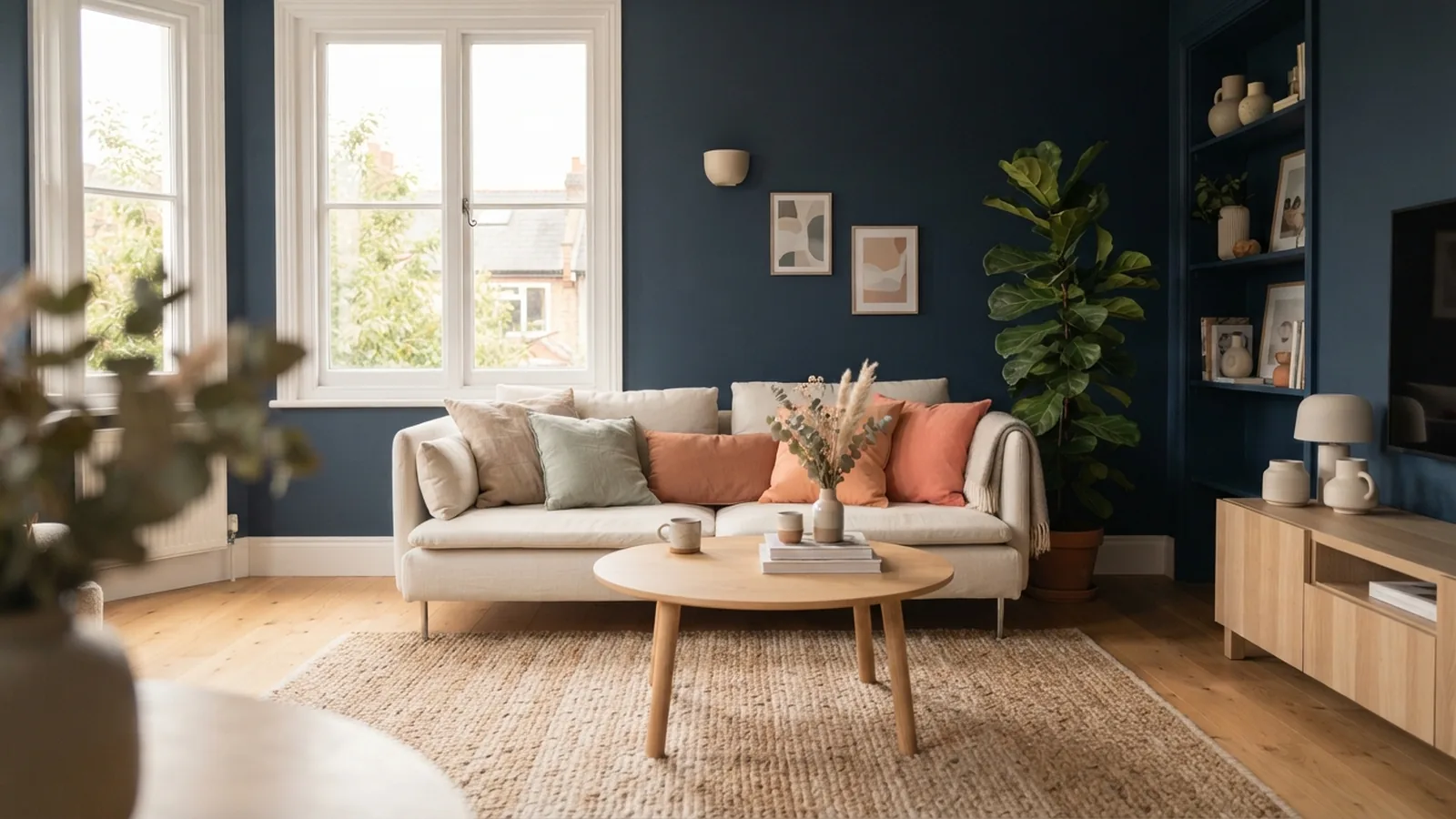
Understand What Dark Blue Adds
To decorate a dark blue room, balance its depth with light, warmth, and soft texture. Dark blue creates a calm and polished mood. It can also make a large room feel more settled and intimate.
Start by checking the room’s size, daylight, and main use. A north-facing room may need more warm accents than a bright south-facing space. Test paint samples beside your trim, flooring, and furniture before choosing a shade.
Use dark blue across all walls for a rich, wrapped effect. Use it on one accent wall when you want more contrast. Keep the ceiling light so the room still feels open.
Choose Accent Colors That Lift the Blue
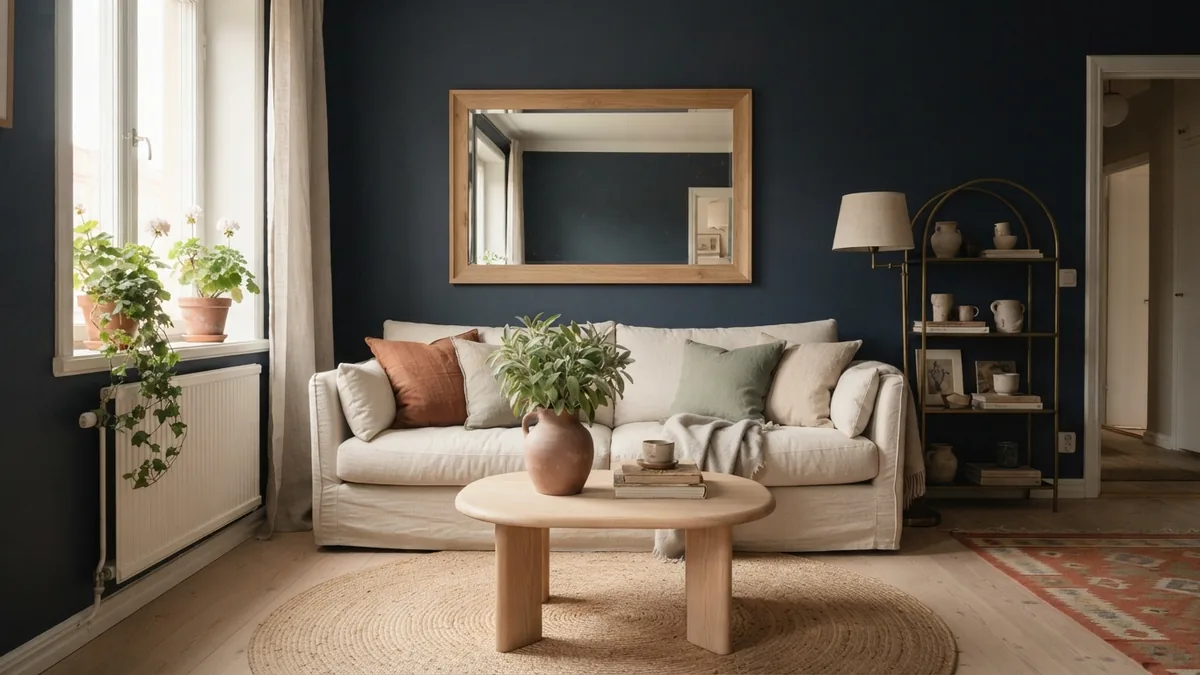
White, cream, oat, and pale wood make dark blue feel fresh. These shades reflect light and give the eye a place to rest. Warm white often feels softer than a sharp, cool white.
Gold and brass add gentle glow without making the room feel flashy. Use them through lamps, frames, handles, or small side tables. Keep the finish brushed or aged for a calm look.
Muted coral, terracotta, peach, and sage can bring life to the palette. Choose one warm accent and one soft neutral. This keeps the room layered without making the colors compete.
- For a calm room: pair dark blue with cream, oak, and sage.
- For a classic room: add white, brass, and warm walnut.
- For a relaxed room: use oat, linen, terracotta, and pale wood.
Balance the Room With Furniture
Furniture should either contrast with the walls or echo them in a lighter tone. A cream sofa stands out against dark blue. A pale oak bed frame brings warmth without adding visual weight.
Avoid filling every wall with dark furniture. Too many deep tones can make the room feel flat and heavy. Mix one large dark piece with lighter seating, storage, or tables.
Plan furniture around movement and sight lines. Leave about 45 centimetres between a sofa and coffee table. Keep walkways near 75 centimetres wide when space allows.
In a dark living room, face seating toward a window, fireplace, or artwork. In a dark bedroom, place the bed where daylight can reach it. In a dark kitchen, use pale stools, open shelves, or light worktops.
Build Layers of Warm Lighting
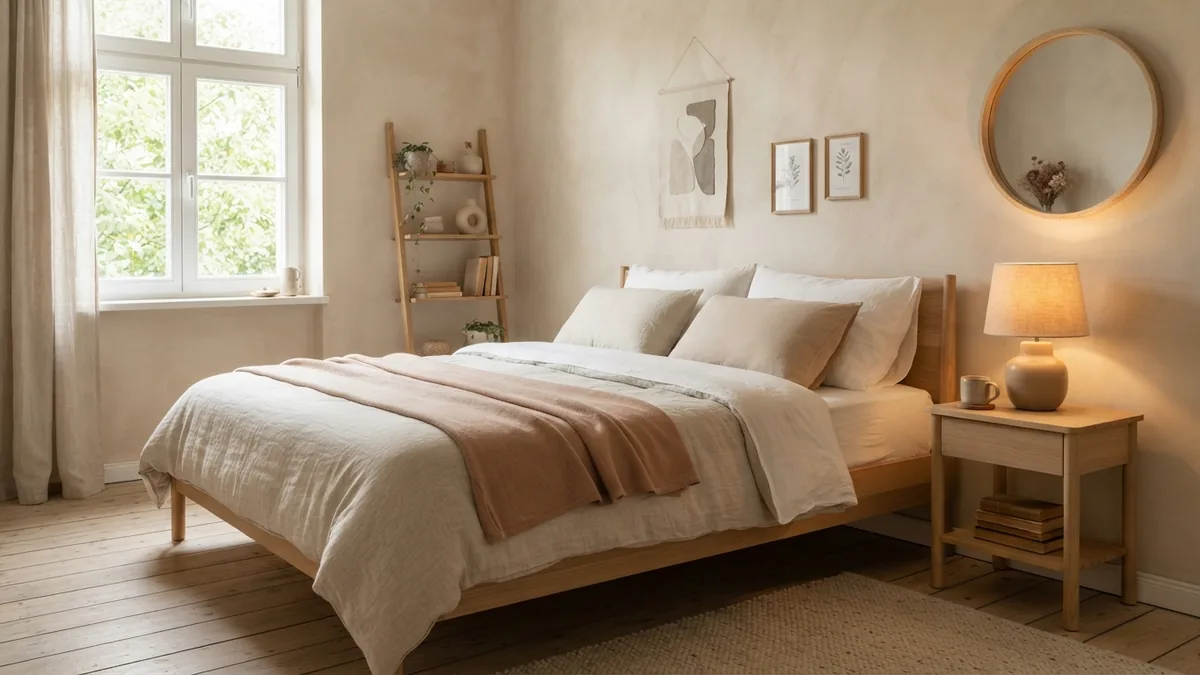
Lighting is essential in a dark blue room. Warm bulbs between 2700K and 3000K soften the wall color. They also make cream, wood, and brass look more inviting.
Use three lighting layers: general, task, and accent light. A ceiling fixture gives broad light. Table lamps help with reading. Wall lights or picture lights add a gentle glow.
Place lamps at different heights to spread light across the room. Use shades made from linen, cotton, or rice paper. These materials soften the beam and reduce glare.
Fit dimmers where possible. Bright light suits cleaning and work. Lower light suits meals, reading, and quiet evenings.
- Start with one warm ceiling light.
- Add a lamp beside seating or the bed.
- Light dark corners with a floor lamp.
- Highlight art, plants, or shelves with a small accent light.
Soften Dark Walls With Texture
Textiles can reduce the visual weight of deep blue paint. Add linen curtains, cotton cushions, and a wool or flatweave rug. These layers make the room feel warmer and more lived in.
Choose rugs with cream, tan, rust, or pale blue details. A large rug can connect separate seating pieces. It also helps define a living or dining zone.
Mix matte and tactile surfaces throughout the room. Try woven baskets, raw wood, nubby throws, and handmade ceramics. Avoid using only smooth painted surfaces.
Texture matters even more in a dark bedroom. Layer a quilt, a folded throw, and two or three cushions. Keep the bed palette quiet so the room stays restful.
Use Art That Stands Out
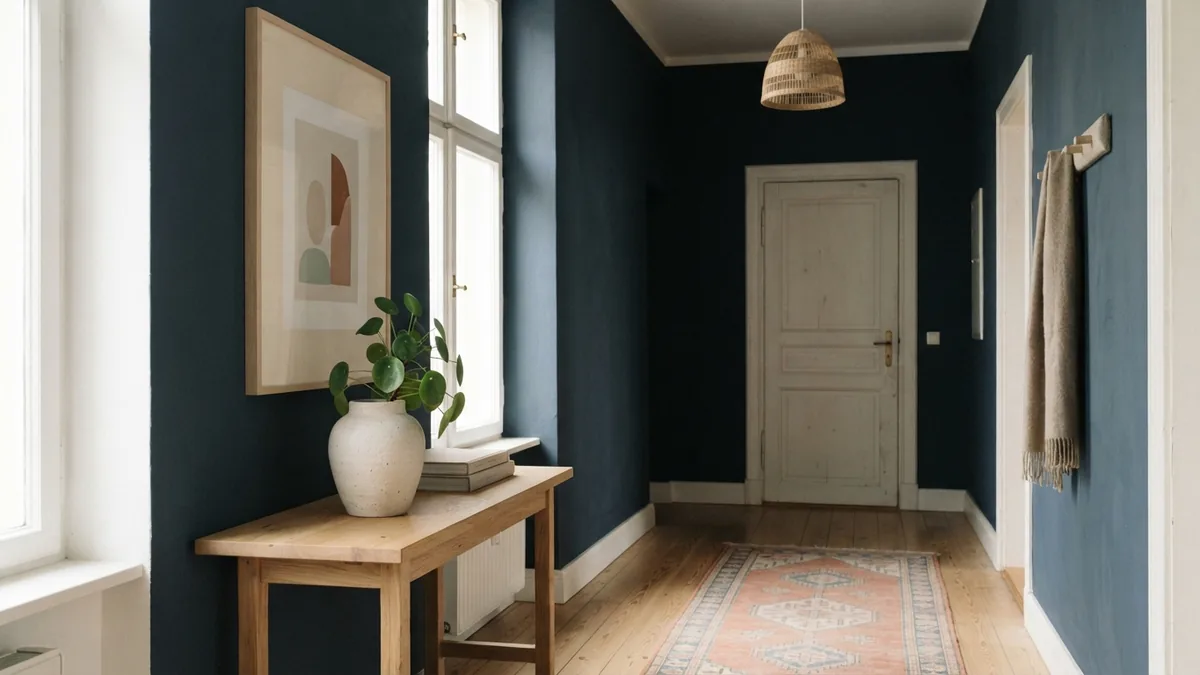
Wall art should reflect your taste and create a clear focal point. Light artwork stands out strongly against dark blue. Cream paper, pale wood, and soft stone frames all work well.
Try one large piece above a sofa, bed, or sideboard. Several smaller works can suit a hallway or stair wall. Keep a little space between pieces so the display feels calm.
Abstract shapes, landscapes, botanical forms, and simple photography can all work. Choose art with at least one color from the room. This small link makes the scheme feel planned.
Gold or brass frames add warmth. Pale oak frames create a softer, more natural effect. Avoid placing dark art on dark walls unless you want a quiet, low-contrast look.
Add Plants and Small Natural Details
Plants add freshness and movement to dark blue rooms. Their green leaves create a lively contrast without adding a loud color. Place them where they can receive the right amount of daylight.
Use one tall plant beside a sofa or cabinet. Add a smaller plant to a shelf or windowsill. Choose simple pots in cream, terracotta, stone, or woven fiber.
Natural details can carry the same effect. Add a wooden bowl, linen lampshade, woven tray, or ceramic vase. These items keep the palette warm and grounded.
Do not crowd every surface. Leave some open space around plants and objects. A few well-placed pieces look more stylish than a busy collection.
Make the Overall Atmosphere Cozy
Cozy design comes from comfort, not from adding more objects. Start with a soft seat, a warm rug, and lighting that can change through the day. Then add only pieces that support how you use the room.
For a dark kitchen, combine blue cabinets with cream walls, pale counters, and warm wood. Add under-cabinet lighting to brighten work areas. Brass pulls can link the blue to nearby lamps and frames.
For a dark bedroom, keep bedding light and touchable. Use cream sheets, a quilted cover, and a warm bedside lamp. Curtains should filter daylight without blocking it fully.
For a dark living room, mix firm shapes with soft ones. Pair a structured sofa with a rounded lamp, woven rug, or curved chair. The contrast makes the space feel relaxed rather than formal.
Finally, view the room at morning, afternoon, and night. Move lamps, rugs, and art until the room feels balanced at each time. Small changes can transform a dark room without replacing every piece.
Frequently asked questions
- How do you decorate a dark blue room?
- Pair dark blue walls with cream, pale wood, warm lighting, and soft textiles. Add one warm accent color, such as terracotta or brass.
- How do you decorate a dark bedroom?
- Use light bedding, warm bedside lamps, pale wood, and textured curtains. Keep the furniture simple so the room feels restful.
- How do you decorate a dark living room?
- Choose light seating, a large soft rug, layered lamps, and artwork with pale tones. Keep walkways open and limit heavy dark furniture.
- How do you decorate a dark kitchen?
- Balance dark cabinets with cream walls, pale counters, light wood, and warm task lighting. Brass handles can add a soft glow.
- What colors go well with dark blue walls?
- Cream, white, oat, pale wood, muted terracotta, soft sage, and brass all work well. Choose one warm accent for a focused palette.
- How can you make a dark room feel cozy?
- Use warm bulbs, layered lighting, rugs, linen, cushions, and natural wood. Add plants and leave some open space to avoid a crowded look.
Related reading
Living Room Curtains — Color, Fabric and Fit
Choose curtains that suit your light, style, colors and windows.
Piano Room Decor — Style, Sound and Everyday Use
Make your piano room feel calm, useful, and beautifully connected to the rest of your home.
Room Squaring — Set the Floor Lines Right
Set accurate floor lines before you start laying planks or boards.