Do Dark Colors Really Make a Room Look Smaller?
Dark colors can add depth, mood, and space when used with care.
Understanding How Color Shapes Room Perception
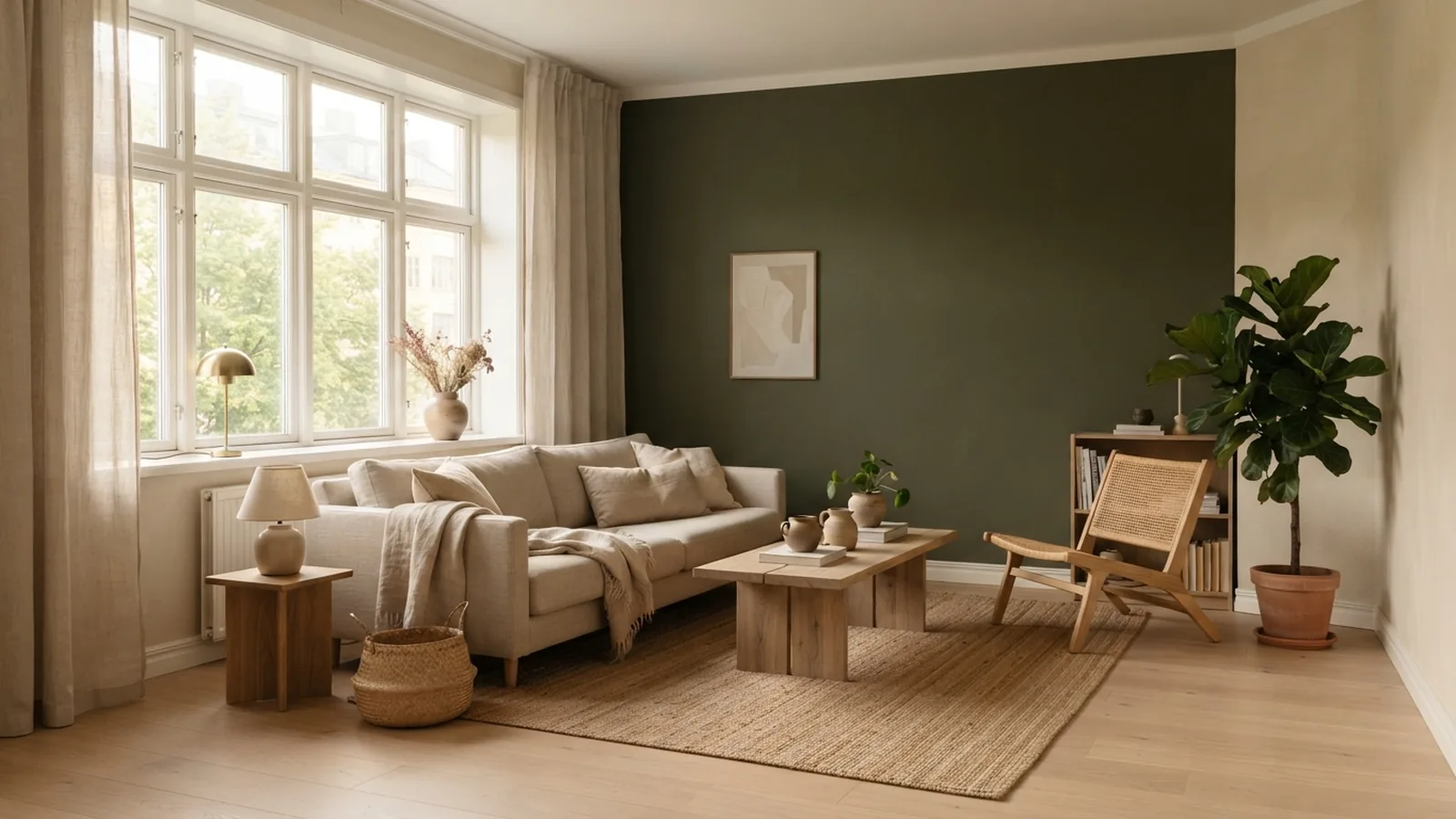
Do dark colors make a room look smaller? Not always. A dark color can add depth and make walls seem farther away.
Room size is not judged by paint alone. Your eyes read color, light, contrast, furniture, and clear floor area together.
Light walls often feel open because they bounce more light around the room. Dark walls take in more light. This can create a richer mood.
The key is balance. A dark wall can feel deep and calm when the room has enough light and open space.
- Light colors can make a room feel bright and open
- Dark colors can add depth and visual focus
- Natural light can change the effect from morning to evening
- Furniture and floor space shape the final sense of size
Why Dark Colors Do Not Always Make Rooms Smaller
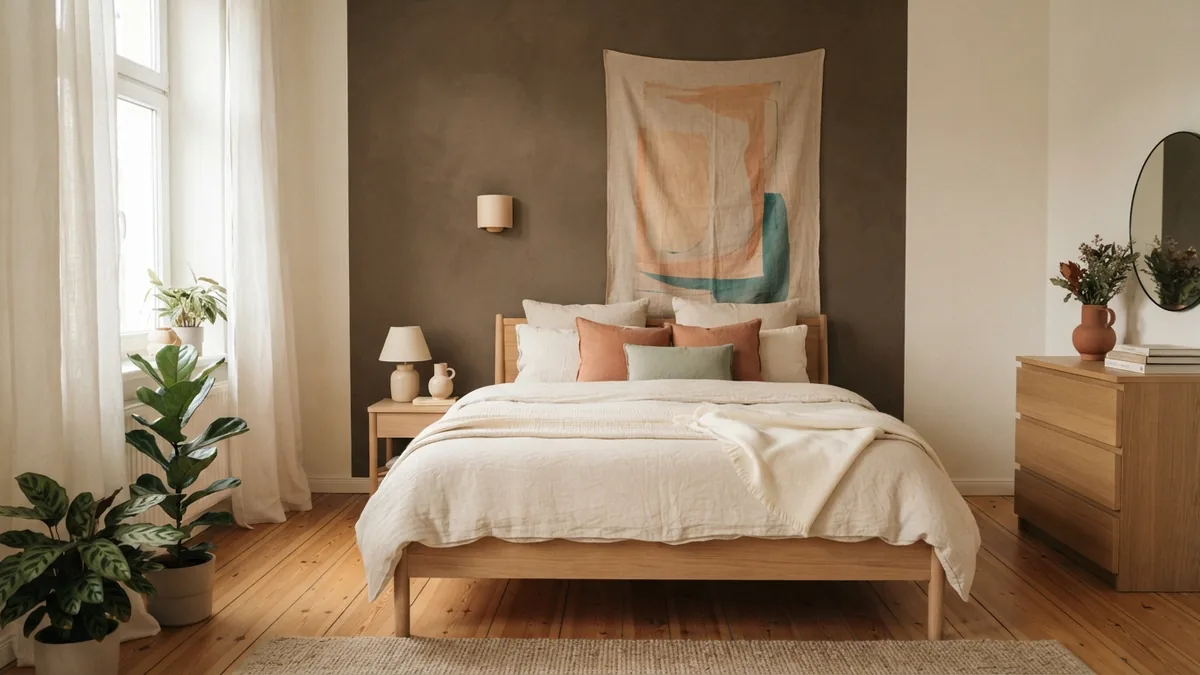
The idea that dark rooms always look small is too simple. Strong contrast can frame a room and make its edges less clear.
When edges fade, the eye may read the room as deeper. A dark back wall can seem farther away than a pale one.
Research on color perception supports this effect in some settings. Dark surfaces may appear to recede when contrast and light are well controlled.
Still, the result depends on the whole room. A small room with dark walls, poor light, and bulky furniture can feel closed in.
When dark walls create depth
Use a deep green, brown, charcoal, or navy on one wall. Keep nearby surfaces lighter and calm.
This method works well in dining rooms, studies, and bedrooms. It gives the eye one clear point to rest on.
A dark wall can also hide uneven surfaces. Matte paint softens glare and makes the wall feel more settled.
Common Myths About Dark Paint and Small Rooms
Does dark paint make a room look smaller? It can, but it does not have to. The finish, light level, and color mix matter just as much.
Does black paint make a room look smaller? Black can feel bold in a poorly lit room. In a bright room, it can act like a deep backdrop.
Black walls need careful support. Pair them with warm white trim, pale wood, soft fabrics, and open floor space.
The same rule applies to dark ceilings. Do dark ceilings make a room smaller? A low ceiling may feel lower with a very dark color.
Yet a dark ceiling can also add warmth. It works best in rooms with tall walls, good daylight, or a strong pendant light.
| Surface | Possible effect | Helpful pairing |
|---|---|---|
| Dark wall | Depth and focus | Light furniture and open floor space |
| Dark ceiling | Lower, warmer mood | Bright walls and layered lighting |
| Dark floor | Grounded and stable feel | Light rugs and pale wood |
| Dark curtains | Strong frame around a window | Sheer panels and clear daylight |
How Natural and Artificial Light Change the Result
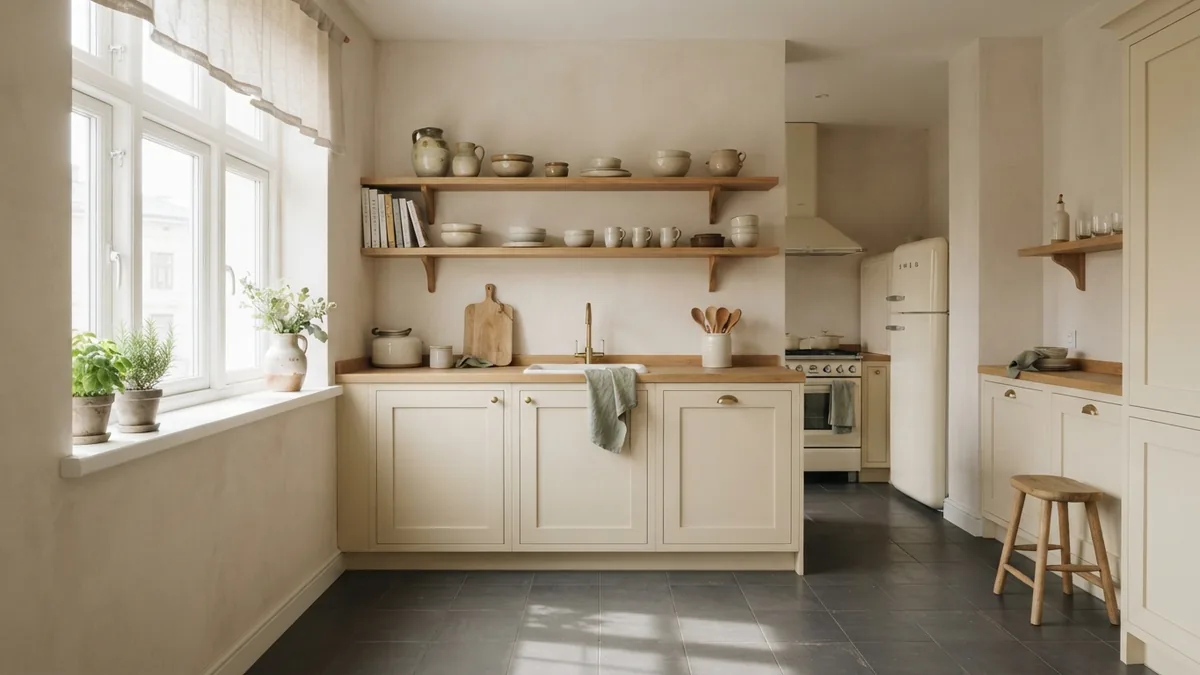
Light is one of the biggest factors in room size perception. A south-facing room may handle dark color better than a shaded north-facing room.
Watch the room at three times. Check it in morning light, afternoon light, and after sunset.
Natural light reveals the true depth of a color. Warm bulbs can make brown, red, and olive tones feel softer.
Cool bulbs can make some dark colors look flat or harsh. Use bulbs near 2700 to 3000 kelvin for a warm home setting.
Build light in layers
One ceiling light rarely gives a small room enough depth. Use a mix of ceiling, wall, table, and floor lights.
Place light near dark surfaces to reveal their texture. Aim some light across the wall instead of straight at it.
- Clear the window area to protect daytime light
- Use pale shades to spread light across the room
- Add a lamp near the darkest corner
- Test paint samples under both daylight and lamps
The Psychological Effect of Dark and Light Colors
Color affects mood as well as size. Light neutrals often feel fresh, calm, and airy.
Dark colors can feel safe, quiet, and intimate. They may suit a bedroom or snug reading space.
This response varies by person and culture. It also changes with color temperature, texture, and brightness.
A dark blue may feel calm in one room. The same shade may feel cold beside blue-grey light.
Warm dark colors can make a room feel rich without making it feel tight. Try clay brown, muted olive, or deep terracotta.
Use contrast with care. Too many sharp changes can break up the room and make it feel less open.
Practical Ways to Use Dark Colors in Small Spaces
Start with one dark feature rather than painting every surface. This gives you depth without losing the room's light balance.
Dark flooring can make a room feel smaller when it meets dark walls and heavy furniture. Does dark flooring make room smaller on its own? Usually, no.
A dark floor can anchor the room. Add a light rug, pale walls, and furniture with visible legs.
Does a rug make a room look smaller? A small rug can divide the floor and shrink the visual field. A larger rug often makes the seating area feel more unified.
Carpet works in much the same way. Does carpet make a room look smaller? Its color and pattern matter more than the material.
Dark carpet can feel heavy in a dim room. Balance it with lighter walls, slim furniture, and strong daylight.
Use the full color scheme
Look at the room as one color plan. Include paint, flooring, curtains, furniture, art, and small decor.
Keep large furniture close to the wall color when you want a calm look. Use one or two lighter pieces to break up the mass.
Choose low contrast for an open feel. Choose higher contrast when you want shape, drama, or a clear focal point.
Alternatives to Very Dark Colors
You do not need pure black to gain depth. Mid-tone shades can offer the same mood with less light loss.
Try smoky sage, warm mushroom, muted cocoa, dusty plum, or soft charcoal. These colors add weight without sharp contrast.
Deep colors also work well on joinery, alcoves, and the back of open shelves. Smaller areas carry less visual weight.
For a brighter room, use warm white, oat, pale beige, or soft sage. These colors reflect light while keeping the space relaxed.
- Use a mid-tone wall for gentle depth
- Paint an alcove for a small dose of contrast
- Choose light curtains when windows are limited
- Use pale rugs to open a dark floor
- Repeat one accent color across cushions and ceramics
Choosing the Right Color for Your Room
There is no single answer to whether dark colors make a room look smaller. The right choice depends on light, scale, layout, and mood.
Test large samples before you paint. View each sample beside the floor, trim, sofa, and window.
Stand at the room entrance and check the sightline. Then check the room from its main seating spot.
If the room feels tight, remove visual weight before changing color. Try fewer pieces, clearer walkways, and lighter window treatments.
If the room feels flat, add one deeper surface. A dark wall, floor, or ceiling may give it the depth it lacks.
The best color makes the room feel right for its use. Size matters, but atmosphere matters too.
Frequently asked questions
- Do dark colors make a room look smaller?
- Not always. Dark colors can create depth when the room has good light and open space.
- Does dark paint make a room look smaller?
- It can in a dim, crowded room. In a bright room, dark paint may make one wall recede.
- Do dark ceilings make a room smaller?
- A dark ceiling can feel lower, especially in a room with low walls. It can also add warmth in a tall, well-lit room.
- Does dark flooring make a room look smaller?
- Not by itself. Pair dark flooring with light walls, a pale rug, and furniture that shows more floor.
- Do dark curtains make a room look smaller?
- They can frame a window and add weight. Sheer panels and open window space help keep the room airy.
- Does black paint make a room look smaller?
- Black paint can feel enclosed in poor light. With daylight and light furnishings, it can create a deep backdrop.
Related reading
Paint Colors That Make Any Room Look Bigger
Use smart paint colors and finishes to make small rooms feel open and bright.
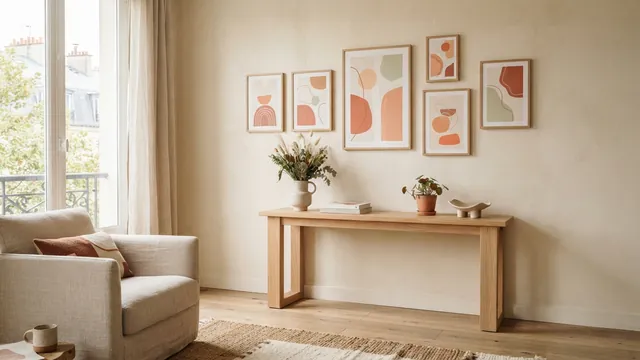
Long Walls — Ideas That Add Balance and Character
Make a long wall feel balanced with color, art, shelves, and warm light.
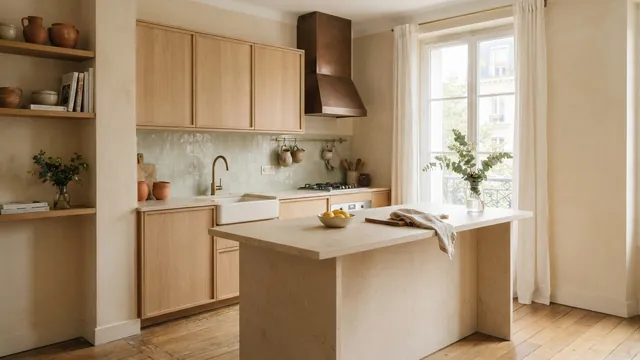
Modern Kitchen Design: Form and Function
Plan a modern kitchen that balances clean style with everyday ease.