How to Hide a Door in Your Living Room
Creative ways to hide a door, conceal cables, and blend openings into living room decor.
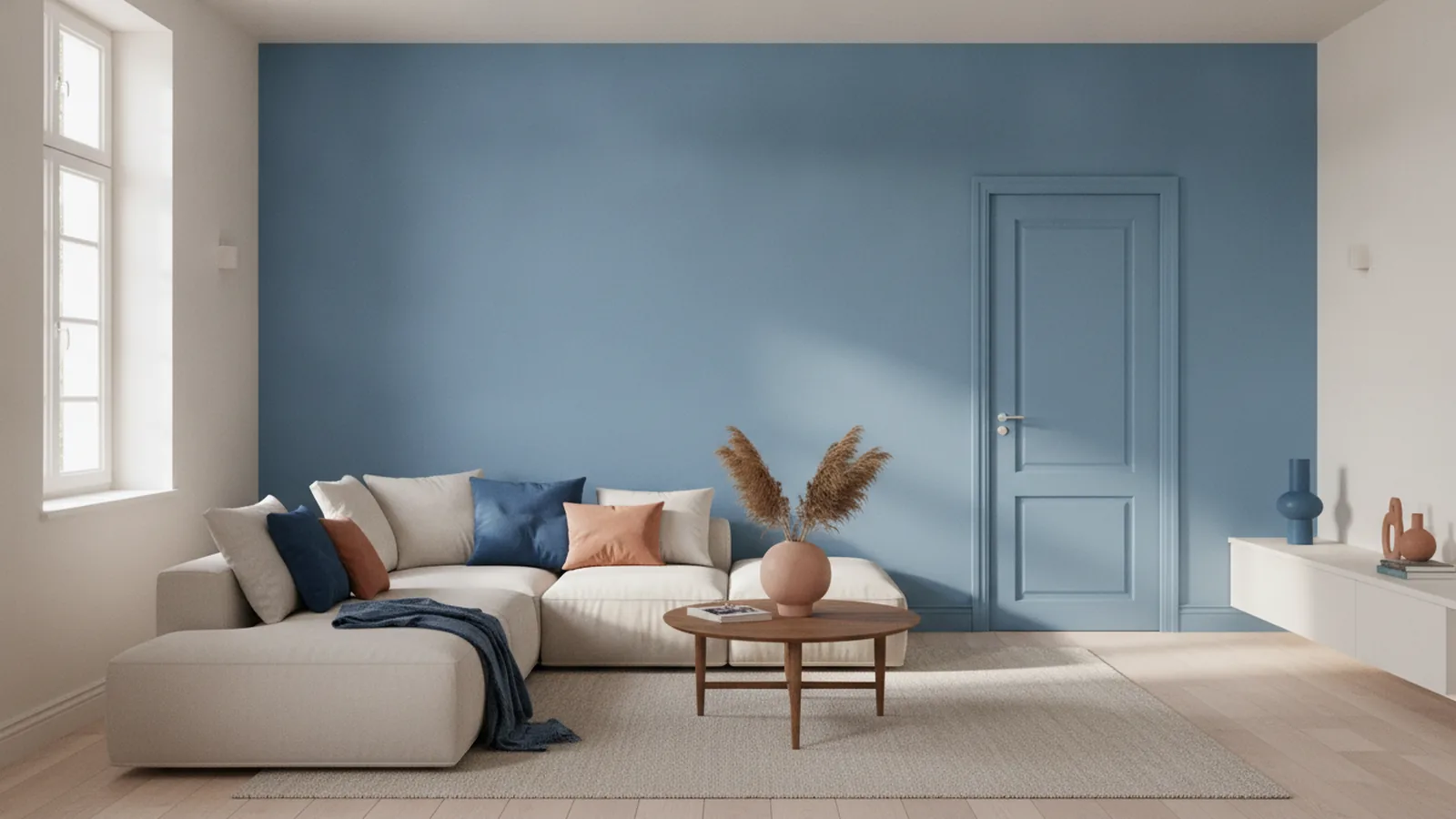
Understanding the need to hide a door
If you’re searching for how to hide a door in living room, the goal is usually visual calm. A doorway can feel out of place when its color, trim, or hardware doesn’t match the rest of your living room design. Even small details, like a different sheen or mismatched casing, can catch the eye every time you look across the room.
Doorways can also break visual continuity. When a door sits on an important wall plane, your eyes may bounce between the opening and furniture edges. That matters most in open layouts where sight lines run from seating to hallways or secondary rooms.
Finally, there’s space efficiency and home organization. If the door swing blocks where you want a console, sofa, or media unit, you may want it to visually step back. Blending the door helps the room feel more intentional and less “busy.”
- Aesthetic reasons: trim mismatch, dated hardware, or high contrast
- Space reasons: door swing affects furniture placement
- Functional reasons: you want fewer distractions from nearby openings
Creative solutions for hiding doors
The best first step is to choose a method that matches how your room is already styled. Paint, wallpaper, and paneling are the core options for decorative solutions that make a door look like part of the wall. Each method works because it reduces the “edge” your brain uses to read a doorway.
Painting is the simplest path and the most controllable. For the most seamless result, match the door to the casing and the surrounding wall color. If you want the opening to disappear, you can also blend the casing area with the same paint system and sheen.
Wallpaper is great when straight lines feel too obvious. Patterns and texture can hide seams and casing boundaries. Choose a pattern with scale that suits your wall, then plan how you’ll wrap or cut around hardware.
Paneling adds depth and built-in framing. Raised panels, slats, or board-and-batten can disguise the doorway by creating a stronger design language. This works especially well in traditional or farmhouse styles, where decorative wall structure is already expected.
| Method | Best for | Key watch-outs |
|---|---|---|
| Paint blending | Clean, modern interior decoration | Painting only the door still leaves casing edges |
| Wallpaper wrap | Accent-wall looks | Seams near knobs need careful alignment |
| Paneling or slats | Architectural, traditional styles | Door clearance must match the swing path |
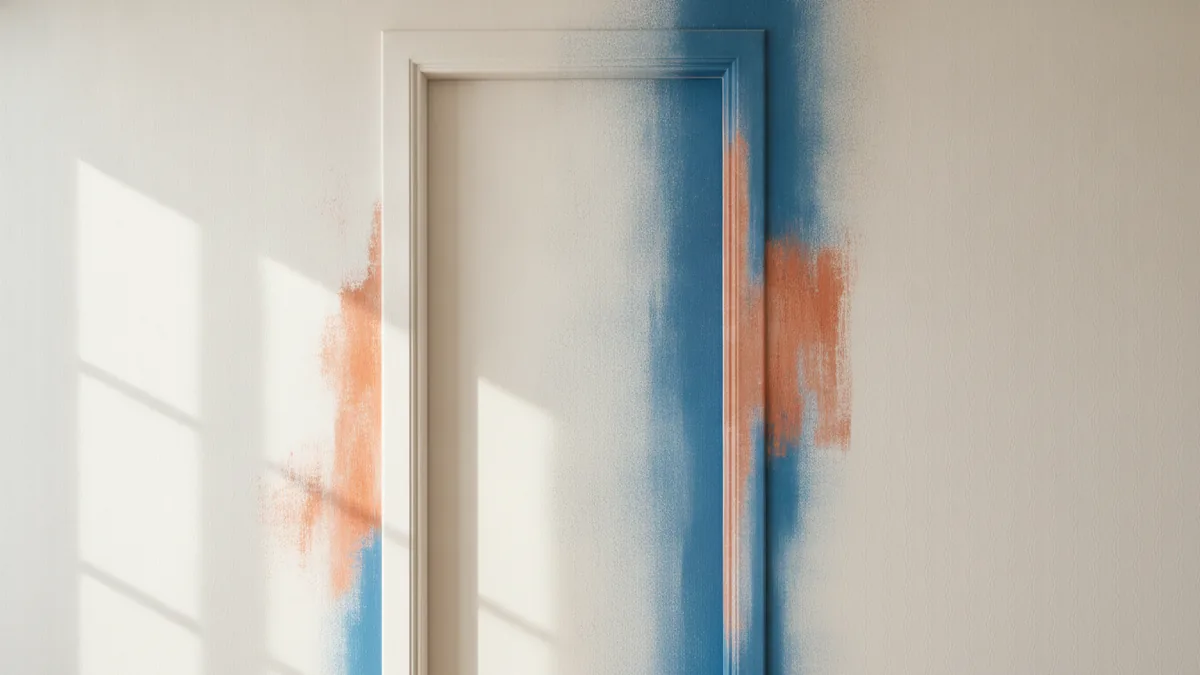
Using furniture to conceal doors (fast and flexible)
If you want a reversible approach, functional furniture can do a lot. Furniture won’t change the door itself, but it can block the doorway from your main seating view. That is often the easiest way to start with creative ways to mask a door without a full wall finish change.
A bookshelf is a reliable choice for blocking sight lines. Place it so it overlaps the door’s “read” from where you sit, but leave a small clearance for airflow and safe access. For a polished look, match shelf height cues to the door height so it feels like part of the same wall composition.
Tall plants can soften the doorway boundary too. Dense foliage hides the lower edge and reduces contrast, especially when your door trim is darker than the wall. Use a planter color that fits your room palette, and keep the plant full enough that you cannot see through it.
You can also use storage pieces that bring order and hide clutter. A credenza or console can visually anchor the wall plane so the doorway feels like a background feature. For a closer blend, use items with similar front finishes and styling that continues around the opening.
- Bookshelves: overlap the doorway from your sofa or main chair
- Large plants: conceal the lower third where edges show most
- Storage credenzas: create a second “front” across the wall
- Room dividers: useful when hiding unused doors in living room seasonally
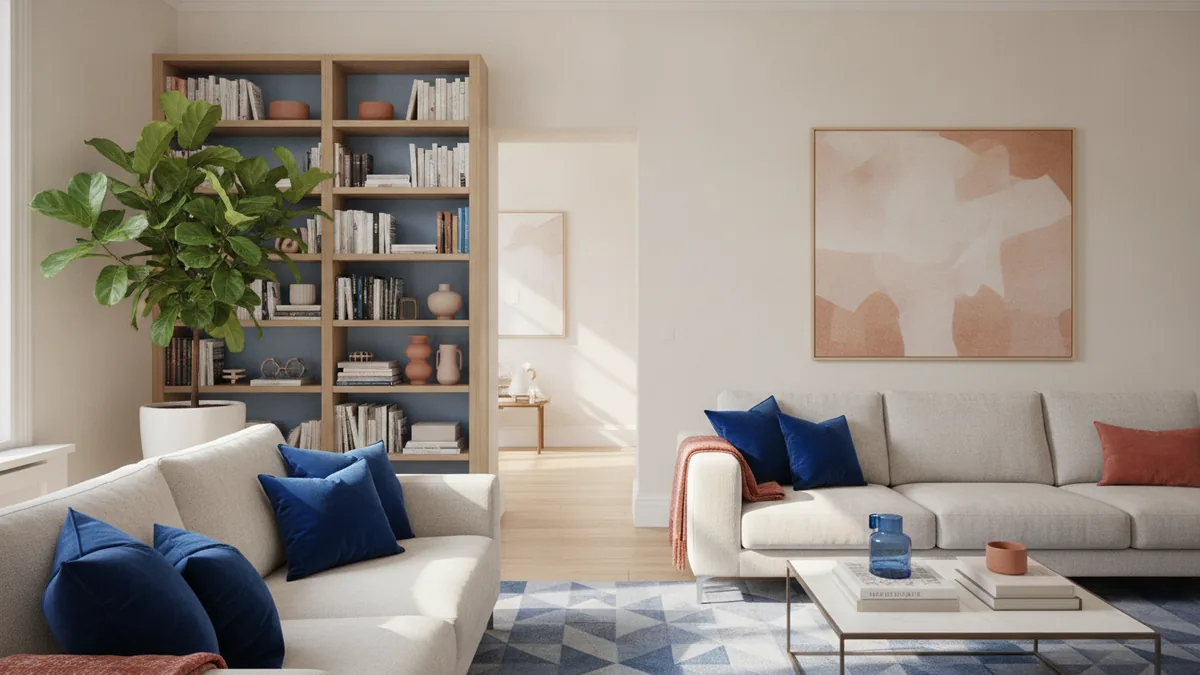
Design ideas for disguising openings (curtains, sliding panels, accents)
Sometimes you need flexibility, not permanent wall work. Curtains are an easy option to cover an entry when you want full concealment. A ceiling-mounted track helps keep the fabric off the floor and away from door swing zones.
Sliding panels add a more architectural feel. They can cover a doorway and then retract when you need access. This is especially useful when you’re trying to how to conceal a bathroom door that pulls focus from the living room.
Accents and framing can also help the door “disappear” into the room. Treat the doorway like a section of a feature wall. Install trim details that echo your room’s architectural lines, then place artwork or a tall mirror over part of the casing area.
When you plan incorporating decor around a door, test sight lines first. Stand in your usual seating spot and check what portion of the doorway you see at eye level. Then choose a cover strategy that targets that specific view, not just the door itself.
Specific cases to consider:
- How to hide bathroom door in living room: use a sliding panel system or a tall curtain on a track.
- How to hide bedroom door in living room: blend with matching paint or create a framed art zone.
- How to hide unused door in living room: add a moveable divider or a wardrobe-style cabinet that can shift.
Tips for hiding unused doors and common wall clutter
Unused doors create a second problem: they often come with related clutter. You might see cables for nearby lighting, or a wall area with outlets and cords feeding other devices. If your goal is to hide the opening, you’ll usually need to manage how to hide cables in living room too.
Start by grouping what’s connected. Bundle and route cables behind furniture or along the edge of the wall where they won’t cross sight lines. Then use cord covers or raceways in a finish that matches your wall so they don’t create a new visual “stripe.”
Outlets can also interrupt the look. If outlets are visible near the doorway, consider moving low-traffic items away from that area, then cover only what you can safely manage. Use cable management tools that maintain ventilation and allow easy unplugging.
For tech hiding, plan around device placement. Many people try to hide electronics only to find the cords become more obvious. A tidy approach is to choose an enclosure or media cabinet, route cables inside, and then hide the router behind the same cabinet front.
- How to hide electrical cords in living room: route along trim lines, then cover with matching raceways.
- How to hide wires in living room: bundle first, then secure at corners and behind furniture.
- How to hide router in living room: keep it inside a media cabinet with vents for airflow.
- How to hide outlets in living room: reorganize devices so outlets sit behind furniture legs.
Incorporating decor to make doors part of the room
Hiding a door looks best when the room has a clear design story. Instead of treating the doorway like a problem, you can integrate it into the wall’s theme. For example, a mural can turn the opening into a natural “break” in the artwork. That kind of planning supports true design integration and stronger style cohesion.
You can also use large decor to anchor the wall plane. If your doorway sits near a media wall, align the placement of speakers and frames so everything feels intentional. This helps you how to hide speakers in living room too, especially when you place them on consistent shelving levels.
Some homeowners also want to hide other bulky items near the living room entrance. If you need how to hide fridge in living room, choose a cabinet-style enclosure, or build a closing panel that matches cabinetry lines. For fitness gear, you can hide equipment with dedicated storage solutions that face inward or fold away.
If you’re dealing with larger items, here are practical concealment ideas:
- How to hide treadmill in living room: store behind curtains or in a closet-like enclosure.
- How to hide exercise equipment in living room: use rolling covers, wall mounts, or storage cubbies.
- How to store weights in living room: keep dumbbells and plates in a rack, then cover with a door.
- How to hide dumbbells in living room: use a closed cabinet or a lift-top bench with foam inserts.
- How to hide large speakers in living room: place them on built-in shelves or behind removable screens.
Conclusion and final thoughts
Learning how to hide a door in living room comes down to one idea: reduce the doorway’s contrast edge from your main view. Paint blending is fast and reliable, while wallpaper and paneling create stronger wall identity. Furniture is the most flexible option, especially for hiding unused doors in living room when you want low effort.
For openings that connect to other rooms, use smart concealment like curtains or sliding panels. That is a strong way to how to conceal a bathroom door without making the living room feel cramped. Then finish the job by managing related cords and device clutter so the doorway stays the only “edge” you don’t fight.
When you plan with creative home improvements and thoughtful decor placement, your doorway stops feeling like a distraction. It becomes part of your space optimization plan and your overall interior decoration style.
Quick recap
- Choose paint, wallpaper, or paneling for permanent blend.
- Use furniture to block the doorway from seating sight lines.
- Use curtains or sliding panels for flexible concealment.
- Manage cords, wires, and electronics so the room stays tidy.
Frequently asked questions
- How can I hide an unused door in my living room?
- Use a movable room divider or a wardrobe-style cabinet positioned to block the doorway view. If you want it more permanent, match the door to the surrounding wall and casing.
- What’s the easiest way to hide cables in a living room?
- Bundle cords first, then route them behind furniture or along wall edges. Finish with matching cord covers or a raceway so they don’t create new lines.
- How do I conceal a bathroom door in living room sight lines?
- Try a ceiling-mounted curtain on a track or a sliding panel system. These options hide the doorway when you want privacy, while keeping access easy.
- How can I hide electronics like a router in the living room?
- Place the router inside a media cabinet or closed console with ventilation. Route all cables inside the cabinet so only the cabinet front is visible.
- How do I hide big items like speakers or weights in a living room?
- Use built-in shelving, removable screens, or cabinets that match your decor. For weights, choose a closed rack or storage bench to keep everything out of view.
Related reading
Couch Placement — Comfort, Flow, and Style
Arrange couches for easy movement, good conversation, and a balanced room.
Small Kitchen Design — Light, Space and Smart Storage
Use light, smart storage, and slim furnishings to make a small kitchen feel more open.
Living Room Paint — Measurements and Buying Tips
Measure your walls, count coats, and buy the right amount of living room paint.