How to Decorate a Huge Bedroom (So It Feels Cozy and Useful)
Huge bedroom feels empty? Use zones, bold furniture, warm light, and wall decor to make it inviting.
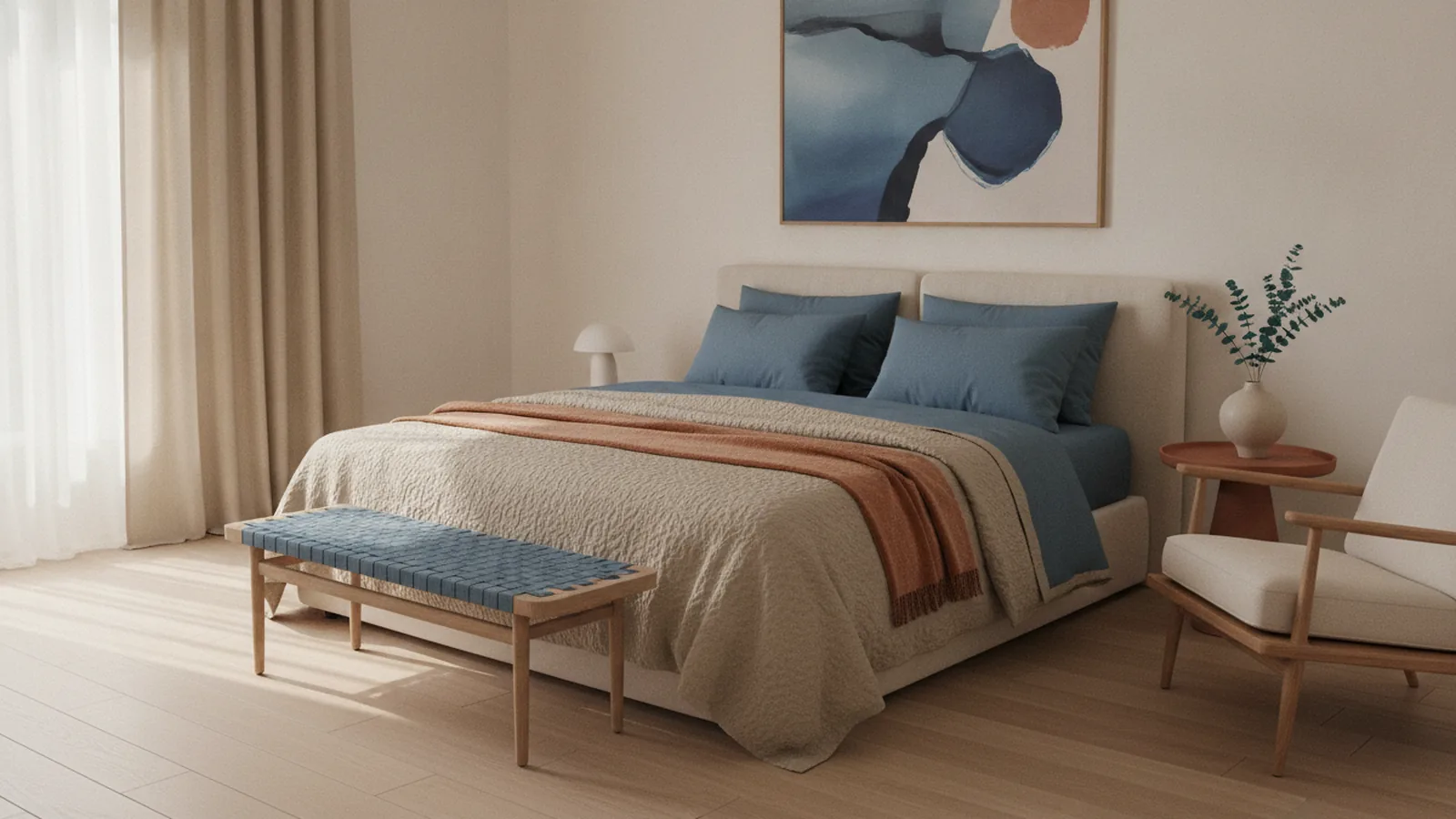
Understanding large bedroom dynamics
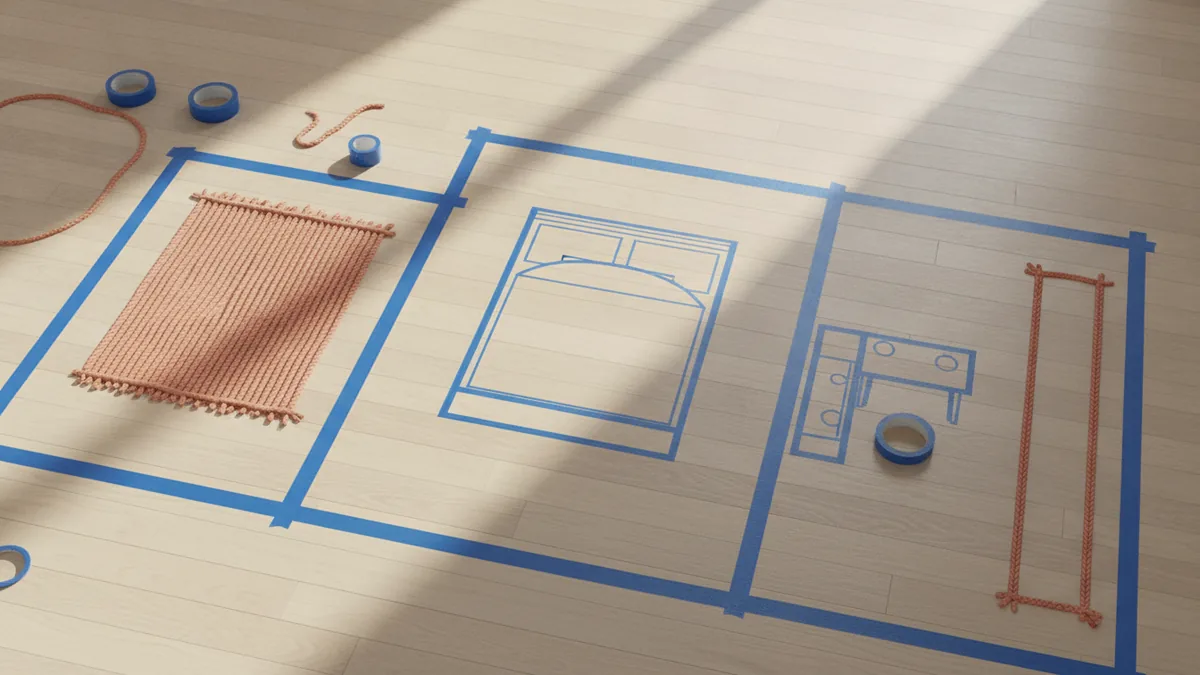
If your bedroom feels big but oddly empty, start with purpose. Designing big bedrooms for comfort means deciding what the room must do besides sleeping. Many people also want a reading nook, a dressing area, or a quiet work corner. Write a one-sentence goal for each use, like “sleep and recharge” plus “try-on clothes fast.”
Next, consider how you move through the room. Walk a quick path from the door to the bed, then to closets, then to any seating. If that path is vague, you will feel lost when you decorate. Use that movement as a guide for zone definition and placement decisions.
Finally, measure the “negative space” you are trying to tame. A huge living room can still feel cozy with planning, but bedrooms need even more intentional layout. Use tape on the floor to outline the bed footprint and any seating area. Then decide where circulation should stay clear.
- Define 2–3 everyday activities in the bedroom
- Check your walking path from door to bed and storage
- Use floor tape to test zones before buying furniture
Creating functional zones
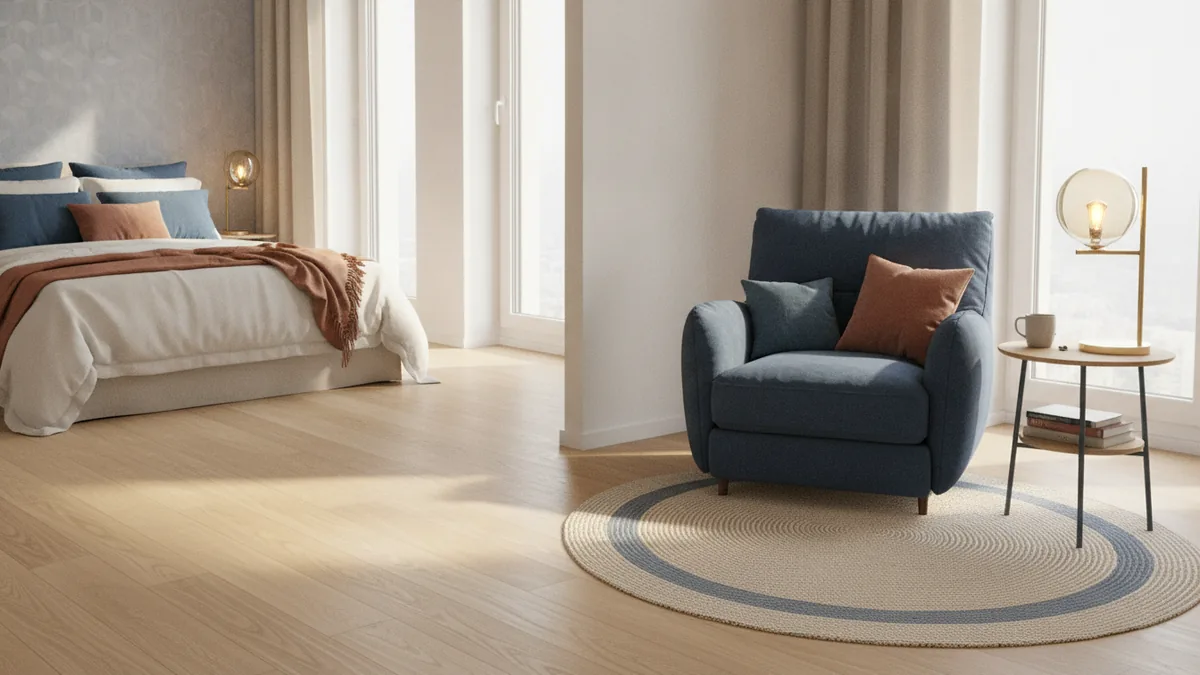
Functional zones turn an open layout into something you can actually use. Start with the bed as your anchor zone, then add a second zone for getting ready, and a third for relaxing. You do not need formal dividers, but you do need clear visual cues. A rug, a sofa, or a change in lighting can do that job.
One common issue is placing all seating too close to the bed. If you want the room to feel inviting, pull the chair or bench away enough to form a distinct conversation space. For example, place a reading chair on its own rug area with a side table and lamp. Keep at least 30–36 inches of clearance where you walk between zones.
Another strong approach is to use the “long wall” wisely. If the room is wide, the bed can sit on a shorter wall while a seating area sits along the long wall. This creates a natural zone definition without crowding. For tips for decorating a large bedroom, treat zones like rooms inside one room.
- Mark the bed zone first using tape on the floor
- Add a dressing zone with a dresser, mirror, and bench
- Build a relax zone with a chair or small settee
- Use a rug or lighting change to clearly separate each zone
Choosing the right furniture for scale
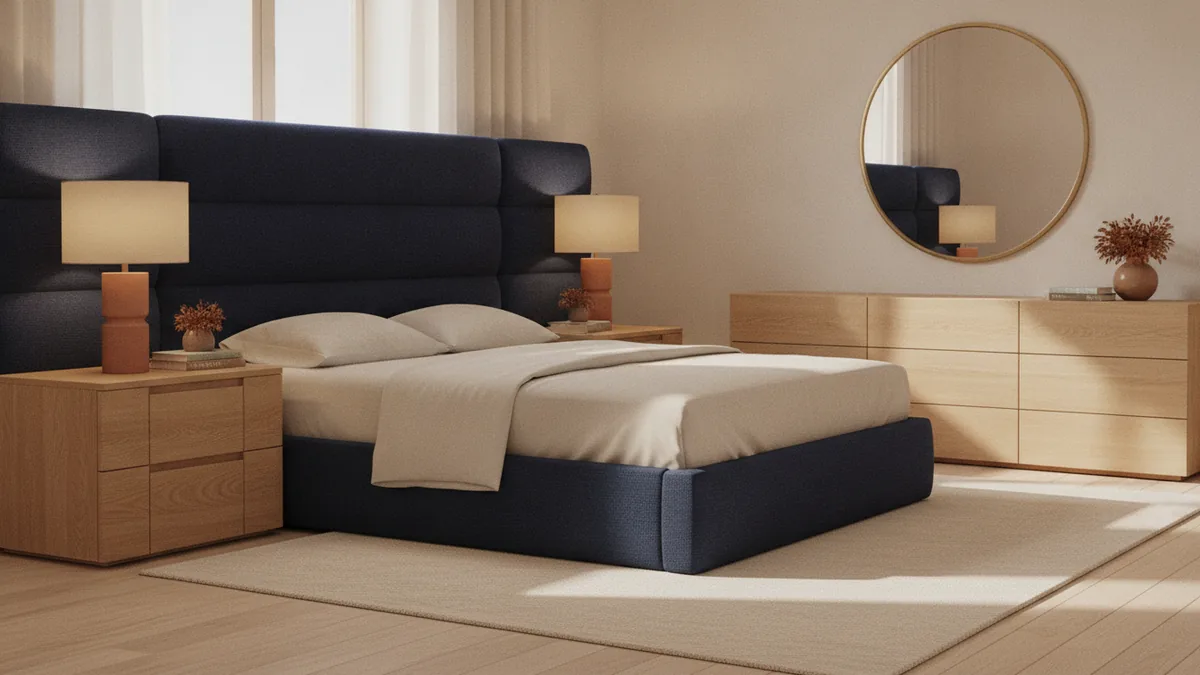
When people ask how to decorate a huge bedroom, they usually mean the scale problem. Oversized furniture gives visual weight, fills empty areas, and reduces that floating feeling. A small side table next to a large bed will look lost. Instead, choose pieces that “hold” space even when the room is quiet.
Start with the bed frame and bedding. A low-profile bed can make a large room look hollow, especially with minimal wall coverage behind it. If you have the budget, consider an upholstered headboard that reaches close to the width of your nightstands. For length, aim for side tables that are wide enough for a lamp plus daily items.
Then choose storage with presence. A tall dresser or double vanity-style console can replace the need for multiple small items. If you like an airy look, use one larger console rather than three narrow pieces. For dressing, a bench under a mirror usually looks more intentional than scattered stools.
Finally, align furniture to your traffic lanes. If the room is wide, you can create a seating zone that faces the bed at a slight angle. That angle often feels more natural than a flat, parallel arrangement. It also helps when you want the room to feel inviting during the day, not just at bedtime.
| Furniture choice | What works in a spacious bedroom |
|---|---|
| Bed | Wide headboard, scale-matched nightstands, full bedding for visual bulk |
| Seating | A chair plus ottoman or a small settee, placed on its own rug area |
| Storage | Tall dresser or long console to avoid “tiny islands” of furniture |
| Tables | One larger coffee table feel (where applicable) or two substantial side tables |
Lighting strategies for spacious rooms
Lighting is the fastest way to change how a huge bedroom feels. Use layered lighting: ambient light for evenings, task light for dressing and reading, and accent light for mood. In a decorating spacious bedroom plan, do not rely on one overhead fixture. One bright ceiling bulb often makes large rooms look colder and flatter.
Build from the practical tasks. Put a lamp or sconce near the bed for reading, and add a focused light at the mirror or dresser. For the relax zone, choose a floor lamp with a warm shade or a table lamp on a side surface. Warm light at around 2700K to 3000K usually reads cozy in bedrooms.
Now add ambiance. Use dimmers so you can scale light down after sunset. If you have art or wall niches, consider small picture lights or a directional floor lamp aimed upward. Accent light adds depth, which matters when large bedroom design ideas rely on filling big empty walls and corners.
- Add dimmers to overhead and table lamps
- Use one warm ceiling level for general light
- Provide task lighting for dressing and reading
- Use accent lighting to create depth on walls and corners
Color schemes and wall treatments
A cohesive and warm color palette keeps big bedrooms from feeling like showrooms. Instead of high-contrast, go for layered neutrals with gentle warmth. Think warm whites, greiges, soft taupes, and muted earthy tones. Then add deeper color in textiles, art, or a single accent wall.
Wall treatments can also anchor scale. In a huge bedroom, plain paint can highlight emptiness more than you expect. A large upholstered panel behind the bed works well, especially if you want a calmer, hotel-like feel. If you prefer paint only, try a slightly darker tone on the main wall to create a visual base.
When you add texture, keep it consistent across zones. For example, if your bedding is linen-like, choose curtains with a similar weave. If the room has wood floors, echo the undertone of the floor in accessories. The goal is decorating that feels connected, not patchwork.
Also plan wall space beyond the bed. Large rooms often have long stretches of wall that go bare. Use wall treatments like large-scale art, paneling, or a few framed groupings at eye level. Aim for pieces wide enough to read from across the room.
- Choose warm neutrals as your base
- Use deeper tones in textiles and art
- Consider an upholstered or textured wall treatment behind the bed
- Scale up wall art so it fills the wall comfortably
Incorporating decor elements with intention
Decorative accessories should support zone definition, not fight it. Rugs are key because they physically define where one activity ends and another begins. In decorating a spacious bedroom, use rugs large enough that at least the front legs of furniture sit on them. That rule alone makes the room look designed instead of scattered.
Think about rug placement like layout planning. Place the seating zone rug under the chair and side table area first, then place the bed rug strategy next to it. If the bedroom is very large, a second smaller rug can work at the foot of the bed, but it should feel like part of one system through color. Coordination beats matching every detail.
Mirrors and artwork are also essential for filling wall space and adding character. A large mirror near the dresser expands the room visually and improves morning routines. For artwork, mix scale deliberately: one main piece above the bed, plus a smaller group in the seating zone. Keep frames consistent in finish, like black matte or warm wood, to preserve a cohesive look.
Finally, include meaningful decorative elements that reflect personal style. A tray for jewelry, a sculpture on the dresser, or a stack of well-chosen books adds life without clutter. Designing big bedrooms for comfort means you should be able to live there, not just photograph it.
Adding personal touches with accessories and plants
Accessories make the room feel lived-in, especially in a large bedroom where blank surfaces can feel cold. Start with functional decorative accessories: a catch-all tray, a small basket system, and a few styled items on the dresser. Choose fewer, larger pieces rather than many tiny objects. It looks calmer, and it is easier to maintain.
Plants add dynamic decor, and they work well in almost any large bedroom design ideas. Use height to fill vertical space near corners or shelves. A floor plant by the seating zone adds movement and softness, while a smaller tabletop plant brightens side surfaces. If lighting is limited, pick low-light varieties and keep watering habits realistic.
Layer your textiles for comfort and visual warmth. Add a throw blanket, multiple pillow sizes, and curtains with enough length to touch the floor or skim near it. Soft layers help a huge room feel comfortable, even when the walls are bold. This is one of the simplest tips for decorating a large bedroom because it upgrades comfort immediately.
Use one “signature” element to tie everything together. It could be a color in the artwork, a finish in the furniture legs, or a patterned rug that repeats in smaller ways. When personal style is consistent, the room feels intentional. When it is scattered, the room feels empty again, even if you bought a lot.
- Choose larger accessories to reduce visual clutter
- Use mirrors for both style and practical space
- Add plants for life and color, matched to your light
- Repeat one element across zones for cohesion
Frequently asked questions
- How do I decorate a huge bedroom without making it feel empty?
- Define what activities the room needs, then create clear functional zones. Use a large rug, substantial furniture, and layered lighting to add depth.
- What furniture works best for decorating a spacious bedroom?
- Pick oversized furniture that matches the room’s scale, like a wide headboard and roomy nightstands. Add a seating piece that sits on its own rug area.
- How should I arrange furniture in a large bedroom for comfort?
- Anchor the bed first, then build a dressing area and a relax zone. Keep 30–36 inches open where you walk between zones.
- What lighting makes a large bedroom feel cozy?
- Use layered lighting with warm bulbs around 2700K to 3000K. Add dimmers, bedside task lamps, and accent light on walls or corners.
- What color palette should I use for large bedroom design ideas?
- Choose a cohesive color palette with warm neutrals as a base. Add deeper tones through textiles, artwork, and one stronger accent.
- How can mirrors and plants help decorate a huge bedroom?
- Use a larger mirror to fill wall space and brighten daily routines. Add plants with height to bring life and color, especially near corners.
Related reading
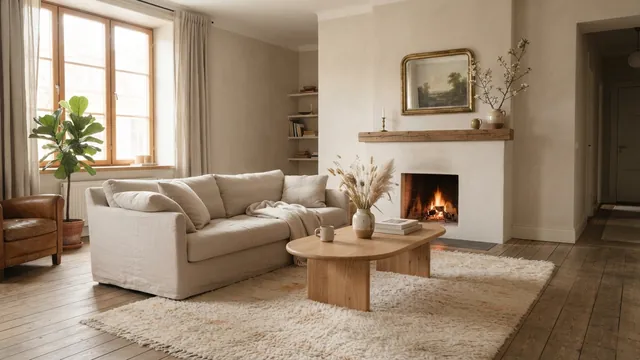
Couch Placement—Flow, Focus and Comfort
Place your couch to frame a focal point, keep paths clear, and make the room feel balanced.
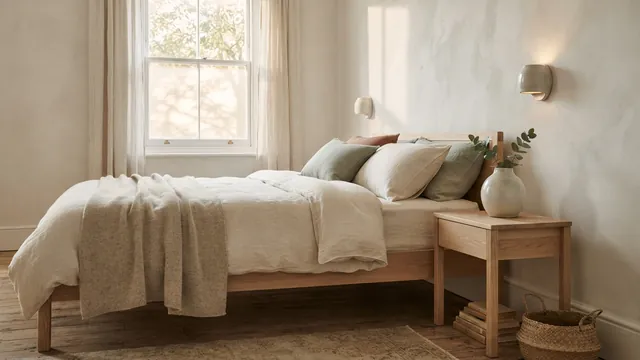
Master Bedroom — Color, Comfort and Personal Style
Build a calm, personal bedroom with smart choices and a budget that works.
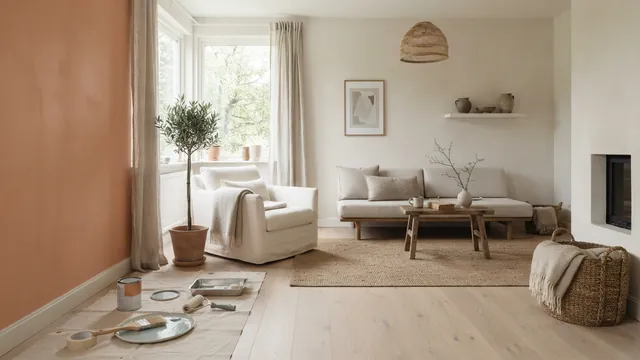
Room Painting Labor Costs — Rates and Budget Factors
See typical room-painting labor rates and learn what drives the final price.