Living Room Rugs — Size, Placement, and Style
Find a rug size that anchors your seating and suits the room.
Why living room rugs matter
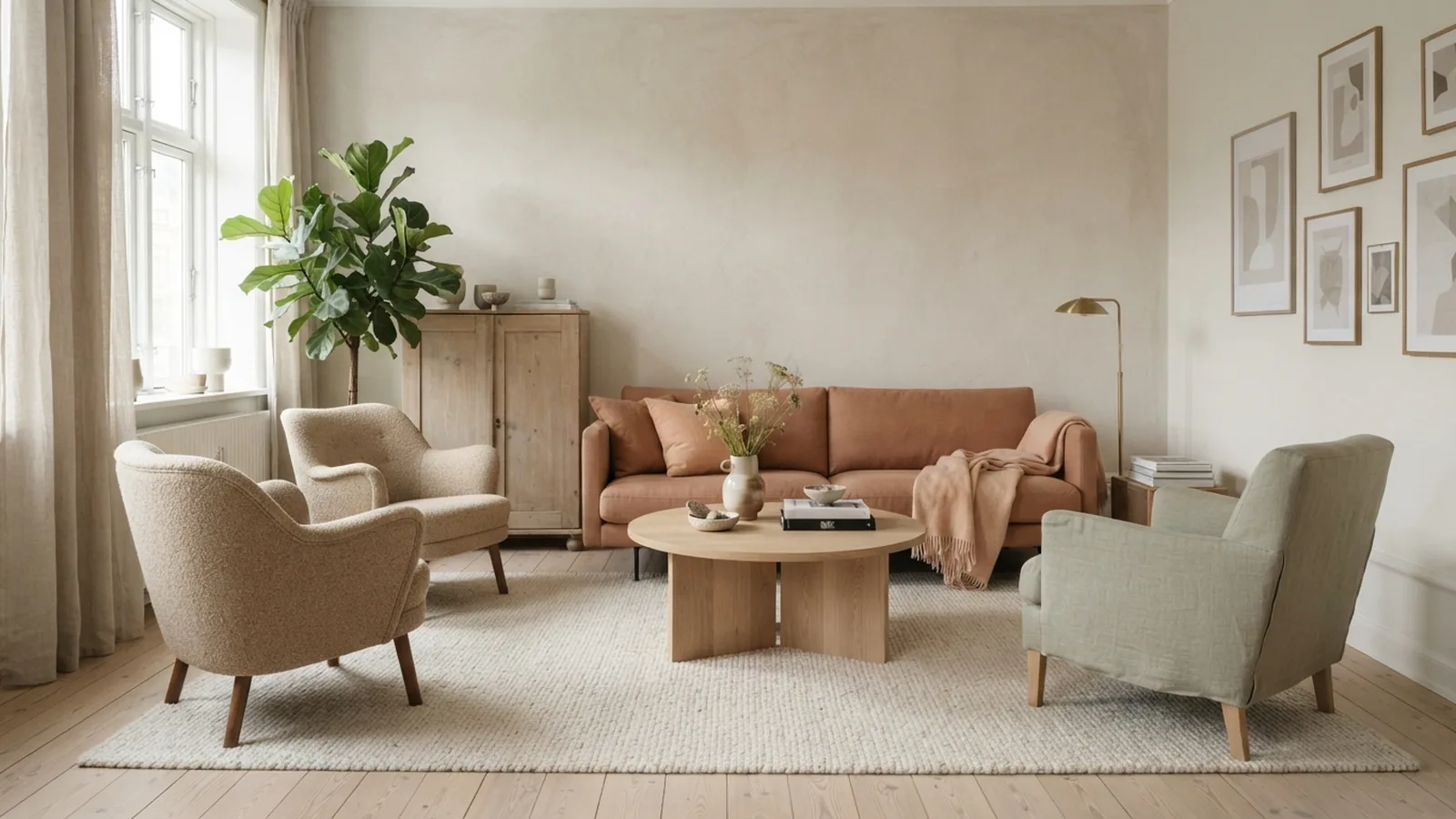
A living room rug anchors the seating area and helps define the space. It can link a sofa, chairs, and coffee table into one comfortable group. In an open-plan home, a rug can also mark the living area without adding a wall.
People often ask, how big is a living room rug, or how big should a living room rug be? The answer depends more on the furniture layout than on a standard room size. Measure the seating group first, then choose a rug that ties those pieces together.
A rug that is too small can make furniture look scattered. A larger rug can help the room feel more open by giving the seating area one clear edge. An 8'x10' rug suits many layouts, while a 9'x12' rug can unify a broader group.
Measure your living room and seating area
Start by measuring the room’s length and width. Then measure the sofa, chairs, and coffee table. These figures help you measure living room rug size in relation to the furniture you want to anchor.
Mark possible rug edges on the floor with painter’s tape. Try more than one size if you have room. Walk around the taped outline, open nearby doors, and check that vents, fireplaces, and paths stay clear.
For a larger rug, leave about 18–36 inches of visible floor around its edges when the room allows. A small room may need a narrower border. An even border can look calm, but the furniture plan matters more than perfect symmetry.
- Measure the full room and the main seating pieces.
- Mark rug sizes with tape before you shop.
- Check door swings, walkways, and nearby dining chairs.
- Keep enough floor space around the rug for easy movement.
Room size alone does not set the best rug size. If you ask how big is a living room, how big is a normal living room, or how big is a standard living room, you will find no single answer. Homes and room plans vary, so use your own measurements rather than a presumed typical size.
Choose a rug size for your layout
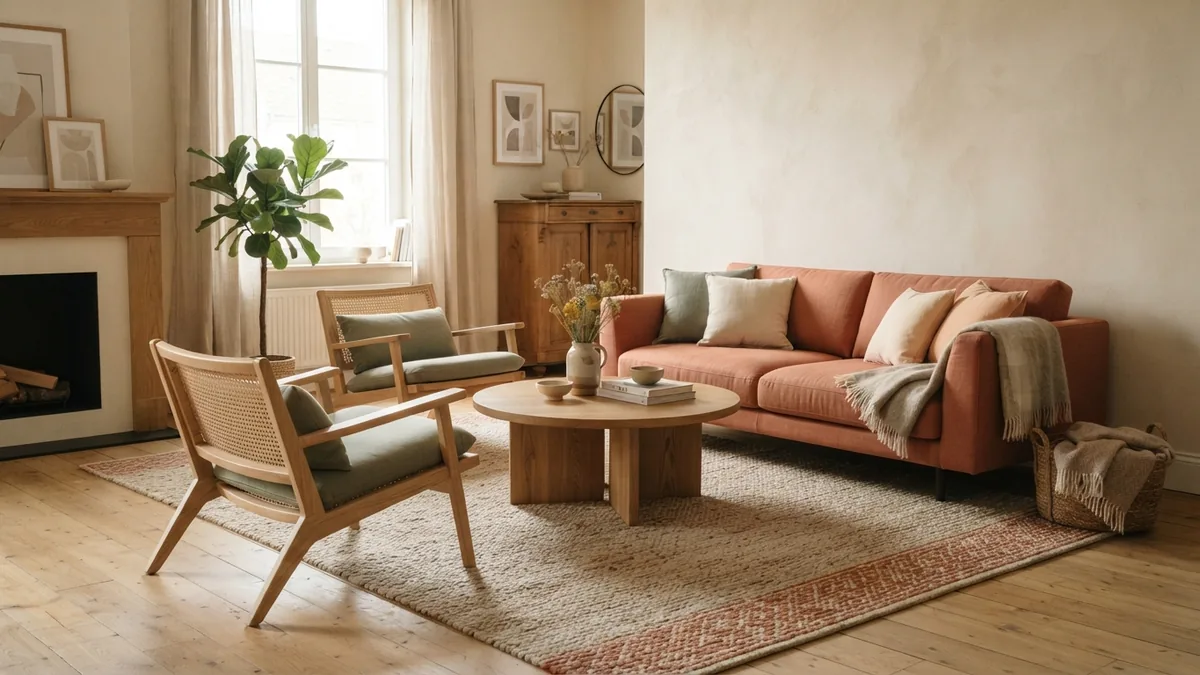
Common living room rug sizes include 5'x7', 6'x9', 8'x10', 9'x12', and 10'x14'. Treat these as starting points, not fixed rules. Rug sizes can vary a little by maker, so check the listed measurements before you buy.
A 5'x7' rug can suit a compact nook or a small seating area. A 6'x9' often works in a smaller room when the front legs of the sofa and chairs rest on it. An 8'x10' is a flexible choice for many mid-size seating groups.
A 9'x12' rug gives larger seating groups more room to connect. In a broad room, a 10'x14' can cover a generous zone while leaving a border of bare floor. If you wonder how large is a normal living room rug, 8'x10' is a common middle option, but it will not fit every room.
| Rug size | Typical fit |
|---|---|
| 5'x7' | Compact nook or small seating area |
| 6'x9' | Small sofa group with front legs on the rug |
| 8'x10' | Many mid-size seating groups |
| 9'x12' | Large group with several seats on the rug |
| 10'x14' | Broad room or spacious seating zone |
For a rug size guide for living rooms, think about the rug’s job as well as its dimensions. It should reach far enough under the furniture to connect the group. If the sofa legs sit just outside the rug, try a larger size or shift the furniture inward.
Place the rug to suit your furniture
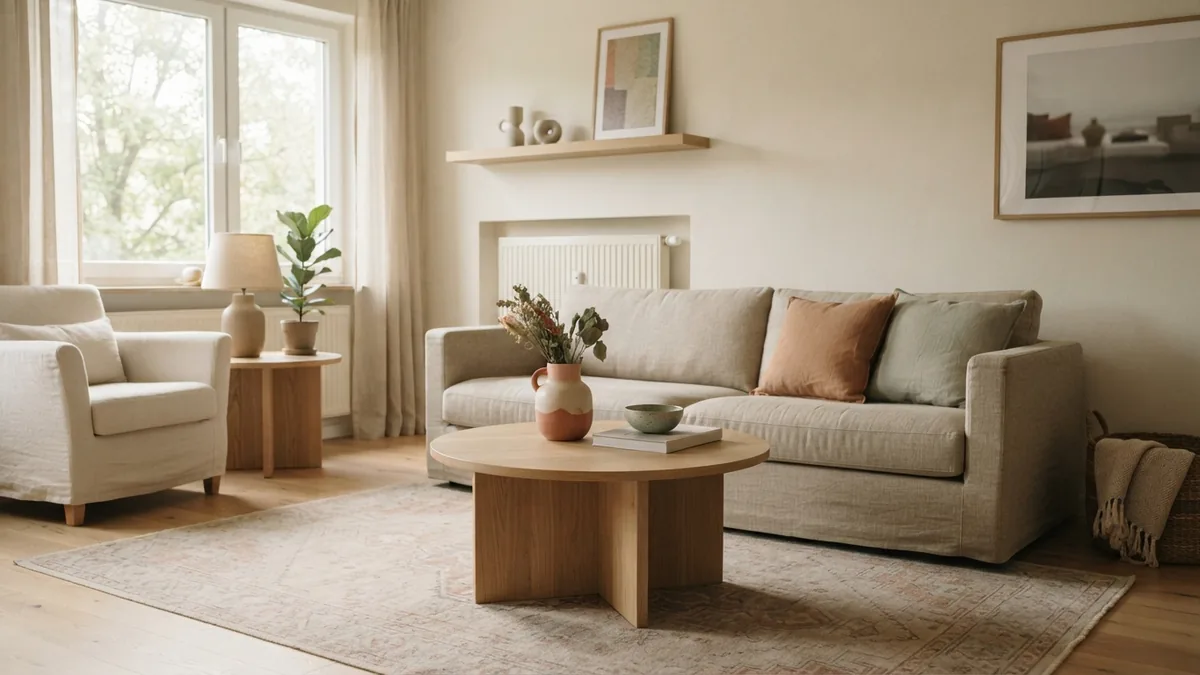
There are three main placement choices: put all seating on the rug, place only the front legs on it, or keep the rug apart from the furniture. For many rooms, front legs on the rug create a good balance. The seating feels linked, yet the rug does not need to cover the whole floor.
Putting all the furniture on a rug can work well in a large room. Leave some rug beyond the sofa and chairs, so their feet do not sit on the edge. A roomy 9'x12' can bring several pieces into one zone.
A rug under only the coffee table may work in a tight nook. It can also suit a layout where furniture must stay clear of the rug. In a large seating area, though, this choice can look too small. Center the rug on the group, not just on the room’s walls.
When deciding how big should my living room rug be, check where people walk and where seats need to sit. The same rule applies when asking how big should your living room rug be. Choose a size that supports the way the room works each day.
Choose a rug for comfort and daily use
Size is only one part of the choice. A soft pile feels pleasant underfoot, while a low pile can make chairs easier to move. In a busy room, pick a rug that suits your cleaning habits and can handle regular use.
For open-plan homes, keep the rug edge clear of dining chairs and main walking routes. That gives each zone a clear purpose without blocking the path through the room. A rug pad can also help keep the rug in place and add a little comfort.
Large rooms may need more than one seating zone. If you are thinking about how to fill a big living room or how to furnish a big living room, start by grouping seats around a rug. A second rug can define another area, but keep its style and scale in step with the first.
An 85-inch TV does not decide the rug size. If you ask, “Is an 85 inch TV too big for living room use?” consider viewing distance and room layout separately. Let the rug fit the seating group, then place the screen where it works for the room.
Finish the look with color and texture
Choose a color and texture that support the room’s main pieces. A quiet neutral rug can soften bold furniture. A patterned rug can add interest when the sofa and walls are plain.
You do not need to match every item. Repeat one or two colors from cushions, curtains, or art to make the room feel joined up. Natural fibers and muted tones can suit a calm, airy space, while a deeper pattern may help hide everyday marks.
Before you settle on a rug, look at the taped outline from the doorway and from each seat. Check that the rug anchors the group, leaves clear paths, and feels right underfoot. If it does those jobs, its size is likely a good fit.
Frequently asked questions
- How big should a living room rug be?
- Choose a rug that reaches under the front legs of the main seating. An 8'x10' suits many rooms, while a 9'x12' can work for a larger group.
- What is a common living room rug size?
- Common sizes include 5'x7', 6'x9', 8'x10', 9'x12', and 10'x14'. The right size depends on your room and furniture.
- Should all furniture sit on the living room rug?
- Not always. Front legs on the rug often connect the seating group while leaving more floor visible.
- How much floor should show around a living room rug?
- For a larger rug, aim for about 18–36 inches of visible floor around the edges when the room allows. Smaller rooms may need less.
- Can a large rug make a living room look bigger?
- It can help a room feel more open by linking the furniture into one clear area. A rug that is too small may make the seating feel scattered.
Related reading
Living Room Rugs — Size, Placement and Balance
Size and place a rug to bring your seating area together.
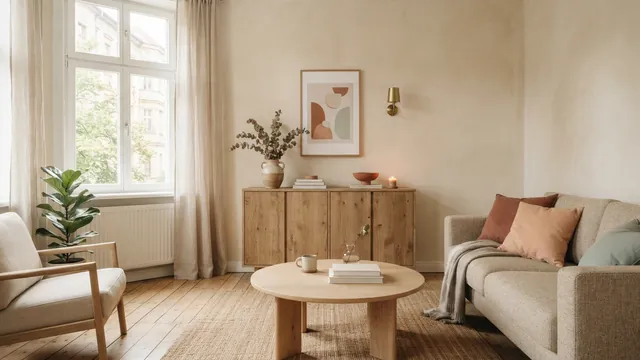
How to Learn Interior Design on Your Own or Online
Learn interior design through clear principles, free courses, and hands-on home projects.
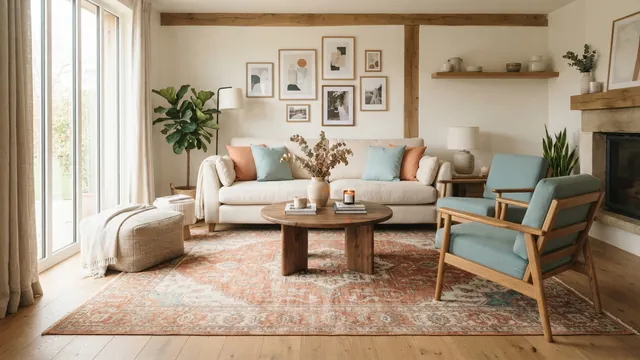
How to Place a Rug in a Living Room With Style
Set the right rug size, layout, and flow for a better living room.