How to Learn Interior Design on Your Own or Online
Learn interior design through clear principles, free courses, and hands-on home projects.
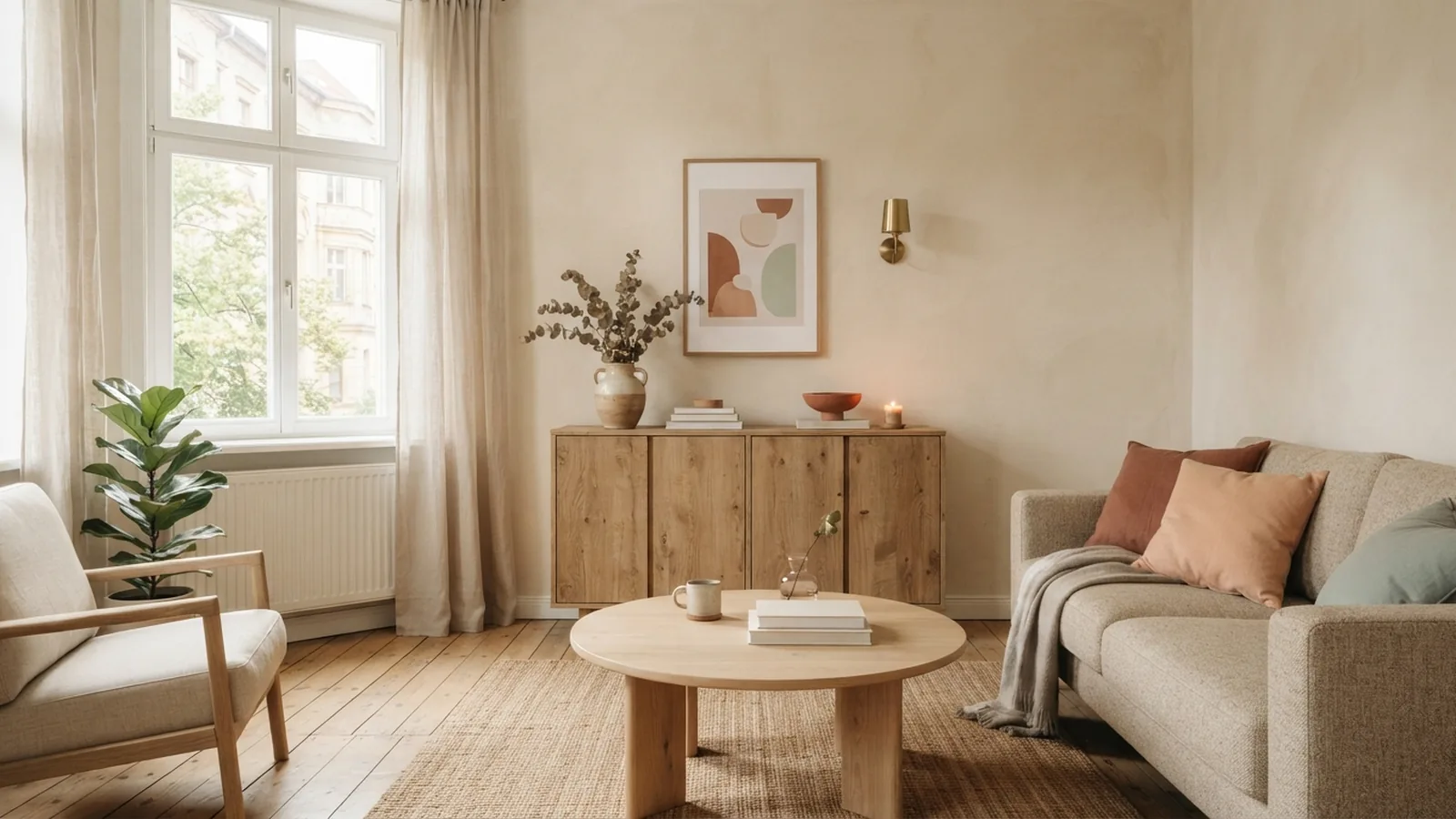
Start with the Basics of Interior Design
To learn interior decoration, study how beauty and function work together. Interior design improves the look, feel, and use of indoor spaces. It covers rooms, finishes, furniture, lighting, storage, and movement through a home.
Interior decoration focuses more on surfaces and objects. Interior design also considers layout, safety, comfort, and building limits. Both paths need a strong eye for detail and a clear reason for each choice.
Begin with one room in your home. Measure its length, width, doors, windows, and fixed features. Take clear notes before choosing paint, furniture, or decor.
Then study the room as a whole. Ask how people use it, where light enters, and what feels awkward. This simple review gives your design choices a firm base.
- Measure the room and draw a rough floor plan
- List the room’s main needs and storage gaps
- Note the light levels during morning and evening
- Choose one clear mood for the space
Learn the Principles That Make Rooms Work
Good rooms follow a few core design principles. These rules help you make choices that feel calm, useful, and joined together. You can break them later with purpose.
Color theory explains how hues affect mood and relate to each other. Start with three colors. Use one main color, one support color, and one small accent.
Balance spreads visual weight across a room. Symmetrical balance feels formal. Asymmetrical balance feels relaxed but still needs care.
Scale compares an object with the room around it. Proportion compares parts within one design. A large sofa may suit a wide room, but it can crowd a small one.
Harmony links colors, shapes, materials, and patterns. Repeated wood tones can join separate furniture pieces. Repeated curves can soften a room with many straight lines.
Lighting design also shapes mood and function. Mix general light, task light, and soft accent light. A reading chair needs focused light, while a lounge area needs a warmer glow.
| Principle | Simple way to use it |
|---|---|
| Color | Build a small palette from one main hue |
| Balance | Spread large and small items across the room |
| Scale | Match furniture size to the room’s size |
| Proportion | Keep parts of one setting in a pleasing ratio |
| Harmony | Repeat colors, shapes, or materials with care |
These principles answer a key question: what do you learn in interior design? You learn to judge space, light, color, form, and use. You also learn how each choice affects the whole room.
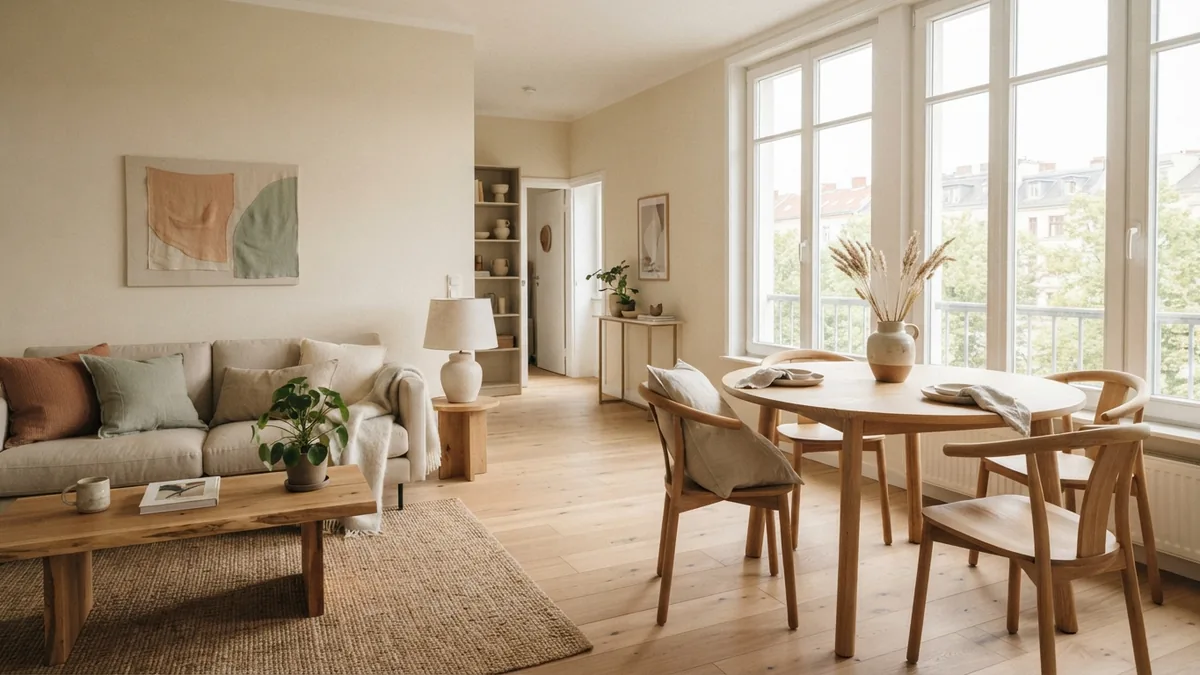
Use Online Courses to Build a Clear Learning Path
Online study can show you how to learn interior designing at home. It also helps you avoid random lessons with no clear order. Pick a course that includes space planning, color, lighting, materials, and project work.
Many free online courses offer an introduction to interior design basics. Universities, museums, and major learning sites often share short lessons at no cost. Check the course outline before you start.
Paid courses may add feedback, graded work, or a final portfolio. That support can help if you want paid client work. It is not required for learning the core ideas.
Set a weekly study plan with three parts. Watch one lesson, take notes, and apply the idea in a real room. A 45-minute session can create steady progress.
- Choose one beginner course with a clear lesson plan
- Study two or three lessons each week
- Apply each lesson to one room or floor plan
- Save your work in a simple digital folder
- Review old projects after one month
When comparing courses, look for plain teaching and useful tasks. Strong lessons ask you to measure rooms, build palettes, or plan furniture. They should not rely only on trend boards.
YouTube can help with focused skills. Search for furniture arrangement, lighting plans, sketching techniques, and software guides. Watch several teachers before copying one method.
Find Free Resources for Interior Design Practice
If you want to learn interior design for free, combine several resource types. One source may teach color well, while another explains floor plans. Together, they create a broad base.
MOOCs are Massive Open Online Courses. They often include free videos, readings, and small tasks. Some charge for a certificate, but the lessons may remain free.
YouTube works best when you use a search plan. Start with one question, such as how to plan a small living room. Then test the advice in your own space.
Design software can make practice easier. Free floor plan tools let you place walls, doors, and furniture. Some also show a basic view of the room.
You do not need costly software at first. Paper, a ruler, colored pencils, and a tape measure can teach the same core ideas. Digital tools matter more once your plans grow complex.
- Use YouTube for short skill lessons and room walk-throughs
- Use MOOCs for a planned beginner course
- Use free floor plan tools for layout tests
- Use museum sites for color and style history
- Use your own home as a safe practice space
Keep a design journal as you study. Save room plans, color samples, lighting notes, and lessons from mistakes. This record will reveal your progress over time.
Build the Skills Used in Real Design Work
Strong interior designers need more than style ideas. They need to listen, plan, measure, explain, and solve problems. These skills matter in both decorating and full design roles.
Drawing can improve your ability to show a design. Simple lines can explain a layout, cabinet shape, or lighting idea. Is drawing necessary for interior designing? No. Clear thinking and good communication matter more.
Learn basic sketching at your own pace. Practice room boxes, one-point views, furniture shapes, and quick floor plans. Aim for clear shapes instead of perfect art.
Client relationships are another key skill. A client may like a style but need better storage or easier cleaning. Ask about budget, habits, timing, and must-have features before making a plan.
Project planning turns ideas into work. Break the job into measures, design choices, orders, delivery, and final checks. Add time for delays and changes.
| Skill | Practice task |
|---|---|
| Space planning | Test three layouts for one room |
| Color judgment | Build three small palettes |
| Sketching | Draw five pieces of furniture |
| Client listening | Write questions for a pretend brief |
| Project planning | Map tasks for a two-week room update |
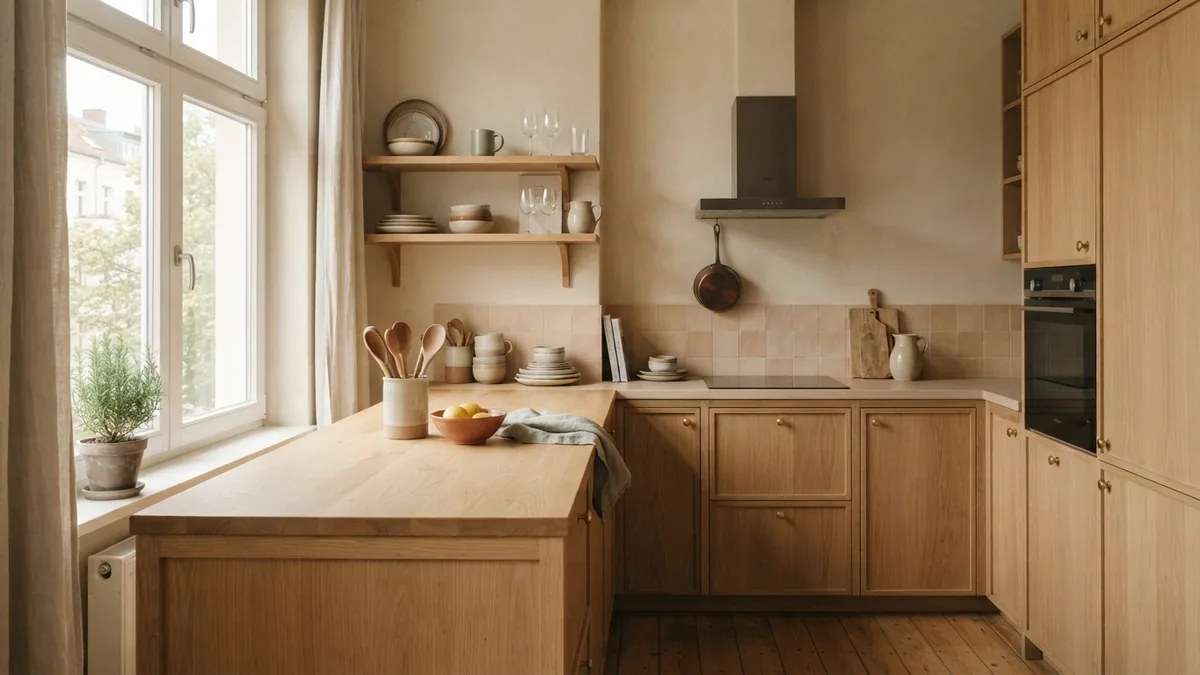
Kitchen design needs extra care because the room has many fixed needs. Study work zones, cabinet sizes, counter space, lighting, and appliance placement. Then test your plan against real cooking habits.
Use DIY Projects to Turn Study into Skill
The fastest way to learn interior design yourself is to complete small projects. Start with a corner, wall, or single storage problem. Small work limits cost and makes results easier to judge.
Take before notes, even if you do not change the room at once. Record the problem, your goal, and the limits. Then make two or three possible plans.
Test furniture arrangement with painter’s tape on the floor. Mark the full size of a sofa, table, or island. Walk around the shapes before moving heavy items.
Use samples before buying large amounts. Paint a small board instead of trusting a screen. View it in morning, afternoon, and evening light.
Choose one main change at a time. A new layout may solve the room without new furniture. A better lamp may fix a dark corner without a full redesign.
- Clear one surface before adding new decor
- Group objects by color, height, or material
- Leave walking paths open and easy to use
- Keep useful items within easy reach
- Review the room after living with it for one week
For a small kitchen, begin with workflow rather than style. Track the path from fridge to sink to cooking area. Keep daily tools near the work zones that use them.
Build a simple portfolio as you work. Include the brief, measurements, plan, palette, and final result. Add a short note about what you would change next time.
This approach shows how to learn interior decoration through real decisions. It also gives you proof of skill if you later seek freelance work. Progress comes from repeated tests, not from collecting endless inspiration.
Frequently asked questions
- How do I learn interior design at home?
- Study one clear beginner course, then practise in a real room. Measure spaces, test layouts, and keep a record of each project.
- How can I learn interior design for free?
- Use free online courses, YouTube lessons, library books, and free floor plan tools. Combine lessons with hands-on room projects.
- Is drawing necessary for interior designing?
- No. Drawing can help you show ideas, but clear plans, good measurements, and strong communication matter more.
- What do you learn in interior design courses?
- Most beginner courses cover space planning, color theory, lighting, furniture, materials, and design principles. Some also teach software and client work.
- How do I learn kitchen design?
- Study work zones, cabinet sizes, counter space, lighting, and appliance placement. Measure a real kitchen and test several layouts.
- Can I learn interior decoration without a degree?
- Yes. You can build useful skills through courses and practice. A portfolio of well-planned projects can show what you can do.
Related reading
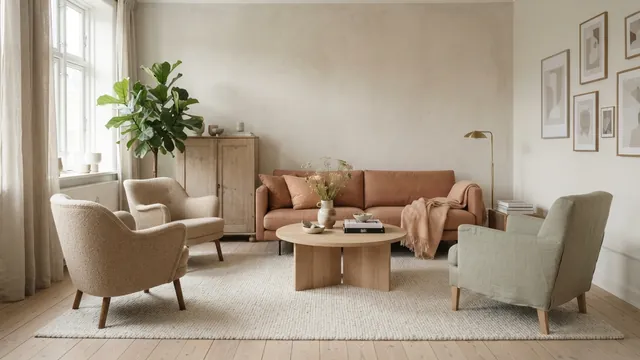
Living Room Rugs — Size, Placement, and Style
Find a rug size that anchors your seating and suits the room.
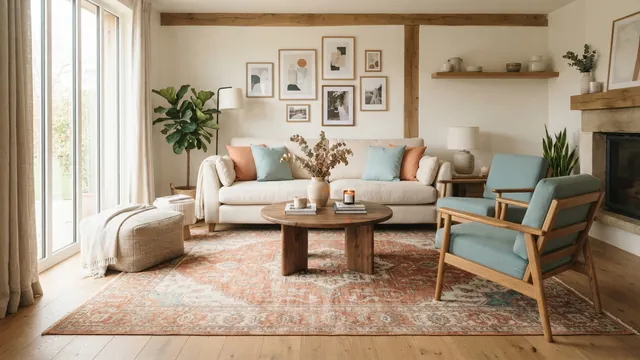
How to Place a Rug in a Living Room With Style
Set the right rug size, layout, and flow for a better living room.
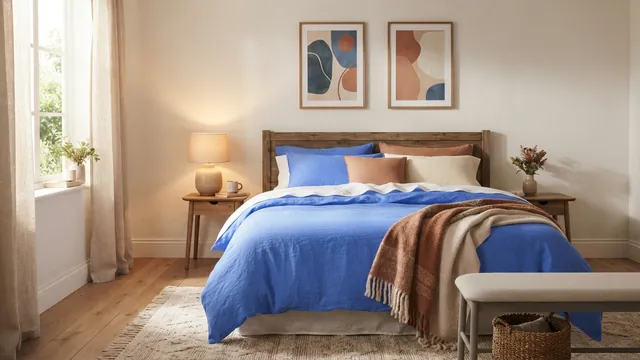
How to Turn a Plain Room Into a Personal Space
Make a plain room feel personal with color, texture, layout, and smart low-cost updates.