How to Choose a Dining Room Table for Your Space
Pick the right dining table size, shape, and material, then match chairs, rug, and lighting.
Factors to Consider Before Buying
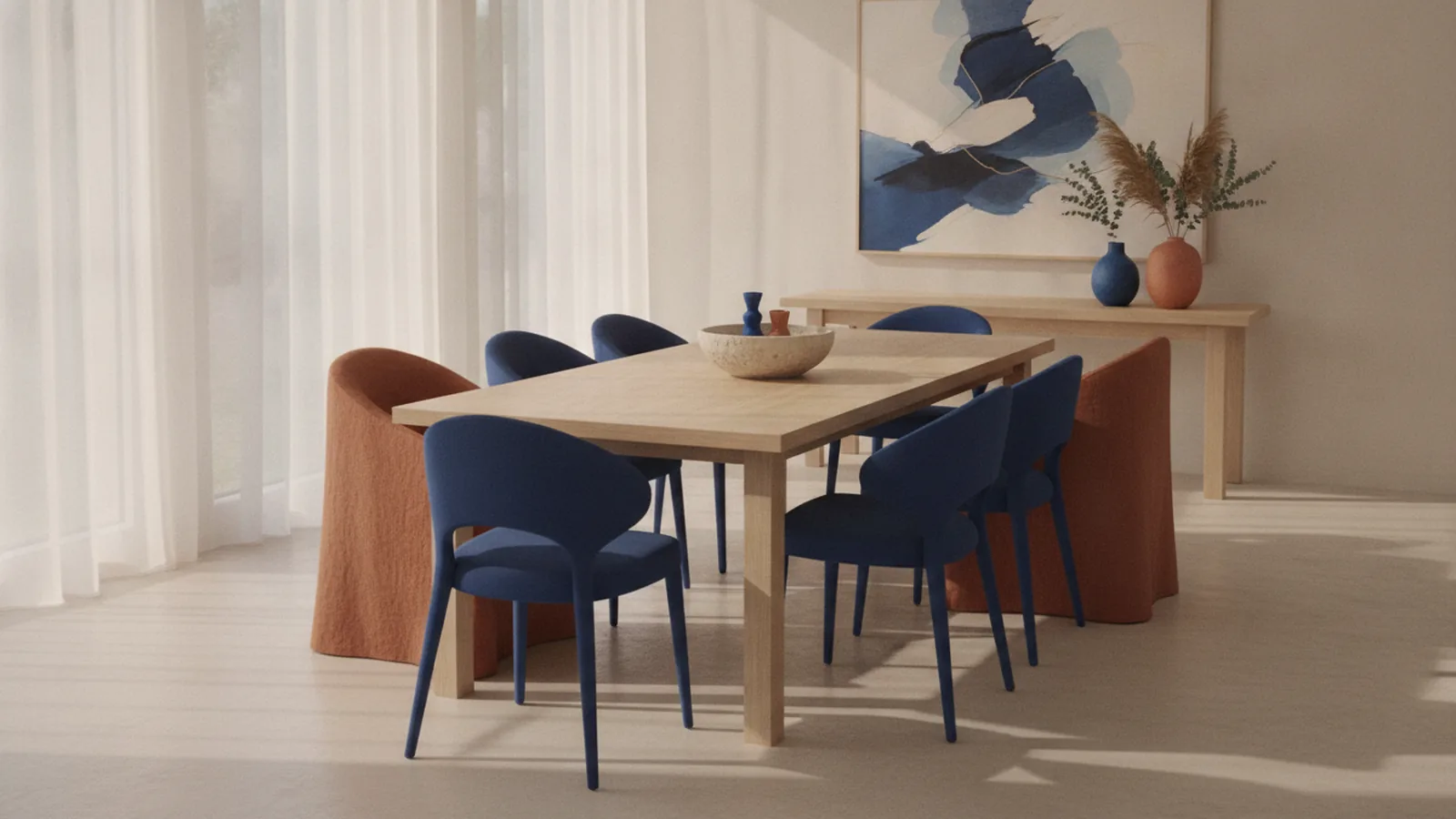
If you only do one thing, start with your daily use. How to choose a dining room table depends on whether you mostly eat together, host guests, or use the surface for work and school projects. A casual family table needs comfort and easy cleanup. A hosting-focused table needs extra seats and strong durability.
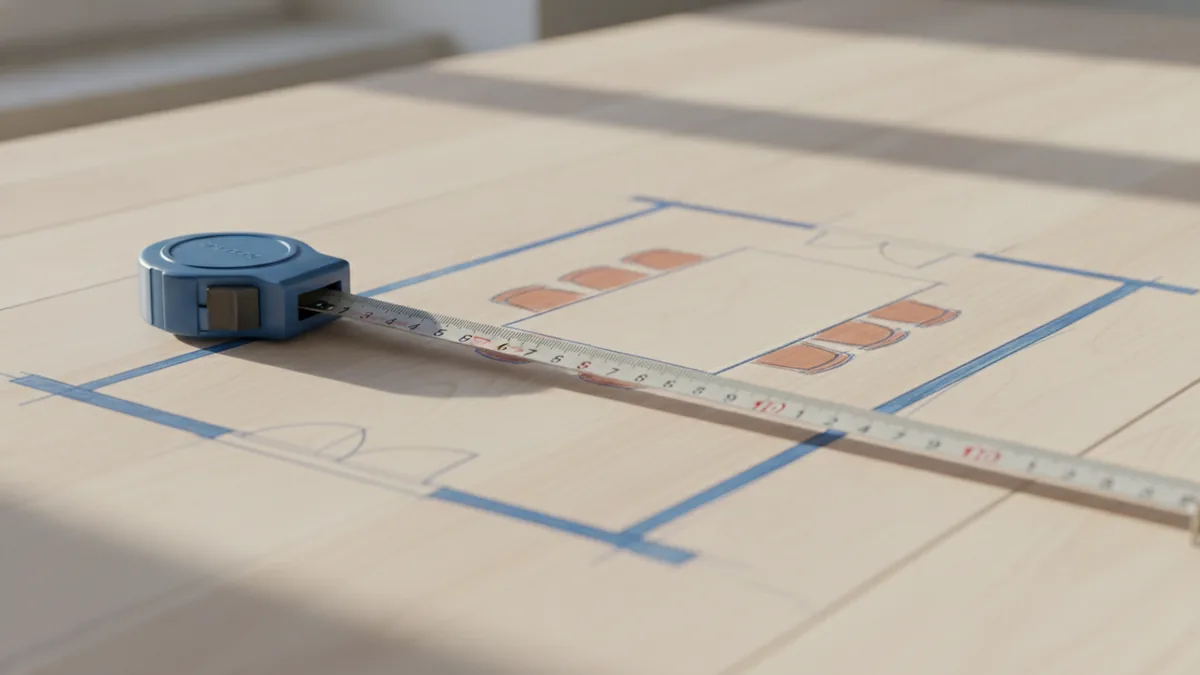
Next, measure your dining area before you look at styles. You want room to pull out chairs without catching on walls or walkways. As a practical rule, leave about 900mm of clearance all the way around the table. That clearance also helps people pass behind seated guests during busy dinners.
Finally, think about dining table dimensions in context. The table is the anchor, but it also shapes your dining area layout. If the space is narrow, a different dining table shape may work better than a standard rectangle. If your style is modern, you will also want dining table aesthetics that match your room.
- Primary function: everyday meals, hosting, or mixed use
- Clearance: aim for about 900mm around the table
- Style match: match the table look to dining room decor
Choosing the Right Size Table
Use a dining table size guide mindset: seats, clearance, and the footprint. Start by planning how many guests you want to accommodate regularly. Then decide whether you prefer a full table for weekday meals, or extra space that feels calm even when you have fewer seats.
For seat comfort, allow space for bodies and chair movement. Most people feel best when each diner has roughly 550–650mm of width at the table. If you squeeze seating too tight, plates bump and conversation gets louder, not warmer. If your home includes kids who slide in quickly, you can sometimes manage slightly tighter spacing.
Then check the table’s real footprint against your room. If the dining area is part of an open-plan living room, also watch for circulation paths. A table can look “small enough” on a showroom floor, but still block movement once chairs are pulled out.
- Measure: length and width of the space you’re allocating.
- Plan clearance: keep about 900mm around the table.
- Count regular guests: choose a size for day-to-day use.
- Check chair pull-out: add space for arms and backs.
If you entertain, consider extendable dining tables. They let you keep a comfortable everyday footprint, then expand for larger dinners. Just be sure the extended length still respects the 900mm circulation rule.
Table Shapes: Round vs. Rectangular (and More)
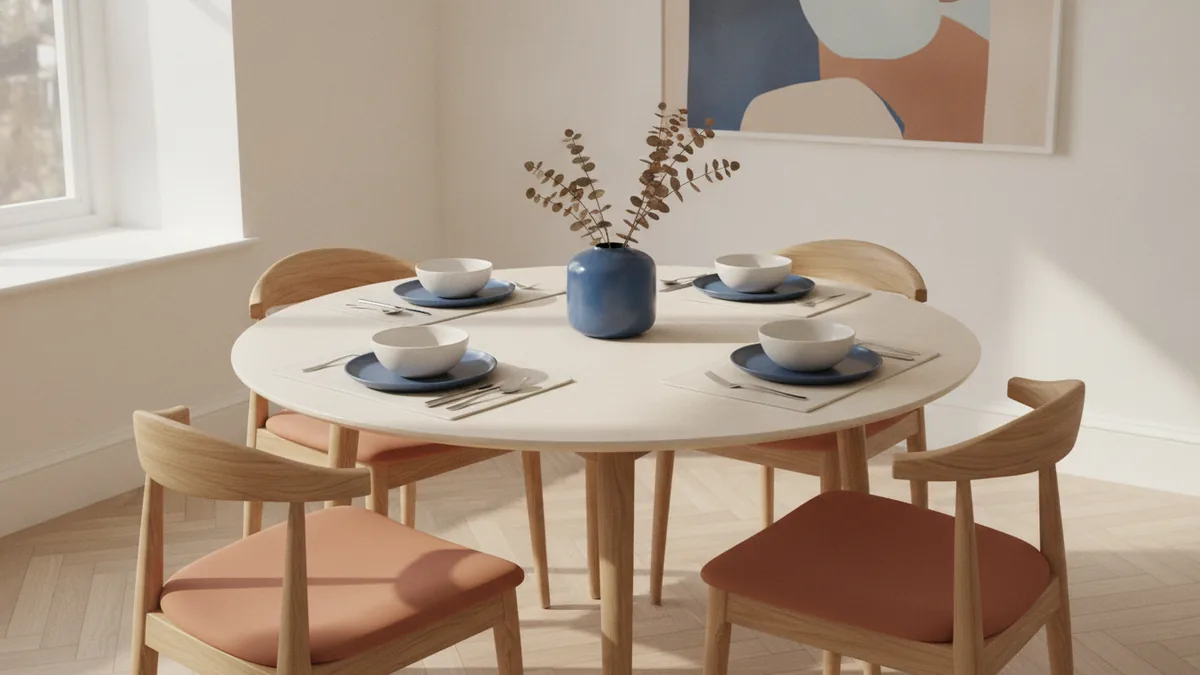
Dining table shapes change how people move and how the room feels. Round tables often make conversation easier because everyone faces inward. They also work well in smaller rooms with limited corners to navigate. The trade-off is that seating can feel slightly tighter at the sides compared to a rectangle of the same area.
Rectangular tables are the most flexible for long dining areas and multi-purpose rooms. They also pair easily with wall placements when your room layout supports it. However, they can create a “front to back” dynamic that some people love for formal hosting. In tight spaces, a rectangular footprint may force chairs to block walkways.
Square tables are a strong fit for compact dining rooms and for a balanced look when centered in the space. They can be great for four people, and sometimes eight if you use ergonomic chair spacing and a leaf or extension option. Oval tables combine the best of both worlds: conversation flows like a round table, while the shape saves visual bulk and supports slightly more seating than a round option.
| Shape | Best for | Watch-outs |
|---|---|---|
| Round | Small rooms, conversation, social meals | Side seating can feel tight |
| Rectangular | Long rooms, hosting, flexible seating | Can feel formal and less conversational |
| Square | Compact spaces, four-person setups | Can limit natural flow to two sides |
| Oval | Soft look with more seats than round | Needs careful chair spacing near ends |
Material Options for Dining Tables
Material durability should match your real life. If you cook often at the table, choose finishes that resist stains and are easy to wipe down. For frequent hosting, a surface that handles hot plates and frequent cleaning is worth paying for. For more minimal use, you can focus more on dining table aesthetics and texture.
Wood is a popular choice because it brings warmth and works with many decor styles. It also ages well when properly finished and maintained. Still, wood can scratch or dent, especially on softer species. Hardwoods and well-sealed finishes hold up better, and using coasters or placemats can prevent most everyday damage.
Ceramic tabletops offer a cleaner look and can be very resilient to stains. Ceramic is also typically easier to maintain because most messes lift with simple cleaning. The downside is that ceramic surfaces can feel colder and may be prone to chipping if something heavy lands on the edge. Be mindful of table edge design and protective pad use under heavy items.
Marble looks luxurious and elevates dining room decor instantly. It also pairs beautifully with metal accents and classic dining chairs. But marble is porous by nature, and it can etch from acidic spills. If you pick marble, prioritize sealing and quick cleanup, so the surface stays consistent and doesn’t develop dull marks.
- Wood: warm look, strong fit for everyday use
- Ceramic: stain-resistant feel, easy wipe-down
- Marble: high-end look, needs sealing and care
Selecting Complementary Dining Chairs
Dining chairs should match the table in style, but they must also match the ergonomics for dining. Chair height affects how comfortable eating feels, especially for kids and taller adults. As a starting point, most chair seats feel right when they allow diners to sit close enough without knee squeeze. If the chair is too low, people reach up. If it is too high, shoulders sit tense.
Chair spacing matters as much as chair style. Leave enough room so diners can sit and stand without bumping elbows. In practice, the chair should pull out freely and still leave a clear path behind it. That’s also where the 900mm clearance around the table earns its keep.
Match the chair size to your chosen dining table dimensions. A wide table can support larger chairs and thicker upholstery, while a compact table often needs slim profiles. If you choose armchairs, ensure they do not clash with neighboring seats when pulled out. For a smooth look, keep seat and back proportions consistent across all chairs.
- Match style: align chair shape with table lines.
- Check size: confirm seat height fits the table.
- Plan spacing: avoid elbow knock and blocked chair pulls.
If you are still deciding, test how chairs look around the table footprint. Sit one chair on the “worst” side, then pull it out. If movement feels tight, change chair width or switch to a slimmer back design.
Rug and Lighting Considerations
Rugs and lighting can make even a simple table feel finished. For rugs, think about coverage first, then comfort. The dining chair should still sit on the rug as it pulls out. If the rug is too small, chairs slide off it and the floor transition looks messy.
As a practical starting point, choose a rug that extends beyond the table edges on all sides. Many people aim for about 600–900mm extra rug space around the table perimeter. That buffer helps keep chair legs on the rug during everyday movements. Also pick a material you can clean easily, since dining zones get spills and crumbs.
Lighting should support meals, not just the room. Use a fixture that gives even light across the tabletop. Pendant lights work well when you can center them over the table. Choose a height that keeps glare down and allows people to see one another clearly.
Finally, consider how decorative elements for dining rooms interact with light. Warm bulbs can make wood and stone look richer. Dimmers are useful for dinner parties, because they let you shift from task light to mood light without swapping fixtures.
- Rug sizing: keep chair legs on the rug when pulled out
- Lighting placement: center over the table and reduce glare
- Dining room lighting: use warm, dimmable light for ambiance
Lifestyle Match: Finding Your Perfect Table
The best way to choose dining room table options is to test them against your lifestyle. If you cook and prep at the table, prioritize a surface that tolerates heat, cleaning, and daily wear. If you host often, prioritize seats and a layout that feels smooth when guests arrive. If your dining space doubles as a homework or craft area, consider a surface that resists scratches.
Also consider how often you rearrange your dining area layout. A table that requires major moving is less practical than one that works with your routines. If your home moves seasonally, pick a neutral base material and add color through chairs, textiles, and decorative elements.
Before you buy, walk through a “dinner scenario” in your head. Picture placing plates, setting napkins, and how chairs move during the meal. This is where the earlier planning pays off: clearance, chair spacing, rug fit, and the right table shape all work together. When the pieces align, you get a dining room that looks good and feels easy to live with.
- For everyday use: focus on maintenance and comfort
- For hosting: focus on seating and circulation
- For mixed use: focus on scratch and stain resistance
Frequently asked questions
- How do I choose a dining room table size for my space?
- Measure your dining area and plan for about 900mm clearance around the table. Then count your regular guests and choose a footprint that lets chairs pull out comfortably.
- What dining table shapes work best for small dining rooms?
- Round and square tables often fit smaller spaces because they reduce corner clutter. Oval tables can also work well when you want a softer look with a bit more seating.
- What are good material options for dining tables if we eat at home often?
- Wood and ceramic are practical for everyday meals because they handle routine cleaning well. Marble can look stunning, but it needs sealing and quick cleanup to avoid etching.
- How do I choose dining room chairs that fit the table?
- Match chair style and ensure seat height works with the table height. Keep chair spacing wide enough so diners can sit and move without elbow bumps.
- How do I choose a dining room rug for a dining table?
- Choose a rug large enough that chair legs stay on it when chairs pull out. Aim for extra coverage beyond the table edges so dining stays neat and comfortable.
- How do I choose dining room lighting for dining tables?
- Use a fixture that centers over the table and lights the tabletop evenly. Warm, dimmable bulbs help set the mood for everyday meals and dinners out.
Related reading
Couch Placement—Flow, Focus and Comfort
Place your couch to frame a focal point, keep paths clear, and make the room feel balanced.
Master Bedroom — Color, Comfort and Personal Style
Build a calm, personal bedroom with smart choices and a budget that works.
Room Painting Labor Costs — Rates and Budget Factors
See typical room-painting labor rates and learn what drives the final price.