How to Measure a Dining Room Rug (Table, Chairs, Room Fit)
Measure dining rug size by table dimensions, chair clearance, and room layout.
Why rug size matters for dining rooms
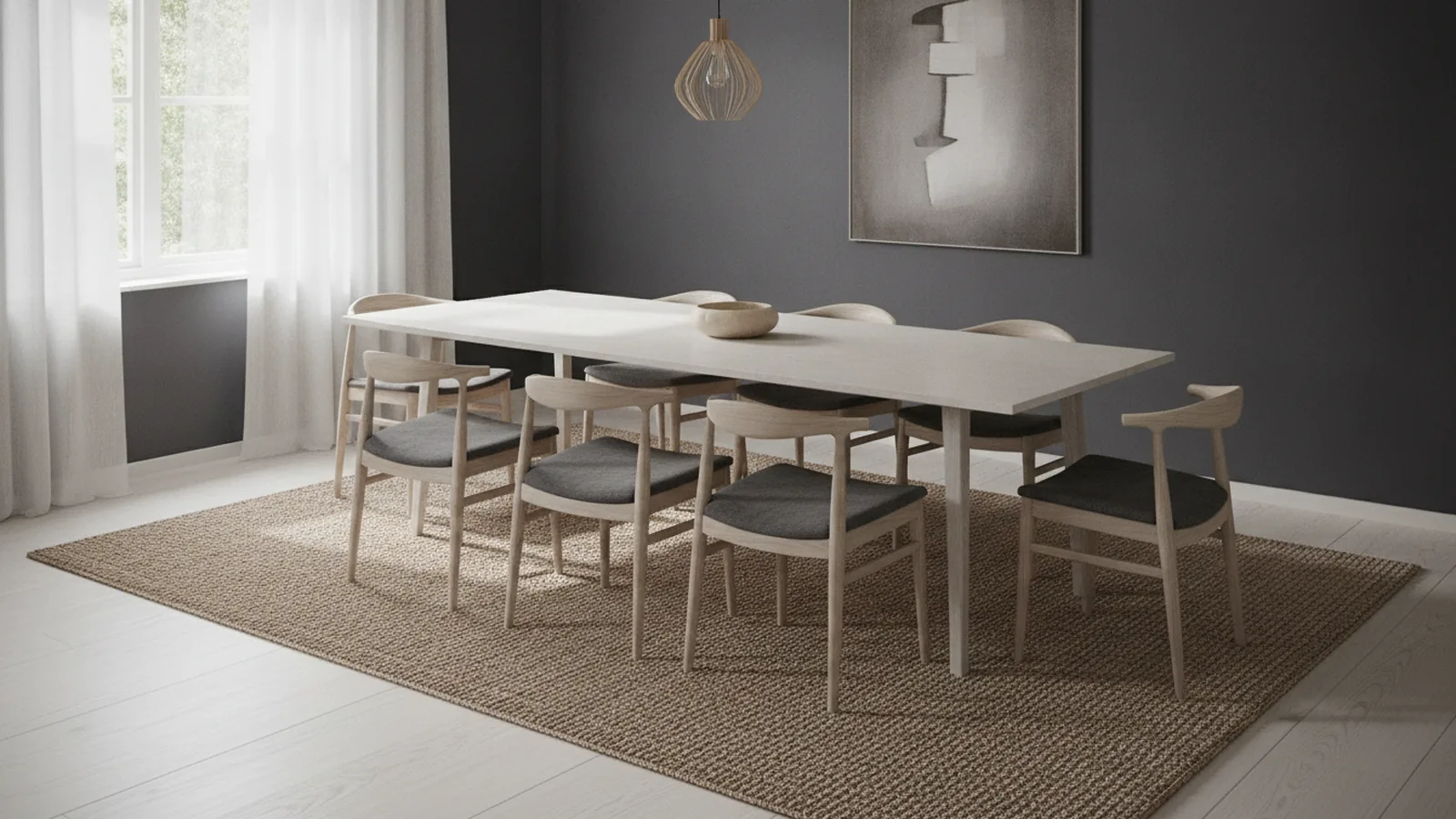
The right rug size makes a dining room feel grounded and intentional. If the rug is too small, chairs land on bare floor and the space looks chopped up. If it is too large, the rug can overwhelm the room proportions.
For dining setups, fit is not just about coverage. It is about stability when chairs slide back and forth. That is why rug measurements should account for how people actually use the table.
A good rule for coverage is simple and practical. A dining room rug should extend at least 24 inches beyond all sides of the dining table. This extra border keeps the seating area cohesive and reduces awkward chair moments.
How to measure your dining table for a rug
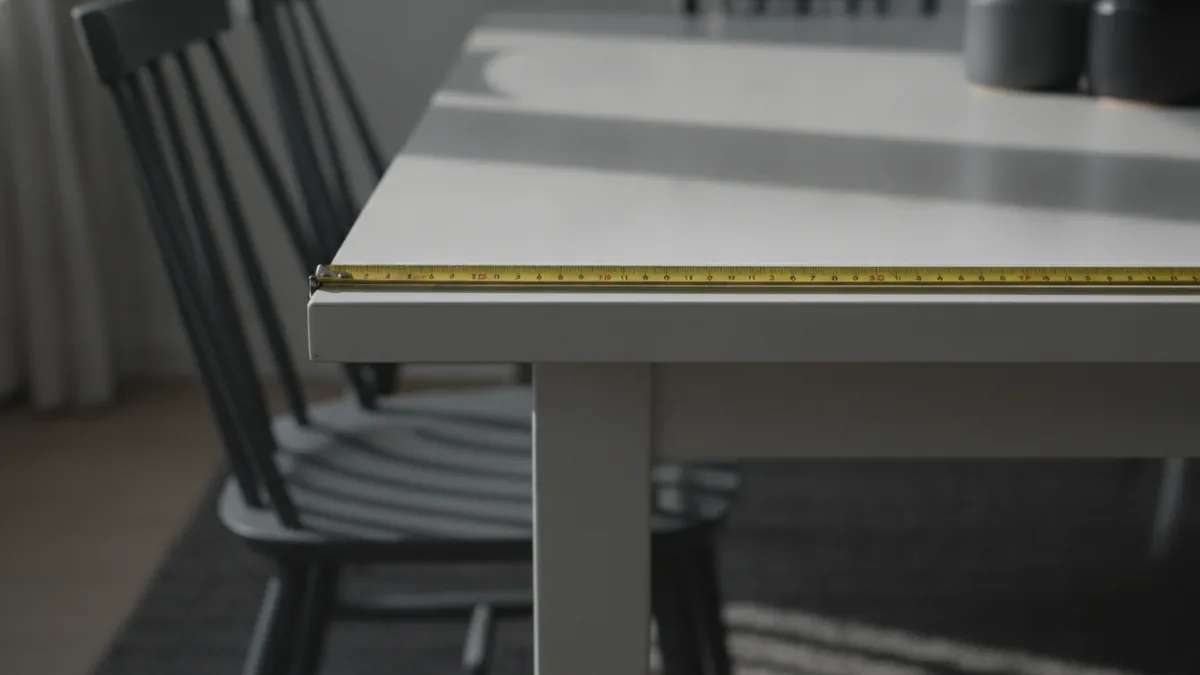
Start with your dining table dimensions, since that is the anchor for everything else. Use a tape measure and write down the table width and table length. Measure the widest parts of the top, including any overhang.
If you have a leaf table, measure the size you use most often. Many homes use the “everyday” width and then expand for guests. Pick one measurement set for each layout so your rug does not feel wrong.
Next, note the table shape. Rectangular tables usually pair best with rectangular rugs. Round tables often look better with round rugs, since the edges echo the table geometry.
- Rectangular table: measure width and length across the tabletop.
- Round table: measure the tabletop diameter.
- Extended tables: measure the leaf-open size you use most.
Determining the right rug size
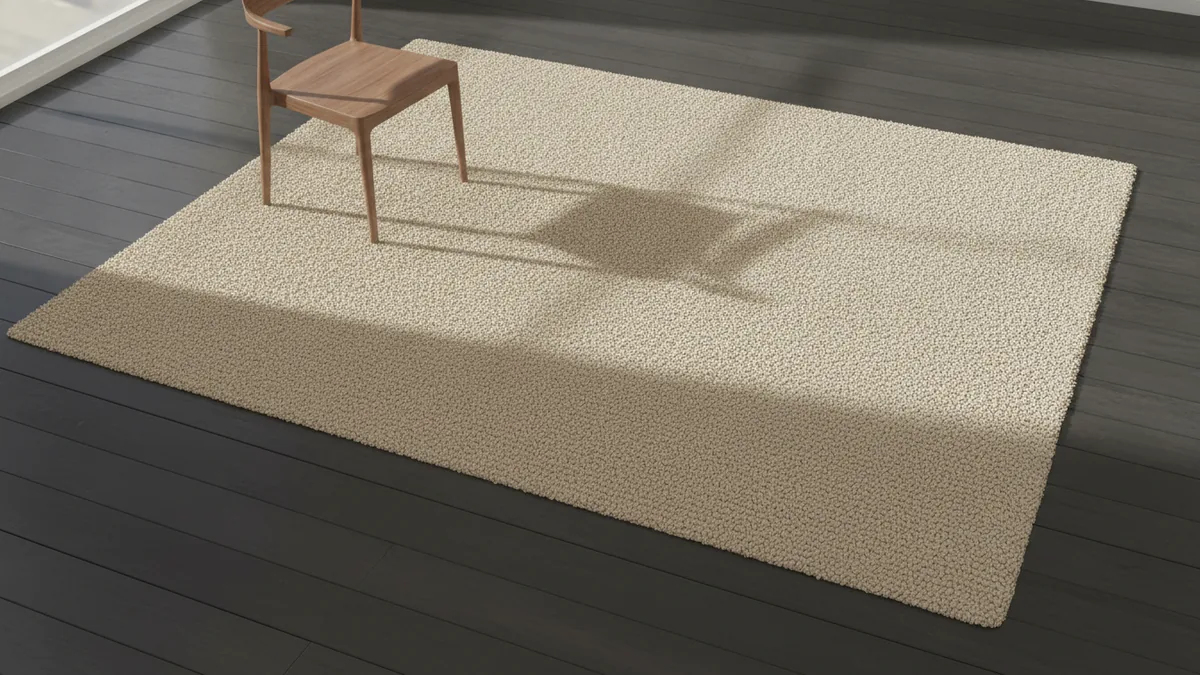
Now apply the basic coverage guideline. For rectangular setups, you want at least 24 inches of rug showing beyond each side of the table. Do not measure just the table edge to the rug edge. Measure table edge to the rug edge, then check the opposite side too.
Example: if your dining table is 72 inches long by 36 inches wide, the minimum rug size for length becomes 72 + 48 = 120 inches. That is 10 feet. For width, it becomes 36 + 48 = 84 inches. That is about 7 feet. In practice, you would likely choose an 8'x10' or 9'x12' depending on room space.
Common dining room rug sizes reflect typical table sizes and chair pulls. An 8'x10' rug often suits 4-6 seat tables. A 9'x12' rug often works for 6-8 seat tables. For larger tables, 10'x14' is a common choice.
| Table seating | Typical rug size | Best fit note |
|---|---|---|
| 4-6 seats | 8'x10' | Usually enough border room for chairs |
| 6-8 seats | 9'x12' | Gives extra space when chairs slide out |
| Larger setups | 10'x14' | Helps avoid a cramped dining zone |
If you want a quick check for how to measure for a dining room rug, use this sequence. First set the minimum rug size based on the 24-inch rule. Then confirm chair clearance. Finally, confirm wall clearance so the rug does not feel tight.
Consider chair movement and chair clearance
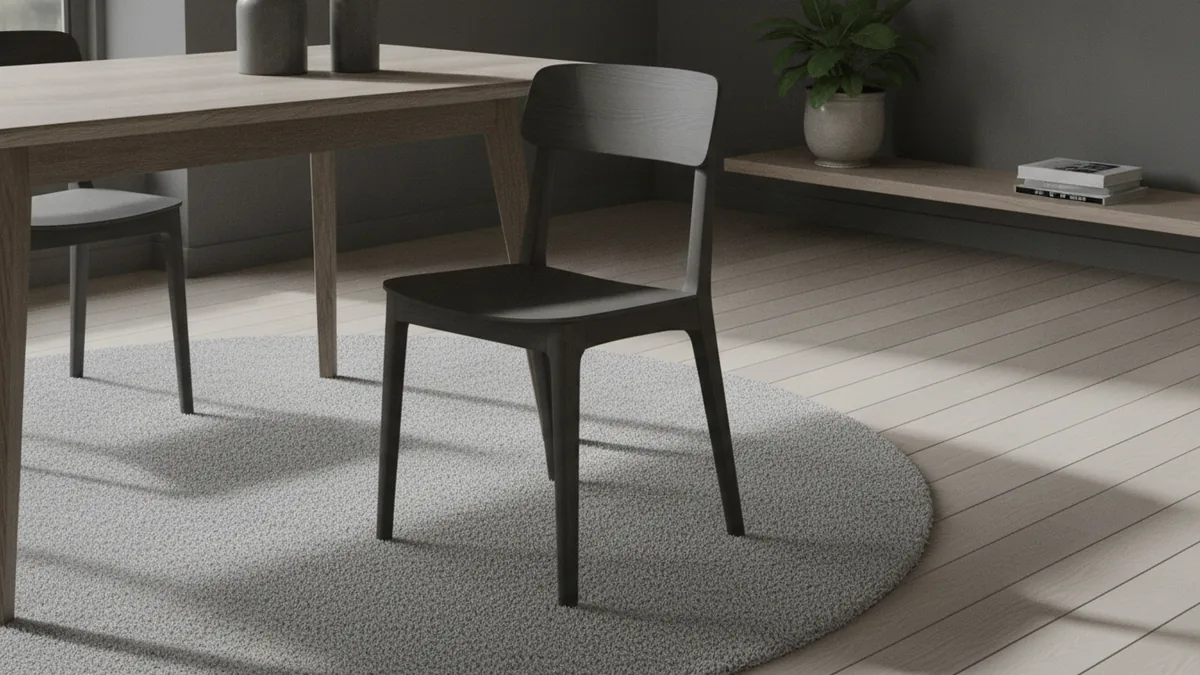
When you measure dining room rug size, chairs are the part most people forget. Chairs must remain fully on the rug when pulled out. If a chair tips onto bare floor, the rug can feel unstable and the setup looks unfinished.
To measure chair clearance, pull one chair out from the table as far as people typically sit. This usually is the point where a person can stand, eat, and shift comfortably. Then measure from the table edge to the chair position on the pulled-out side.
Use that number to sanity-check your rug width or length. For upholstered chairs and chairs with wide backs, the required pull distance can be larger. If you have a bench, the “pull” still applies, just measure the full bench footprint during use.
- Do a live test: pull a chair out and confirm it stays fully on the rug.
- Measure from table to chair: use the real pulled-out position, not a guess.
- Account for back swings: round chairs can need extra side clearance.
This is the core step that turns “correct rug size” into “it actually works.” It also helps when you plan for kids, guests, or daily messes that bring frequent chair movement.
Account for room size and layout
After table coverage and chair clearance, check wall space. Leave at least 12 inches of visible floor space between the rug edges and the walls. This creates a breathing buffer and helps the rug feel intentional, not squeezed.
That 12-inch floor band matters even more in long rooms. A rug that nearly touches the wall can make the dining area feel narrow. It can also make the space harder to navigate when people enter and exit the room.
Balance also depends on overall room proportions. If your dining room is wide and the table sits centered, a larger rug can make the zone feel cohesive. If the room is narrow, choose a rug size that fits the table while still leaving the wall margin.
Also consider doorways, walk paths, and any built-in furniture near the dining area. Measure from the planned rug edges to obstacles like radiator covers and shelving. You want a clear path for traffic, not just a neat look.
- Keep the wall gap: target 12 inches or more around rug edges.
- Check traffic lines: verify people can pass without brushing the rug.
- Think in zones: match rug scale to how much of the room the table “owns.”
If you feel stuck between two sizes, pick based on how the rug looks with chairs fully out. A slightly larger rug usually improves comfort and stability, as long as it still leaves the wall buffer.
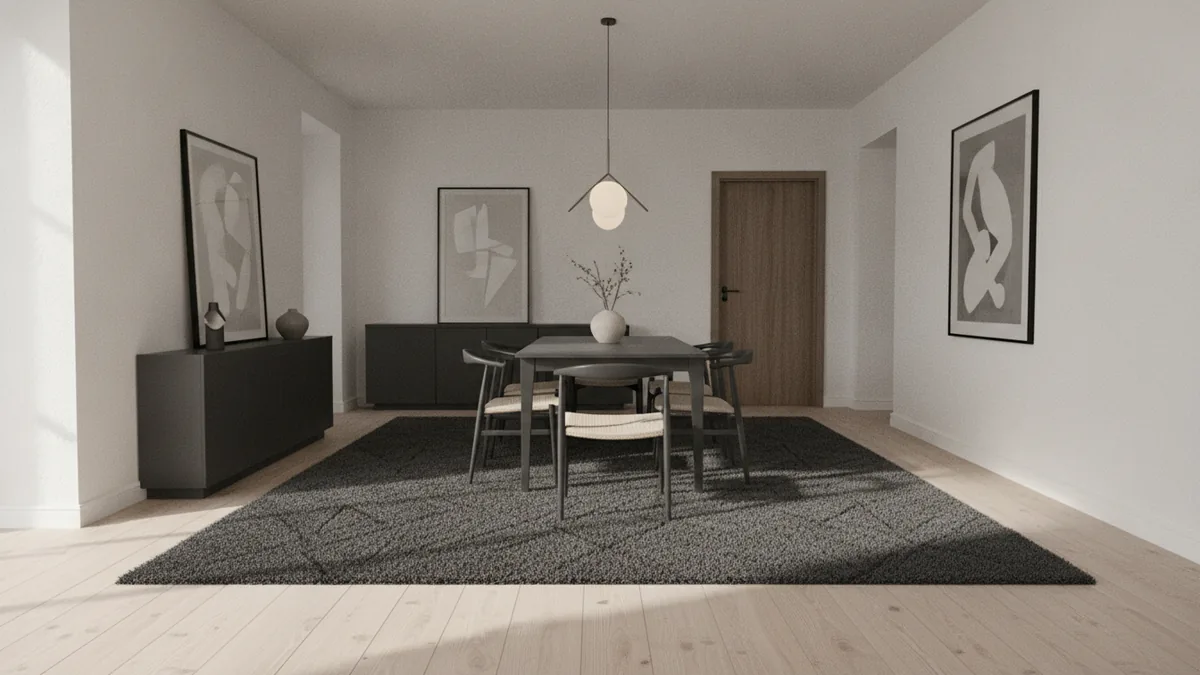
Choosing rug types for dining rooms
Dining rooms get daily wear. You will have foot traffic, chair scuffs, and occasional spills during meals. That is why dining rug materials should be durable and easy to clean.
In terms of build, consider flatwoven rugs and other low-pile options. They tend to move less under chair legs and are often easier to vacuum around. If you have a busy schedule, a design that hides minor stains can also reduce stress.
Look at rug shape and decor style together. Rectangular rugs typically complement dining table dimensions and match most dining furniture layouts. Round rugs can soften a room and highlight round tables. Patterned rugs can help hide everyday marks, but keep the color balance in mind so the rug supports the rest of the dining palette.
For a more polished look, align rug colors with existing tones like wood finishes and upholstery. If your chairs are neutral, a patterned rug can bring energy. If your walls or curtains already have strong color, a calmer rug can improve spacial design and visual balance.
- Prioritize easy cleaning: choose materials that handle spills and vacuuming.
- Prefer stable surfaces: flatwoven rugs and low pile often reduce chair slide.
- Match shape: rectangle to rectangle, round to round.
- Balance colors: use decor style cues for a cohesive dining look.
Finally, think about rug care. If you plan regular rotation or quick spot clean, pick a type that fits your routine. Dining rugs should fit real life, not just the first weekend after purchase.
Final tips for measuring dining room rugs
When you are done measuring, do one last “chair-out” pass. Pull chairs out, including the ones at the farthest ends of the table. Then confirm the chair footprint stays fully on the rug and that you still see the rug border.
Next, re-check the room clearance. Measure the floor space from each rug edge toward the wall and verify you have at least 12 inches. If you do not, consider a smaller rug for width or length, or reposition the table to center the zone.
Here is a simple summary for how to measure dining room rug properly. Start with dining table dimensions. Add 24 inches beyond all sides for minimum coverage. Then account for chair clearance and wall space for a stable, roomy feel.
If you want an “at-a-glance” approach to how to measure for a dining room rug, use the common sizes as guardrails. An 8'x10' rug often fits many 4-6 seat tables. A 9'x12' rug often fits 6-8 seat tables. A 10'x14' rug often supports larger tables and wider dining zones.
- Use the real chair pull distance, not a guess.
- Use the 24-inch beyond-table rule as the baseline.
- Keep at least 12 inches of visible floor to the walls.
- Match rug shape to table shape for a cleaner look.
- Pick durable, easy-to-clean rug materials for dining.
Quick self-check
Before buying, stand where people enter and leave the dining area. Look for a rug edge that feels balanced, not cramped. If the rug feels “right” at chair-out position, your measurements are usually correct.
Frequently asked questions
- What is the best rule for how to measure dining room rug size?
- Use the 24-inch rule: the rug should extend at least 24 inches beyond all sides of the dining table. Then confirm chair clearance with chairs pulled out.
- How do I measure for a dining room rug if my table has leaves?
- Measure the leaf-open size you use most often. If you use different sizes, measure twice so your rug still fits the real table footprint.
- Should the rug be centered under the dining table?
- Yes, plan to center the rug under the table so the border looks even on all sides. Use the chair-out test to confirm the fit stays correct.
- How much space should be left between the rug and the wall?
- Leave at least 12 inches of visible floor between the rug edge and the wall. This helps the rug look balanced and avoids a cramped feel.
- What rug types work best for dining rooms?
- Choose durable, easy-to-clean materials that handle spills and traffic. Low-pile and flatwoven options often stay stable under chair legs.
- How do I know if I picked the right rug size for my chairs?
- Pull chairs out to the position you normally use. If chairs stay fully on the rug, the rug size is likely correct.
Related reading
Couch Placement—Flow, Focus and Comfort
Place your couch to frame a focal point, keep paths clear, and make the room feel balanced.
Master Bedroom — Color, Comfort and Personal Style
Build a calm, personal bedroom with smart choices and a budget that works.
Room Painting Labor Costs — Rates and Budget Factors
See typical room-painting labor rates and learn what drives the final price.