DIY Dining Chair Covers and Cushions: A Practical Sewing Guide
Make custom dining chair covers and cushions with clear steps and smart fabric tips.
Start With the Right Chair Cover Plan
To make chair covers for dining room chairs, measure each chair first. Then choose a washable fabric, cut the pieces, and sew a close fit. You can make a full cover, a seat-only cover, or a loose tie-on pad.
Chair covers protect wood, paint, and fabric from spills. They also let you change your dining room look without buying new chairs. Cushions add comfort, especially when seats feel hard during long meals.
Check every chair before you begin. Some seats have curved corners, turned legs, or loose cushions. Make one test cover from an old sheet. This step can save fabric and time.
- Use a full cover for broad protection.
- Use a seat cover for a quick style change.
- Use a cushion when comfort matters most.
Gather Fabric, Foam, and Sewing Tools
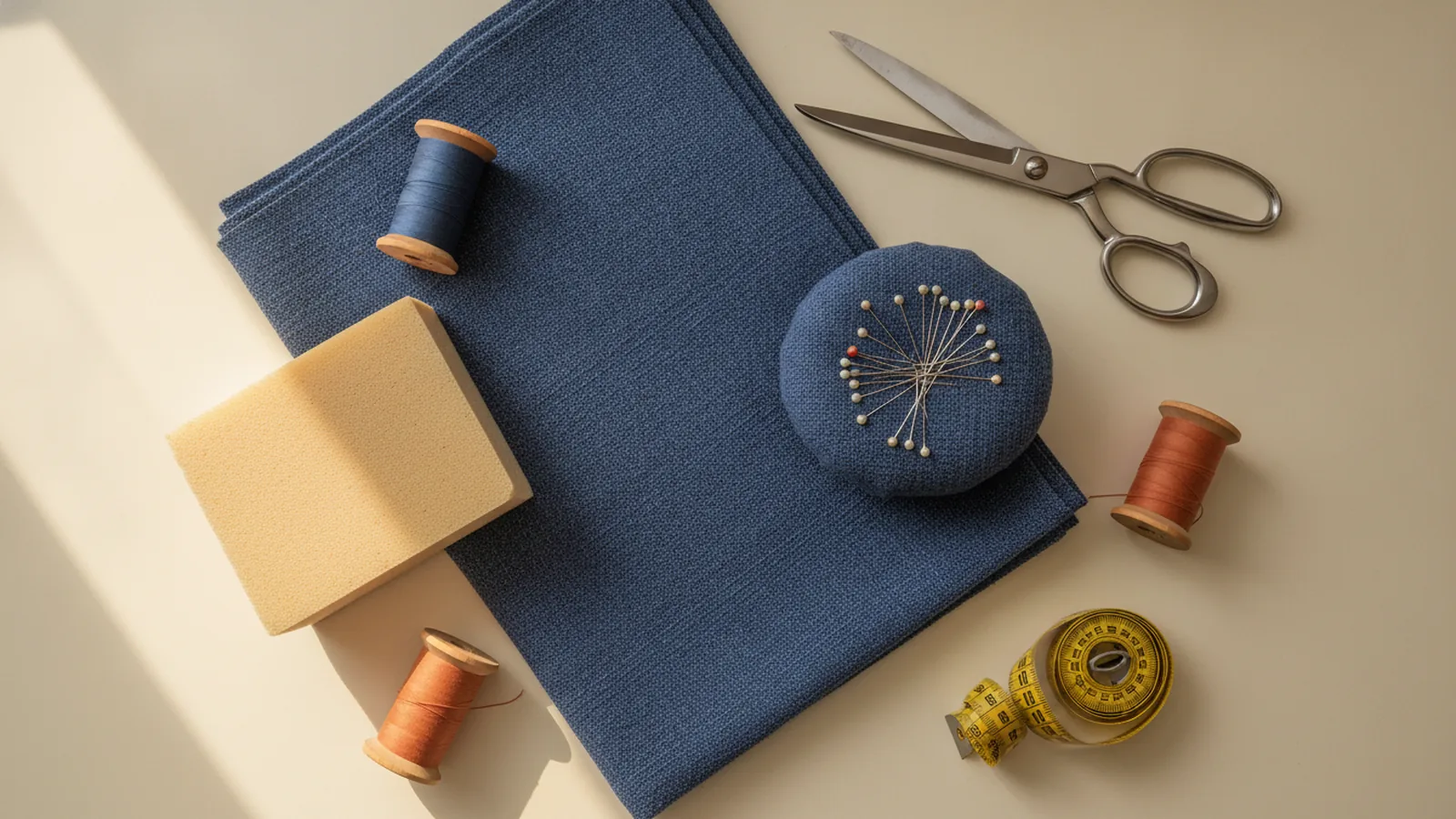
Start with tools that support accurate measuring and clean cuts. A tape measure helps you record the seat shape. Tailor's chalk marks the wrong side of fabric without leaving strong lines.
Buy about 10 percent more fabric than your measurements suggest. Extra cloth helps with pattern matching and small cutting errors. Wash the fabric before cutting if it may shrink.
- Washable upholstery or home decor fabric
- Paper, an old sheet, or craft paper for a pattern
- Tape measure, ruler, scissors, and tailor's chalk
- Sewing machine, thread, pins, and a seam ripper
- Iron and ironing board
- Elastic, ties, or hook-and-loop tape
- Bias tape for neat curved edges
- Foam or a ready-made cushion insert
- Optional cord for piping
Choose thread that matches the fabric weight. Use a denim needle for thick canvas. Use a sharp universal needle for cotton or linen blends.
A zipper foot helps you sew piping and close cushion edges. You can still make simple covers without one. A basic machine is enough for most dining chair projects.
Choose Fabric That Can Handle Daily Meals
The best fabric balances strength, wash care, and feel. Cotton canvas feels crisp and comes in many prints. Linen blends look relaxed, but pure linen can crease and shrink.
Polyester blends resist stains and hold their shape well. Microsuede feels soft, yet some types need special care. Indoor-outdoor fabric works well in busy homes, but it may feel less soft.
Test a fabric sample before you buy a full cut. Rub it with a clean cloth and check for loose color. Place a drop of water on it. Quick beading can signal useful spill resistance.
| Fabric | Strength | Care | Best use |
|---|---|---|---|
| Cotton canvas | High | Often machine washable | Daily family use |
| Linen blend | Medium | Wash with care | Relaxed dining rooms |
| Polyester blend | High | Easy care | Homes with spills |
| Indoor-outdoor fabric | Very high | Follow label rules | Heavy wear |
Small prints hide marks better than large pale designs. Dark colors may fade in strong sun. Avoid fabric that feels too thin around sharp chair corners.
Measure, Cut, and Sew a Dining Chair Cover
Remove the seat if screws hold it to the frame. This makes measuring and fitting much easier. Keep the screws in a small dish during the project.
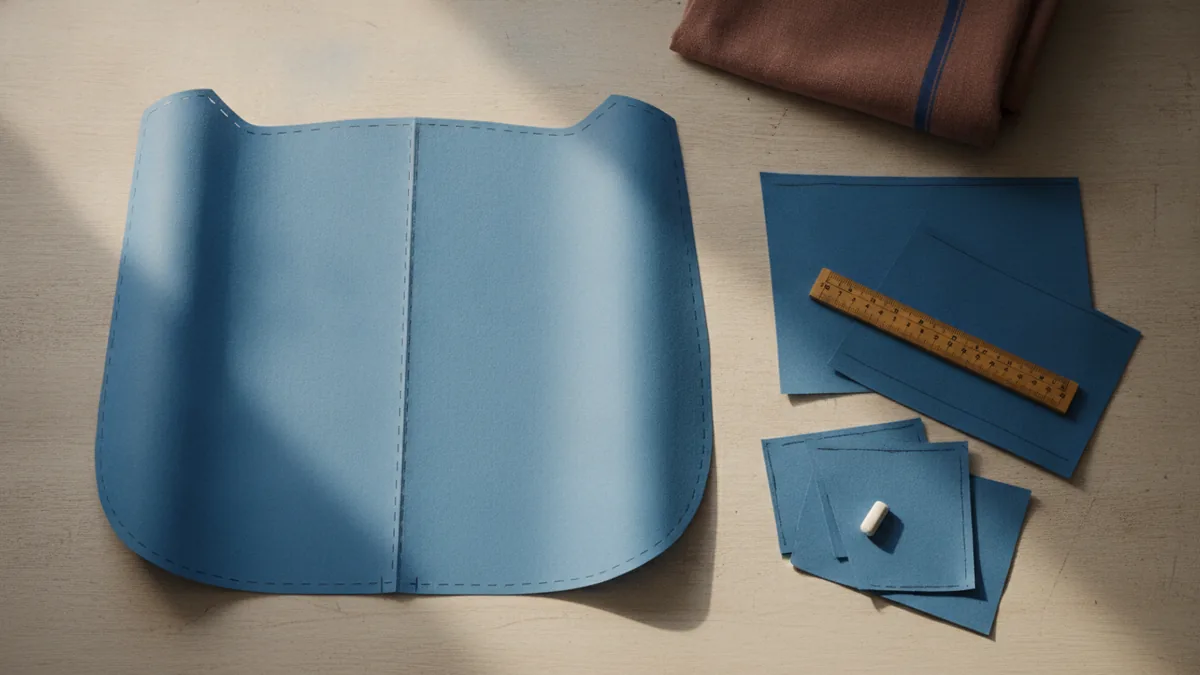
- Trace the seat. Place paper over the seat and trace its outline. Mark the front, back, and each corner.
- Measure the depth. Measure from the front edge to the back edge. Add 2 inches for seam allowance and edge wrap.
- Measure the width. Measure the widest part from side to side. Add 2 inches for seams and extra grip.
- Make the pattern. Cut the paper shape and place it on the seat. Check that it reaches the underside by about 1 inch.
- Cut the fabric. Place the pattern on the wrong side. Add 1 inch around the edge if the pattern lacks seam allowance.
- Mark key points. Mark the center front and center back. These marks help you line up the cover.
- Pin the cover. Pin the fabric with its right sides facing the chair. Shape the corners with small folds.
- Sew the seams. Stitch around the cover with a 1-inch seam. Stop often and check the fit.
- Finish the edge. Trim bulky corners, press the seam, and fold a narrow hem. Sew the hem close to its inner edge.
For a loose cover, cut one top piece and four side strips. The strips should match the seat edge length. Join the strips at each corner before sewing them to the top.
For curved edges, attach bias tape instead of folding a wide hem. Bias tape bends around curves with less puckering. Sew slowly and keep the tape edge even.
Turn the cover right side out and press it before the final check. It should sit flat without pulling at the corners. Add ties beneath the chair if the cover moves during use.
Make Comfortable Dining Chair Cushions
To make cushions for dining room chairs, begin with the seat shape. Trace the seat just as you would for a cover. Then choose foam that fits the chair without blocking the frame.
High-density foam gives firm support and keeps its shape. A 1.5 to 2-inch thickness suits many dining seats. Thicker foam may raise the sitter too high at the table.
Polyester fiberfill feels softer than foam. It works well for a thin pad or a tufted cushion. Use a foam insert when you want steady support.
- Trace the seat and add 1 inch for seam allowance.
- Cut two fabric pieces for the top and bottom.
- Cut a side strip that matches the seat edge.
- Add 1 inch to the strip length for joining.
- Sew the strip to the top piece with right sides together.
- Sew most of the bottom piece in place.
- Turn the cover right side out and insert the foam.
- Close the opening with a ladder stitch or machine seam.
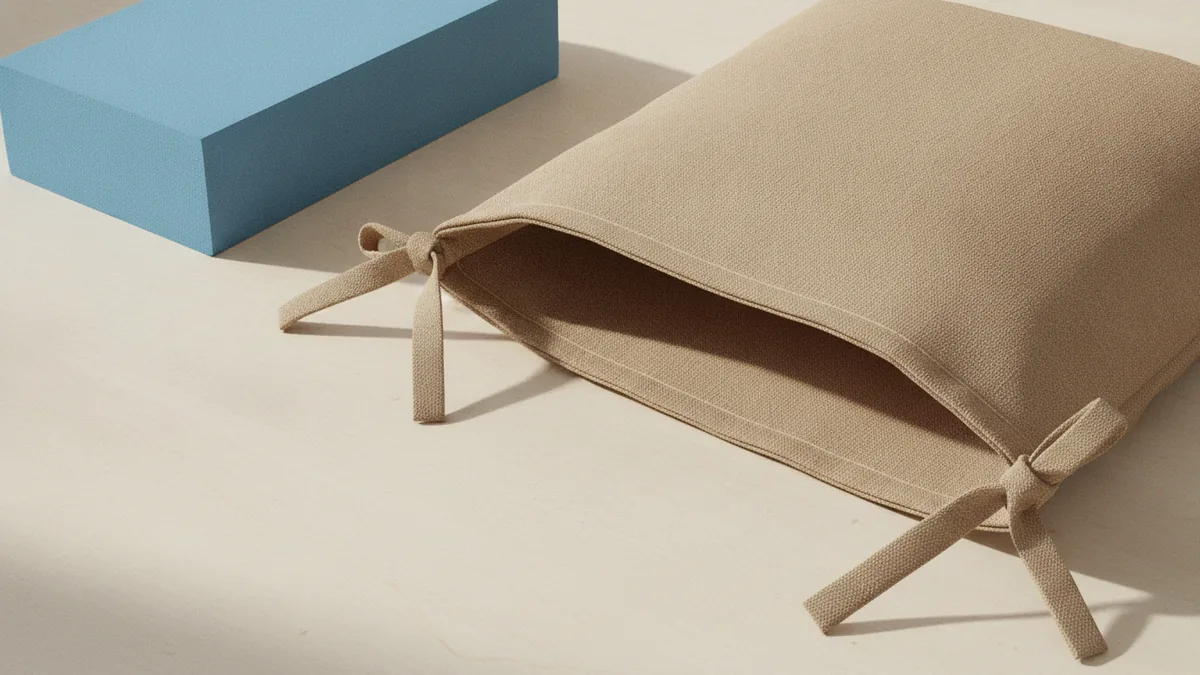
A simpler method uses two fabric squares and a foam pad. Sew three sides, insert the pad, and close the last side. This cover suits removable cushions and quick home sewing projects.
Add ties at the rear corners for a secure fit. Use two fabric strips per tie, each about 14 inches long. Fold each strip, sew its long edge, turn it, and stitch it to the cushion seam.
Add Details for a Clean, Custom Finish
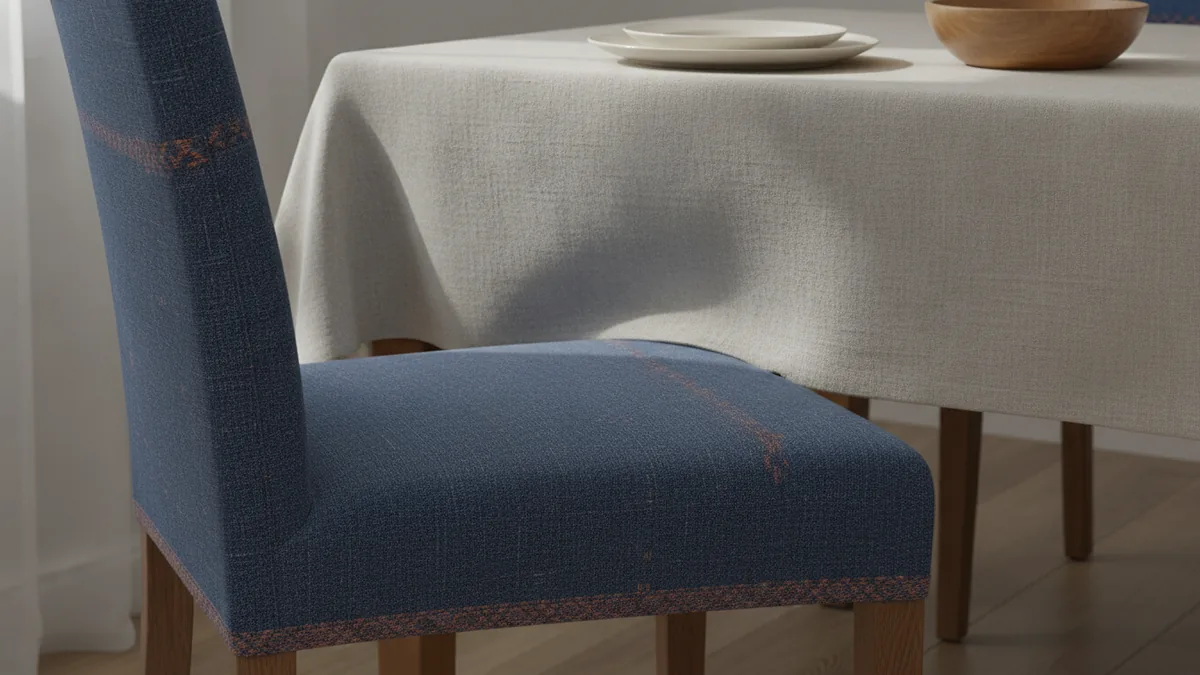
Piping gives a cushion a firm edge and a tailored look. Wrap a narrow cord in a fabric strip. Sew the strip around the top piece before joining the cushion sides.
Use contrast fabric for a clear border. Match the piping to the chair frame for a quieter finish. Keep the trim smooth around each corner.
Decorative ties can add charm without much extra work. Choose wide ties for a relaxed look. Choose narrow ties when the chair has a formal shape.
- Press every seam before you sew the next one.
- Clip curved seams so the fabric can spread.
- Trim corners before turning the cover.
- Use a slightly longer stitch on thick fabric.
- Test thread tension on a scrap first.
- Keep patterns aligned across matching chairs.
Do not add beads or loose buttons to chairs used by young children. Small parts can create a safety risk. Choose sewn details that can handle washing.
Check the finished cover from every side. Look for loose threads, uneven hems, and strained seams. Fix small flaws before fitting the cover to the chair.
Wash, Store, and Find More Chair Cover Ideas
Read the fabric care label before the first wash. Wash covers inside out when possible. Use cold water and a gentle cycle for most cotton blends.
Remove covers before spills dry. Blot food or drink with a clean cloth. Avoid hard rubbing, since it can push stains deeper.
Dry covers as the label directs. High heat can shrink fabric or weaken elastic. Press covers while damp if you want a smoother finish.
Store clean covers in a dry box or fabric bag. Fold them with tissue paper between strong colors. Keep foam pads flat and away from heat.
Search for dining chair seat patterns, slipcover templates, and cushion tutorials before cutting costly fabric. A library sewing book can also show seam types and trim methods. Test any pattern on scrap cloth first.
If sewing is not practical, you can buy slip covers for dining room chairs from home decor shops and furniture suppliers. Check the seat measurements, fabric care, and return terms. Ready-made covers work best when your chairs share a common shape.
With a paper pattern and one test cover, you can build a repeatable set. Label each pattern by chair position. Your next cover will take less time.
Step-by-step
- 01 Trace the chair seat
Place paper over the seat and trace its shape. Mark the front, back, and corners.
- 02 Add seam allowance
Add about 2 inches to the seat measurements. Mark the extra space on the paper pattern.
- 03 Cut the fabric
Place the pattern on the wrong side of the fabric. Cut one piece for a seat cover or add side strips for a full cover.
- 04 Pin and test the fit
Pin the fabric around the chair with right sides together. Adjust corners before sewing.
- 05 Sew the cover
Sew the seams with a 1-inch allowance. Trim bulky corners and press the seams flat.
- 06 Finish the edges
Fold and sew a narrow hem, or attach bias tape around curved edges. Add ties if the cover slips.
- 07 Fit and wash-test
Turn the cover right side out and fit it to the chair. Wash a scrap first to confirm the fabric care method.
Frequently asked questions
- How much fabric do I need for dining chair covers?
- Measure the seat width, depth, and edge shape. Add about 2 inches for seams and underside wrap.
- What is the best fabric for dining chair covers?
- Cotton canvas, polyester blends, and indoor-outdoor fabrics offer good wear and easy care.
- What foam is best for dining chair cushions?
- Use 1.5 to 2-inch high-density foam for firm support on many dining chairs.
- Can I make chair covers without a sewing pattern?
- Yes. Make a paper pattern first, then cut a seat piece and side strips from fabric.
- How do I wash homemade chair covers?
- Use a gentle wash cycle and follow the fabric label. Avoid high heat unless the label allows it.
- Where can I buy slip covers for dining room chairs?
- Measure the seat width, depth, and shape before ordering. Check the cover's return policy as well.
Related reading
Dining Table Clearance — Space for Chairs and Walkways
Plan table and chair clearances for a dining area that feels comfortable.

Narrow Rooms — Paint, Light and Space
Use paint, light and smart furniture placement to open up a narrow room.
Room Painting Costs — What Shapes Your Quote
Room painting often costs $200–$1,000. See what drives the price and how to compare quotes.