How to Decorate a Hutch in the Living Room: Practical Ideas
Smart, practical living room hutch decor ideas, plus seasonal tips and easy maintenance steps.
Understanding what a hutch is for
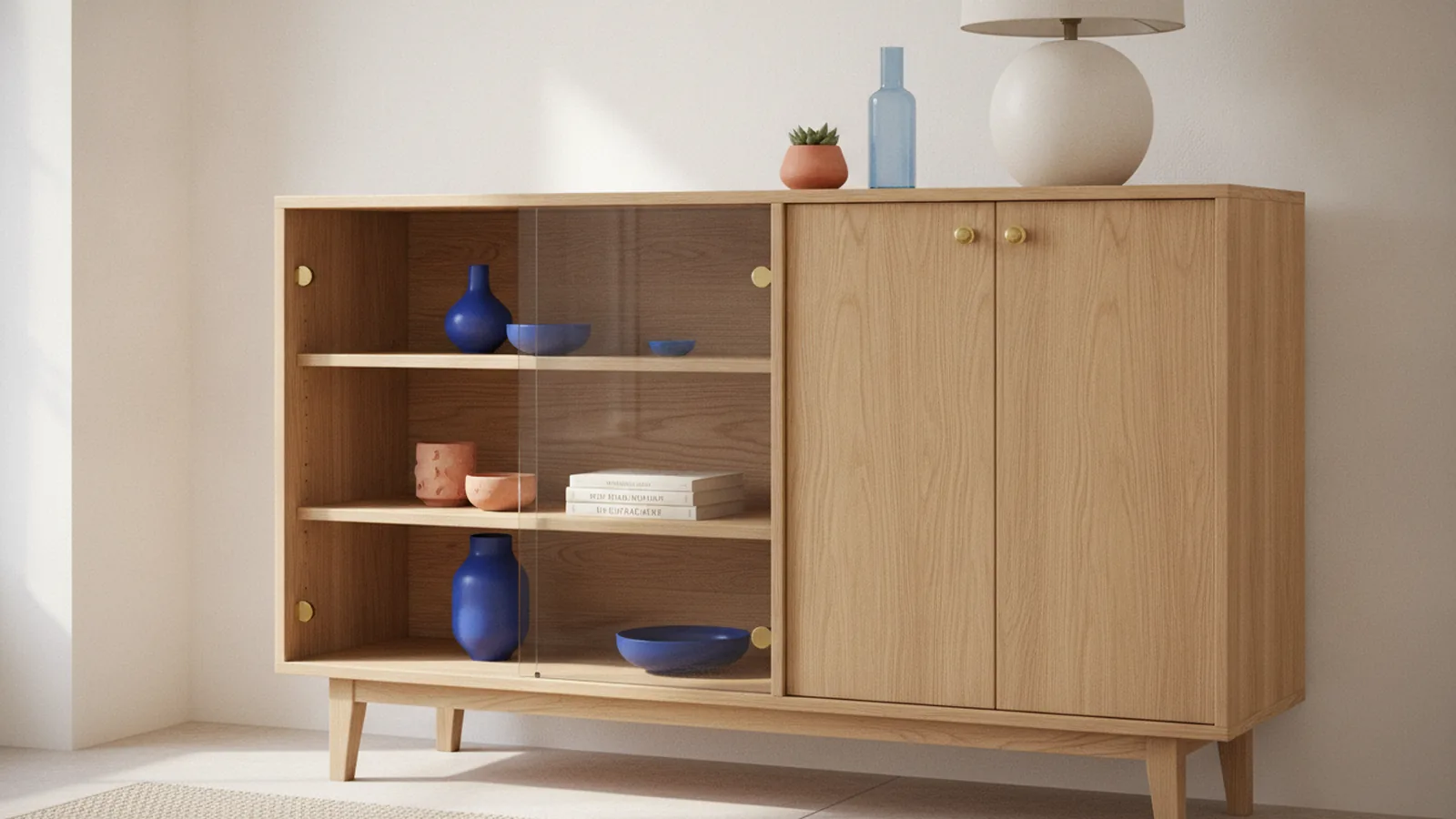
A hutch is more than a pretty cabinet. It combines storage with display, so you can hide clutter and show off items at the same time.
Start by deciding what job your hutch should do in your space. If it sits near the dining area, it may support dishes, serving pieces, or glassware.
If it lives in the living room, you can still keep it functional. Books, board games, and everyday display items can share the same shelves.
Good living room hutch decor ideas balance both needs. You want it to feel intentional, not like everything was placed there at random.
Choosing a hutch that fits your room layout
Before you decorate, look at where the hutch sits. Is it centered on a wall, tucked into a corner, or placed near a window?
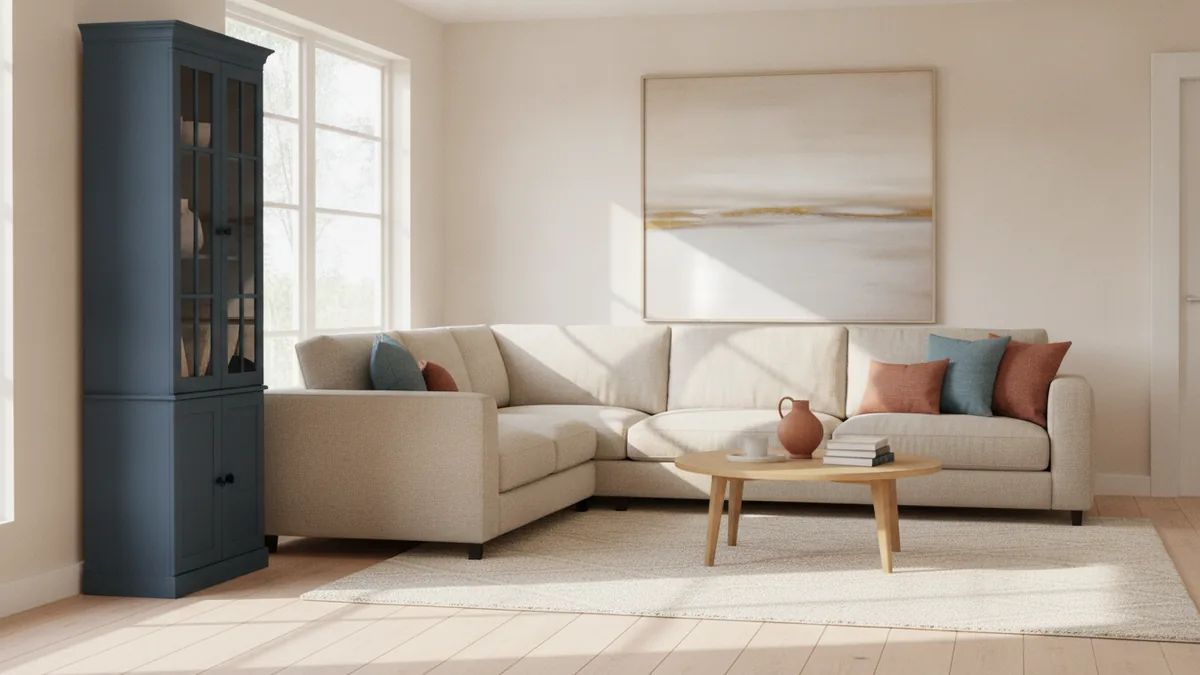
Placement affects how you should arrange height and visual weight. If the hutch is next to a sofa, keep the tallest pieces toward the upper shelves so they don’t dominate the sightline.
If the hutch opens into a walkway, consider open shelving for the shelves you want to showcase. A mix of covered storage and open display is one of the best decorative storage solutions for busy homes.
Also measure your shelf depth and your tallest items. A simple fit check prevents you from crowding items or leaving huge empty gaps.
- For narrow walls, use a tighter color palette to avoid a crowded look.
- For wide walls, add larger scale pieces so the hutch doesn’t look small.
- For bright rooms, lean on neutrals to keep the display calm.
What to display inside your hutch
To answer how to decorate a hutch in the living room, pick a clear mix of functional decor and decorative items. Functional items make the hutch useful, while decorative pieces give it style and personality.
For many homes, a what is a dining room hutch question comes up because the classic use includes dishware and serving tools. Even if your hutch lives in the living room, you can borrow that logic.
So, what to put in a dining room hutch? Think about pieces you actually reach for. This keeps the display practical and makes the setup feel lived-in, not staged.
A strong rule is to dedicate some shelves to daily use and some shelves to styling. Then you control clutter before it starts.
Safe starter items that look good together
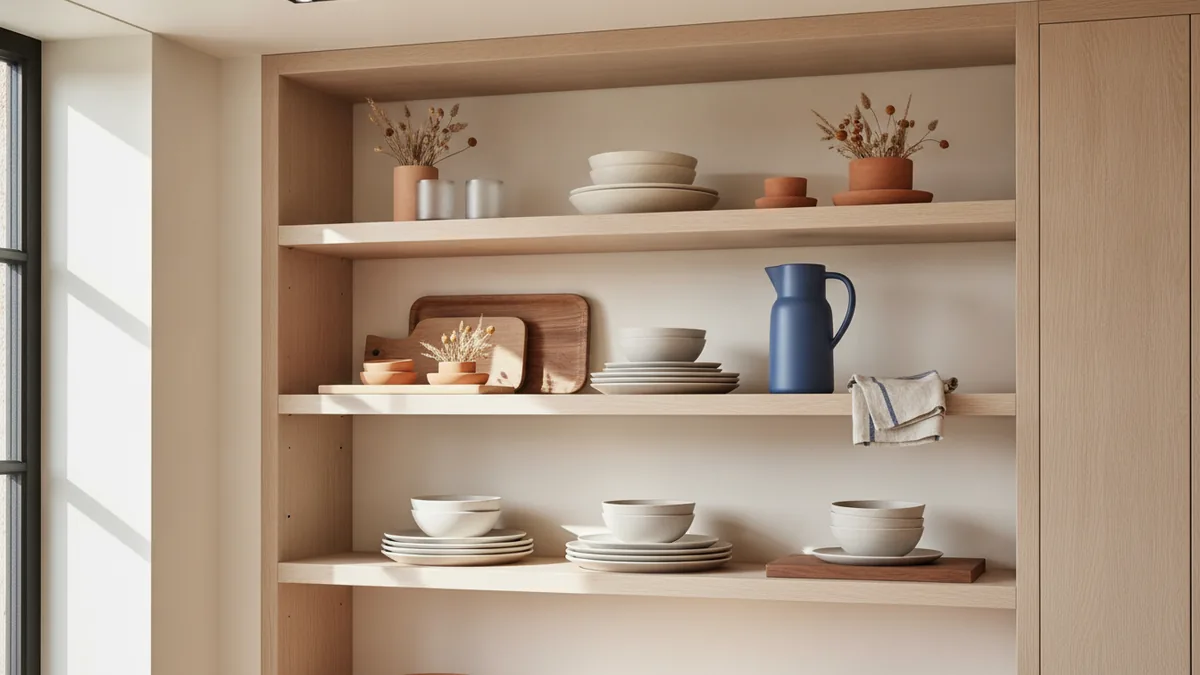
Neutral-colored dishes and decor pieces are an easy win. They blend well with most home aesthetics and they make colors on your walls and sofa feel more intentional.
Look for creams, whites, soft grays, and natural wood tones. These also pair well with vintage decor like aged trays or classic glass bottles.
When in doubt, choose fewer items and let space do some of the work.
Functional and decorative mix ideas
Use a blend of categories so the hutch doesn’t look like one theme from top to bottom. A simple mix can include dishware, serving tools, books, and a few statement objects.
For a dining room hutch style, you can group by use. Plates and bowls go together, while serving pieces can sit near the back for depth.
| Category | Examples | Why it works |
|---|---|---|
| Functional decor | Trays, coasters, serving platters | Looks styled but stays useful |
| Dishes | Neutral bowls, simple plates | Creates a calm, cohesive base |
| Books and media | Small stacks of coffee table books | Adds color and texture in small doses |
| Vintage accents | Old frames, ceramic vases | Brings warmth and character |
Tips for arranging items so the hutch looks styled, not stuffed
When you decorate, work from the shelf structure outward. Think in layers: background items first, then medium pieces, then small accents.
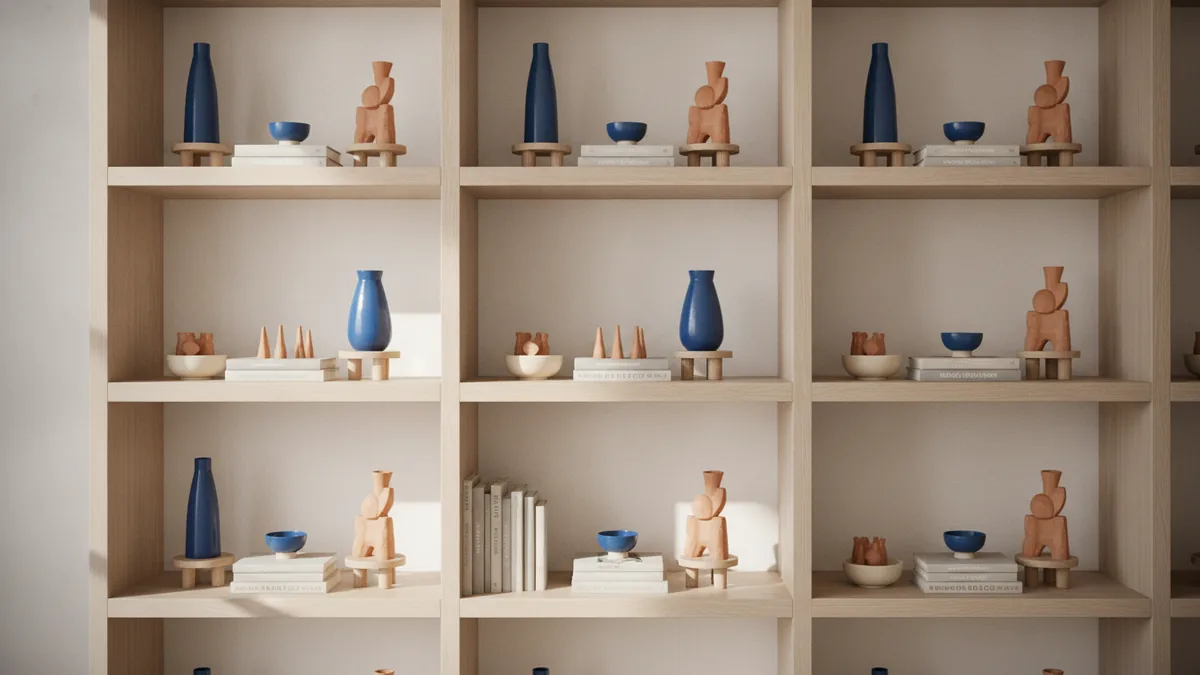
Group similar items together to create visual interest. This means matching shapes, sizes, or colors, not necessarily exact sets.
A practical approach is to start with a “foundation group” on one shelf. Add 1 larger anchor item, then 2 to 4 supporting pieces around it.
If you want living room hutch decor ideas that look polished, leave consistent gaps between groups. Even a few inches of empty space can make items feel curated.
- Pick one color story per shelf. For example, neutral dishes plus a single wood or brass accent.
- Use odd numbers on open shelves. Three vases or five plates usually looks more natural than two.
- Mix heights deliberately. Place taller objects in back, shorter items in front.
- Repeat one material. If you have ceramic, repeat it in two or three places.
- Balance visual weight. If one side has a tall bottle, offset it with a wider tray on the other side.
A simple arrangement formula that works
Try this for how to decorate a dining room hutch when you’re building a cohesive display. Choose one shelf as your “showcase shelf” and style it with a larger anchor and grouped dishware.
Then repeat the concept on the next shelf with smaller objects. This keeps the entire unit looking connected rather than random.
Finally, use the top shelf for lightweight decor. It’s often the most visible from across the room.
If your hutch has glass or open shelving, consider using liners or matching trays to unify the look.
Seasonal decorating ideas that keep the display fresh
Seasonal decorations make a hutch feel new without requiring a full redo. You can keep the core items in place and swap just the accents.
In spring and summer, lean into airy textures and bright but soft color. Use fresh greenery, light-toned ceramics, or a single cheerful centerpiece tray.
For fall, swap in warm neutrals and rich tones. Think amber glass, woven baskets, and ceramic pieces that look cozy.
In winter, choose reflective or structured decor. Simple metallic accents and deep tones look sharp, especially against neutral dishware.
- Swap “front-facing” items only. Keep the dish base the same and change the top accents.
- Use seasonal groupings. For example, three mini pumpkins or a set of winter candles.
- Keep one constant element. A favorite vintage tray can anchor every season.
- Limit seasonal colors. Pick one main seasonal color and one supporting neutral.
Quick seasonal rotation plan
If you want regular updates without stress, set a rotation schedule. Do a full seasonal swap every 3 months, then add small extras for holidays.
For example, at the start of a season you can restyle 2 shelves. Then during a holiday week, add one small banner-free accent item you can remove easily.
This approach keeps the hutch from turning into a storage dump. It also helps you maintain clear sightlines and tidy groupings.
Maintaining your hutch decor so it stays organized
Maintenance is what makes your styling last. A hutch display can drift quickly, especially when you’re living in the space.
First, commit to a rotation habit. Regularly rotate items to keep the hutch feeling organized and intentional, not permanently crowded.
Try removing items and putting them back in a different group each month. Even small changes refresh the visual rhythm without buying anything new.
Next, keep surfaces clean and consistent. Dust can settle on shelves, especially on decorative storage solutions with lots of nooks.
- Do a 10-minute reset weekly. Straighten items, rotate any leaning pieces, and wipe visible surfaces.
- Limit each shelf to 3 to 5 groups. This keeps the look breathable.
- Use storage for “not on display” items. Keep extras in drawers or closed cabinets.
- Re-check spacing every season. If items creep closer, open space helps the decor look curated again.
Finally, review the hutch in relation to the rest of your living space. If your sofa throw pillows or wall art change, adjust the hutch accents to match the updated palette.
This is especially helpful when your hutch sits near dining and living areas. A dining room hutch and a living room hutch can still feel cohesive when colors and materials repeat.
With a steady routine, your hutch becomes a reliable design element. It supports both function and style year-round.
Frequently asked questions
- How to decorate a hutch in the living room without looking cluttered?
- Start with a few clear groups per shelf and leave consistent empty space. Use a neutral dish base, then add a small number of decor anchors and functional trays.
- How to decorate a dining room hutch if I don’t want lots of dishes showing?
- Use the display space for serving pieces, glassware you use, and a small curated set of decor. Keep extra items in closed storage and restyle with neutral accents.
- What to put in a dining room hutch for a timeless look?
- Neutral dishes, simple serving trays, and a few vintage decor accents work well. Add one repeated material, like ceramic or wood, across multiple shelves.
- How should I arrange items on hutch shelves?
- Layer by height: taller pieces in the back, smaller items in front. Group similar items together, then balance one large anchor with supporting objects.
- What seasonal decorations work best for hutch displays?
- Swap small front-facing accents, like greenery for spring, warm ceramics for fall, and structured or metallic pieces for winter. Keep one constant element, such as a favorite tray, to unify every season.
- How do I maintain living room hutch decor over time?
- Do a short weekly reset to straighten items and wipe surfaces. Rotate items regularly so the display stays intentional instead of permanently packed.
Related reading
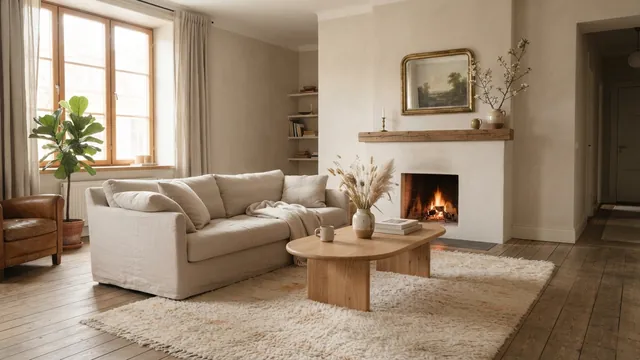
Couch Placement—Flow, Focus and Comfort
Place your couch to frame a focal point, keep paths clear, and make the room feel balanced.
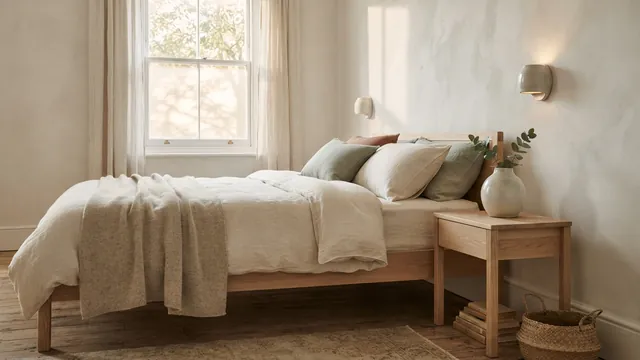
Master Bedroom — Color, Comfort and Personal Style
Build a calm, personal bedroom with smart choices and a budget that works.
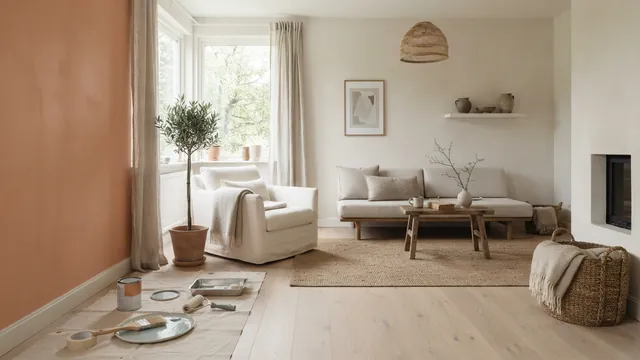
Room Painting Labor Costs — Rates and Budget Factors
See typical room-painting labor rates and learn what drives the final price.