Size the Light Fixture Above Your Dining Room Table
Pick the right dining light size using table width, room dimensions, and proper height.
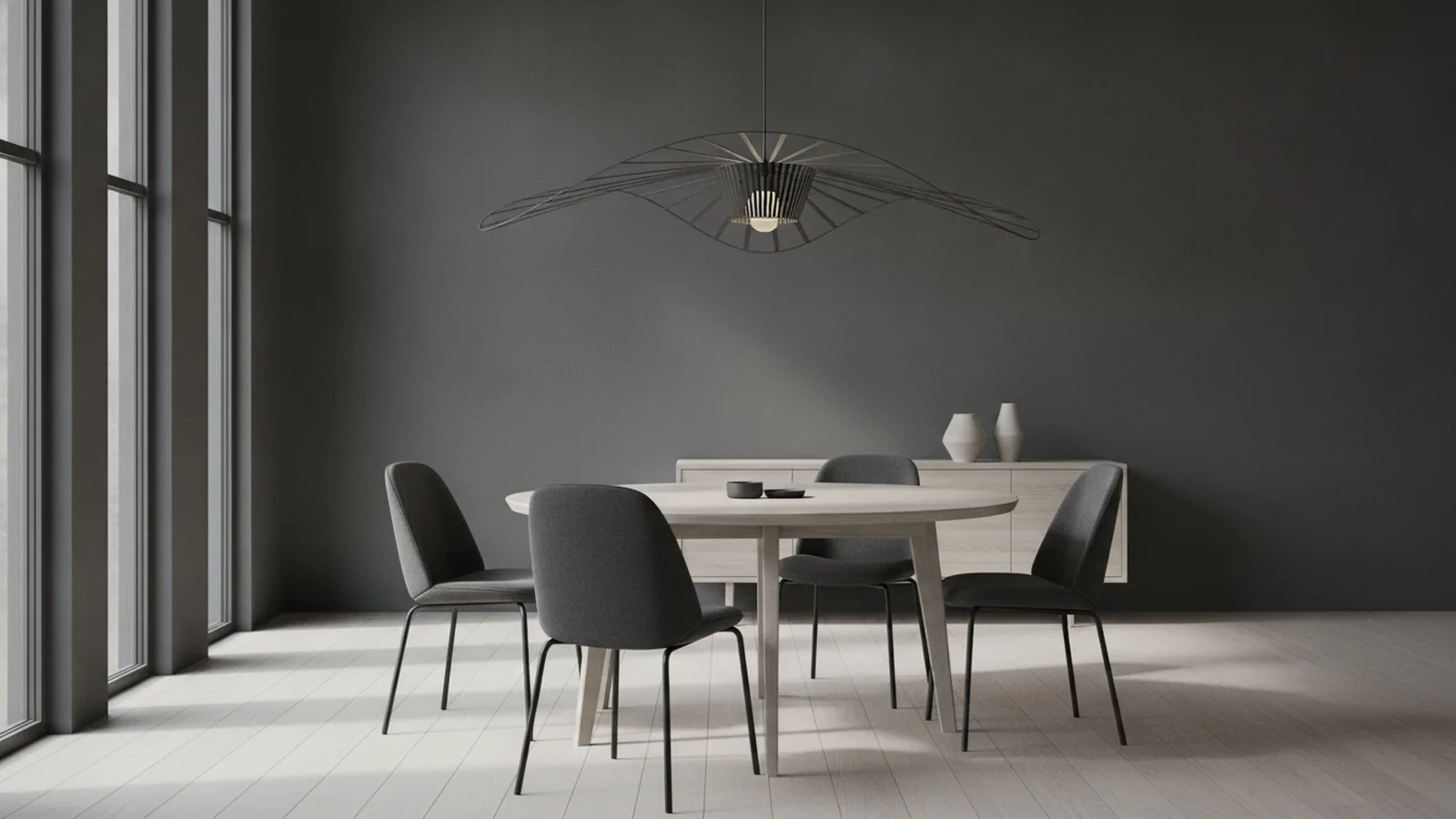
Start here: the right size light fixture for dining room
If you are asking, what size light fixture for dining room to buy, start with your table width. A good rule is to choose a fixture diameter that is about half to two-thirds the width of the table. Then set the fixture so it hangs low enough to feel intentional, but high enough for comfort. For an 8-foot ceiling, plan about 30–36 inches above the table.
Next, verify placement with two measurements. Measure both the entire dining table and the dining area so you account for where the fixture will center. This is especially important for dining area lighting, where the fixture needs to look balanced in the room.
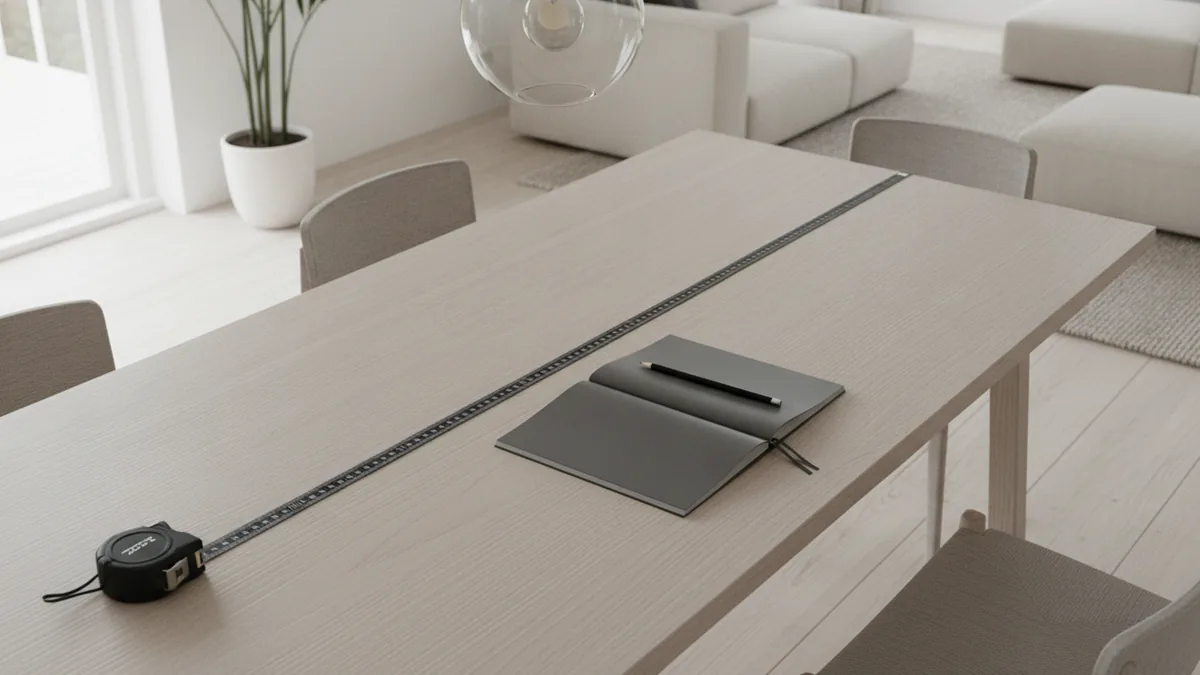
Factors to consider when choosing size
The size of a dining fixture is mostly about three things. Table width sets the visual scale. Fixture height sets comfort and focus. Room dimensions decide how much the fixture stands out from the walls and ceiling.
Use a couple of spacing checks as well. Many people underestimate how close a hanging fixture feels when you sit. Leave at least 6 inches between the table edge and the fixture to keep the look comfortable and avoid bumping elbows.
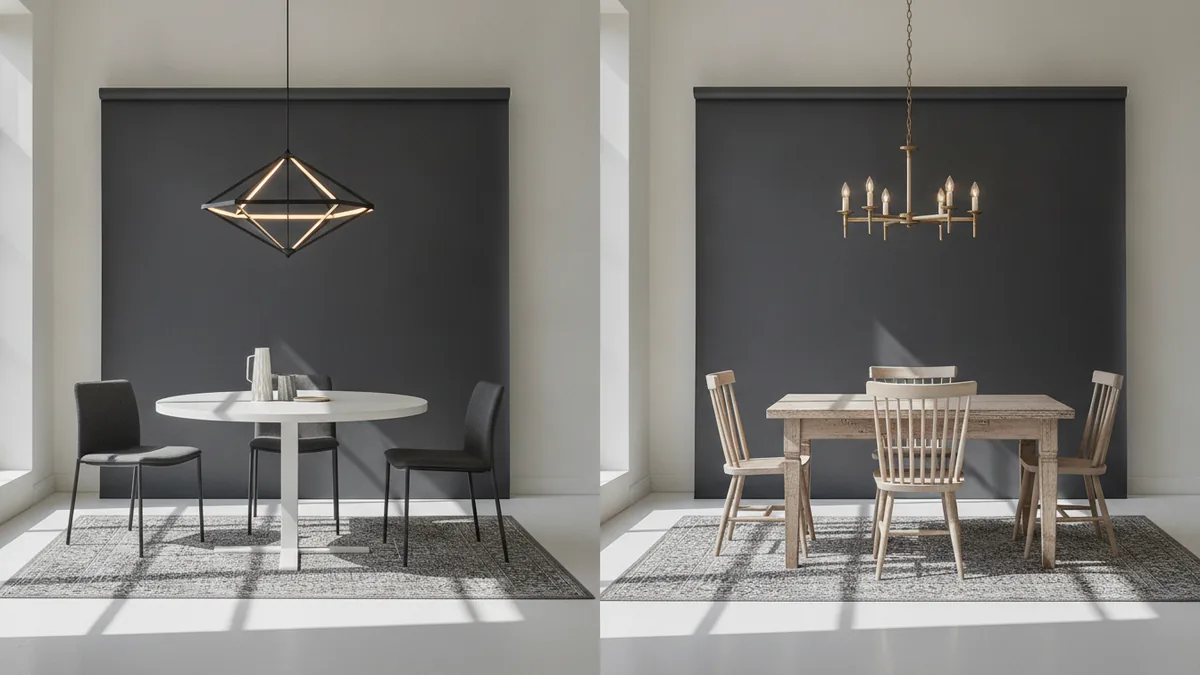
Finally, remember that dining rooms are often used for more than eating. You want lighting styles that match the mood you want. A modern dining setup may use a slim pendant or linear fixture. A traditional space may prefer a chandelier vs pendant lights look, with a more classic silhouette.
- Fixture diameter should match table width (about half to two-thirds).
- Fixture height controls comfort and how much light lands on the tabletop.
- Room dimensions affect how centered and prominent the fixture feels.
- Table-to-fixture clearance helps with elbow room and comfort.
Measuring your dining room and table
Before you choose a fixture, do two quick measurements. Measure the width of your dining table from one outer edge to the other. Then measure the dining area, at least its length and width in feet, including where the table sits.
Convert room measurements to inches for easier fixture sizing. If your room is 12 feet by 14 feet, that becomes 144 inches by 168 inches. You will not pick a fixture based on both numbers alone. Still, this helps you judge whether the fixture should feel small and subtle or more like a focal piece.
Now locate the best centering point. Measure the table’s centerline and aim to hang the fixture’s center over it. If the fixture is not centered over the table, the light can look off even if the size is correct.
For a visual aid, place a marker at the table center and then test height with tape. You can also use a balloon tied to a string at the hanging point. Move it up and down until it matches your comfort zone and visual preference. It beats guessing from a product photo.
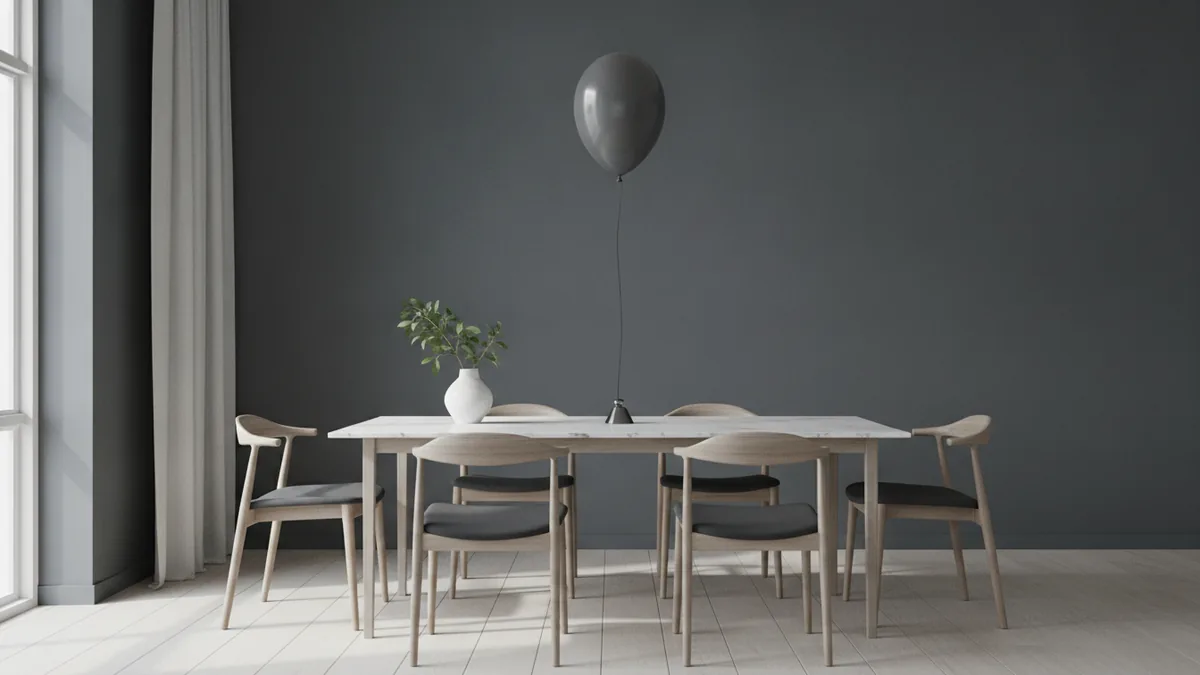
Determining fixture height
Fixture height is one of the biggest drivers of a comfortable dining setup. The common target is based on ceiling height. For dining room ceilings around 8 feet, aim for 30–36 inches above the tabletop.
If your ceiling is higher, you may need more drop. Use the same idea: the fixture should illuminate the tabletop without crowding people. A chandelier should feel like it frames the table, not like it hangs too low. A pendant should create a clear light pool while still leaving headroom.
Then factor in bulb type and fixture style. If the fixture uses bright downlights, you can sit closer to the middle of the 30–36 inch range. If the fixture has more decorative glass or shades, hang it slightly higher while keeping enough light on the surface.
- Ceiling near 8 feet: 30–36 inches above the table.
- Lower than 8 feet: reduce height so you do not block sightlines.
- Higher ceilings: add drop, but keep a comfortable feel.
As a rule, do a seat test. Sit at the table. Raise your gaze to the bottom of the fixture. You should not feel like you are looking into it.
Choosing fixture diameter and shape
The best sizing approach ties fixture diameter to table width. As a baseline, choose a fixture diameter around 50% to 67% of the table width. This range works for many standard dining tables and keeps the light from looking too tiny or overpowering.
Here is a simple example. If your table is 60 inches wide, a fixture diameter between 30 and 40 inches fits the guideline. If you have a 72-inch table, look for roughly 36 to 48 inches.
Shape also matters. A round table usually pairs with a chandelier or pendant that has a round footprint. A rectangular table often looks best with a fixture that repeats its geometry, such as an oval or linear silhouette. This is where your dining area lighting plan gets more intentional.
Consider what the fixture’s visual weight looks like. A wide chandelier with many arms can feel larger than its measured diameter. A thin drum pendant may feel smaller even if the housing size is similar. If you are unsure, compare dimensions against chairs and the table edge in the room.
| Table width | Suggested fixture diameter | Good starting style |
|---|---|---|
| 48 in | 24–32 in | Round pendant or compact chandelier |
| 60 in | 30–40 in | Chandelier with balanced arms |
| 72 in | 36–48 in | Linear fixture or larger chandelier |
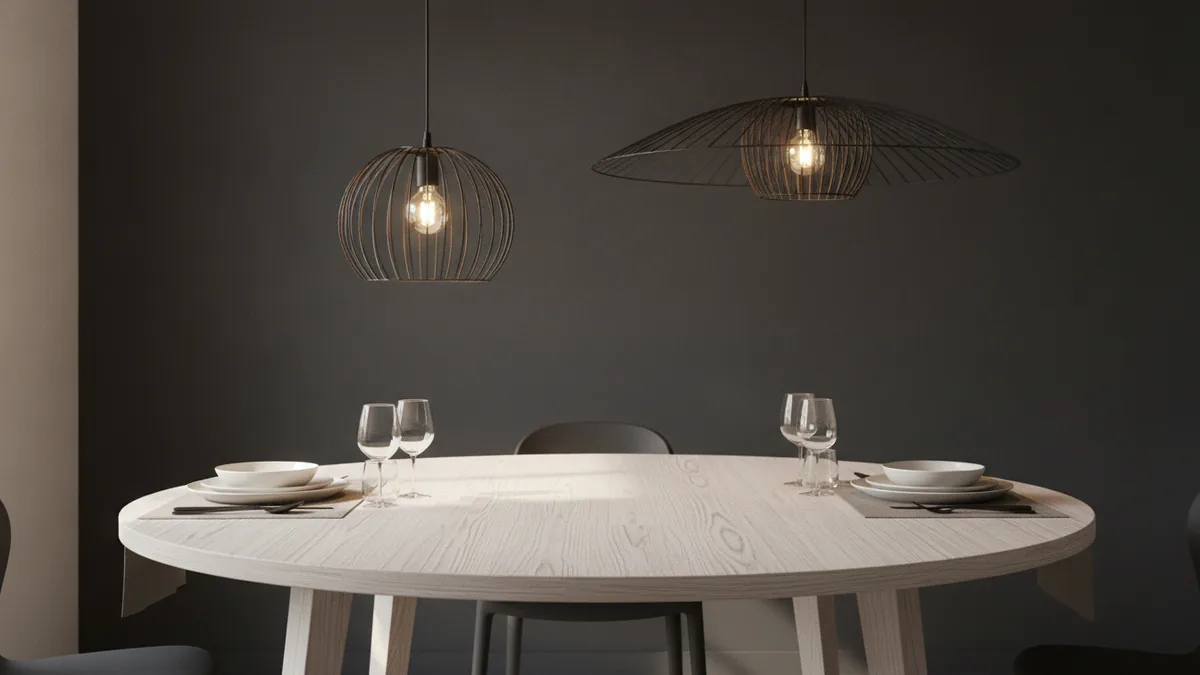
Single vs. multiple fixtures
Sometimes one fixture is perfect. A single centerpiece works best for shorter, standard-width tables. But for longer tables, one fixture can leave dark zones at the ends. In that case, consider using two or more smaller fixtures for even light distribution.
A practical way to decide is to look at the end lighting. Sit at one end of the table. Notice whether you can read without turning on extra lamps. If the far end feels dim, multiple fixtures may fix it.
You can arrange multiple fixtures in a few common ways. Use two matching pendants over the table’s center lanes. Or use a row of smaller lights that align with the table length. In both cases, keep the bottoms at the same height so the visual lines stay clean.
Also keep spacing consistent. Use the same table centering approach for each fixture. Maintain enough clearance from the table edge so the lights stay comfortable while seated. If your table is long and narrow, multiple fixtures can actually look more “custom” than one big chandelier.
- Standard length tables: one fixture often works well.
- Long tables: use two or more fixtures for even coverage.
- Keep fixture heights equal for a tidy look.
Lighting styles for dining rooms
Your fixture size should support the lighting style you want. Modern dining rooms often pair well with sleek pendant designs and clear lines. Traditional spaces often look best with richer shapes and warm materials. Matching the silhouette helps the fixture feel like it belongs, not like it was added later.
Think about the vibe you want when people gather. For a cozy lighting ambiance, choose fixtures that spread light gently and avoid harsh glare. For task-focused dining, fixtures with strong downlight can help. You can also blend styles by adding dimmable bulbs and using table lamps where needed.
It also helps to understand how chandelier vs pendant lights reads in a space. Chandeliers tend to feel like a centerpiece, especially in rooms with height and molding. Pendant lights can look lighter and more streamlined, which can suit open-plan dining areas. Either option can be sized correctly, but their visual “presence” differs.
If your goal is a calm and balanced dining area, match the fixture’s scale to both table and room. A fixture that is sized well for the table can still feel too big if the dining room is small. Use the balloon or tape method to confirm scale before you buy.
Final tips for fixture selection
Do a final pass with simple measurements. Confirm the fixture diameter target is about half to two-thirds the table width. Check that the bottom of the fixture will land around 30–36 inches above the table for an 8-foot ceiling.
Next, verify spacing for comfort. Ensure at least 6 inches between the table edge and the fixture. If your table is set with a centerpiece bowl or runner, think about how far items reach toward the hanging fixture.
Then choose a size that matches your dining room scale. If the dining area is large, a small fixture can look lost. If it is small, a large chandelier can feel heavy. Use room dimensions in feet converted to inches to sanity-check visual proportion while you shop.
Lastly, consider your real use. If you host often, you will feel the lighting more than you think. A properly sized fixture makes every meal look intentional, from breakfast to dinner parties.
- Measure dining table width and center the fixture over it.
- Choose fixture diameter for table scale: about half to two-thirds.
- Set fixture height: about 30–36 inches above an 8-foot table.
- Leave at least 6 inches from table edge for comfort.
- For long tables, use multiple fixtures for even coverage.
Frequently asked questions
- What size light fixture for dining room table should I choose?
- Use the table width as your guide. Choose a fixture diameter about half to two-thirds of the table width and center it over the tabletop.
- How high should a chandelier hang over a dining table?
- For an 8-foot ceiling, hang most fixtures about 30 to 36 inches above the table. Adjust slightly based on shade style and your personal headroom comfort.
- How do I figure out what size light fixture for dining room to buy using room dimensions?
- Measure the dining area length and width, then convert feet to inches. Use those numbers to judge how prominent the fixture should look compared to the room scale.
- Should I use one chandelier or multiple pendants for a long dining table?
- If your table is long, one fixture can leave darker ends. Using two or more smaller fixtures helps spread light more evenly.
- What spacing should I leave between the table edge and the light fixture?
- Plan for at least 6 inches between the table edge and the fixture. This improves comfort and avoids elbows feeling too close.
Related reading
Kitchen Cabinet Tops — Style, Texture and Seasonal Charm
Style cabinet tops with balanced layers, useful texture, and decor that suits your kitchen.
Couch Placement—Flow, Focus and Comfort
Place your couch to frame a focal point, keep paths clear, and make the room feel balanced.

Master Bedroom — Color, Comfort and Personal Style
Build a calm, personal bedroom with smart choices and a budget that works.