How to Design a Dining Room: Color, Layout, and DIY Updates
Get a cohesive plan for color, layout, furniture, and DIY painting for your dining space.
Start with a cohesive color plan
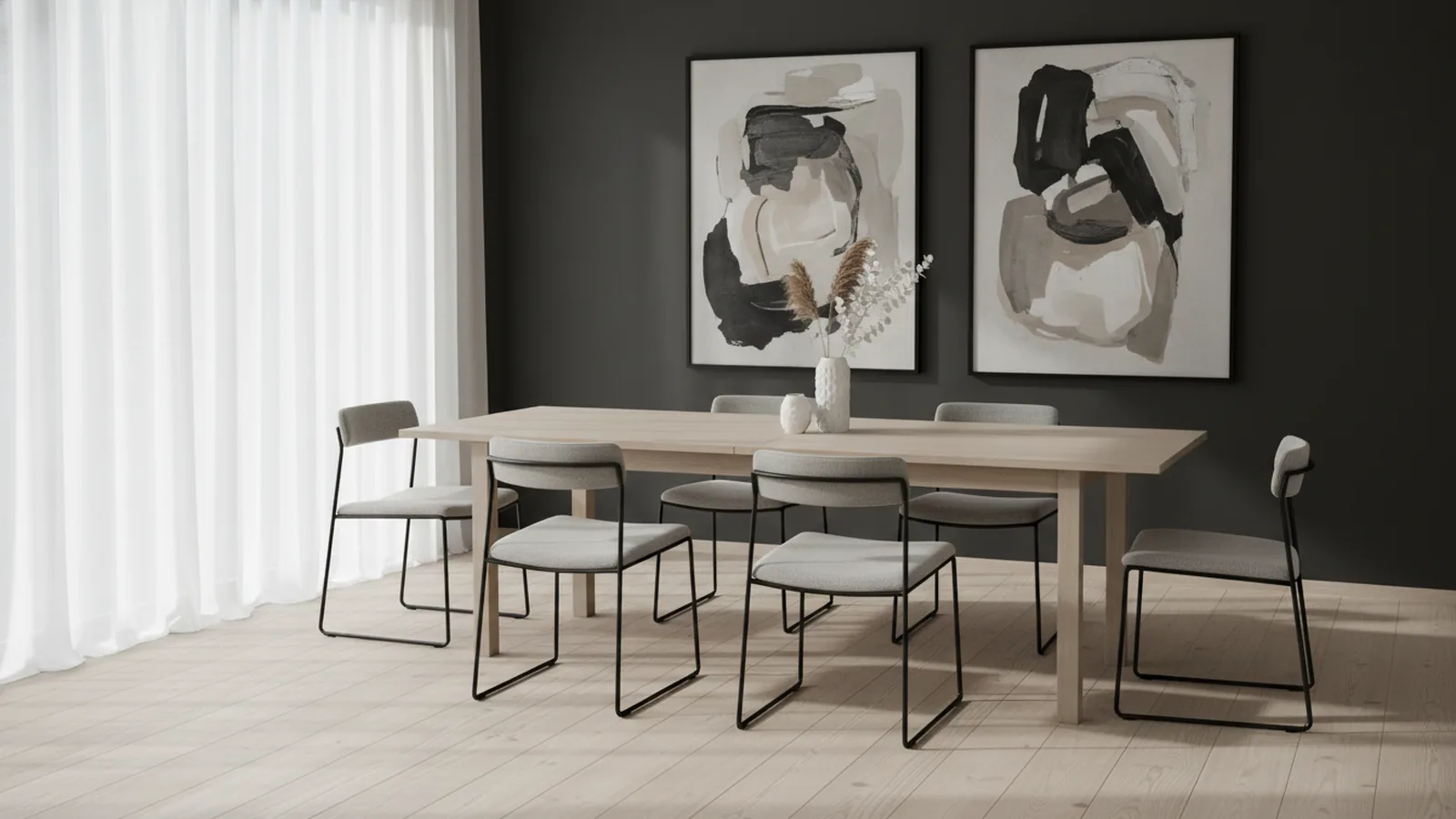
If you want to know how to design a dining room fast, begin with a color scheme. Color sets the mood before you buy a chair or hang a single frame. It also keeps the whole space from feeling like separate items competing for attention.
Use color psychology in design as a guide, not a strict rule. Warm tones like soft terracotta and golden beige often feel welcoming and social. Cooler shades like sage green can make a room feel calmer, which helps if your dining area also serves as a home office.
Try one of these three approaches. First, pick a dominant wall color and match it to a secondary trim color. Second, choose a main neutral and add one accent color through textiles and art. Third, go layered and use two neutrals plus one accent so the room feels designed, not flat.
- Balanced: 70% neutral, 20% secondary, 10% accent
- Warm: beige or cream base with terracotta or rust accents
- Fresh: white or light gray with sage or ocean-blue accents
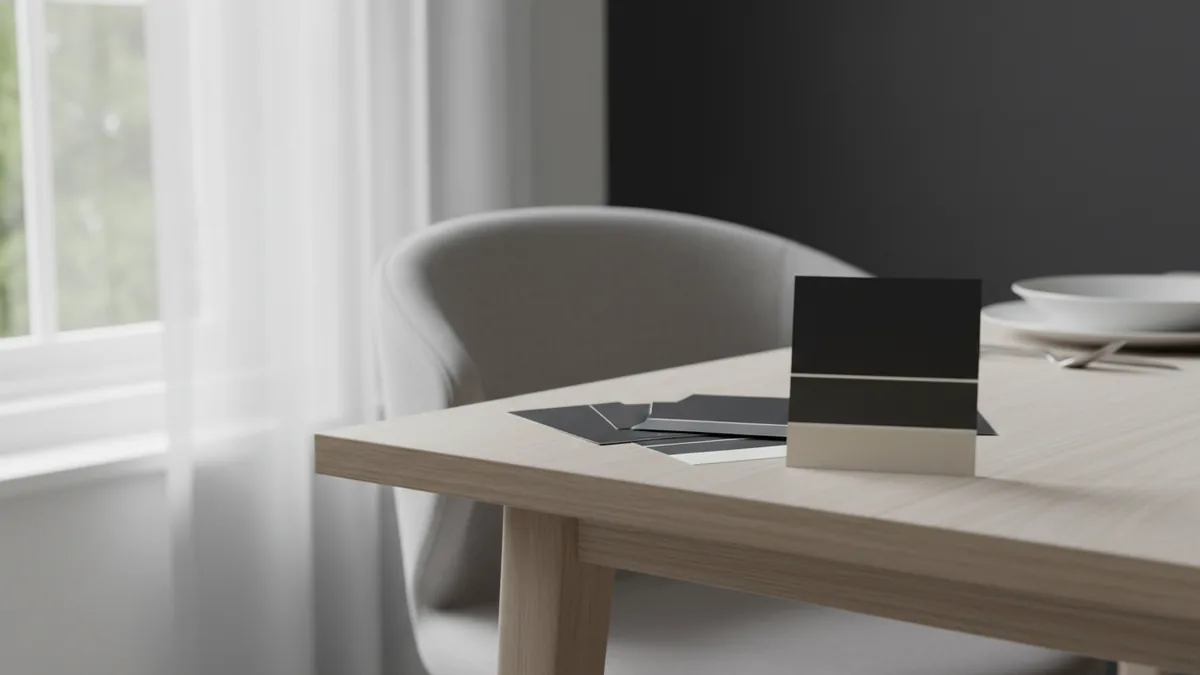
Before you commit, test paint swatches in real daylight. Dining rooms change a lot from morning to candlelight. Look at the swatch at noon and again in the evening.
Select furniture that fits your style and your space
Great furniture selection starts with the dining room layout you want. Modern dining rooms often use clean lines and a lighter visual weight. Traditional rooms usually lean toward warmer woods, turned legs, and richer finishes. Open-plan spaces need furniture that blends with the adjacent area, or you will see a hard break between zones.
Start with the dining table because everything else orbits it. A common target for comfort is about 24 inches of chair width per person when seated. Also plan roughly 36 inches of clear walking space around the table for most homes. If your room is tight, you can reduce aisle space slightly, but only if chairs slide easily.
When you choose chairs, match the seat height to the table height. Standard dining tables are often around 29–30 inches tall. Aim for chairs that bring seated eyes level slightly above the table edge. That small detail makes the table feel “right,” even when you are not sure why.
Consider these practical chair tips. Upholstered seats add comfort for long meals. However, washable fabrics matter if kids eat there often. If you host frequently, mix two upholstered chairs with additional hardback chairs to control cost and still keep the room comfortable.
| Need | Furniture move | Why it helps |
|---|---|---|
| Small dining room | Choose a round or extendable table | Fewer corners and flexible seating |
| Frequent hosting | Use extendable leaves or an extra set of chairs | You expand without changing the space |
| Open-plan home | Pick finishes that match nearby flooring and cabinets | Better flow between zones |
Finally, check storage. Sideboards, buffets, and server cabinets keep surfaces clear. That clarity makes the dining room feel more intentional, especially when you set the table for events.
Arrange the room for conversation, not just walking
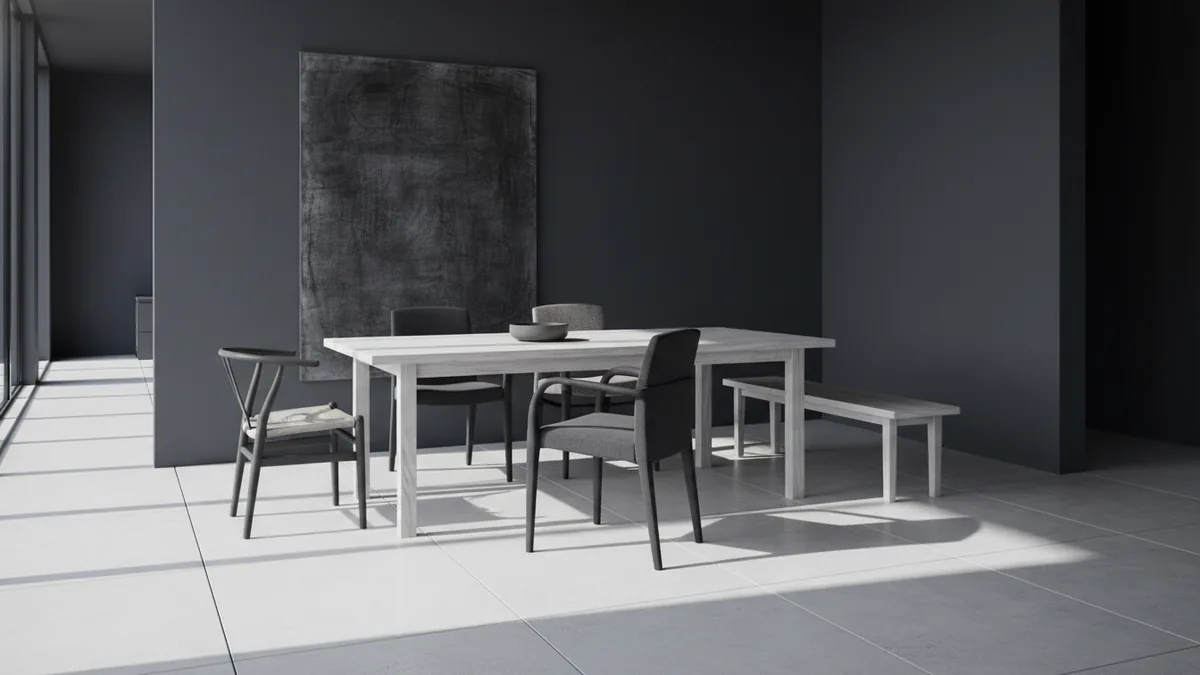
Once you know your color scheme and furniture sizes, it is time to arrange. The goal is functional dining space planning that supports social interaction. People should be able to reach serving dishes without twisting or leaning across neighbors.
Start with the seating radius. For most dining rooms, leave about 42 inches from the table edge to walls or large furniture. That distance makes it easier for chairs to pull out comfortably. If you cannot reach that number, prioritize clear space on the primary entry side.
Choose a layout style that fits how you host. In modern dining rooms, a straight-line arrangement can feel crisp, especially with a long table. Traditional rooms often look best with the table centered under a light fixture. Open-plan spaces usually need the table slightly aligned to the kitchen or living seating, so the zones look connected.
- Center + symmetry: Best for traditional and formal spaces
- Offset alignment: Best for open-plan rooms
- Round-table flow: Best for conversation and smaller rooms
Think about movement paths too. Keep the walkway from the kitchen to the table direct. Avoid placing the table so guests must step around a chair stack or narrow corner.
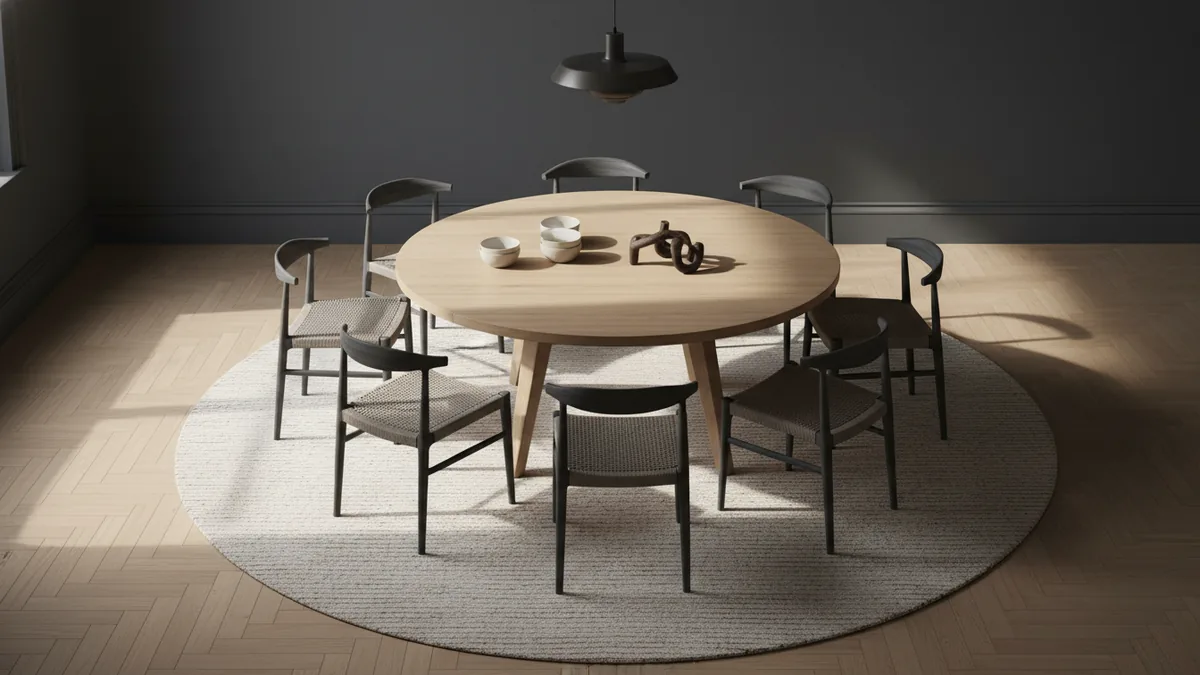
Lighting placement is part of arrangement. Hang the pendant or chandelier low enough to anchor the table. A useful starting point is about 30–34 inches above the tabletop, then adjust by eye once you test it in the evening.
Add decorative touches that look finished
Decorative accessories are where the dining room becomes yours. Table linens, wall art, and practical items like place mats should all fit the same color story. When you plan these details early, the room stops feeling like furniture only.
Start with the table setting layer. Choose a tablecloth or runner that repeats one of your room colors. Then pick napkins that complement, not match exactly. A subtle contrast looks more styled than a perfect replica.
Next, choose wall art with the dining room’s scale in mind. If you have a buffet under the wall, hang art centered above it. The bottom edge of framed art often lands around 60 inches from the floor, but adjust for your light fixture height. Large art can also help fill awkward blank wall space.
Wallpaper choices in dining design work best when they add texture without overwhelming the room. Use wallpaper on one feature wall or behind a buffet. Keep the pattern tight enough that it does not compete with busy table settings.
- Table linens: pick one main pattern or texture, then keep the rest simple
- Wall art: match frame finishes to hardware or light fixtures
- Mirrors: add brightness for darker dining rooms
Finally, keep the surfaces functional. A bowl for napkins, a candle tray, or a serving board can be both decorative and useful. That balance supports a dining room ambiance that feels ready for daily meals.
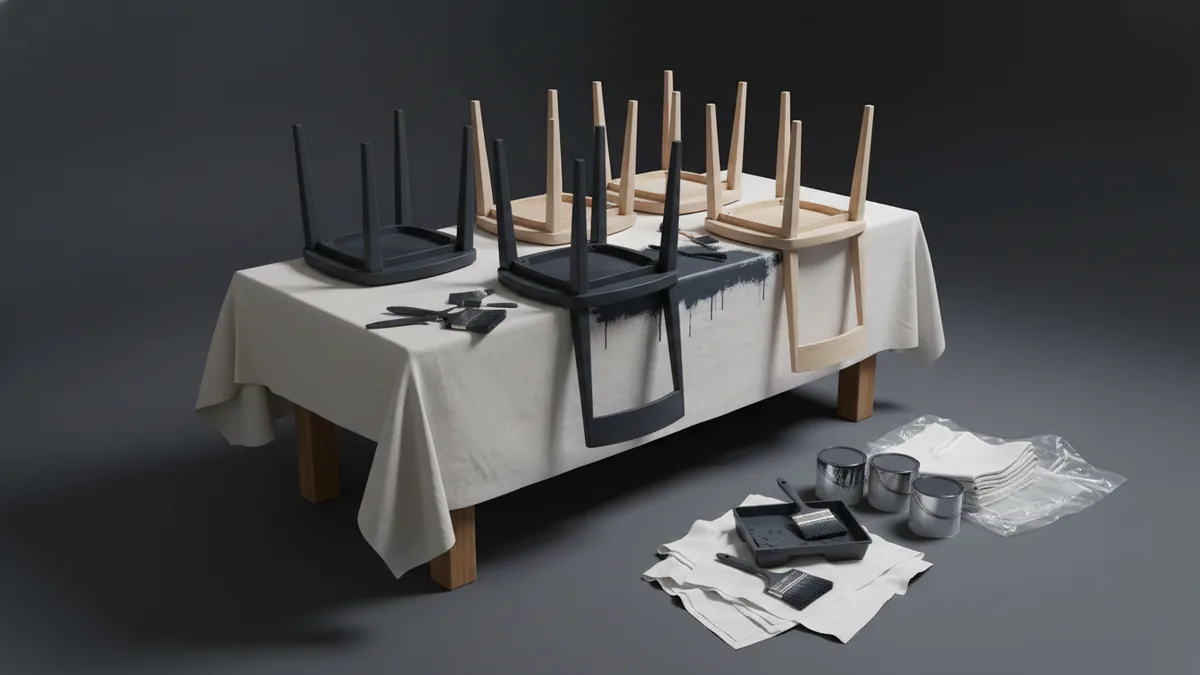
DIY upgrades: painting and customizing your table and chairs
DIY painting is one of the quickest ways to update a dining room without replacing furniture. This raises a key question: can i paint my dining room table. In many cases, yes. Solid wood, some metal, and many laminate surfaces can be painted with the right prep and product.
Before you paint, identify what the table is made of. Also check how shiny it is. Glossy finishes often need better surface key so paint can grip. If you are wondering can you paint a dining room table, the answer is usually yes, but results depend on prep.
Painting a dining room table: the steps that prevent peeling
If your goal is how to paint a dining room table, plan the work in layers. First, clean the surface with a degreaser so it is free of oils. Second, sand lightly if the finish is glossy. Third, use primer made for the surface type.
Many people ask how to paint a dining room table top without sanding. You can sometimes use a paint system made for slick surfaces, or use adhesion primer. However, skipping prep entirely increases the risk of chipping and peeling. If you do not sand, clean thoroughly and test paint on a small hidden area first.
Once primed, apply thin coats of paint. Light sanding between coats can help the finish stay smooth. After the final coat, seal the tabletop with a durable topcoat made for furniture.
- Clean: remove grease, dust, and residue.
- Prep: sand for glossy finishes, or use adhesion primer.
- Prime: cover bare spots and improve grip.
- Paint: apply thin coats, let each cure fully.
- Seal: add a protective clear coat for daily use.
For shade ideas, white or black can anchor a room’s color scheme. If you want how to paint a dining room table white, use an off-white primer and a paint made for cabinets or furniture. For how to paint a dining room table black, choose a primer that reduces bleed-through, then apply multiple thin coats for even coverage.
How to paint dining room chairs and keep them comfortable
Now tackle how to paint dining room chairs, including legs and frames. Chairs get more movement and impact than tabletops. That means paint durability and surface prep matter even more.
For how to paint dining room chairs black, start with a bonding primer. Then apply two or three thin paint coats. Let the paint cure fully before reattaching any hardware.
If you plan to paint upholstery parts, remove any fabric that you can. For chair backs and spindles, use a brush for corners and a foam roller for flatter sections. Use painter’s tape for crisp edges, then remove the tape while the paint is slightly set.
Many DIYers also search how to paint dining room table and chairs together. The easiest way is to use the same paint color and finish level. If you want contrast, keep the table top slightly shinier so it feels protected and intentional.
Chalk paint and “no-sanding” choices
People often ask how to paint a dining room table with chalk paint. Chalk paint can work well, but it still needs the right approach. Follow the brand’s guidance for primer, then seal with a protective topcoat for a dining surface.
If you are trying how to paint dining room table and chairs without sanding, focus on cleaning and adhesion. Use a degreaser, then lightly scuff glossy areas if possible. If you truly cannot sand, rely on adhesion primer made for slick surfaces and expect more test spots.
When you finish, sealing is not optional for frequent meals. Use a clear protective coat so the surface resists stains and regular cleaning. For how to paint and seal a dining room table, treat sealing as the final “durability step,” not a decorative one.
After cure time, you can polish the finish lightly. That final touch makes the dining room updates look factory-made.
Create a dining room that works for everyday meals and special nights
A versatile space is what makes a dining room feel worth designing. Your color scheme and furniture plan should support everything from quick breakfasts to plated dinners. That means thinking about lighting, surface durability, and flexible styling.
Start with a lighting plan. Use a dimmable overhead light or a warm bulb so the room feels inviting at night. Then add a secondary source, like a lamp on a sideboard, for softer pool lighting during longer meals.
Next, build a styling toolkit. Keep a set of napkins, a runner, and one decorative centerpiece that works with most color themes. Swap tableware and linens based on season. This keeps your dining room looking “new” without major changes.
- Everyday: simple linens, easy centerpiece, durable placemats
- Hosting: extra chairs, a longer runner, candlelight for warmth
- Seasonal: change wall decor and small accents, not core furniture
Finally, revisit the room once it is set up. Eat a meal there and watch how people move. If someone cannot reach a serving dish, adjust the chair position. If the light feels harsh, change bulbs or lower the shade.
That kind of small tuning is what turns a good design into an inviting dining room. It also makes your DIY updates last and look good in every situation.
Frequently asked questions
- How to design a dining room without it looking mismatched?
- Start with one cohesive color scheme, then repeat it through wall paint, linens, and artwork. Keep furniture finishes consistent across the table, chairs, and any sideboard.
- What is the best dining room layout for conversation?
- Center the table under the main light when possible, and leave clear space for chairs to pull out. Aim for enough aisle room that guests can move without squeezing past chair backs.
- Can I paint my dining room table if it is glossy?
- Often yes, but glossy finishes need proper prep. Clean well, use adhesion primer, and test a small hidden spot before painting the whole top.
- How to paint a dining room table top for long-lasting protection?
- Clean and prep, prime as needed, then apply thin paint coats. Finish with a durable clear topcoat rated for furniture and food-area wear.
- How to paint dining room chairs black for a smooth finish?
- Use a bonding primer and apply several thin coats of black paint. Let paint cure fully, and avoid rushing reassembly so the finish stays even.
- Can you paint a dining room table without sanding?
- Sometimes, using adhesion primer designed for slick surfaces and thorough cleaning. If peeling or poor adhesion shows up in a test spot, sand lightly before continuing.
Related reading
Couch Placement — Comfort, Flow, and Style
Arrange couches for easy movement, good conversation, and a balanced room.
Small Kitchen Design — Light, Space and Smart Storage
Use light, smart storage, and slim furnishings to make a small kitchen feel more open.
Living Room Paint — Measurements and Buying Tips
Measure your walls, count coats, and buy the right amount of living room paint.