How to Set a Fair Price for Painting a Room
Set a fair room painting price with clear rates, costs, and labor tips.
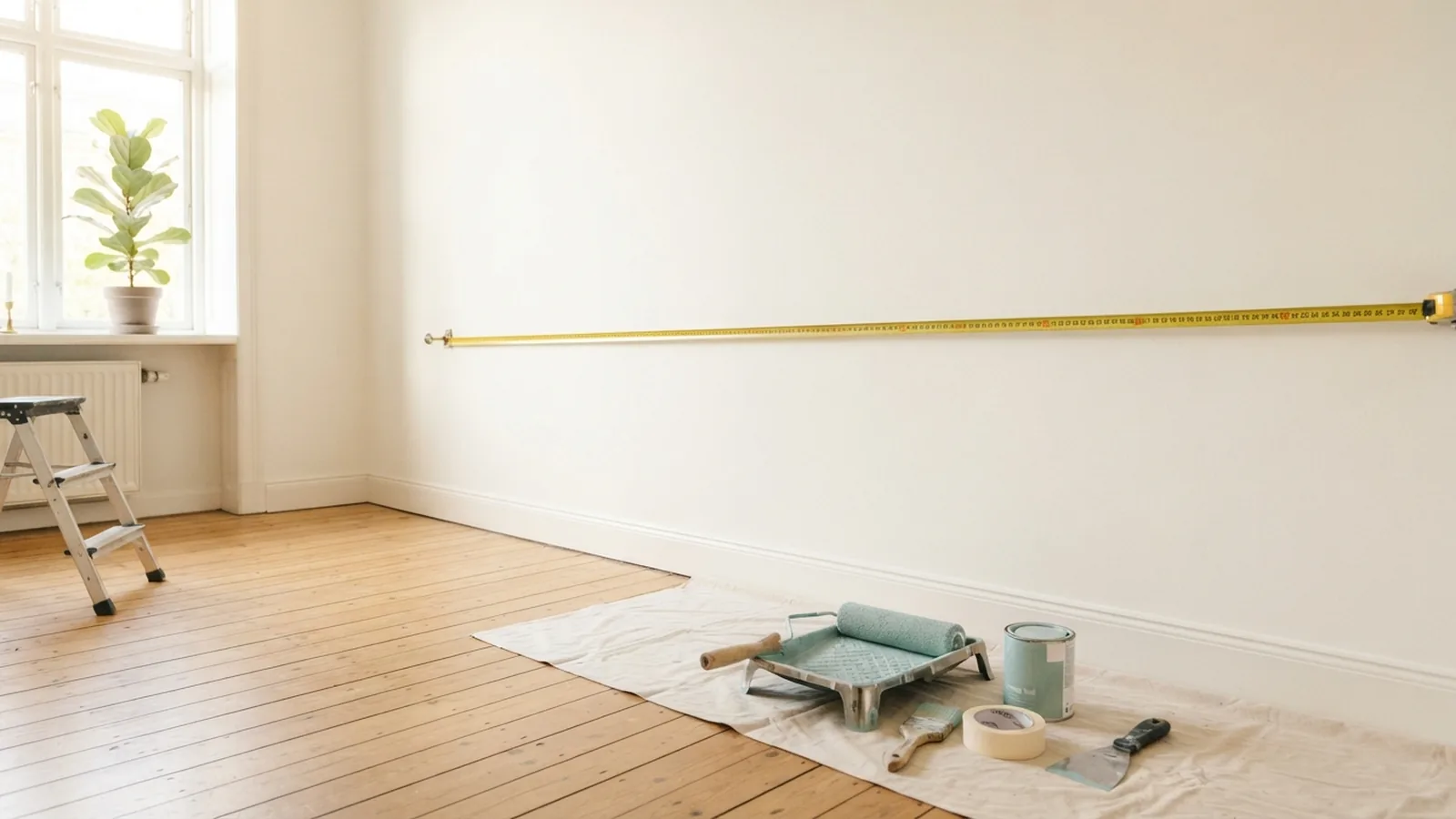
How Much Should You Charge to Paint a Room?
A fair room painting price often falls between $4.22 and $8.19 per square foot. That rate usually covers labor, paint, and basic supplies. A 12-by-12 room may cost about $600 to $1,180. Local rates and wall condition can move that range.
So, how much do I charge to paint a room? Start with the room size and job scope. Then add prep time, paint costs, travel, and a profit margin. A simple bedroom may take one day. A damaged room may take two or three days.
Many painters quote a flat project price instead of a strict square-foot rate. This method works well for small rooms. It lets you charge for real work, not just wall area. Your quote should state what the client gets.
What Changes the Cost of Painting a Room?
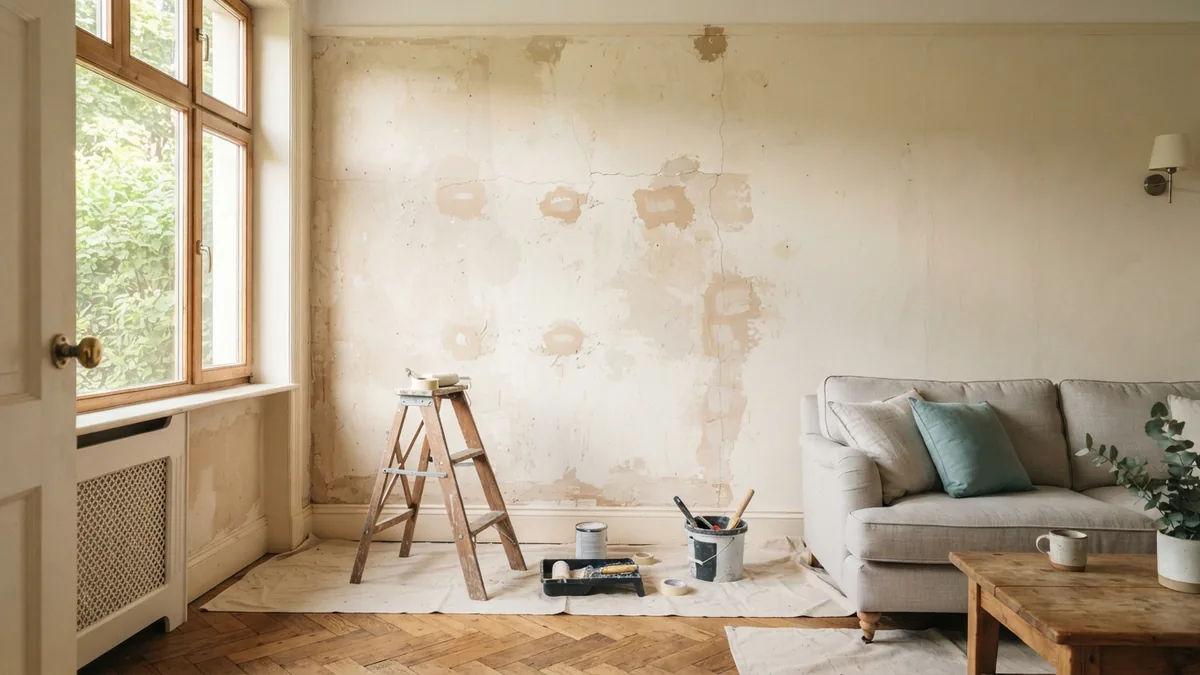
Room size is the first cost driver. A small room needs less paint, but it still needs setup and cleanup. Large rooms need more paint and more time. High ceilings can add both risk and labor.
Wall condition matters just as much. Clean walls need little prep. Cracks, holes, stains, and peeling paint need more care. Dark colors may also need extra coats before the new color looks even.
Location affects labor rates and travel costs. Painters in large cities often charge more than painters in rural areas. Access also matters. Stairs, tight halls, and poor parking can slow the job. A furnished room takes longer than an empty one.
- Room size: More wall area means more paint and work.
- Wall condition: Damage adds prep time and supplies.
- Ceiling height: Ladders and lifts can raise the price.
- Paint type: Premium paint costs more per gallon.
- Color change: Strong color shifts may need extra coats.
- Trim and doors: Detail work needs more time.
- Location: Local labor rates shape the final quote.
Ask clear questions before you set a price. Find out if the client wants walls only. Check whether they want the ceiling, trim, doors, or closets painted. These details prevent a low quote later.
Average Prices by Room Size
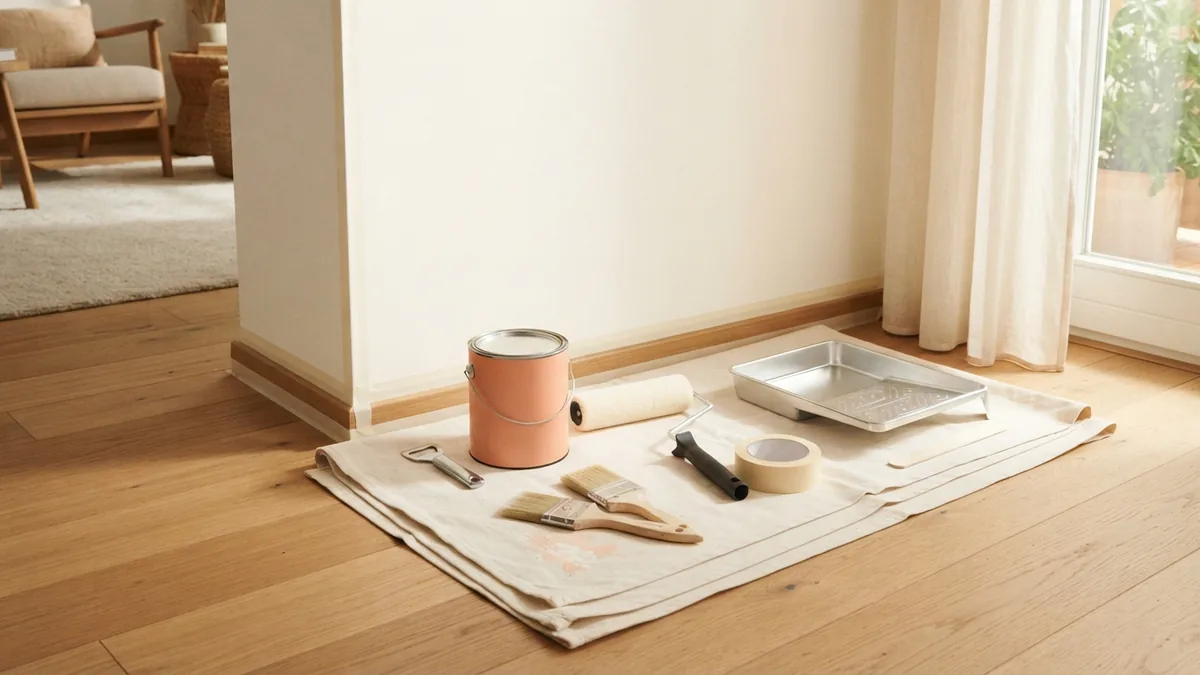
Square footage can give you a useful starting point. Measure each wall, then add the wall areas together. Subtract large doors and windows if you want a tighter estimate. Many painters still keep a small waste allowance.
The table below shows broad price ranges. It assumes standard walls and two coats. It also assumes light prep and normal access. Adjust the price when the job falls outside those limits.
| Room size | Typical wall area | Broad project price |
|---|---|---|
| Small room, 10 by 10 feet | About 400 square feet | $500 to $900 |
| Medium room, 12 by 12 feet | About 500 square feet | $600 to $1,180 |
| Large room, 14 by 16 feet | About 650 square feet | $800 to $1,500 |
| Open living room | About 800 square feet | $1,000 to $1,900 |
These figures use the $4.22 to $8.19 rate range. They are not fixed market prices. A local quote may sit below or above them. Compare three nearby quotes before choosing your own range.
Painted ceilings and trim can change the result. Add a separate line for each extra surface. This makes your quote easier to read. It also helps clients remove optional work without asking for a new estimate.
How to Work Out Labor Costs and Time
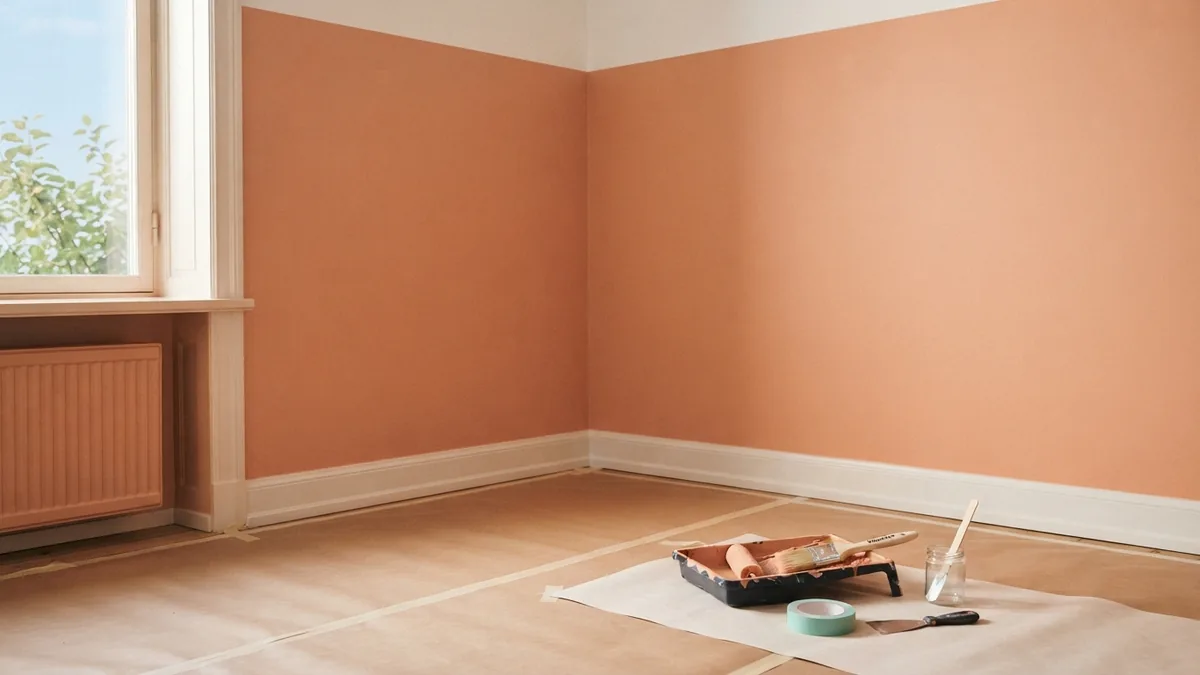
Labor often makes up the largest part of a painting quote. A skilled painter may charge by the hour, day, or project. A common labor range is about $25 to $75 per hour. Your skill, speed, and local demand should guide your rate.
Do not count only the time spent rolling paint. Prep can take one to four hours in a normal room. Painting may take four to eight hours for two coats. Cleanup and touch-ups may add one more hour.
For example, a medium bedroom may need eight total labor hours. At $45 per hour, labor equals $360. Add paint, supplies, travel, and profit. The final quote may land near $650 to $900.
- Inspect the room and list every surface.
- Estimate time for moving items and covering floors.
- Add time for filling holes and sanding walls.
- Allow time for primer and each paint coat.
- Include cleanup, touch-ups, and waste removal.
- Multiply total hours by your chosen labor rate.
A handyman may charge less than a specialist in some areas. However, the work quality and job scope can differ. When people ask how much does a handyman charge to paint a room, the answer depends on skill and service level. State your prep work and finish standard in writing.
Paint and Supply Costs
Paint costs depend on brand, finish, and coverage. One gallon often covers about 350 to 400 square feet. Two coats can double the amount needed. A medium room may need two gallons of wall paint.
Basic interior paint may cost $30 to $60 per gallon. Premium paint can cost $60 to $100 or more. Primer may cost $20 to $50 per gallon. Add more when the walls need stain blocking or strong color cover.
Supplies may cost $40 to $150 for one room. New painters may need to buy tools before the first job. Established painters can spread those tool costs across many projects. Still, every quote should cover tool wear and replacement.
- Wall paint and primer
- Roller covers and paint trays
- Brushes for corners and trim
- Drop cloths and plastic film
- Painter's tape and caulk
- Sandpaper, filler, and patch tools
- Gloves, bags, and cleanup items
Choose one method for supply charges. You can add a fixed supply fee. You can list each item for full clarity. You can also include supplies inside the flat project price.
Tips for Setting Your Painting Rate
Begin with an honest skill check. A first-time painter should not charge the same rate as a skilled finisher. Test your speed on a small wall first. Check your edges, coverage, and cleanup time.
New painters can charge a fair entry rate while building proof of their work. Do not price so low that mistakes erase your profit. Skilled painters can charge more for clean lines and fast work. Clients pay for the finished result, not just brush time.
Use a written estimate for every project. List surfaces, coats, prep work, paint brand, and cleanup. Set a payment plan for larger jobs. Add a change fee when the client adds new surfaces.
- Set a base rate for simple walls.
- Add fees for damaged walls and extra coats.
- Charge more for ceilings, trim, and doors.
- Include travel when the job sits far away.
- Keep a margin for waste and small delays.
- Review local prices every few months.
If you wonder what to charge to paint a room, build the quote from real costs. Track your hours on each job. Compare your estimate with your final time. Raise or lower your rate based on that record.
Common Pricing Mistakes to Avoid
The biggest mistake is underestimating time. Many new painters count two coats but forget setup. They also miss drying time, sanding, and touch-ups. A short site visit can reveal these hidden tasks.
Another mistake is using one price for every room. A clean bedroom differs from a stained kitchen. A bathroom may need moisture-safe paint and tight detail work. Price the room you see, not the room you imagine.
Overpricing first-time projects can also hurt. A high quote needs a clear reason. You may offer strong prep, premium paint, or a firm finish date. Without added value, clients may choose a more proven painter.
- Do not copy a competitor's price without checking your costs.
- Do not skip a room inspection before quoting.
- Do not hide prep work inside vague wording.
- Do not forget travel, cleanup, or tool wear.
- Do not promise a finish time without checking drying needs.
- Do not lower your price after the work begins.
A strong quote feels fair to both sides. It covers your time and costs. It also gives the client a clear result. That balance helps you win work without losing money.
Frequently asked questions
- How much do I charge to paint a room?
- A room often costs $4.22 to $8.19 per square foot. A 12-by-12 room may cost about $600 to $1,180.
- How much does a handyman charge to paint a room?
- Many painters charge $25 to $75 per labor hour. The full price also includes prep, paint, supplies, travel, and profit.
- How should I set a room painting price?
- Measure the walls, then estimate prep, coats, cleanup, paint, and supplies. Add those costs before choosing your profit margin.
- How much should I charge to paint a bedroom?
- A bedroom often costs less when it has clean walls and easy access. Extra coats, trim, damage, and furniture can raise the price.
- How much should I charge to paint a bathroom?
- A bathroom may cost more than a bedroom because of detail work and moisture-safe paint. Price walls, ceiling, trim, and prep as separate items.
- Should I charge by the hour or by the room?
- Use a flat price when the room scope is clear. Use an hourly rate when wall damage or added work is hard to predict.
Related reading
Interior House Painting — Costs, Colors and DIY Choices
Plan your interior paint budget with real rates, color tips, and DIY tradeoffs.
Couch Placement—Flow, Focus and Comfort
Place your couch to frame a focal point, keep paths clear, and make the room feel balanced.

Master Bedroom — Color, Comfort and Personal Style
Build a calm, personal bedroom with smart choices and a budget that works.