Kitchen Cabinet Finishes — A Balance of Beauty and Wear
Compare cabinet, wall, and bathroom paint finishes for a kitchen that lasts.
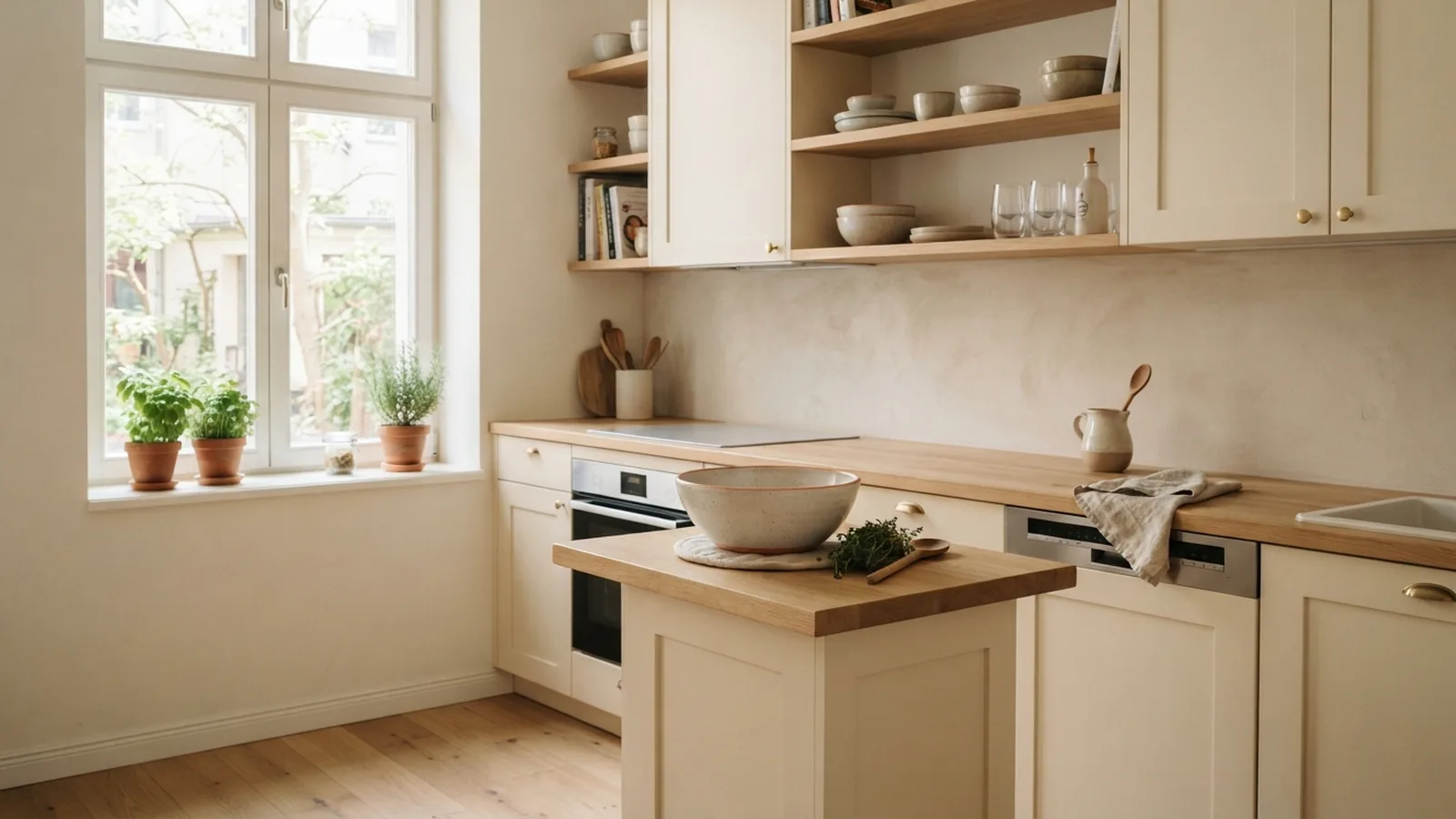
How to Think About Kitchen Cabinet Finishes
For most kitchens, satin or semi-gloss is the best paint finish for kitchen cabinets. Both stand up to frequent wiping better than flat paint. Satin has a softer look, while semi-gloss reflects more light and is easier to scrub. Choose based on how much wear your cabinets get and how smooth their surfaces are.
Paint sheen describes how much light a painted surface reflects. A low sheen can make a room feel calm, but it may show marks sooner in a busy kitchen. A higher sheen tends to shed dirt more readily. It can also make dents and brush marks stand out.
Cabinets need a tougher finish than most walls. Hands touch doors and drawer fronts every day. Grease and food splashes also collect near the stove and sink. The best paint finish for a kitchen is not always the same across every surface.
What Makes Cabinet Paint Last
Cabinet paint must handle regular cleaning, knocks, and changes in room heat and moisture. A durable paint film matters just as much as sheen. A hard-wearing paint can still fail if it goes onto grease, dust, or a glossy old coat.
Many painters choose waterborne alkyd paint for cabinets. It flows out more smoothly than many standard wall paints and forms a hard finish after it cures. Benjamin Moore Advance is one example. Follow the label for dry times and recoat windows. Paint may feel dry before it is ready for daily use.
Think about the cabinet's shape and condition, too. High-gloss paint can look crisp on a flat, well-prepped door. On an older door with dents or uneven patches, it can draw the eye to every flaw. Satin or semi-gloss often offers a more forgiving look.
Compare Paint Sheens for Cabinets
There is no single sheen that suits every cabinet. Matte and eggshell have a quiet, low-reflection look, but marks can be harder to wash away. Satin and semi-gloss offer a useful blend of cleanability and visual warmth. High-gloss is tough and bright, yet it asks for careful prep.
- Matte: Hides small flaws, but can scuff and resist scrubbing.
- Eggshell: Has a soft glow and suits lightly used areas more than busy doors.
- Satin: A balanced pick for many kitchens. It cleans well and does not shine too brightly.
- Semi-gloss: A good choice for doors that need frequent wiping. Its shine can reveal rough prep.
- High-gloss: Reflects the most light and can be very tough. It shows dents, dust, and brush marks readily.
For many homes, satin is the safe starting point. Choose semi-gloss if the cabinets see heavy use or need frequent cleaning. Test a sample on a door before painting the whole room. View it in daylight and under the kitchen's evening lights.
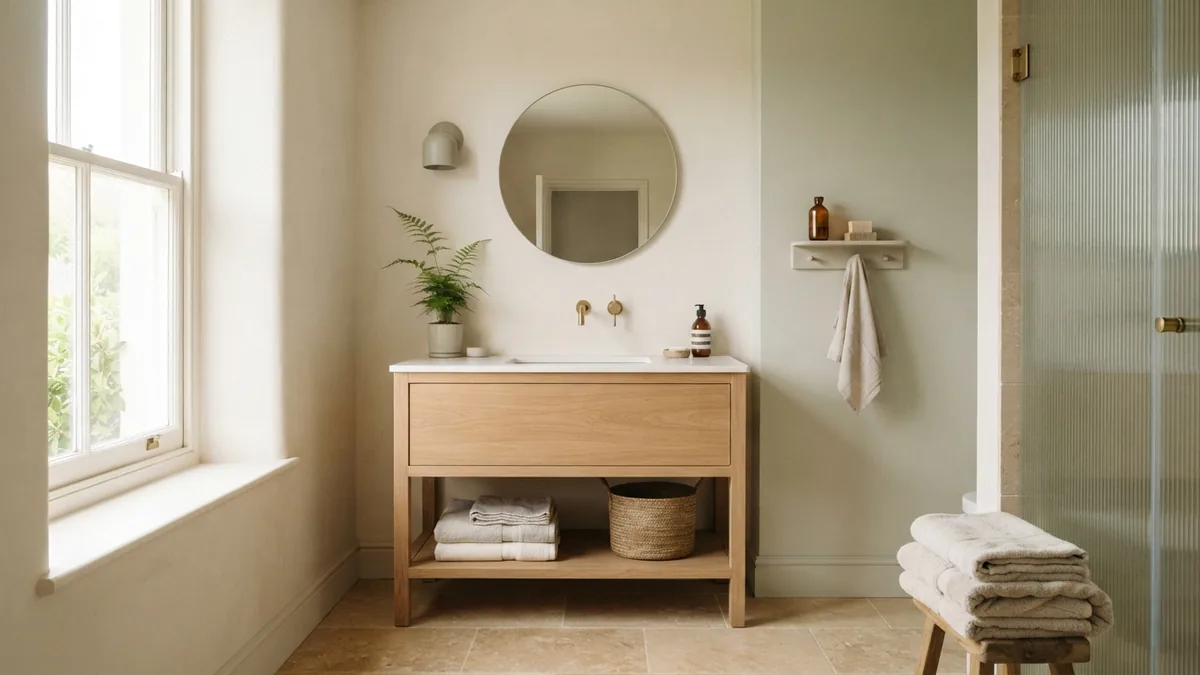
Prep and Paint Cabinets for a Lasting Finish
Good prep is the key to a lasting coat. Empty the cabinets, remove doors and hardware, then label each door and hinge spot. Wash every surface with a cleaner that cuts grease. Rinse if the cleaner calls for it, then let the wood dry fully.
Sand the old finish to dull its shine and smooth rough spots. You do not need to strip sound paint down to bare wood. Wipe away all sanding dust, then use a primer suited to the surface. Bare wood, laminate, and old oil paint may each call for a different primer.
Apply thin, even coats with a quality brush or small roller. Let each coat dry for the time listed on the can. Two thin coats often look smoother and wear better than one thick coat. Keep doors off their hinges while the paint cures, and avoid hard scrubbing at first.
- Remove hardware and mark where each door belongs.
- Clean off grease, then let every surface dry.
- Sand to dull the sheen and smooth defects.
- Prime with a product made for your cabinet surface.
- Apply two thin coats, following the stated dry times.
- Let the paint cure before heavy use or washing.
Do not rush the cure. Paint can feel dry to the touch while it remains soft underneath. Careful drying helps prevent sticking where doors meet frames.
Pick Different Finishes for Walls and Bathrooms
The best paint for kitchen walls depends on how often you clean them. Eggshell or satin works well in many kitchens. These sheens handle light splashes and wiping without the strong shine of semi-gloss. Use a washable paint made for interior walls.
For the area behind a sink or stove, consider a more washable satin finish. A tile or other splashback is better where water or cooking oil hits often. Paint alone is not a shield against constant splashes. Clean spills soon to keep stains from setting.
In bathrooms, satin or semi-gloss is a strong choice for walls exposed to steam and splashes. Pick paint labeled for bathrooms or damp spaces, and run the fan during and after showers. A high sheen does not stop mold if the room stays damp. Fix leaks and improve airflow instead.
In short, use a finish that fits the job. Cabinet doors need a hard, wipeable coat. Kitchen walls need a washable surface with a softer look. Bathroom walls need both washability and good moisture control.
Choose Cabinet Colors That Suit the Room
Color can change how large, warm, or lively a kitchen feels. Warm white and cream make a small room feel open. Pale sage and soft beige bring a gentle hint of color. Deep green or navy can make an island stand out, especially against light walls.
Consider the light in the room before settling on a shade. A color may look warmer in afternoon sun and cooler under some bulbs. Paint a sample on a board, then move it around the kitchen. Check it beside the floor, worktop, and wall color.
Think about sheen as part of the color choice. Satin gives color a soft, even look. Semi-gloss can make a dark cabinet feel brighter, but it may reveal uneven spots. Keep the sheen consistent across doors and drawer fronts for a calm, joined-up effect.
Keep Painted Cabinets Looking Fresh
Wipe cabinet marks with a soft cloth and mild soap. Use a damp cloth, not a soaking wet one, and dry the surface after cleaning. Skip rough scrub pads and strong cleaners unless the paint maker says they are safe. These can dull the sheen or wear through the paint.
Pay extra attention to the areas around handles, bins, and the stove. Clean those spots before grease builds up. Tighten loose handles so they do not rub against the paint. Small habits can help a finish last longer.
Keep a small amount of leftover paint for touch-ups. Store it in a sealed container, away from heat and frost, and mark the color and sheen on the lid. A fresh coat may look different from old paint, so test it in a hidden spot first. For widespread wear, clean and sand the area before repainting.
Frequently asked questions
- What is the best paint finish for kitchen cabinets?
- Satin is a good fit for most cabinets because it cleans well without looking too shiny. Choose semi-gloss for doors that need frequent scrubbing.
- Is satin or semi-gloss better for kitchen cabinets?
- Satin hides small flaws and gives a softer look. Semi-gloss is more reflective and easier to wipe, but it shows dents and rough prep.
- What paint finish is best for kitchen walls?
- Eggshell or satin suits many kitchen walls. Satin is a better pick near areas that need frequent wiping.
- What is the best paint finish for bathroom walls?
- Satin or semi-gloss handles splashes and wiping well. Use paint made for damp rooms and run a fan to limit moisture.
- Is waterborne alkyd paint good for cabinets?
- Yes. It can form a hard, smooth finish on cabinets when applied over clean, well-prepped surfaces. Follow the product's drying and cure directions.
- How do I make painted kitchen cabinets last longer?
- Clean off grease, sand the old finish, and use a suitable primer before painting. Apply thin coats and let the paint cure before heavy use.
Related reading
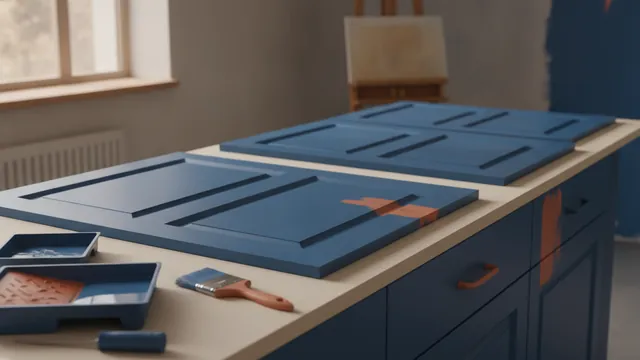
Best Paint for Kitchen Cabinets — Finish, Durability, and Cost
Choose the right cabinet paint, prep well, and get a finish that lasts.
Interior Design — Salary, Skills, and Career Outlook
See what interior designers earn, study, and do at work.
Bedroom Color — Calm Shades for a Restful Space
Choose soothing bedroom colors that work with your light, decor, and daily routine.