Old Kitchen Decor — Fresh Style Without a Full Remodel
Refresh an old kitchen with paint, better light, new hardware, and thoughtful decor.
Spot the features that make an old kitchen feel dated
You can make an old kitchen feel fresher without replacing every cabinet or changing the layout. Start with the details that bother you most. Then tackle the changes with the biggest effect. A focused plan saves money and limits wasted effort.
Look for low cabinets, dark finishes, worn doors, and dated handles. Poor lighting can make even a clean kitchen feel gloomy. Check whether clutter crowds the worktops or heavy curtains block the window. These problems can matter more than the kitchen’s age.
Make a short list before buying supplies. Mark each issue as a safety fix, daily annoyance, or style concern. Fix loose hinges and flickering lights first. Spend the rest of your budget on changes you will see and use each day.
- Closed-in storage: Clear one worktop and display only useful, attractive items.
- Dim work areas: Add focused light near the sink and prep space.
- Worn cabinet fronts: Clean and repair them before considering new doors.
- Visual clutter: Remove items that do not earn their place on the counter.
These old kitchen decor ideas work best when they solve a real problem. Choose one or two changes first. Live with them for a few days before adding more.
Use paint to give old cabinets a fresh look
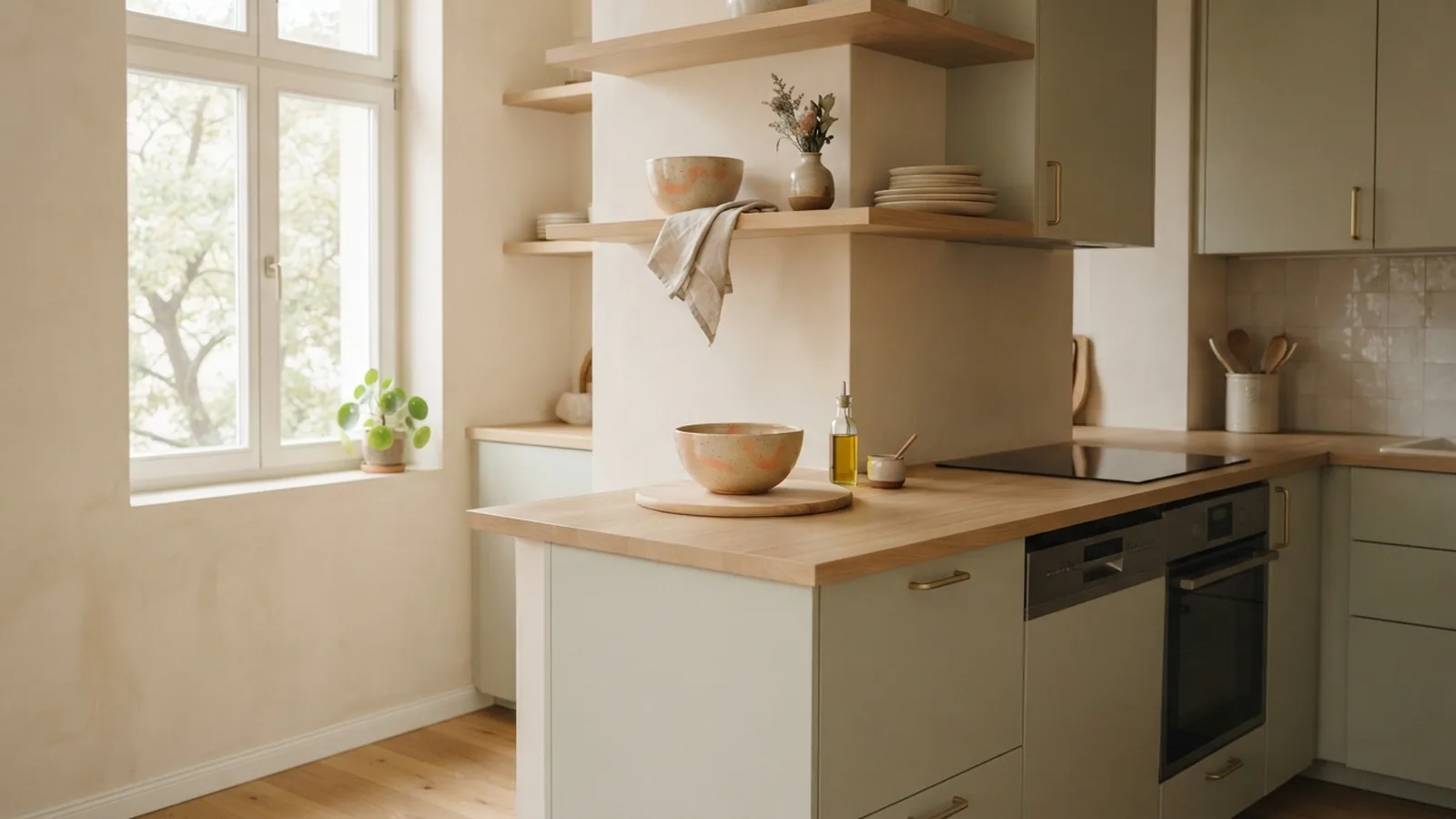
Painting cabinets can change the whole room without a costly kitchen renovation. It works well when doors are sound and the finish is in fair shape. Warm white, soft sage, and muted beige suit many kitchens. Test paint samples beside the floor and worktop before choosing a color.
Good prep matters more than a quick coat. Remove doors and hardware, then label each door so it returns to the right spot. Wash off grease and lightly sand the surface. Use primer made for the cabinet material.
Apply two thin coats of cabinet paint, and follow the maker’s drying times. Do not paint over peeling finish or loose veneer. Repair damaged spots first, or the paint may not hold. Let doors cure fully before you hang them again.
Satin and semi-gloss finishes are easier to wipe than flat paint. If a full paint job feels too large, paint only the lower cabinets or an island. Updating old cabinetry in stages can still make the room feel more cared for. A sample door helps you check the color in morning and evening light.
Small details can make painted cabinets look more finished. Clean the edges and hardware holes before you start. Use painter’s tape to protect nearby walls and worktops. Set doors flat while they dry to reduce drips.
Make the room brighter with better lighting
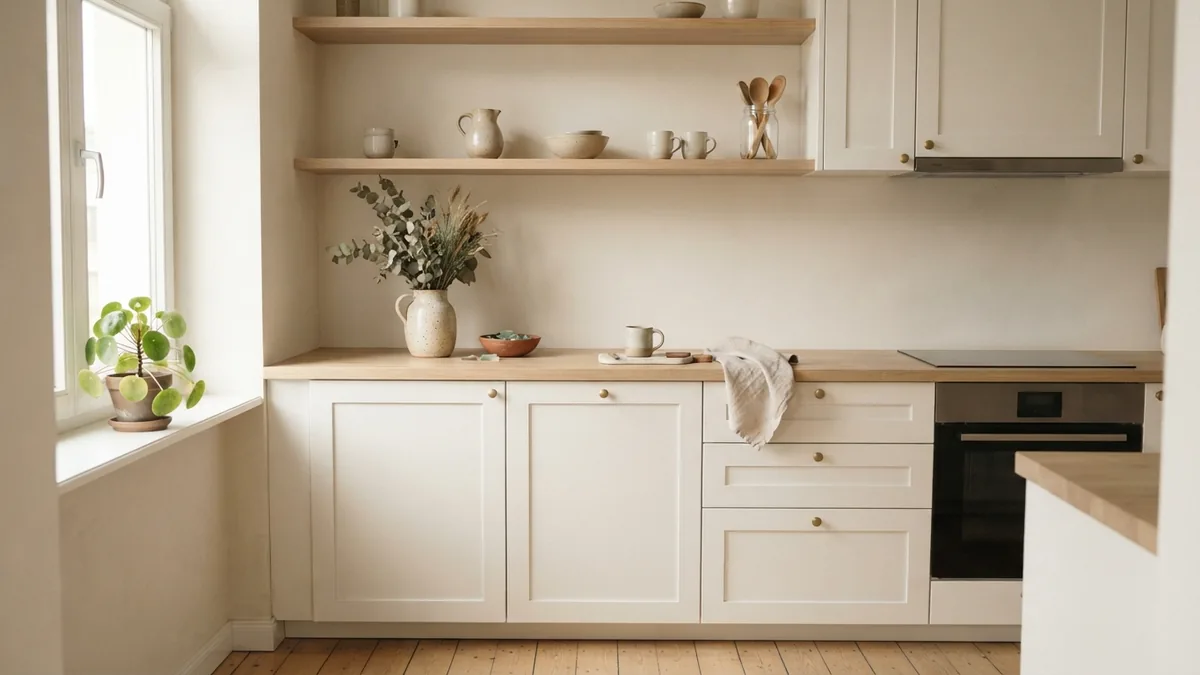
Many older kitchens rely on one ceiling light. That can leave shadows over counters and sinks. Improving kitchen lighting starts with placing light where you work. Add a source near the prep area, sink, and stove.
Check the bulb limits on your existing fixtures before buying replacements. Warm white bulbs around 2700 to 3000 kelvin create a cozy feel. A neutral white near 3000 to 3500 kelvin can suit a busy prep area. Similar bulb colors help nearby lights feel even.
Under-cabinet lights brighten the worktop without taking up counter space. Plug-in strips can be simpler to fit than hard-wired lights. For a new ceiling fixture, measure the room and check the fixture’s size. Ask a qualified electrician if wiring work is needed.
Think about glare as well as brightness. Aim light at work surfaces, not into your eyes. Keep the window sill clear and use a light curtain for privacy. Daylight helps a small kitchen feel more open.
Modern lighting solutions do not need to look stark or costly. Choose a simple shade in a warm finish that suits your cabinets. Before you buy, check whether the fixture casts light across the whole room. Good light makes daily tasks easier.
Refresh cabinet hardware and fixtures
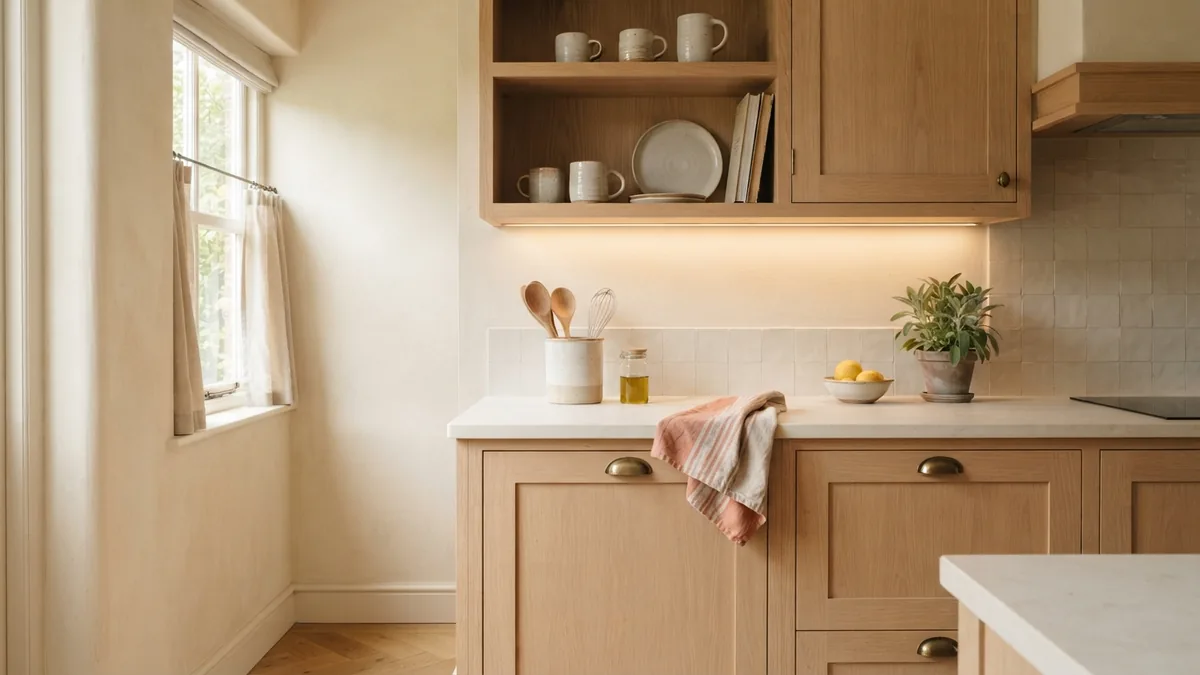
New handles can give old cabinets a cleaner look in an afternoon. Measure the distance between screw holes before shopping. A same-size swap is often easiest. Different spacing may mean filling and painting old holes.
Choose hardware that suits the cabinet style and nearby finishes. Brushed brass, soft nickel, and dark bronze can all work. Keep the number of finishes small. Try one sample first, and check that it feels good in your hand.
Small fixture changes can lift the room, too. A new tap or ceiling shade can make a clear difference. Check the fitting type and size before ordering. Keep old parts until the new ones are installed and working.
- Count every knob and pull before you shop.
- Measure screw-hole spacing from center to center.
- Clean doors and drawers before fitting new hardware.
- Tighten loose hinges and adjust doors that sit unevenly.
Hardware is a useful first project if you want quick kitchen refresh tips. It costs less than replacing doors and takes little time. A small change can tie fresh paint and lighting together.
Add budget-friendly decor with a personal touch
Decor can make the kitchen feel finished without filling every surface. Hang a small piece of wall art where it will not get splashed. Choose a washable curtain that lets daylight in. These simple DIY home decor choices add warmth without major work.
Use open shelves with care. Display a few bowls, mugs, or jars that you reach for often. Leave space between items so the shelf does not look crowded. A small plant can add color if the spot gets enough light.
Bring in texture with a linen tea towel, a woven basket, or a wood tray. Keep colors tied to the cabinets and worktop. Repeating one accent color in two or three places helps the room feel planned. Avoid buying a full matching set just to fill empty space.
If the walls feel plain, consider a narrow shelf or a simple rail for daily tools. Check the wall before drilling, and use fixings suited to its material. Crown molding can add detail above cabinets, but it takes careful measuring and fitting. Skip it if the cost or effort outweighs the change.
Work through updates in a sensible order: clean, repair, paint, light, then decorate. This keeps new decor safe from dust and paint marks. Keep a small reserve for fixes that appear during the work. The best approach to how to decorate old kitchen spaces is to improve what you already use.
Frequently asked questions
- How can I decorate an old kitchen without remodeling?
- Paint sound cabinets, improve task lighting, and replace dated handles. Add a washable curtain or a small piece of wall art for a personal touch.
- What paint colors work well in an old kitchen?
- Warm white, soft sage, and muted beige suit many older kitchens. Test samples beside your floor and worktop before you choose.
- How can I update old kitchen cabinets on a budget?
- Clean and repair the doors, then paint them with a suitable primer and cabinet paint. Replacing knobs and pulls can add a fresh look for less.
- What lighting helps an older kitchen feel brighter?
- Use task lights near the sink and prep area, then choose a ceiling fixture that spreads light across the room. Matching bulb color helps the lighting feel even.
- What are quick decor changes for an old kitchen?
- Try a new curtain, simple wall art, or a small plant. Clear the counters first, then add only items you enjoy or use.
Related reading
Kitchen Cabinet Finishes — A Balance of Beauty and Wear
Compare cabinet, wall, and bathroom paint finishes for a kitchen that lasts.
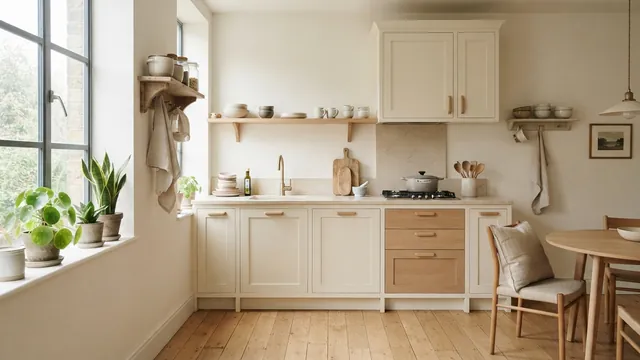
Small Kitchen Design — Light, Space and Smart Storage
Use light, smart storage, and slim furnishings to make a small kitchen feel more open.
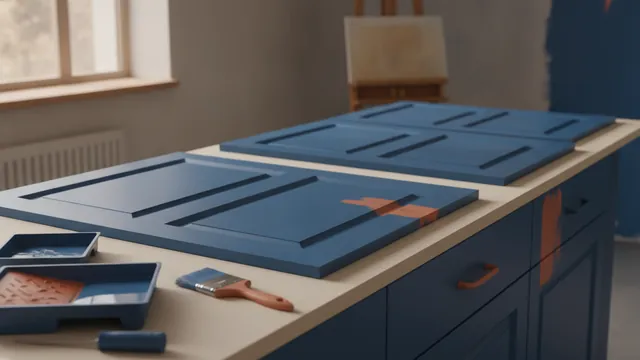
Best Paint for Kitchen Cabinets — Finish, Durability, and Cost
Choose the right cabinet paint, prep well, and get a finish that lasts.