What Paint to Use in Bedroom Walls: Finishes, Colors, and Tips
Pick the right bedroom paint finish and color. Here are the best sheen types and mood-setting shades.
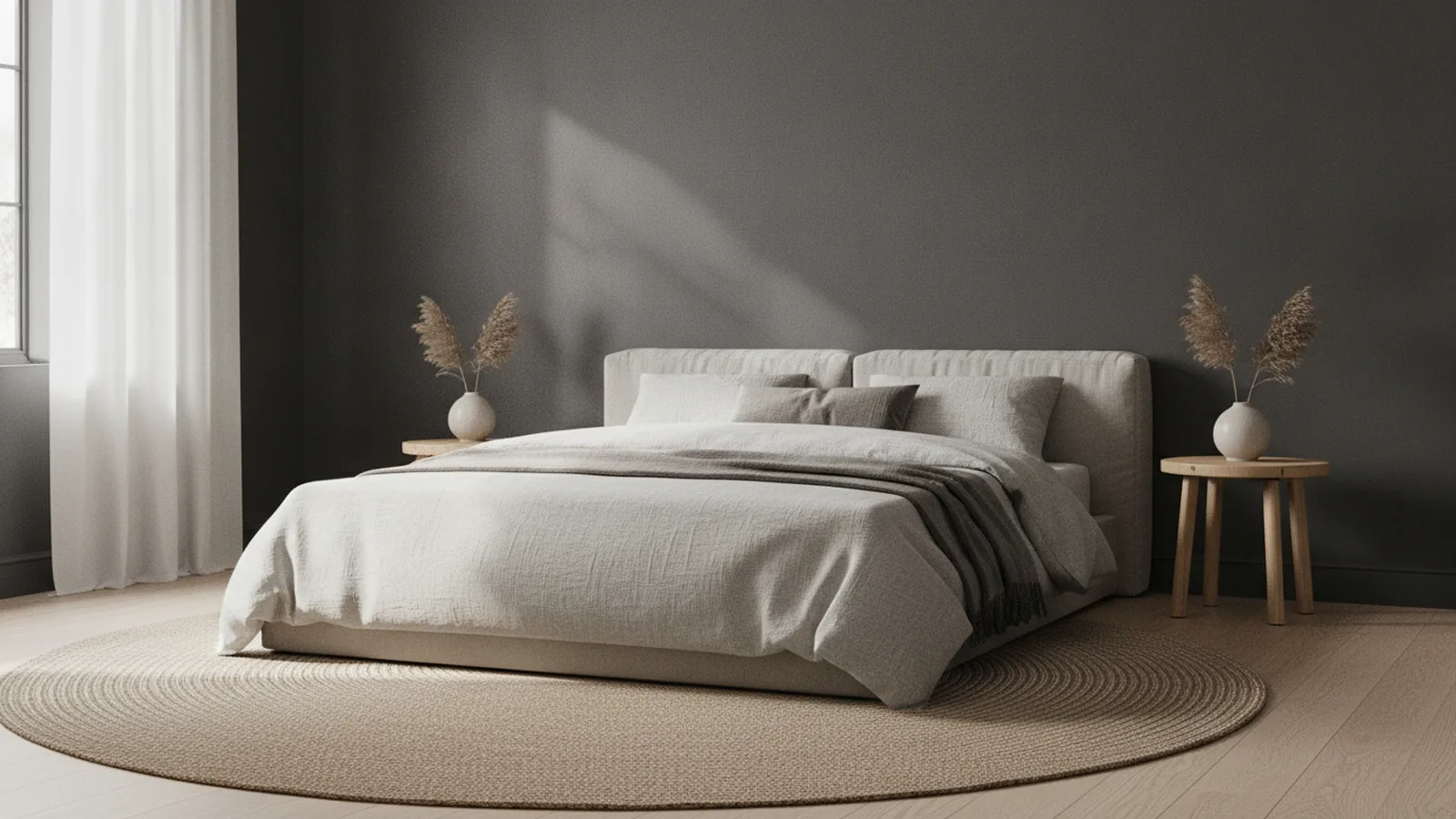
Understanding paint finishes (and why sheen matters)
If you want the right answer fast: choose eggshell for most adult bedrooms. It has a low sheen, it feels soft on the eyes, and it cleans better than flat paint. For kids’ rooms or any wall that gets touched often, satin is usually the safer bet. If the space is very high traffic, semi-gloss or high gloss can work, but they show every bump and patch.
Paint finish is measured by sheen levels. Flat has almost no shine, while gloss finishes reflect more light. That reflection is the tradeoff: it can make colors look crisp, but it also makes uneven drywall and previous repairs stand out.
Below are the paint finish types you’ll most often see for bedroom walls. Use this as your “what paint to use on bedroom walls” starting point, then match it to your wall condition and how the room gets used.
- Flat: hides flaws well, but stains and scuffs are harder to clean
- Eggshell: low sheen, good balance of look and cleanability
- Satin: smooth and wipeable, better for kids’ rooms and moisture-prone areas
- Semi-gloss: higher shine, tough and easy to clean, but reveals imperfections
- High gloss: very shiny and durable, best for accents, trim, or very specific cases
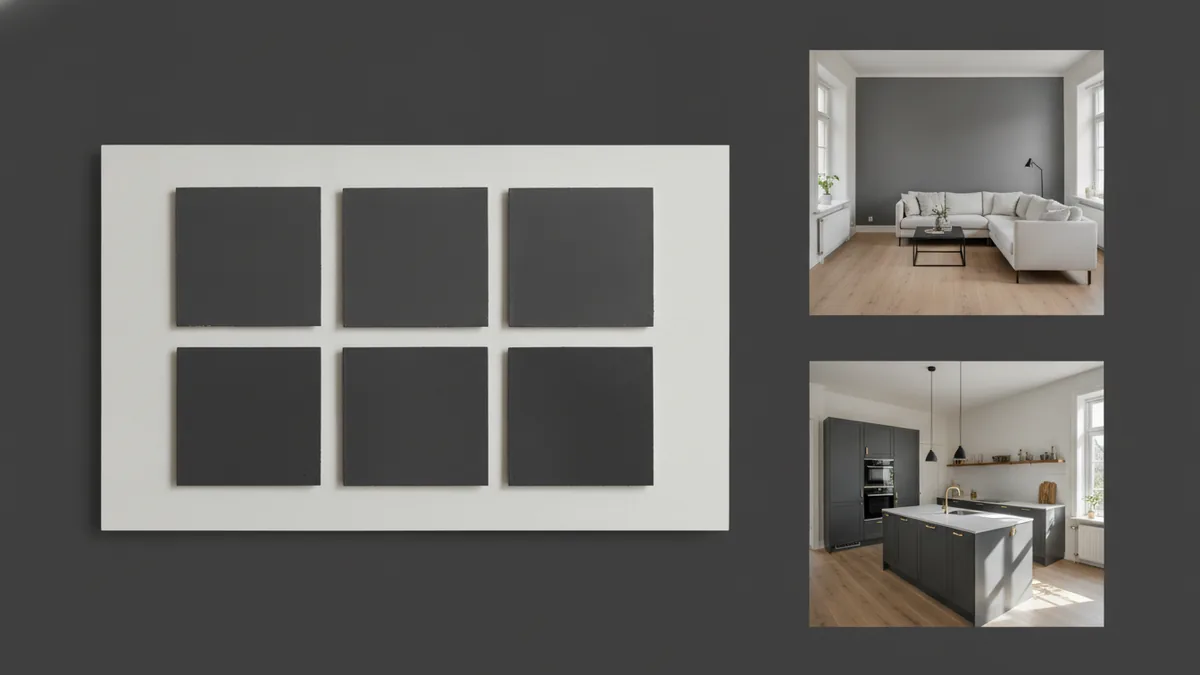
Best paint types for bedrooms (by room use and wall condition)
When people ask what paint to use in bedroom, they’re usually asking two things: the best finish and the best kind of paint for the surface. In most homes, the easiest path is water-based interior wall paint with a finish matched to wear level. You still need to consider how smooth your walls are, how often you’ll clean, and whether the room gets moisture.
If your walls have small dents, patchwork, or uneven texture, start by choosing a matte-leaning option. Flat paint is excellent at hiding imperfections, which is why it’s often chosen for older drywall. The downside is practical: low-sheen finishes can be difficult to scrub without leaving marks, especially near doorways and baseboards.
For a typical adult bedroom, eggshell is the most common “set it and forget it” pick. It keeps the room looking warm and not overly shiny. It also holds up better to everyday life than flat, like hand smudges, vacuum dust scuffs, and light spot cleaning.
For kids’ bedrooms and spaces with higher touch frequency, satin is one of the best answers to what type of paint to use on bedroom walls. Satin’s easy-clean properties let you wipe off fingerprints and occasional messes. If you have areas near bathrooms, laundry rooms, or any wall that sees more humidity, satin often performs better than eggshell because it tolerates cleaning.
For very high traffic areas, semi-gloss and high gloss shine through. They’re ideal when you expect frequent wiping, like in homes with pets or active households. Just remember: higher gloss reflects light and highlights every ripple, so preparation matters. If your walls are not already smooth, you may need more patching and sanding before choosing gloss.
- Low traffic + wall flaws: flat
- Most adult bedrooms: eggshell
- Kids’ rooms + wipe needs: satin
- High traffic + heavy cleaning: semi-gloss
- Accents or trim: high gloss (rare for whole walls)
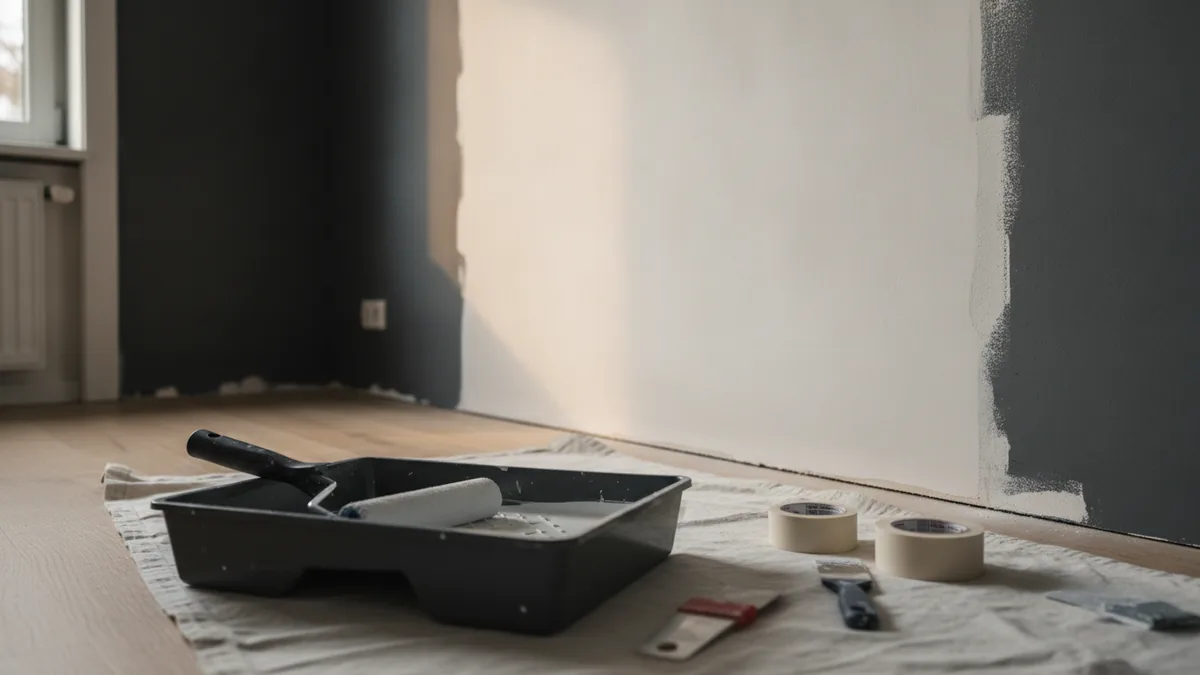
Popular bedroom colors (and the mood they create)
Finish is only half the story. Color sets the bedroom ambiance, and color psychology can help you get the mood you want. Warm colors often feel cozy and inviting, while cool colors tend to feel calm and restorative. The same shade can read differently depending on daylight, wall depth, and the sheen level you choose.
Here are color directions that reliably work in bedrooms. Think of them as color recommendations for bedrooms rather than strict rules. If you like a bold look, you can still get a calming effect by using saturation carefully.
- Warm neutrals: cream, beige, and warm greige feel soft and welcoming
- Earth tones: terracotta, clay, and muted browns add warmth without feeling loud
- Cool greens: sage and muted olive can feel restful and grounded
- Cool blues: soft blue tones often feel calming, especially at night
- Soft greys: light greys can feel modern, but choose warmer greys for a friendlier vibe
- Light pastels: pale blush or powder tones can feel airy and gentle
Also consider light vs. dark colors in bedrooms. Dark paint looks rich, but it can make a small room feel tighter. Lighter colors tend to reflect more light and keep the space open, which is why many people choose them when they ask what paint to use in bedroom walls for a smaller space.
Practical tip: view samples in the room at the same times you’ll notice the light most. Morning light can shift a warm shade toward yellow. Evening light can make a cool color feel deeper. Testing avoids surprises.
Choosing the right sheen level for your daily life
Sheen levels decide how your walls look under lamps and daylight. They also decide how much cleaning you can do without visible streaks. When choosing sheen, think about where marks happen: near doors, along beds, around switches, and around baseboards. Those zones usually need more cleanability than the rest of the wall.
Flat paint is best when you’re trying to hide texture and you won’t scrub often. If your bedroom is quiet and you repaint every few years, flat can look beautiful. If you have kids, pets, or lots of traffic, flat often becomes frustrating because scuffs can remain even after gentle wiping.
Eggshell offers a balanced sheen level. It typically gives the look of a matte wall while improving resistance to everyday scuffs. For many homeowners, it’s the best match for an adult bedroom because it stays attractive and still handles normal cleaning.
Satin is a common choice for moisture-prone areas and for walls that need frequent wiping. It works well in kids’ rooms because it can handle repeated clean passes. It also suits spaces where humidity can creep in, as long as you control ventilation.
For gloss finishes, you get durability and the easiest wipe-down. The tradeoff is that gloss highlights every flaw. If your walls are slightly uneven, you’ll see it more in semi-gloss and high gloss.
| Finish | Best use | What to watch |
|---|---|---|
| Flat | Hiding wall flaws, low wear rooms | Harder to clean; scuffs can show |
| Eggshell | Adult bedrooms, moderate wear | Not ideal for heavy scrubbing |
| Satin | Kids’ rooms, wipeable walls | Shows some imperfections |
| Semi-gloss | High traffic, heavy cleaning | More reflective; prep matters |
| High gloss | Trim, accents, special cases | Reveals every surface issue |
Tips for painting bedroom walls (so the finish stays looking good)
Good results come from prep and smart application. Even if you pick the right paint type and paint finish types, rushed prep can ruin the final look. Start with clean walls and fix flaws before you paint. Patch, dry, and sand until the surface feels consistent by hand.
Next, prime when needed. If you’re painting over stains, heavy repairs, or a drastic color change, primer helps the topcoat look even. Without primer, you can get blotchy coverage or color that looks uneven in different lighting.
Use proper tools and keep your coats even. A high-quality roller helps you apply uniform coverage without streaking. Cut in edges cleanly with a brush, then roll the same area while it’s still wet for smoother blending. Most bedroom projects look best with two coats for solid, even color.
Finally, match cleaning expectations to sheen. Satin and eggshell are usually easier to maintain than flat. If you plan to wipe walls often, plan on satin or semi-gloss, and test cleaning on a hidden spot first. That way, you protect the look of your bedroom ambiance over time.
- Fix and sand: make repairs flush so higher sheen won’t show bumps.
- Prime as needed: block stains and ensure even color coverage.
- Roll consistently: keep a wet edge to avoid lap marks.
- Let it cure: wait before heavy cleaning so paint can harden.
- Test samples: check colors at morning and evening light.
If you’re deciding what paint to use in bedroom walls and you want one simple recommendation: choose eggshell for most adult rooms, satin for kids and higher wipe needs, and step up to semi-gloss only if your walls are smooth and you truly need frequent cleaning. Pair that with lighter colors if the room feels small, and use warm or cool tones to steer the mood.
Frequently asked questions
- What type of paint is best for bedroom walls?
- For most bedrooms, use an interior wall paint in eggshell finish. It balances a soft look with practical cleanability for daily life.
- Should I use flat or eggshell paint in a bedroom?
- Choose flat if you need to hide wall imperfections and you won’t scrub often. Choose eggshell if you want easier spot cleaning while keeping low shine.
- What paint finish should I use for a kids’ bedroom?
- Use satin for better wipeability and easier cleanup. It handles fingerprints and small messes better than flat or eggshell.
- Do gloss paints make bedroom walls look better?
- Gloss can look crisp and clean, but it highlights dents and patch lines. It’s best when walls are smooth and you truly need frequent cleaning.
- What bedroom colors make a room feel cozy or calm?
- Warm colors like creams and warm greiges feel cozy. Cool colors like soft blues and sage greens feel calming.
- What’s the best way to choose between light and dark bedroom colors?
- Use lighter colors to make small bedrooms appear larger. Choose darker colors only if the room gets enough daylight and you want a richer mood.
Related reading
Kitchen Cabinet Tops — Style, Texture and Seasonal Charm
Style cabinet tops with balanced layers, useful texture, and decor that suits your kitchen.
Couch Placement—Flow, Focus and Comfort
Place your couch to frame a focal point, keep paths clear, and make the room feel balanced.
Master Bedroom — Color, Comfort and Personal Style
Build a calm, personal bedroom with smart choices and a budget that works.