Choosing Paint and Color for Kitchen Cabinets
Find durable cabinet paint and calm colors for every room.
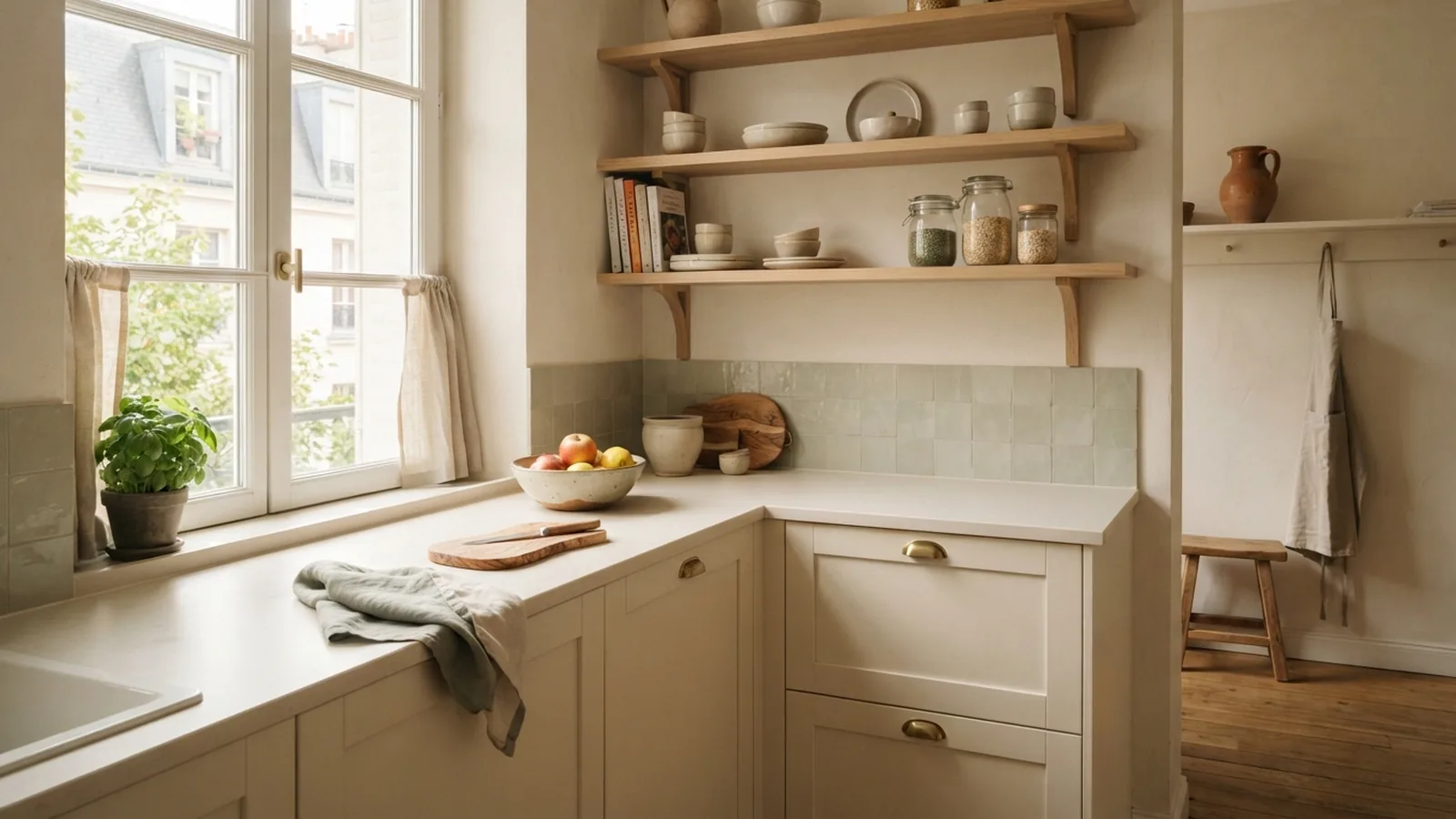
Why the Right Cabinet Paint Matters
If you ask, “what is a good paint for kitchen cabinets,” start with wear and clean-up. Kitchen doors face grease, steam, hand oils, food spills, and knocks. A weak coating may chip at the edges within months.
The best paint for kitchen cabinets forms a hard film after it cures. It should also flow across flat doors and trim. Self-leveling paint can reduce brush marks and roller texture.
Finish quality shapes the whole kitchen. Satin gives a soft glow and hides small flaws. Semi-gloss reflects more light and cleans with ease. Gloss looks bright, but it can show every dent and mark.
- Durability: Pick paint that resists chips, stains, and scrubbing.
- Flow: Look for a smooth finish with low brush drag.
- Sheen: Satin and semi-gloss suit most cabinet projects.
- Cure time: Check the label before fitting doors and hardware.
Types of Paint That Work Well on Kitchen Cabinets
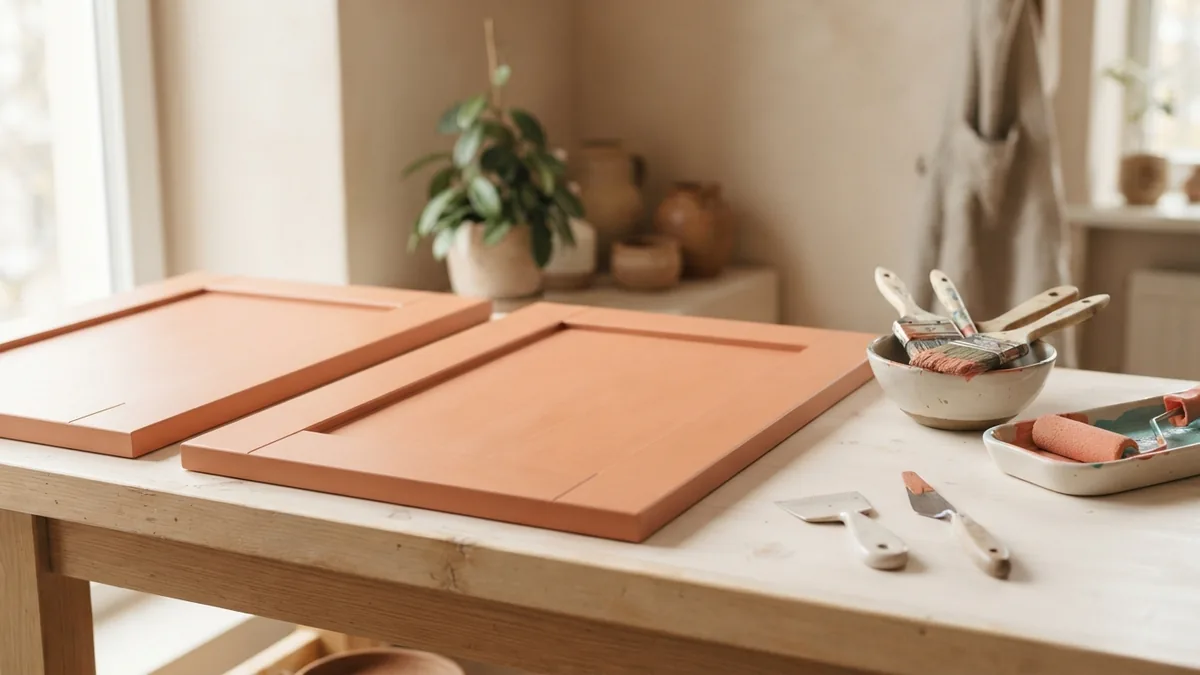
Several paint types can work on cabinets. Your choice depends on the wood, the old finish, and your tools. Read the label before you buy. Some products need a matching primer or a long cure time.
Acrylic paint
Acrylic paint uses water as its main carrier. It dries fast and cleans up with soap and water. It also gives off less odor than oil paint.
Modern acrylic cabinet paint can form a tough finish after full cure. It suits homes where the kitchen must return to use soon. Give it time before heavy cleaning or hard use.
Waterborne acrylic-alkyd paint
Waterborne acrylic-alkyd paint blends water-based clean-up with strong flow. It can settle well across doors and trim. Many painters choose it for a smooth, firm finish.
This type often gives the best mix of ease and strength. It may cost more than basic acrylic. The added cost can make sense for a large kitchen with daily use.
Oil-based paint
Oil-based paint has a hard finish and good leveling. Its long dry time lets the coating settle before it sets. That same trait can slow the whole job.
Oil paint has a strong smell and needs solvent for clean-up. It may also yellow over time in low light. Use it only when you can provide fresh air and longer wait times.
| Paint type | Main strengths | Watch for |
|---|---|---|
| Acrylic | Low odor, fast dry time, easy clean-up | Some formulas feel soft before cure |
| Waterborne acrylic-alkyd | Hard film, smooth flow, good cabinet use | Higher cost and longer cure |
| Oil-based | Strong finish and good leveling | Odor, solvent clean-up, slow dry time |
Cabinet Paint Brands Worth Considering
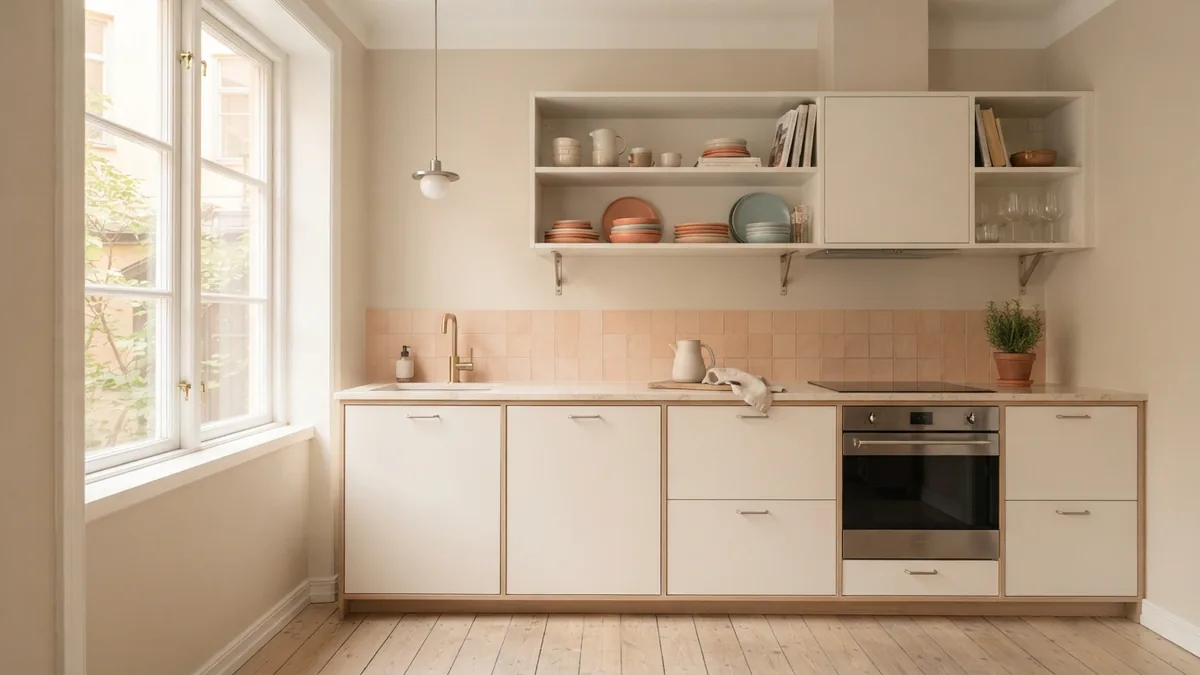
Brand names can narrow your search, but the exact product matters most. Each company sells more than one paint line. Pick a coating made for cabinets, doors, or trim.
Check the sheen, dry time, cure time, and prep rules. The label may call for a certain primer. It may also limit use on some wood types.
Benjamin Moore
Benjamin Moore, often called Ben Moore, offers cabinet and trim coatings. Advance is known for smooth flow and a firm finish after cure. It can help limit brush marks on broad door faces.
The brand offers many colors and sheens. That range suits white, cream, muted green, and deep neutral cabinets. The paint may take time to harden. Plan around that wait.
C2 Paint
C2 offers premium waterborne coatings for interior work. Some lines give rich color and smooth flow. They may suit a refined finish on broad cabinet faces.
Check the product sheet before use. Not every interior coating serves the same purpose. Ask for a trim or cabinet option. Confirm that it suits your primer.
PPG
PPG makes coatings used by home painters and trade pros. Its cabinet-friendly lines can offer good wear resistance and smooth coverage. Product names and stock may vary by region.
A local paint shop can help match the right PPG line to your job. Bring a sample of the old finish when you can. That small step can prevent a poor primer match.
How to Choose Paint Color for Each Room
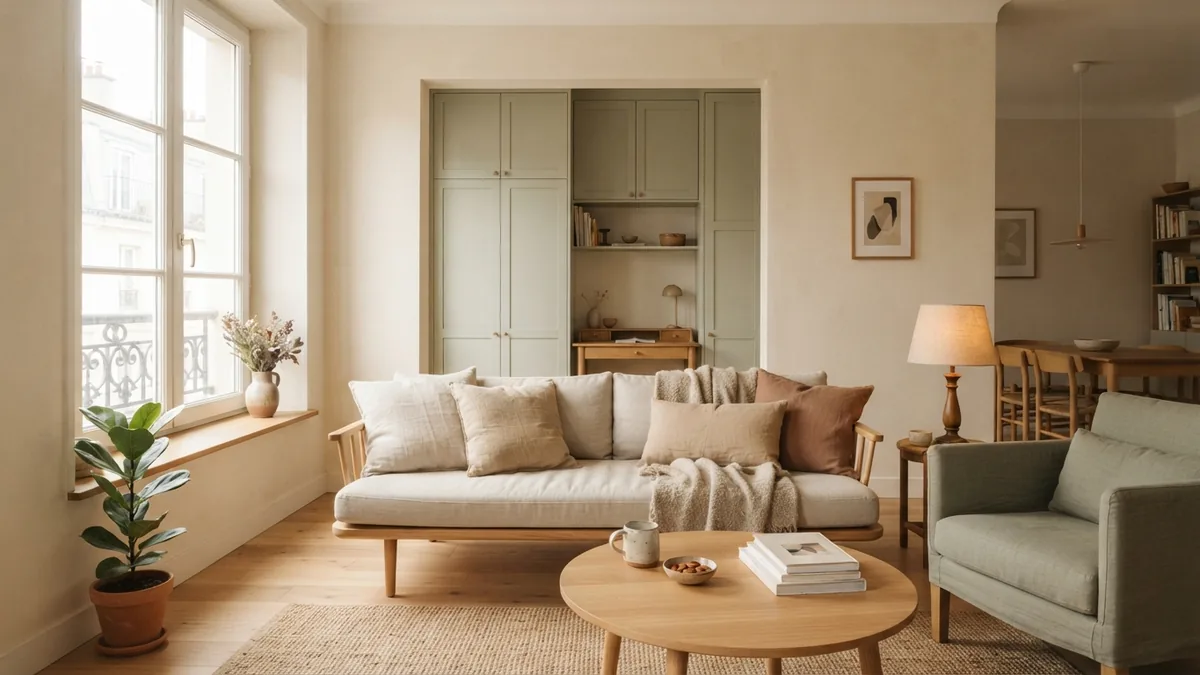
Paint type protects the cabinets, but color sets the mood. Test samples beside your floor, worktop, and metal finish. Daylight can change a color from warm to cool.
If you ask, “what are good paint colors for a kitchen,” start with the fixed finishes. Soft cream, warm white, pale sage, and muted clay work well with pale oak. Deep green or warm charcoal can add contrast on a large island.
For the question, “what is a good paint color for a kitchen,” the safest answer is a shade that suits the light. Warm whites work in dim kitchens. Soft sage can calm a bright kitchen. Always test a large sample first.
Bedroom colors
People often ask, “what is a good paint color for a bedroom.” Soft beige, dusty peach, pale sage, and warm off-white can create a calm setting. Avoid strong contrast if you want the space to feel restful.
Living room colors
For “what is a good paint color for a living room,” consider the light and the furniture. Oat, warm cream, pale plaster, and soft terracotta can add depth without feeling loud. A muted color also leaves room for art and wood tones.
Small bathroom colors
If you wonder, “what is a good paint color for a small bathroom,” use a light shade with a warm base. Cream, pale beige, and soft sage can make the room feel open. Use a moisture-ready wall coating in this space.
Factors to Check Before Buying Paint
Start with the cabinet surface. Bare wood, painted wood, laminate, and stained wood need different prep. A bonding primer can help paint grip slick surfaces.
Next, check the finish you want. Satin hides small flaws better than semi-gloss. Semi-gloss gives more protection near sinks and cooktops. Both can work well when the surface is smooth.
Think about your work space, too. Doors need a flat place to dry. Dust, pet hair, and damp air can mark a wet finish. Keep the area clean and let each coat dry on its own schedule.
- Check if the paint needs primer.
- Confirm the paint suits wood, laminate, or old finish.
- Compare dry time with full cure time.
- Buy enough paint for two thin coats.
- Test the color under morning and evening light.
Application Tips for a Smooth Cabinet Finish
Good prep often matters more than the brand. Remove doors, drawers, and hardware before you start. Mark each piece on its hidden side so it returns to the right place.
- Clean the surface. Remove grease with a suitable cleaner. Rinse away any cleaner film and let the wood dry.
- Sand the surface. Scuff glossy areas with fine sandpaper. Wipe away all dust before priming.
- Prime the cabinets. Use a primer made for the surface. Let it dry, then sand away rough spots.
- Apply thin coats. Use a fine roller or quality brush. Do not load the tool with too much paint.
- Let the paint cure. Follow the label before closing doors or fitting hardware. Full cure can take much longer than dry time.
Paint the back of each door first if you need more control. Keep a wet edge as you move across each panel. Self-leveling paint works best when you avoid over-brushing.
Inspect the finish in side light before the final coat. Fix runs after the paint dries. Refit the hardware only when the coating feels firm.
The best choice balances wear, flow, cure time, and color. A durable paint for cabinetry can last for years with careful prep. Choose the product for the surface, not just the label.
Step-by-step
- 01 Clean the cabinet surfaces
Remove grease and dirt with a suitable cleaner. Rinse away residue, then let every part dry.
- 02 Sand the old finish
Scuff glossy areas with fine sandpaper. Remove all dust before you apply primer.
- 03 Prime the cabinets
Use a primer that suits the wood, laminate, or old finish. Let it dry, then smooth rough spots.
- 04 Apply thin paint coats
Use a fine roller or quality brush. Apply thin coats and avoid over-brushing self-leveling paint.
- 05 Allow full cure
Follow the product label before refitting hardware. Wait longer than the stated dry time when needed.
Frequently asked questions
- What is a good paint for kitchen cabinets?
- A high-quality acrylic or waterborne acrylic-alkyd paint works well for most cabinets. Choose a product made for cabinets, doors, or trim.
- What finish is best for kitchen cabinets?
- Satin gives a softer look and hides small flaws. Semi-gloss adds more shine and makes cleaning easier.
- Do kitchen cabinets need primer before painting?
- Most cabinets need primer after cleaning and sanding. Slick laminate and stained wood need a bonding primer made for that surface.
- What are good paint colors for a kitchen?
- Warm white, cream, pale sage, and muted clay work well in many kitchens. Test each shade beside the floor and worktop first.
- How long should painted cabinets cure?
- Dry time and cure time differ. Follow the label, and avoid hard cleaning or forceful use until the paint feels firm.
Related reading
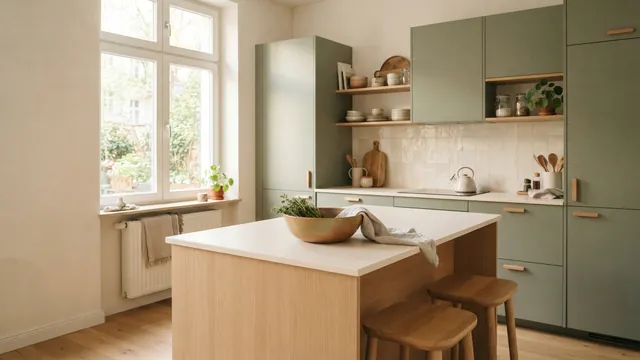
How to Get a Smooth Finish When Painting Kitchen Cabinets
Get smooth, durable cabinet paint with better prep, tools, and drying times.
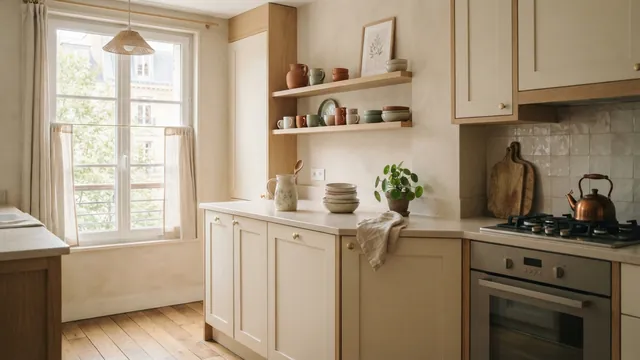
Choosing Paint for Kitchen Cabinets, Cupboards, and More
Choose the right paint, prep well, and get a smooth cabinet finish.
Couch Placement — Comfort, Flow, and Style
Arrange couches for easy movement, good conversation, and a balanced room.