The Best Paint Colors for Every Room in Your Home
Choose room colors that feel calm, bright, cozy, or bold.
How to Choose the Right Room Color
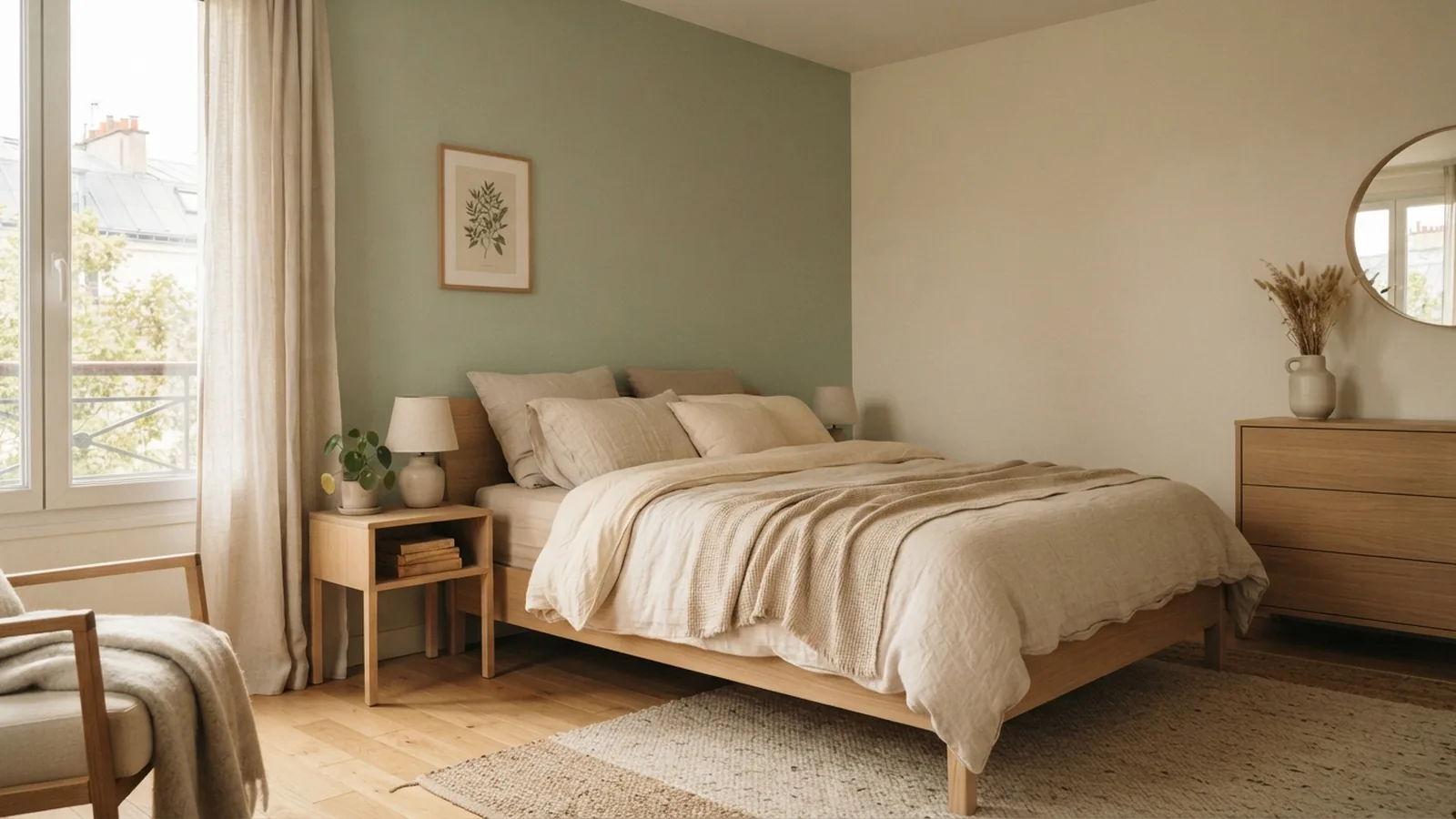
What are the best colors to paint your room? Start with the mood you want. Warm shades create comfort and energy. Cool shades bring calm and rest. Light neutrals make rooms feel open and airy.
Room use should guide your choice. A bedroom may need soft, quiet color. A living room can handle more warmth and contrast. A bathroom often benefits from clean, pale shades that work well with daylight.
Light changes every paint color. A north-facing room may make colors look cooler. A sunny room can make warm paint seem stronger. Check the room at several times before you decide.
Color saturation also matters. Saturation means how strong or pure a color looks. Soft, muted shades often feel calm. Deep shades create more drama and visual weight.
- Choose warm hues for comfort and a welcoming feel.
- Choose cool hues for rest and quiet.
- Use pale neutrals when you want more visual space.
- Use bold color on one wall or a small feature.
Best Paint Colors for Bedrooms
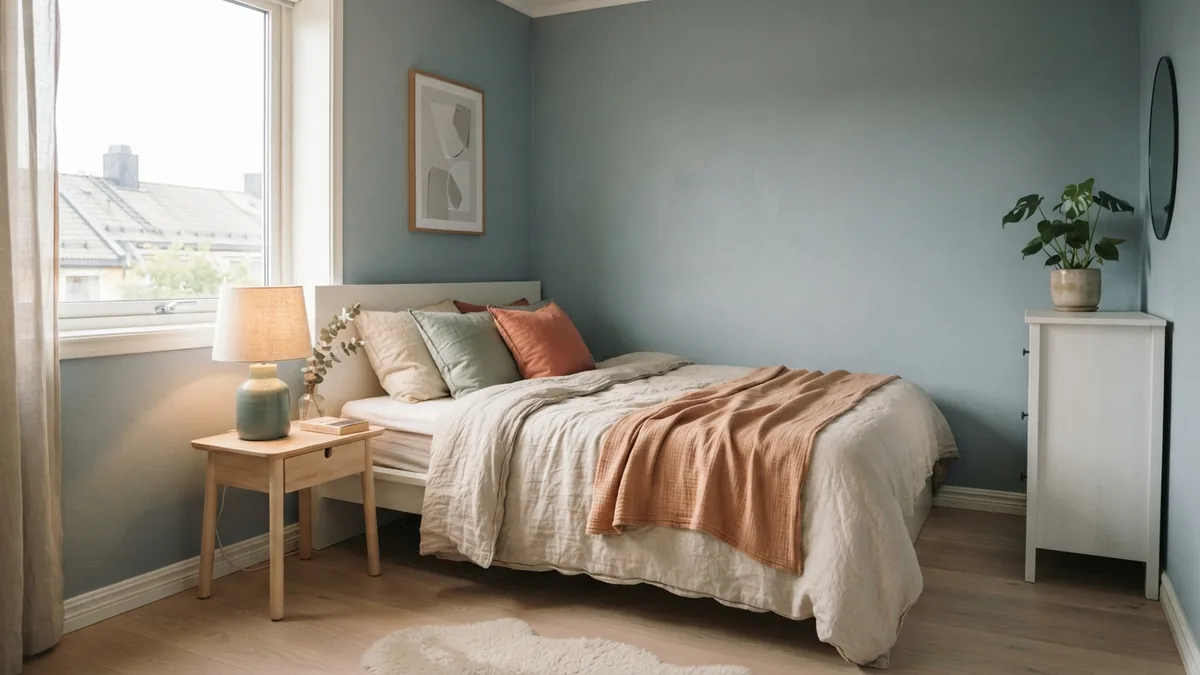
The best colors to paint a bedroom should support rest. Soft blues, muted greens, and gentle grays are strong choices. These cool colors can make the room feel calm and settled.
Warm colors can also work well in a bedroom. Soft yellow, dusty rose, warm peach, and muted red create a cozy atmosphere. Keep the shade soft rather than bright. Strong red may feel active instead of restful.
Warm white is useful when you want a bright bedroom. It feels softer than a stark white. Pair it with pale oak, linen, or cream bedding for a relaxed look.
Try a low-contrast scheme for a peaceful room. Use one main wall color with nearby shades on trim and fabric. This approach keeps the room calm without making it plain.
Bedroom color ideas by mood
| Desired mood | Paint direction | Good accent materials |
|---|---|---|
| Calm | Soft blue or pale sage | Linen and light wood |
| Cozy | Warm cream or muted terracotta | Wool and oak |
| Bright | Warm white or pale yellow | Cotton and rattan |
| Moody | Deep green or blue-gray | Brass and dark wood |
Living Room Colors That Set the Tone
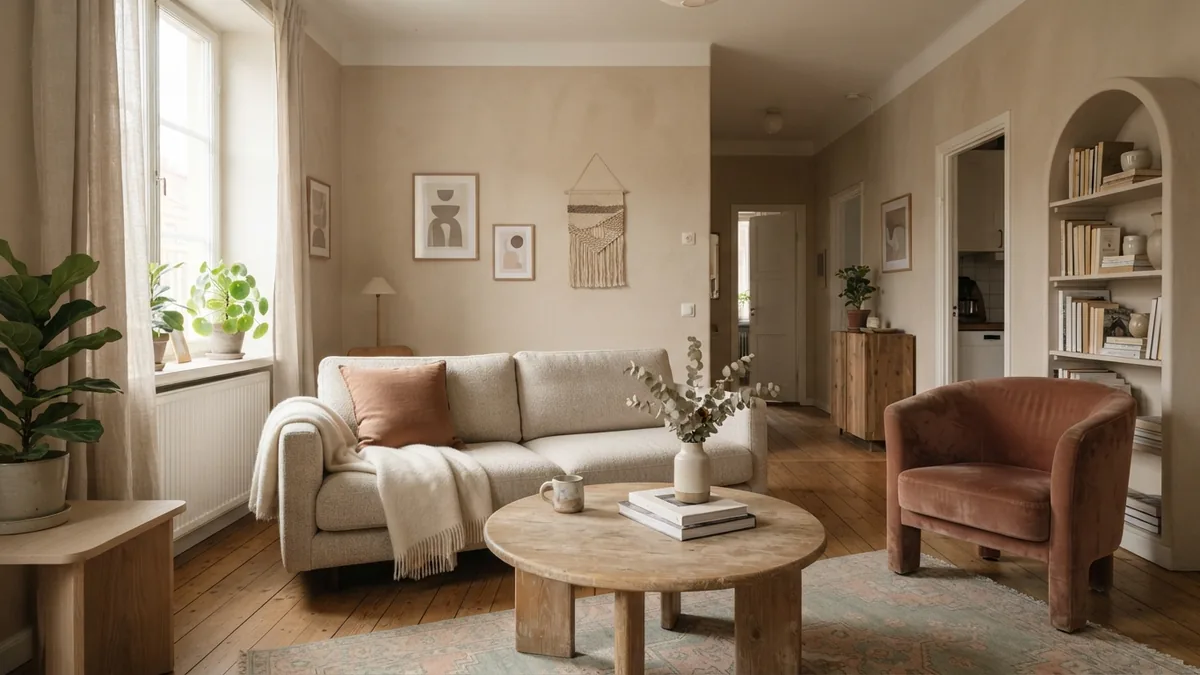
Living rooms need color that suits both daily life and guests. Warm beige, oat, soft taupe, and creamy white create a welcoming base. These shades pair well with wood, leather, woven fibers, and plants.
Soft green brings a natural feel without becoming too strong. Muted terracotta adds warmth to a pale room. Use either shade on one wall when you want more character.
Gray can work well, but choose its undertone with care. A warm gray feels softer than a blue-gray. Test it beside your floor, sofa, and curtains before painting all the walls.
Bold colors can create a dramatic effect in a small area. Try a deep green behind a bookcase or a rich clay shade in a reading nook. Keep the rest of the room simple so the color feels planned.
A living room does not need one flat block of color. Paint the walls first. Then add contrast through cushions, art, rugs, and wood tones. The result feels layered without looking busy.
Best Colors for Bathrooms
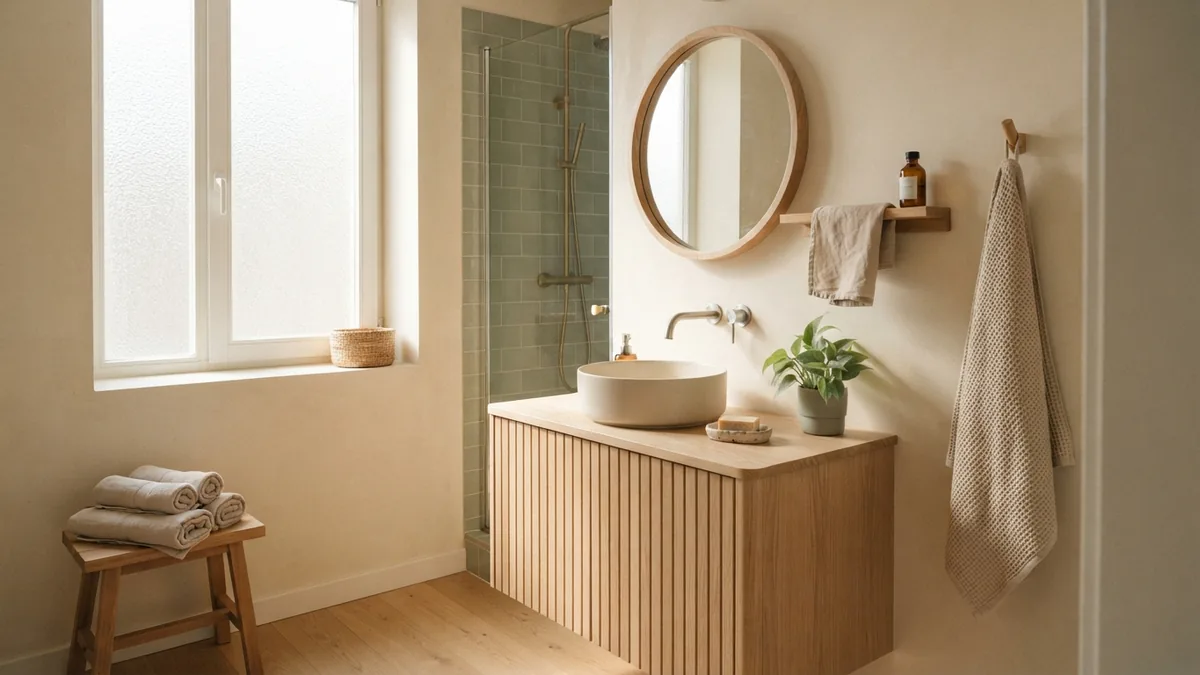
What are the best colors for a small bathroom? Pale white, warm cream, soft sage, and light blue are reliable choices. They reflect light and help the room feel fresh.
Use the same pale shade on walls and trim for a smooth look. This reduces hard visual breaks. It can make a small bathroom feel wider and more cohesive.
Warm neutrals suit bathrooms with wood cabinets or brass fittings. Pale peach and soft beige add warmth without making the room feel dark. Avoid very strong yellow in a room with little daylight.
Dark color can still work in a bathroom. Use it on the vanity wall or above wall trim. Keep the ceiling pale to preserve a sense of height.
Finish affects the final look. A washable satin finish suits damp rooms and is easy to clean. A matte finish can look softer, but check that the product fits bathroom use.
How Color Changes the Sense of Room Size
Light colors can make walls feel farther away. White, pale gray, cream, and soft sage reflect more light than deep shades. This helps small rooms feel larger and more open.
A monochromatic color scheme can make a small room feel cohesive. Use one color family across walls, trim, and key furnishings. Vary the lightness rather than adding many unrelated colors.
Color contrast changes how large a room feels. Strong contrast around doors and trim can highlight each edge. Low contrast makes those edges fade, which can create a smoother view.
Ceiling color also plays a role. A pale ceiling can make a low room feel taller. Painting the ceiling and walls in close shades can soften awkward shapes.
Dark paint is not limited to large rooms. It can make a narrow hall feel rich and focused. It works best when the space has clear lighting and a few simple furnishings.
Test Paint Before You Commit
Paint a sample before you buy several cans. A small card may not show how the color behaves across a wall. Use a board at least 30 by 30 centimeters instead.
Move the board around the room. Check it beside floors, cabinets, fabric, and trim. Look at it in morning light, afternoon light, and at night.
Give each sample two coats. Let the paint dry fully between coats. Wet paint often looks darker or glossier than the final surface.
- Pick two or three close shades.
- Paint each shade on a separate large board.
- Place the boards on different walls.
- Check them in changing natural and electric light.
- Live with the samples for at least two days.
Do not judge a color beside a bright white sample alone. That contrast can make every shade seem stronger. View it with the room’s real finishes and furnishings.
Keep your final choice simple. The right color should support the room’s use, light, and materials. A good sample test removes much of the guesswork.
Frequently asked questions
- What are the best colors to paint a bedroom?
- Soft blue, muted green, warm cream, and gentle gray work well. Soft yellow and muted red can add a cozy feel when used in low strength.
- What are the best colors for a small bathroom?
- Pale white, warm cream, soft sage, and light blue help reflect light. Using a close shade on walls and trim can make the room feel more open.
- Do light paint colors make a room look bigger?
- They often do. Pale colors reflect more light and create softer visual edges, which can make a room feel larger.
- Can dark paint work in a small room?
- Yes. Use it on one wall or a small feature, then keep the ceiling and nearby finishes light.
- How should I test a paint color at home?
- Paint two coats on a large board. Move it around the room and check it in morning, afternoon, and evening light.
- Are warm or cool colors better for bedrooms?
- Both can work. Cool colors support a calm mood, while soft warm colors create a cozy and inviting feel.
Related reading
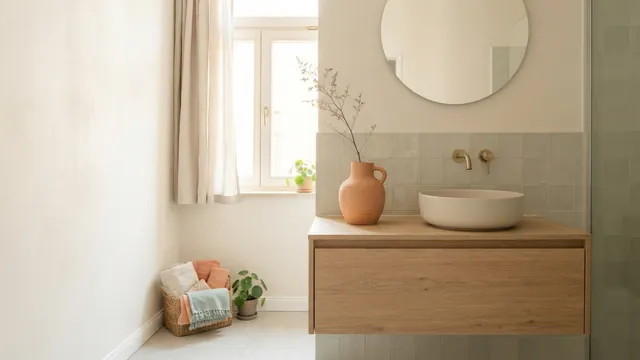
How to Choose Bathroom Colors for a Calm, Cohesive Space
Choose bathroom colors with confidence using simple design rules.
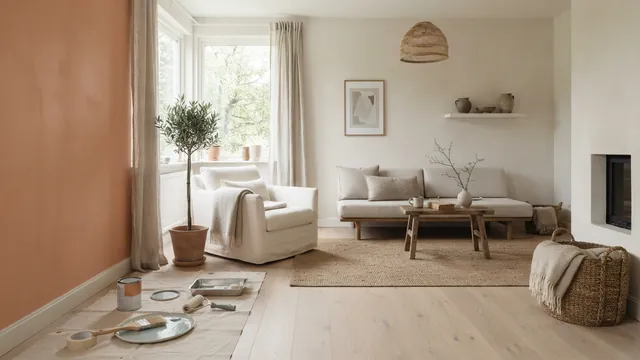
Room Painting Labor Costs — Rates and Budget Factors
See typical room-painting labor rates and learn what drives the final price.
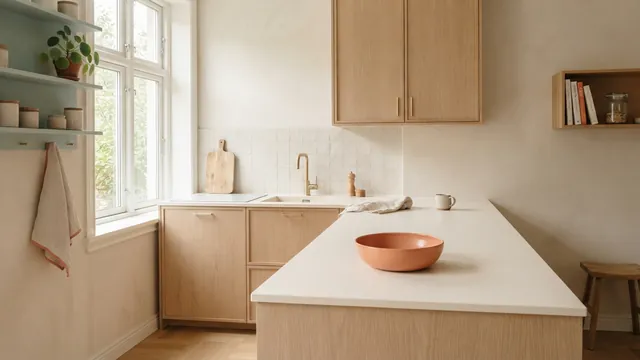
Kitchen Renovation Costs — Price Ranges and Budget Factors
See typical kitchen remodel prices, key cost drivers, and ways to keep your budget on track.