Decorating a Pink Room — Color, Texture and Warmth
Use balanced color, layered textures, and warm light to make a pink room feel personal.
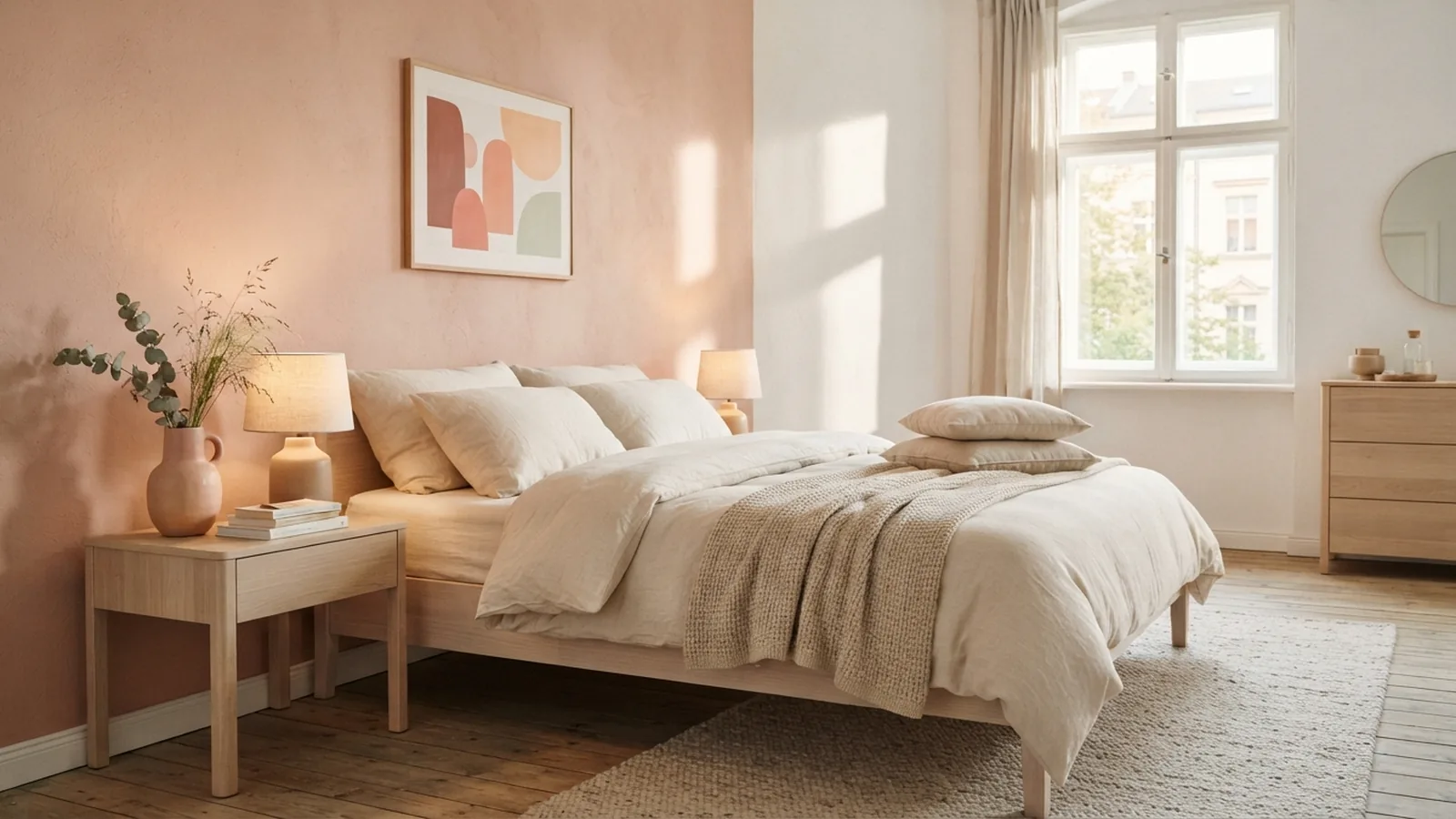
Build a pink palette that feels balanced
To decorate a pink room, choose one main shade, then add calm neutrals, varied textures, and warm light. Pale blush can make a small bedroom feel soft and open. Dusty rose brings more depth, while vivid pink works best in measured accents. Start with the room’s natural light and the mood you want.
Test paint or fabric samples at different times of day before you commit. A pink can look peachy in warm sun, then cooler under shaded light. Use a large sample on more than one wall, and view it beside your floor and trim. This simple check helps the whole palette feel joined up.
- Blush: pair it with warm white, pale oak, or soft sage.
- Dusty rose: add grey, muted green, or aged brass.
- Bright pink: balance it with cream and use it in small doses.
If you wonder what colors go with a blush pink bedroom, begin with white, light grey, sage, or pale blue. Gold and brass add warmth through small details, such as a lamp base or drawer pull. Keep the strongest color to one or two areas. That gives the eye a place to rest.
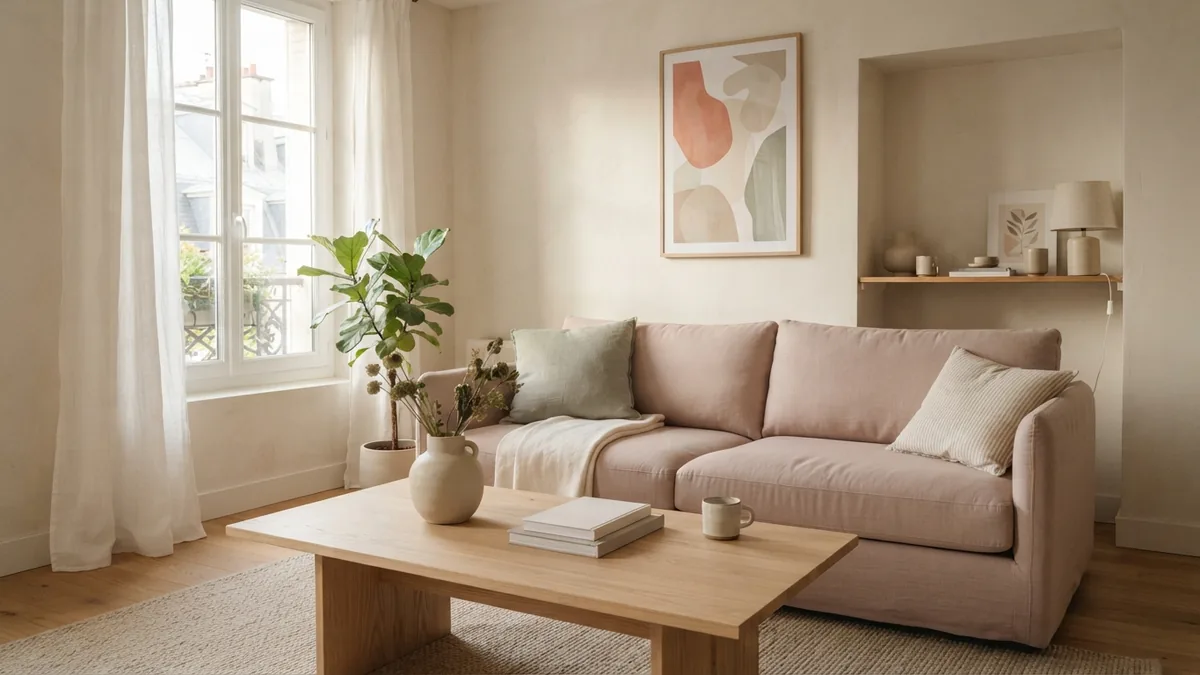
Choose furniture that grounds the room
Pink walls and fabrics feel more settled when furniture brings in a natural or neutral note. Pale wood suits soft pink and keeps a bedroom airy. White-painted pieces create a clean look, while a grey chair or oak dresser can add contrast. In a small room, choose furniture with slim legs to leave more floor visible.
For a pink bedroom, let the bed frame stay simple if the wall or bedding already has a strong hue. A natural wood headboard works with blush, rose, and coral shades. In a pink bathroom, use a wood stool or a small pale vanity to soften tile. Check that bathroom furniture is made for damp spaces.
Think about scale before buying accent pieces. A single upholstered chair can add texture without crowding a bedroom corner. In a bathroom, one compact stool may be more useful than several decorative objects. Keep paths clear and leave some surfaces open.
Layer textiles and accessories for depth
Textiles give pink rooms depth, especially when several finishes share a similar shade. Pair cotton sheets with a linen throw, or add velvet cushions to a plain sofa. Satin reflects more light, so use it in small touches if you want a gentle sheen. Mixing textures stops a room from feeling flat.
Keep the color mix tight rather than matching every item. Try blush bedding with a cream duvet, sage cushion, and pale blue vase. In a pink tile bathroom, bring in white towels and a natural bath mat to break up the hard surface. Washable fabrics and quick-drying mats are useful near sinks and showers.
- Use two or three fabric textures, not a new one on every surface.
- Repeat one accent color in at least two small items.
- Choose bathroom textiles that can handle regular washing.
Accessories can link the palette across the room. A pink ceramic vase, a small tray, or a cushion can echo a wall color without adding more paint. Choose objects with a clear purpose or a personal meaning. A few well-placed pieces look more thoughtful than a crowded shelf.
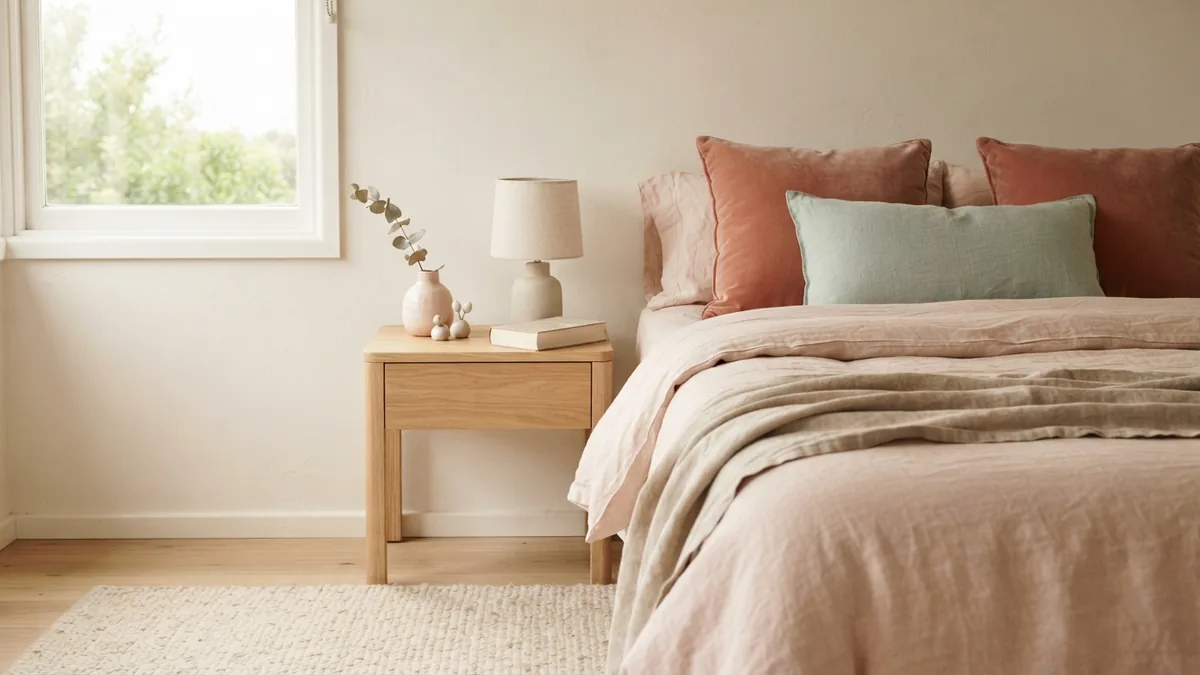
Use lighting to shape the pink tone
Light changes how pink looks, so plan for both daytime and evening use. A north-facing room may make pale pink seem cooler, while warm afternoon sun can bring out peach notes. Soft, diffused lamps create a calm feel in bedrooms and sitting areas. Use more focused light where you read, dress, or apply makeup.
In a bedroom, place a shaded lamp near the bed and add a second light for the room’s other side. In a bathroom, pair a ceiling light with clear task lighting near the mirror. Choose bulbs with a warm, natural color rather than a harsh blue cast. Check the bulb against your paint sample before buying several.
Lighting also affects pink tile. Glossy tile can bounce light around, while matte tile tends to look softer. If the bathroom feels too bright, use a fabric shade outside wet zones or add a warm-toned wood detail. Keep all lights suitable for their location, especially near water.
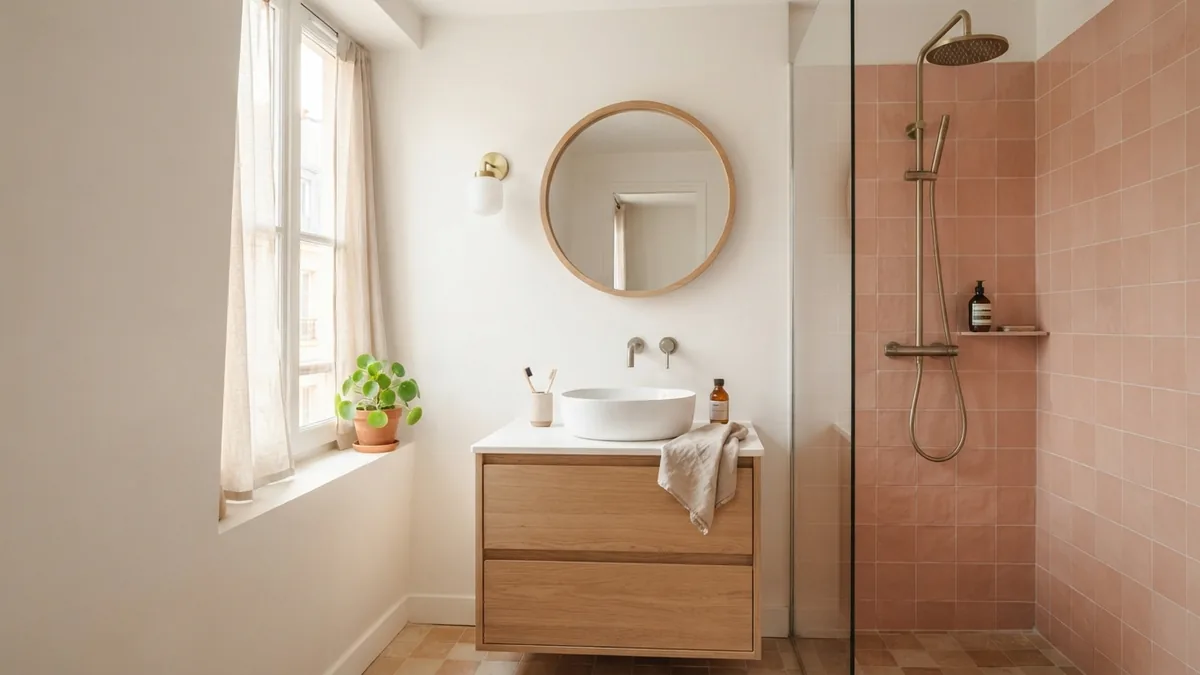
Add art and decor with a personal touch
Art can make a pink room feel individual rather than themed. Look for pieces that use related shades, such as cream, rust, green, or muted blue. A print with a small touch of pink can tie into the room without repeating the wall color exactly. For a quiet effect, choose art with open space and a restrained palette.
Hang artwork where it can be seen at eye level, and give it room around the edges. A single larger piece can suit a bedroom wall, while a small bathroom may need one compact work in a dry spot. Use a frame finish that appears elsewhere, such as pale wood or brushed brass. This creates a subtle link across the room.
Decor items can add shape as well as color. Try a pink vase on a dresser, a sculptural lamp, or a small ceramic bowl on a shelf. In bathrooms, keep decor away from splash zones and avoid items that are hard to clean. Function matters as much as looks.
Try fresh pink combinations with care
Pink works with more than white and grey. Sage green makes blush feel grounded, and pale blue gives it a cooler, coastal note. Terracotta and warm beige bring out pink’s peach side. Try each pairing in small pieces first, such as cushions, towels, or art.
For a more modern look, mix blush with charcoal in a limited amount, such as a thin frame or small lamp base. For a softer style, layer cream, pink, and pale wood with linen and matte ceramics. A pink bathroom can also pair tile with warm white walls and a simple wood accent. Repeating one color in three places helps the mix feel planned.
Before finishing, view the room from the doorway and remove anything that competes with the main shade. Keep the largest pink surface as the focus, then use furniture, light, and accessories to support it. Small changes are easy to test and adjust. The best result feels calm, useful, and like your own space.
Frequently asked questions
- How do I decorate a pink room without making it feel too sweet?
- Choose a muted pink and pair it with pale wood, warm white, or grey. Add texture and keep bright pink accents limited.
- What colors go with a blush pink bedroom?
- Warm white, light grey, sage, pale blue, and pale oak all work well with blush. Add brass or gold in small touches for warmth.
- How do I decorate a pink bathroom?
- Pair pink tile or paint with white towels, warm white walls, and one natural wood detail. Add soft light and keep decor away from splash zones.
- How can I decorate a pink tile bathroom?
- Let the tile be the main color, then use simple white or cream surfaces to balance it. A pale wood stool, fresh towels, and a small ceramic piece can finish the room.
- What lighting works best in a pink room?
- Soft, warm light helps pink feel calm and welcoming. Add task lighting near a mirror, desk, or reading spot where you need a clear view.
Related reading
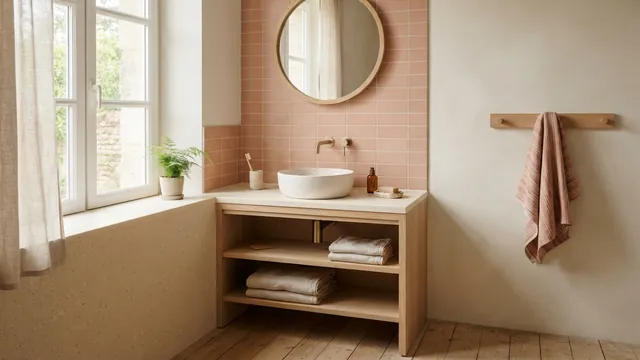
Pink Bathroom Tile — Colors, Accents and Styling
Pair pink tile with thoughtful colors, warm accents, and simple accessories.
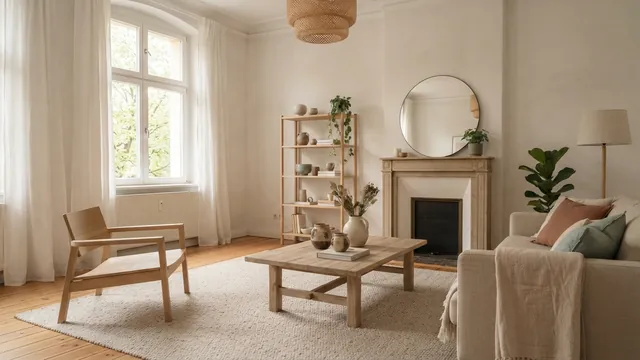
Interior Design Degrees — Careers and Study Paths
Explore interior design careers, study options, and routes into the field.
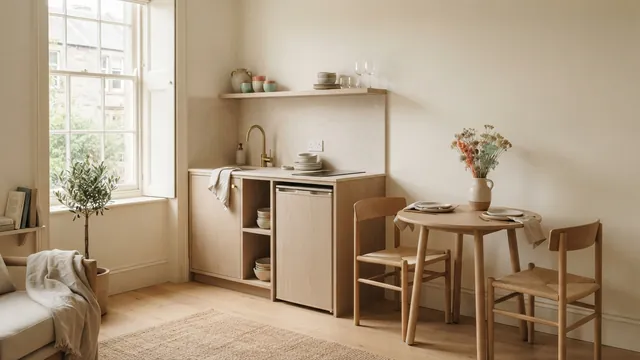
Hotel Rooms With Kitchens — Names and Room Types
Learn the names, features, and benefits of hotel rooms with kitchens.