How to Choose Bathroom Colors for a Calm, Cohesive Space
Choose bathroom colors with confidence using simple design rules.
Start with the Mood You Want
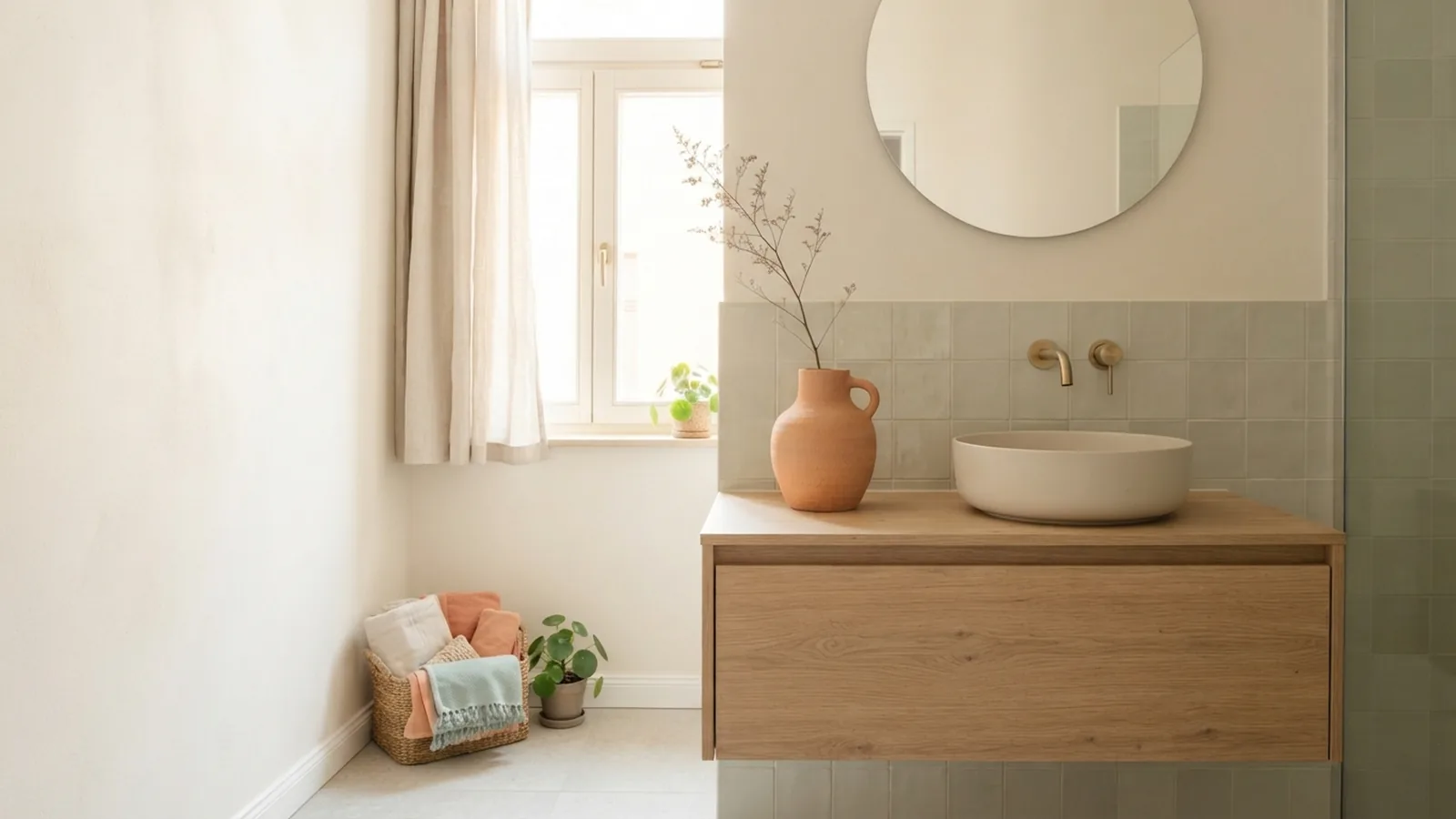
To choose bathroom colors, start with the feeling you want each morning. Soft sage, warm cream, and pale blue can make the room feel calm. Peach, coral, and terracotta add warmth and energy.
Color psychology can guide your first choice. Cool greens often feel fresh and restful. Warm tones can feel welcoming and lively. The best shade still depends on your light, fixtures, and taste.
Pick one focal point before you build the palette. This could be a framed art piece, a patterned tile, or a ceramic vase. Pull two or three colors from that item for a room that feels planned.
- Choose soft greens or muted blues for a restful bathroom.
- Choose warm clay, peach, or coral for more energy.
- Use cream and beige when you want a flexible base.
- Test every color beside your floor, worktop, and metal finish.
Choose Bathroom Paint Colors with Care
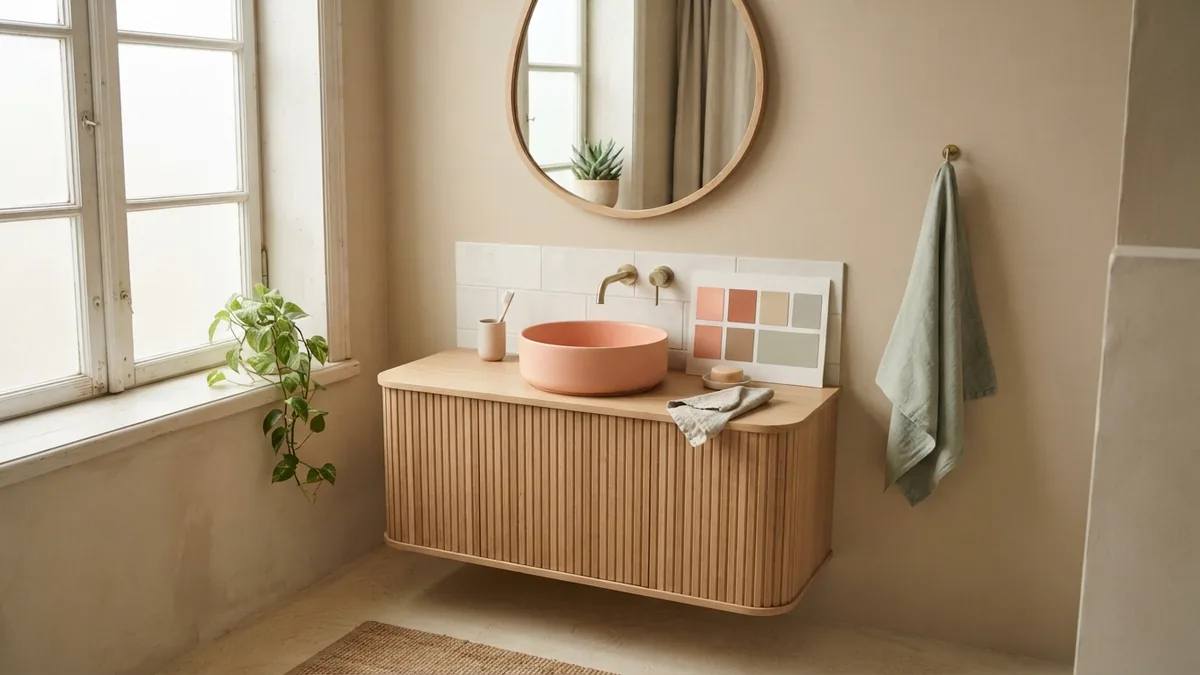
When learning how to choose bathroom paint color, study the room at different times. Morning light may look cool, while evening light may look warm. Paint a sample board and move it around the room.
Bathrooms need paint that can handle steam and cleaning. Pick a washable finish with a soft sheen. Matte paint can hide wall flaws, but it may need more care near a shower.
Start with the largest fixed surface. In many bathrooms, that means the floor or vanity. Choose a wall color that supports it instead of fighting it.
Use a simple color plan
- Choose a main wall shade for most painted surfaces.
- Pick a close trim shade for doors and woodwork.
- Test samples beside tile grout and natural stone.
- View the samples under both daylight and room lights.
A warm white can soften a bathroom with bright tile. A muted beige can link white fixtures with pale wood. Avoid choosing paint from a tiny store card alone.
Select Tile Colors That Work Together
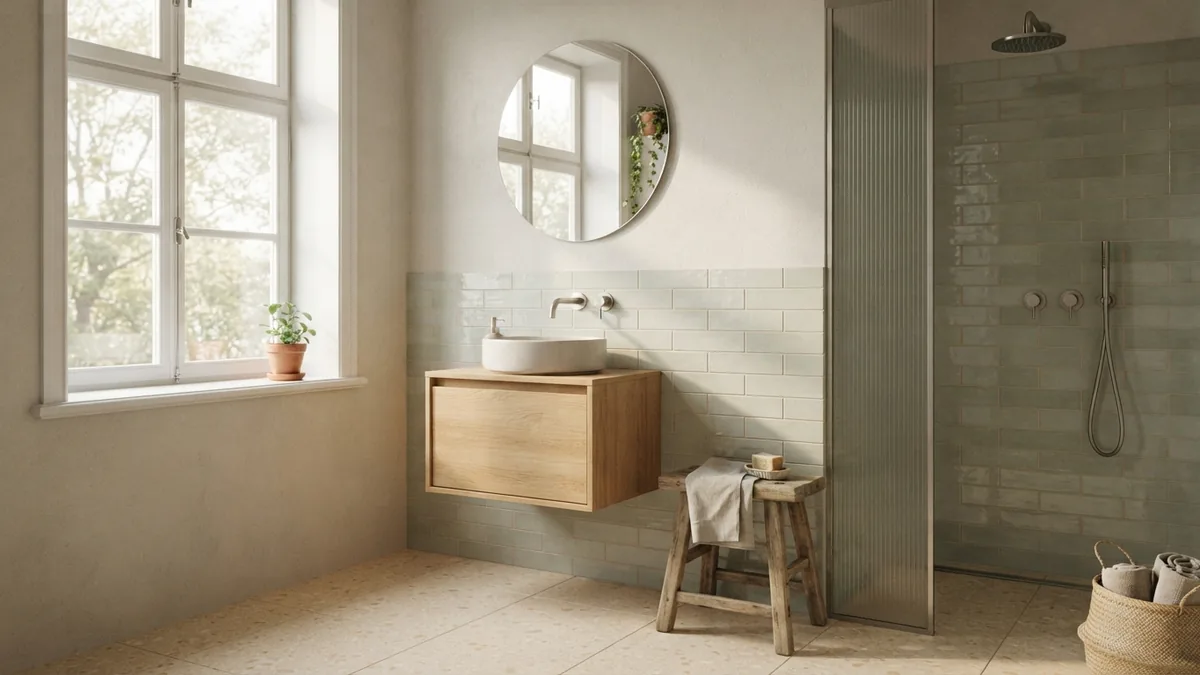
To learn how to choose bathroom tile colors, begin with the tile that covers the most space. Large floor tile often sets the room's visual weight. Wall tile should support that choice.
Use a color wheel to find easy pairings. Colors beside each other create a gentle blend. Opposite colors create stronger contrast. Keep one shade dominant so the room does not feel busy.
A monochromatic color scheme uses one color family in several tones. For example, pair pale sage walls with mid-tone green tile. Add deeper green grout or accessories for depth.
Check more than the tile face
- View a full tile sample, not one small chip.
- Check how grout changes the pattern.
- Compare satin, matte, and polished finishes.
- Look at the tile beside your vanity and shower fittings.
- Repeat one tile color in a smaller accent area.
Natural stone can bring cream, oat, and soft gray into one surface. Handmade tile can add gentle shade changes. Choose a quiet base when the tile has strong pattern or texture.
Coordinate the Rug with the Rest of the Room
When deciding how to choose bathroom rug color, start with the largest color already present. Match the rug to a wall shade, floor tone, or shower curtain. A close match feels calm without looking too exact.
Use a rug to add a small accent color. For instance, a muted coral rug can echo a vase or art detail. Keep the accent small if your tile already has a bold pattern.
Bathroom rugs must also suit the room's use. Choose washable cotton or another quick-dry material. Avoid a pale rug in a high-splash area unless you accept frequent washing.
Try the 60-30-10 rule
The 60-30-10 rule gives each color a clear job. Use the main color across about 60 percent of the room. Use a second color across 30 percent, then reserve 10 percent for accents.
| Color share | Good bathroom use |
|---|---|
| 60 percent | Walls, large tile, or the main floor |
| 30 percent | Vanity, wood, shower tile, or textiles |
| 10 percent | Rug, art, towels, or small accessories |
This rule is a guide, not a strict formula. A small rug can carry the accent color with towels and pottery.
Balance Light and Dark Colors
Light colors reflect more light and can make a small bathroom feel larger. Cream, soft beige, and pale sage keep walls open. Use the same light shade on walls and trim for a smoother look.
Darker colors can create a cozy atmosphere. A deep olive vanity or warm clay wall can add focus. Use dark shades on one wall, the vanity, or the lower half of the room.
Contrast helps key features stand out. Pair pale walls with a mid-tone floor for a grounded feel. Keep the contrast gentle when the room has little daylight.
- Use light walls when the room feels narrow or dim.
- Place dark color below eye level to ground the space.
- Repeat dark details in two or three small areas.
- Use mirrors and light fittings to boost light reflection.
Do not judge color from a digital screen. Real light, tile texture, and grout can shift the result. Test large samples before you buy.
Explore Warm, Nature-Led Color Schemes
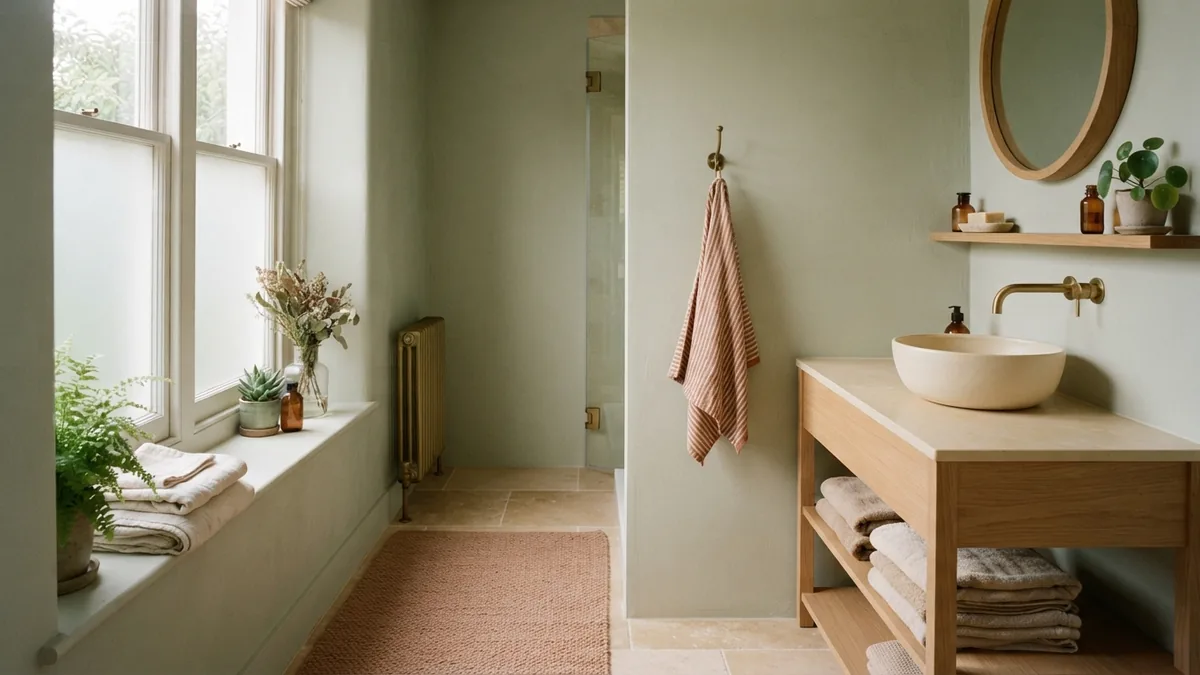
Current bathroom color trends favor nature-inspired hues. Soft sage, sand, clay, and warm white create an easy, calm base. Pale oak and linen add texture without strong contrast.
Jewel tones can also work in the right dose. Deep teal, forest green, and aubergine bring rich color to a vanity or accent wall. Balance them with cream tile and warm wood.
Trends work best as small, easy-to-change layers. Paint, towels, rugs, and ceramics can shift with less cost than tile. Choose lasting colors for fixed surfaces.
Build a sample palette
- Base: warm cream wall paint.
- Middle tone: soft sage floor or vanity.
- Accent: muted terracotta rug and pottery.
- Metal: brushed brass or soft bronze.
Link the bathroom to nearby rooms for a cohesive home. Repeat one wall shade, wood tone, or accent color in the hall. This small link can make each room feel connected.
Make Small Bathrooms Feel More Open
When choosing how to choose bathroom tiles for small bathroom spaces, focus on scale and flow. Large tiles create fewer grout lines, so the room can feel less broken up. Use a light, low-contrast grout for an even surface.
Keep floor and wall colors close when you want more visual space. A pale floor with slightly darker walls still feels open. Continuing tile into a shower area can make the room seem deeper.
Small rooms can still use dark color. Try a dark vanity, niche, or ceiling instead of covering every wall. This adds character without making the whole room feel tight.
Use these small-space color moves
- Choose one light base color for most large surfaces.
- Use one tile shape to keep the view calm.
- Repeat the floor tone in the vanity or rug.
- Add one darker accent near the mirror or storage.
- Keep bold patterns to one clear focal point.
Color harmony matters more than room size. Limit the palette to three main colors plus metal accents. That choice keeps a compact bathroom neat and warm.
Finish the Palette Before You Buy
Gather samples of paint, tile, grout, wood, fabric, and metal. Place them together on a board. Check the group beside the bathroom door and the hall outside.
Look for balance in tone, not just hue. Several pale colors may need one mid-tone anchor. Several dark colors may need warm cream to keep the room welcoming.
Live with the samples for at least two days. Move them near the window, mirror, shower, and floor. Then choose the palette that looks good across the whole room.
- One main color should lead the room.
- One supporting color should add depth.
- One accent should create focus.
- Nearby rooms should share at least one visual link.
Frequently asked questions
- How do I choose bathroom colors that work together?
- Choose one main color, one supporting shade, and one small accent. Test them beside your tile, floor, vanity, and nearby rooms.
- What is the best bathroom paint color for a small room?
- Warm white, pale beige, and soft sage can make a small room feel open. Test samples first because daylight changes each shade.
- How do I choose bathroom tile colors?
- Start with the largest tiled surface, then choose supporting tones. Use nearby colors for calm harmony or opposite colors for stronger contrast.
- How do I choose a bathroom rug color?
- Match the rug to an existing wall, floor, or accent shade. Use the rug for a small color boost when fixed surfaces already feel busy.
- Are dark colors suitable for a small bathroom?
- Yes. Use a dark vanity, niche, or accent wall instead of covering every surface. Balance it with light walls and warm materials.
- How can bathroom colors connect with nearby rooms?
- Repeat one shade, wood tone, or accent from the hall or bedroom. This creates a smooth visual link between spaces.
Related reading
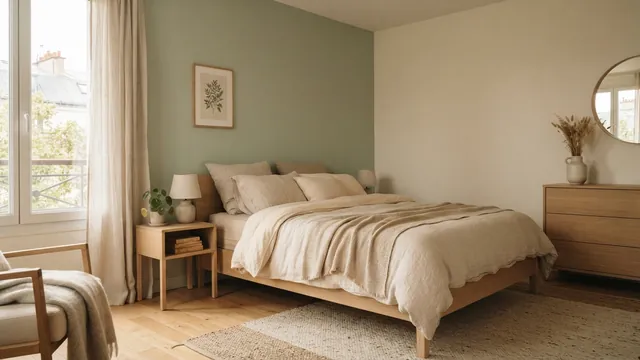
The Best Paint Colors for Every Room in Your Home
Choose room colors that feel calm, bright, cozy, or bold.
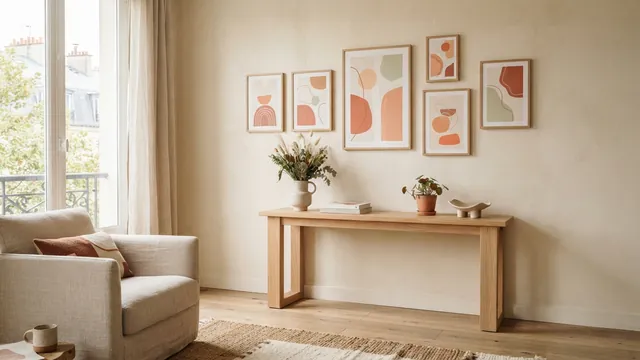
Long Walls — Ideas That Add Balance and Character
Make a long wall feel balanced with color, art, shelves, and warm light.
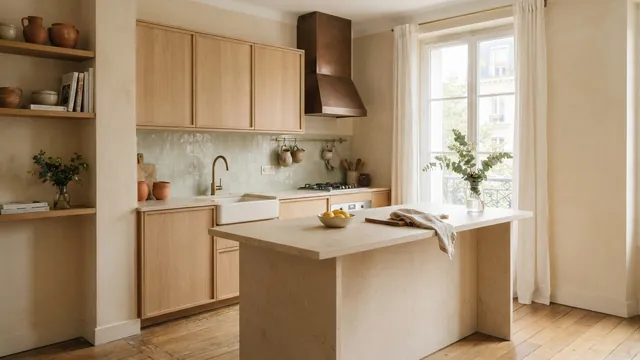
Modern Kitchen Design: Form and Function
Plan a modern kitchen that balances clean style with everyday ease.