Best Bathroom Paint Colors: Ideas for Calm, Space, and Style
Choose calming bathroom colors by space size, light, and finish.
Understanding bathroom color psychology
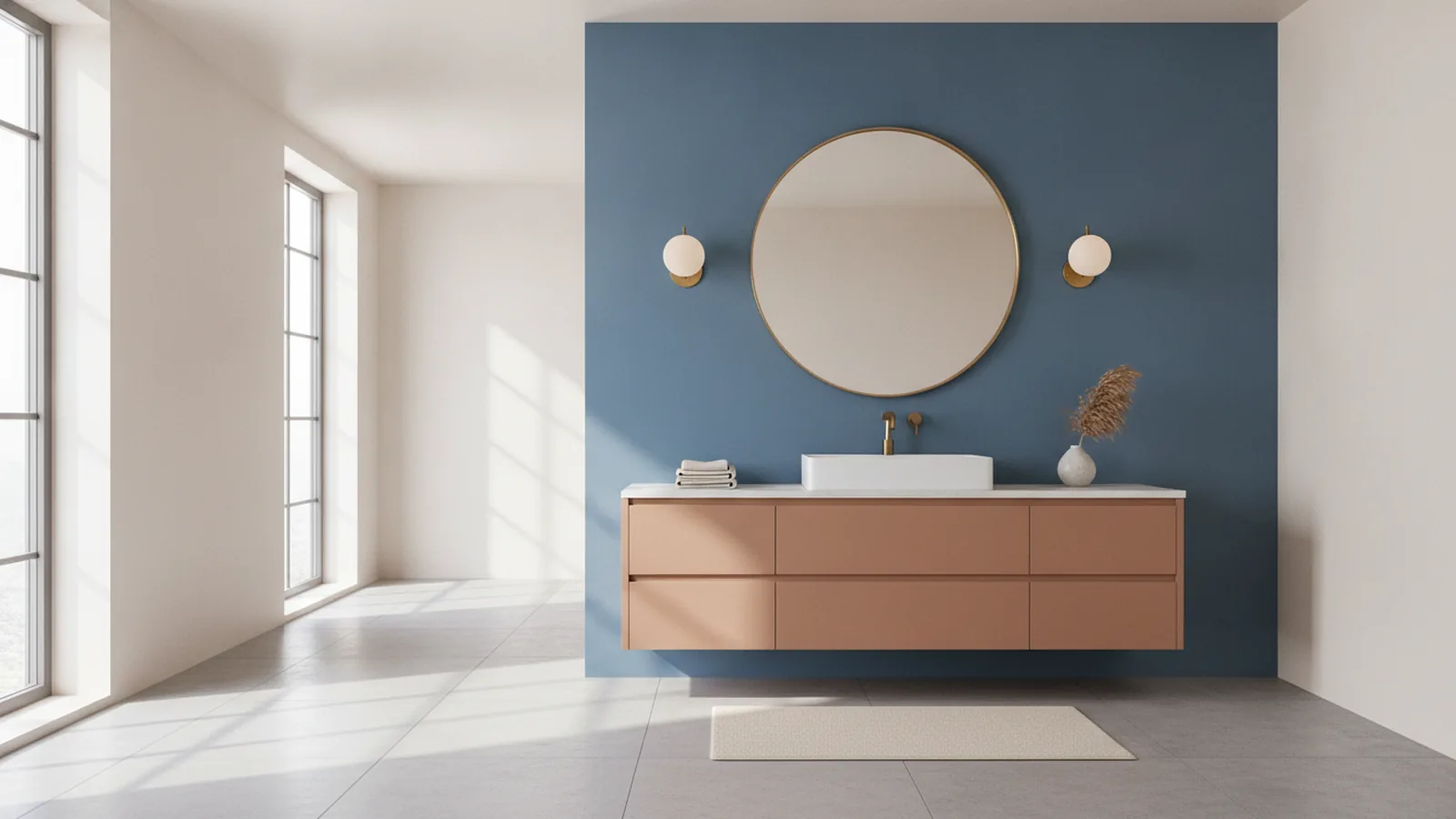
If you want a quick answer to “whats a good bathroom color,” start with soft, calming shades. Cool tones like blues and greens tend to feel relaxing, which fits how most people use bathrooms. Color psychology is not magic, but it does steer your mood through light and contrast.
Think about what you want to feel when you step inside. Do you want a fresh, airy start to the day, or a slow, spa-like wind down at night? In general, lower-saturation colors (muted and gentle hues) calm the eye better than bright, high-energy colors.
Bathrooms also work like “light rooms,” even when they do not get much natural sun. This means your wall color will mix with ceiling light temperature and mirror reflections. If you pick a strong tone, you must test it in your actual bathroom lighting.
- Calming mood: soft blue, seafoam green, light gray with a hint of warmth
- Clean and crisp: very light neutral, pale cool white, soft aqua
- Bold and dramatic: deep teal, charcoal, rich navy with good lighting
Choosing colors based on space size
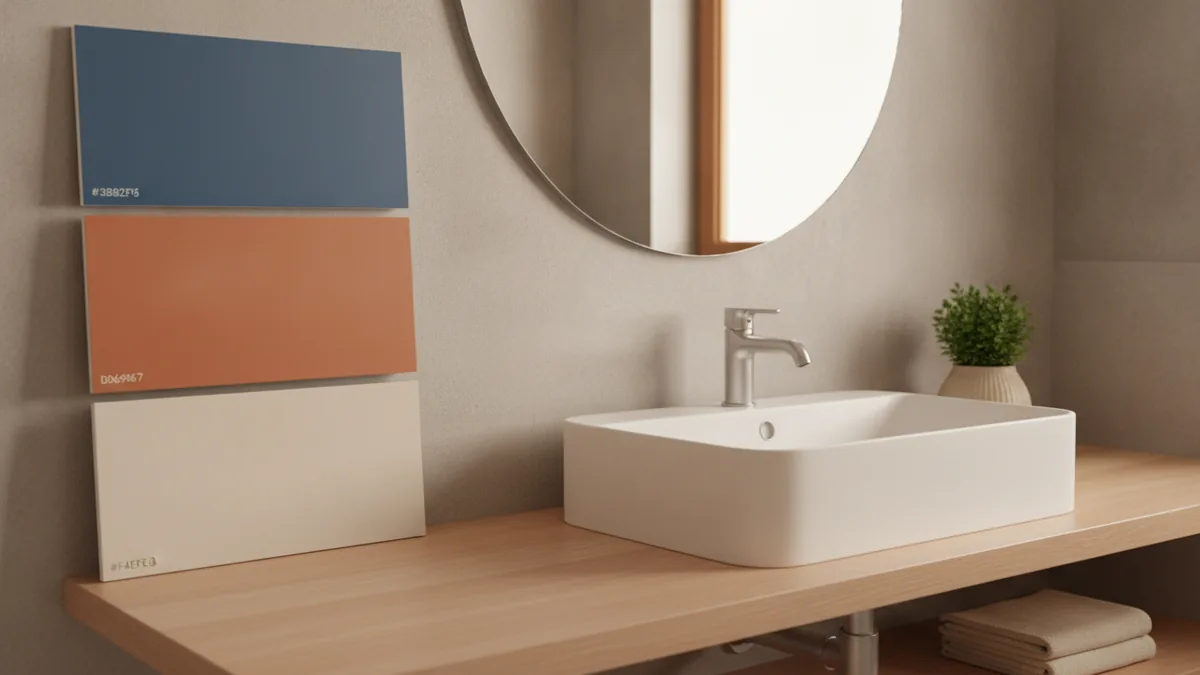
“Whats a good color for a bathroom” depends on the size of the room and how your light behaves. For smaller bathrooms, light colors usually win because they reflect more light. This makes the space feel more open and less boxed in.
Here are practical rules that designers use. If your bathroom has limited natural light, lean toward light vs dark colors that can brighten the walls. If your bathroom is fairly large or has strong daylight, you can consider deeper hues for more drama.
For “best colors for small bathrooms,” try these starting points. Soft off-whites, warm light grays, pale blue, and muted green are common winners because they keep contrast gentle. If you still want something richer, place the bold color on an accent wall and keep the rest light.
- Pick a light base: use a light tone for most walls.
- Add depth carefully: use a darker tone on one wall or lower trim.
- Match the ceiling: keep the ceiling slightly lighter for height.
- Test near mirrors: mirrors can make a shade look brighter or cooler.
Popular color trends for bathrooms
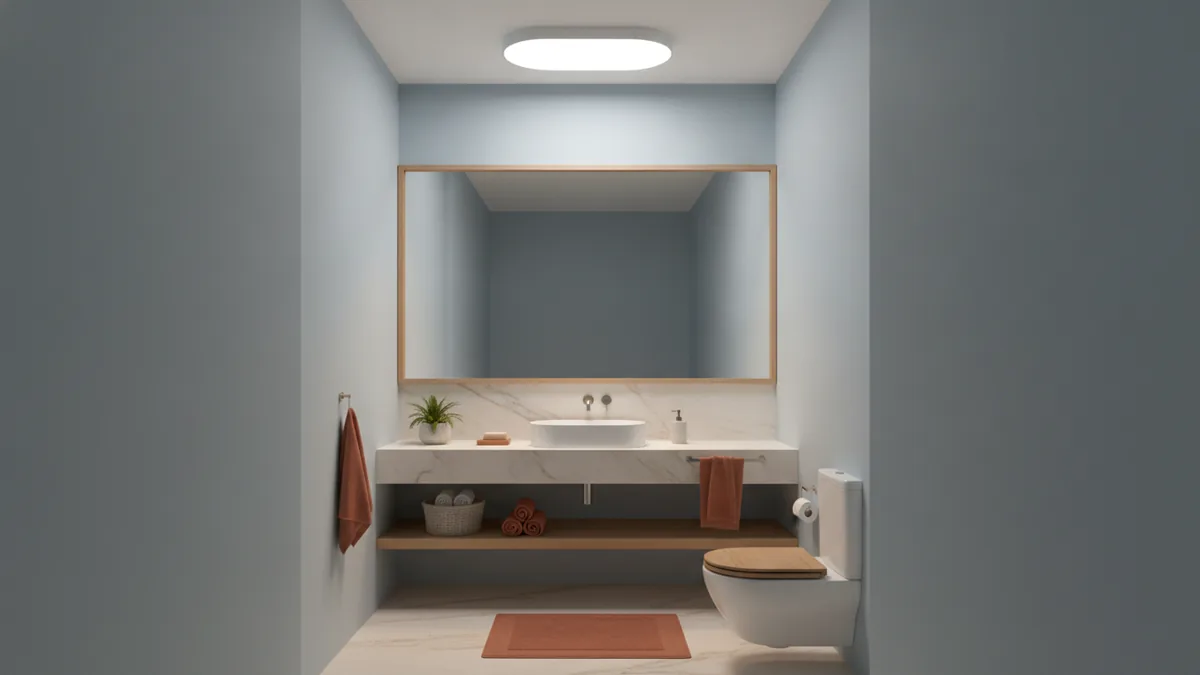
Many modern bathroom paint color schemes focus on calm, natural tones. That is why soothing blues, tranquil greens, and soft pinks keep showing up in new builds and remodels. These colors read as fresh without feeling sterile.
Soothing blues work well when you want a spa-like atmosphere without going dark. Try shades that lean gray-blue or “stone” blue rather than neon. Tranquil greens are also popular, especially muted sage tones that feel balanced with white fixtures.
Soft pink can feel surprisingly modern when it is dusty and light. Look for blush tones with gray undertones so it does not push toward “nursery” vibes. If you like a contemporary look, pair these trends with crisp white trim or warm off-white cabinetry.
| Color direction | Best use | Easy pairing |
|---|---|---|
| Soothing blue | Whole-room walls for calm | Matte white trim and brushed nickel |
| Tranquil green | Bathrooms with wood accents | Warm white tile and light oak tones |
| Soft pink | Small accents or full walls | Cool white surfaces and light gray floors |
| Deep navy or teal | Accent wall or half-wall | Gold or bronze fixtures and bright lighting |
Creating a spa-like atmosphere
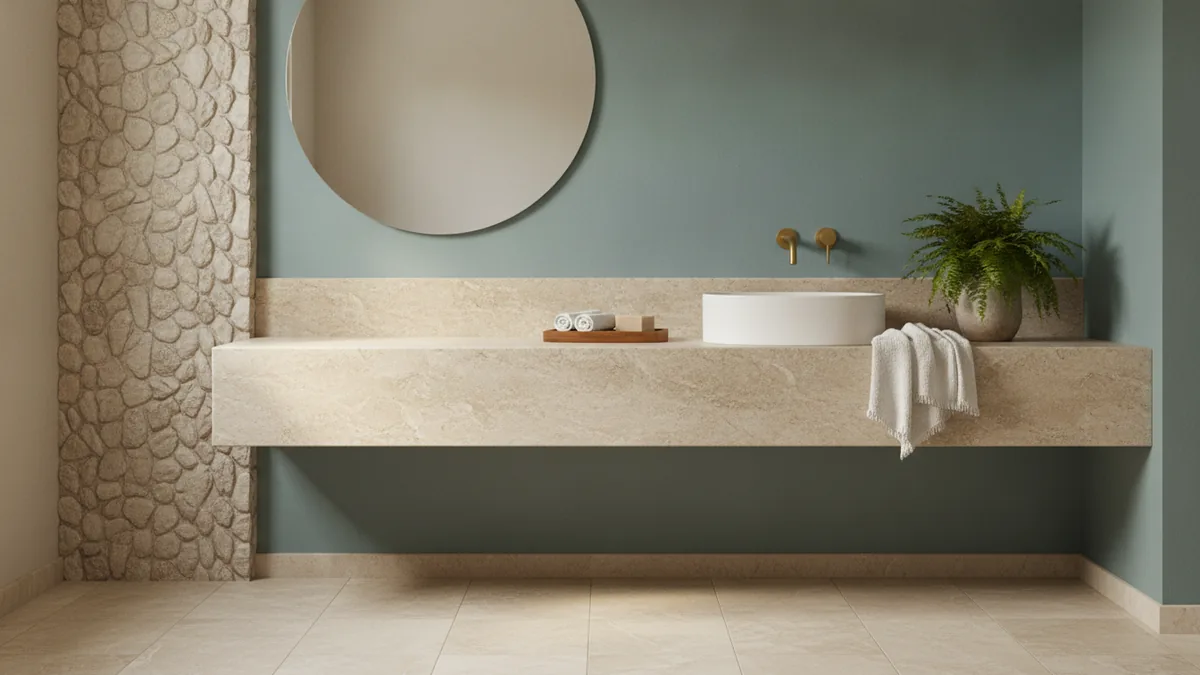
A spa-like atmosphere is mostly about color harmony and low visual stress. Choose bathroom color ideas that keep transitions smooth. That often means using one main hue plus two supporting neutrals.
For example, a simple spa palette might be a muted green on walls, warm white on trim, and natural stone gray on the floor. The goal is to avoid harsh contrast that pulls your eye around. You want the room to feel grounded when you relax.
Lighting matters as much as paint. Cool wall colors can shift toward icy in warm light. Warm wall colors can look dull under very cool bulbs. Before committing, view your paint sample under both morning daylight and the bathroom’s main light.
- Choose low-contrast: keep grout and trim colors close to each other.
- Use gentle saturation: avoid super-bright colors in small rooms.
- Coordinate with materials: let tile, stone, and vanity guide the undertone.
- Balance reflections: mirrors amplify color, especially near windows.
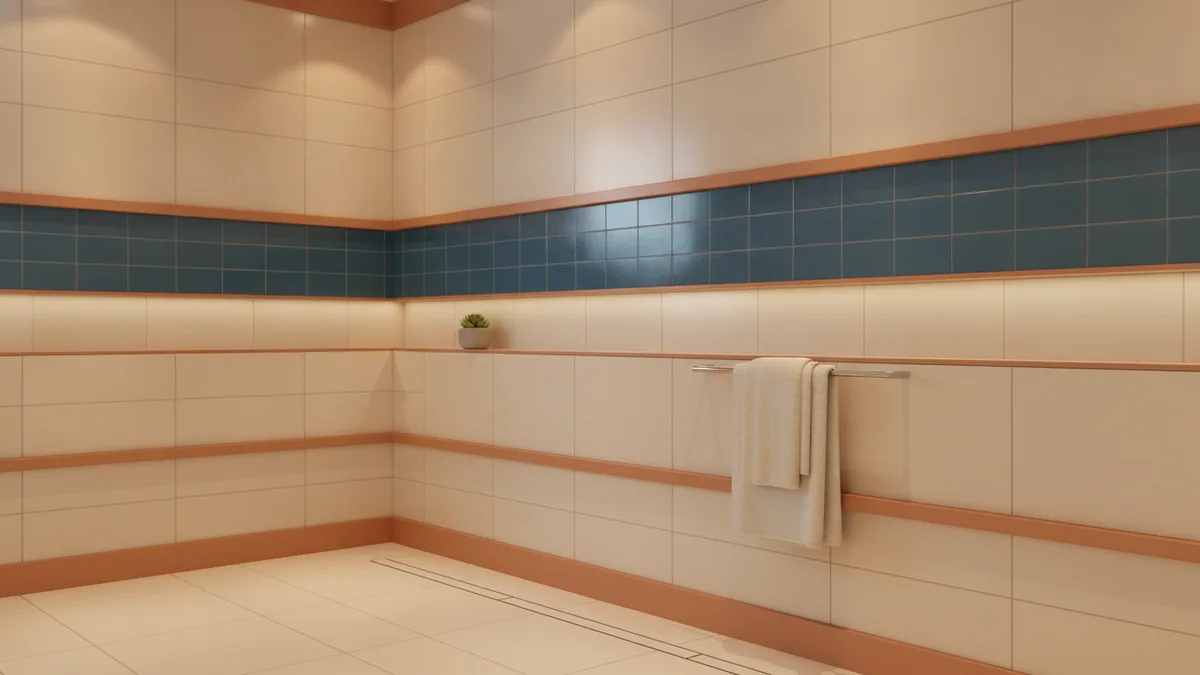
Combining colors and finishes
Color combinations look “designed” when you control both hue and finish. A matte or eggshell wall finish can reduce glare and keep the room calm. Satin and semi-gloss finishes reflect more light, which can be great in high-moisture zones, but they also show surface flaws.
Moisture-resistant paint is critical in a bathroom. Humidity can cause peeling, bubbling, and color fade when the wrong coating is used. If your bathroom runs humid, choose a paint finish designed for bathrooms and kitchens, then apply it evenly.
Use these finish ideas to match the space. Many homeowners choose eggshell for most walls because it cleans well and hides minor imperfections. For trim around a shower or frequent splash zones, a more durable sheen can help. Always follow the label for ventilation and cure time.
- Match sheen to wear: higher traffic and splash zones need tougher finishes.
- Keep ceilings brighter: they lift the room and soften deeper wall tones.
- Test undertones: sample next to tile and hardware, not just on blank walls.
- Plan for contrast: bold walls need clean, bright trim.
Also consider color flow with adjacent rooms. Your bathroom should connect visually with hallways and nearby spaces so it does not feel like a color “jump.” If the adjacent room has warm walls, a cool green bathroom might feel too separate. Adjust by choosing a green with more gray or more warmth.
Maintenance considerations for bathroom paint
Good paint lasts longer when you think about how the room gets cleaned. Bathrooms see soap, toothpaste splatter, and frequent wipe-downs. That means your paint finish should handle light scrubbing without scuffing or discoloring.
Moisture-resistant paint helps, but technique matters too. Avoid harsh abrasives that can dull sheen or polish the surface unevenly. Use a soft sponge or microfiber cloth, and wipe gently to keep the color consistent over time.
Ventilation is the hidden variable. Run the fan during and after showers, and keep moisture from lingering on walls. If you paint over damaged areas, fix leaks and address ventilation first, or the new coat can fail early.
Finally, plan your touch-ups. Keep a small matched can label or store leftover paint from the project. Touch-ups blend best when the paint has cured fully, which can take longer in humid weather.
- Clean gently: soft cloth, mild cleaner, minimal scrubbing.
- Control humidity: use the fan after showers.
- Fix leaks first: paint is not a waterproof layer.
- Save for touch-ups: match sheen and cure time.
Frequently asked questions
- What’s a good bathroom color for a calming feel?
- Soft blues, muted greens, and light neutrals usually feel calm. Pick lower-saturation shades so the room stays relaxing.
- What’s a good color for a bathroom with limited natural light?
- Use light vs dark colors in your favor. Choose a bright wall tone and test under your bathroom bulbs before painting.
- What are some popular bathroom color schemes right now?
- Soothing blues, tranquil greens, and soft pinks are common modern picks. Deep navy or teal is also popular as an accent with crisp trim.
- What are the best colors for small bathrooms?
- Light colors usually make small bathrooms feel larger. If you want drama, use a darker accent wall rather than painting everything deep.
- Do I need moisture-resistant paint for bathrooms?
- Yes, moisture-resistant paint helps prevent peeling and early fading. Pair it with good ventilation to reduce humidity on walls.
- How do I combine paint colors and finishes in a bathroom?
- Choose a durable bathroom sheen that matches how often the area gets cleaned. Use brighter trim and ceilings to balance deeper wall colors.
Related reading
Couch Placement—Flow, Focus and Comfort
Place your couch to frame a focal point, keep paths clear, and make the room feel balanced.
Master Bedroom — Color, Comfort and Personal Style
Build a calm, personal bedroom with smart choices and a budget that works.
Room Painting Labor Costs — Rates and Budget Factors
See typical room-painting labor rates and learn what drives the final price.