Best Laundry Room Colors: Light, Finishes, and DIY Ideas
Choose laundry room colors that feel fresh, stay practical, and look great in every light.
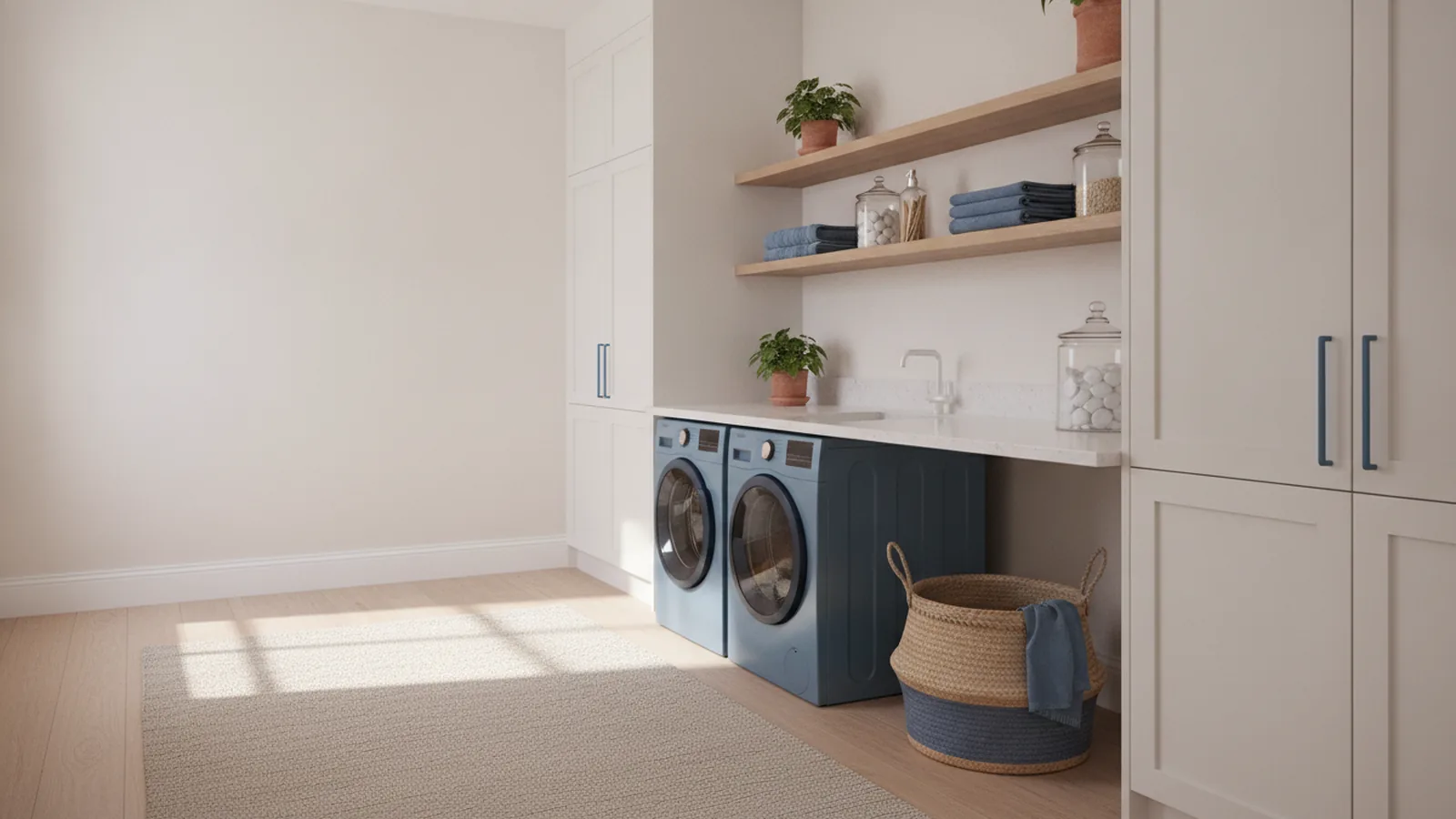
If you are asking what is the best color for a laundry room, start with a warm white or soft off-white. These shades feel clean, hide everyday mess, and pair well with baskets, cabinets, and bold accents. If you want more mood, use a blue-gray or soft green on the main walls and keep trim in a bright neutral. The right choice still depends on light, paint finish, and how you want the room to feel while folding clothes.
In this guide, you will learn what is a good color for a laundry room based on real design factors. You will also see why paint finish matters, and how to try simple DIY color schemes. You will leave with a clear path to pick the best paint color for a laundry room that looks good on day one and day one hundred.
Choosing the right colors for a laundry room
Color can change the energy of laundry room design. Light colors often make the space feel airy, which helps when the room doubles as a storage area. Cooler colors can feel crisp and calm, which can make the chore feel less heavy. Warm whites and soft neutrals tend to read friendly, especially when you add wood accents or woven baskets.
A practical approach is to decide what you want the room to do visually. Do you want it to feel bigger, brighter, or more restful? Then pick a base color for the walls, and plan where bolder color pairings will live. A common mistake is choosing a dark or saturated wall without enough light, then wondering why it feels smaller.
When people search whats a good paint color for a laundry room, they often want a shade that hides stains and stays attractive. Soap splashes, water marks, and scuffs happen in this room. So aim for colors that look good with slight wear and that do not show every tiny mark.
- Pick a base shade that matches your lighting and storage colors.
- Use contrast in small zones, like a door, backsplash wall, or built-in shelves.
- Think about color temperature so whites do not turn yellow or gray.
Popular laundry room color trends that still work
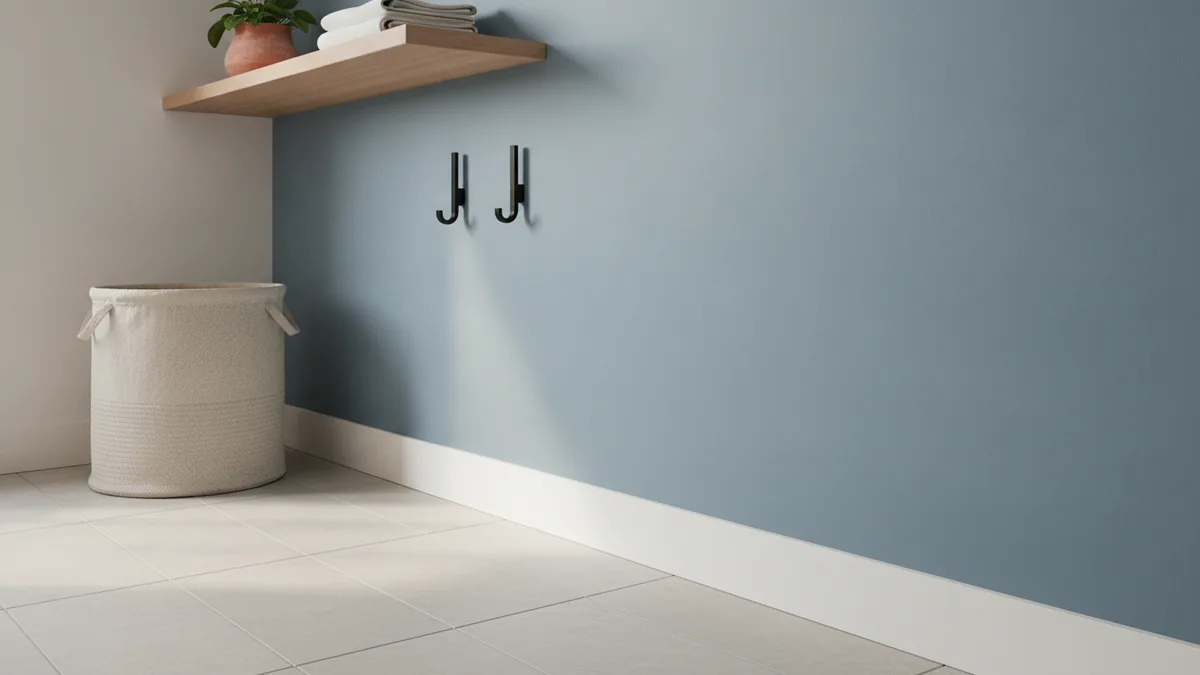
Trends come and go, but a few laundry room colors stay popular because they feel clean and pair with common finishes. Blue-gray is often a top pick because it sits between cool and neutral. It complements chrome fixtures and also looks great with light oak cabinetry.
Soft greens are another strong choice. They add a calm, fresh feel without the boldness of bright teal. Pair them with warm whites and natural textures for a look that feels lived-in, not sterile.
Warm whites and creamy neutrals remain a safe answer for what is the most popular color for a laundry room because they fit almost every style. They also give you flexibility if you later change baskets, wall art, or floor finishes. If you love bold color, use the neutral walls as a backdrop for a single accent area.
Where to use each trending color
You can use these shades in different ways, depending on how much drama you want. For a calm room, keep everything in one color family. For a more tailored look, try a darker accent wall or a two-tone split with a clear line.
- Blue-gray walls with warm white trim for a crisp, modern feel.
- Soft green walls with neutral shelves for a relaxed, airy look.
- Warm white walls with one bold element, like a utility door.
How light changes paint color in real life
Light impact on colors is the deciding factor for many people who ask what is the best color for a laundry room. Natural light shifts through the day, and bulbs add color tint at night. A paint chip can look perfect in a store and very different on your wall.
Start by mapping your light sources. If your laundry room has north-facing windows, colors often read cooler. South-facing rooms usually show warmer undertones. East-facing light hits in the morning and can make some grays look slightly steely early on. West-facing rooms can warm up later in the day.
For artificial lighting, check the bulb temperature. Many homes use 2700K to 3000K bulbs, which lean warm. That warmth can make a blue-gray soften and a soft green feel more creamy. If you use cooler bulbs, expect whites to shift toward gray.
A quick testing method that saves time
To see what you actually like, test on your wall where the room uses the color. Paint two small areas about the size of a sheet of paper, then observe them at two times. Do this on a normal day, not during a short viewing window.
- Paint samples next to the trim and near the darkest corner.
- Check at midday with the window lights on if possible.
- Check again in the evening under your laundry room bulbs.
- Compare against white items you already use, like hampers or shelves.
DIY color combinations for personality without chaos
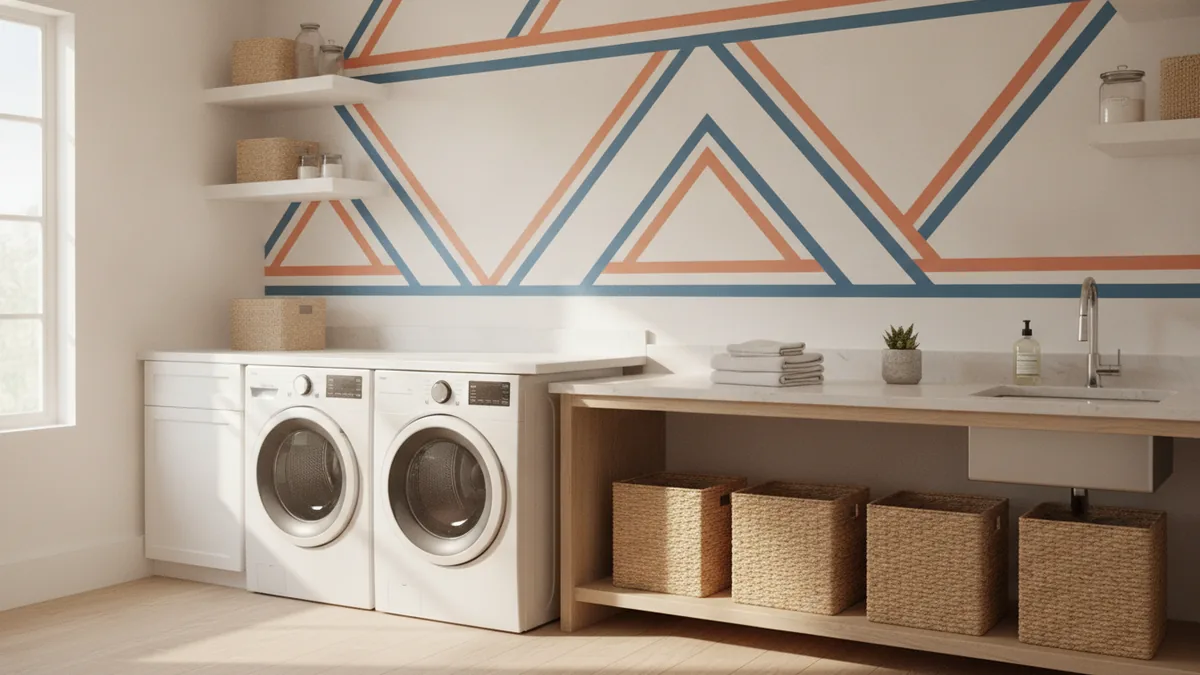
Color schemes can bring character to a laundry room without making the space busy. DIY painted elements are a great way to add style where you already have flat surfaces. Stripes and simple geometric designs work well because they create structure, not clutter.
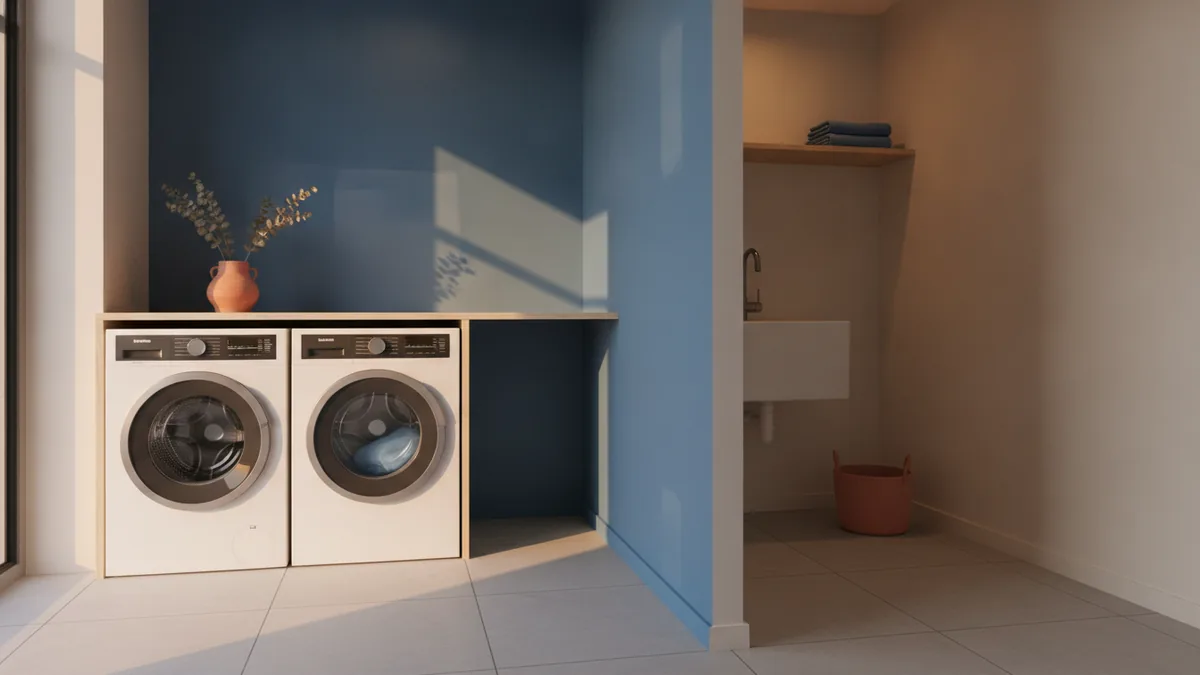
If you want an easy win, try a two-tone setup. Use a neutral wall and paint the lower portion or a built-in section in a stronger shade. That helps visually anchor the room and keeps color focused.
For stripes, use a consistent width and spacing so the pattern feels intentional. A muted blue-gray or soft green stripe over warm white can look modern and calming. In smaller rooms, keep the pattern subtle by choosing shades that are close in light value.
Low-risk DIY ideas that look planned
These options can be done with painter’s tape and a steady hand. They also let you keep the base walls in the versatile colors that hide wear.
- Vertical stripes on one wall to add height and reduce the “boxy” feel.
- A geometric pattern on the inside of open shelves for a hidden pop.
- Color-dipped door panels using neutral walls as the backdrop.
- Two-tone lower cabinets with a lighter wall above for balance.
Before you commit, sketch your layout on paper and estimate how much wall space the accents will cover. In most laundry room design, accents look best at 10% to 30% of the visual area. That ratio keeps the room inviting while still giving you a personal touch.
Paint finishes and how they affect look and feel
Paint finishes can make or break what is the best paint color for a laundry room because finish changes sheen and stain visibility. Satin and semi-gloss are common for trim and doors, since they resist scuffs better. They also reflect light slightly, which can make colors look a bit cleaner and brighter.
Flat or matte finishes can hide wall imperfections, which is useful for older plaster or textured walls. But they are often less forgiving for repeated wiping. Laundry rooms take splashes and fingerprints, so you may prefer more durable finishes on frequently touched areas.
A helpful rule is to match sheen to the wall’s job. High-touch zones like near the sink, behind folding tables, and door areas benefit from satin or semi-gloss. Low-touch walls can use a more forgiving finish if the room’s lighting is even.
| Finish type | How it looks | Best for |
|---|---|---|
| Matte / flat | Velvety, low shine | Ceilings and low-touch walls |
| Eggshell | Soft sheen, subtle reflections | Walls that need easy cleaning |
| Satin | Smooth, moderate sheen | Trim, doors, and active wall zones |
| Semi-gloss | Noticeable shine | Doors, cabinets, and areas with heavy wear |
If you use semi-gloss, remember that sheen reveals texture. That is why surface prep matters, especially on patchwork walls. When you want a crisp color look, pair satin trim with matte main walls for a layered effect.
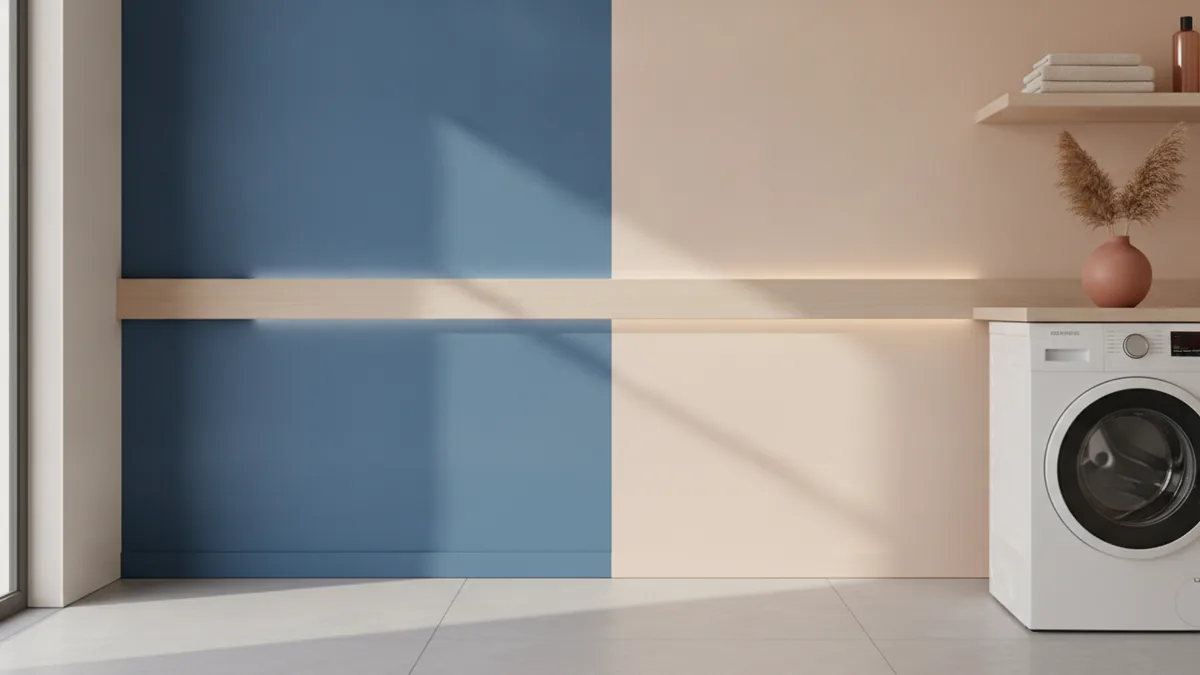
Tips for color selection in small laundry rooms
Small space optimization starts with light. If your laundry room feels tight, choose lighter colors and keep big color blocks away from the far edges. Warm whites and soft neutrals help rooms feel open, especially when you have minimal window space.
Another trick is to use one wall color across most surfaces, including adjacent areas. That visual continuity reduces hard boundaries. If you want contrast, put it where it guides motion, like a darker door or a framed area around a shelf.
Color pairing matters more in small rooms because there is less “breathing room” between elements. Choose one main wall shade, one trim neutral, and one accent. Keep that accent within a small range so it looks cohesive rather than random.
Practical layout-based guidance
- Paint the ceiling the same tone as the brightest wall for a taller feel.
- Use lighter colors behind open shelving to reduce visual clutter.
- Keep trim bright to reflect light and sharpen edges.
- Place deeper colors on a door or cabinet front, not on the only wall with storage.
Finally, consider the colors already in the room. If your floor is cool gray, a warm white can prevent the room from feeling too icy. If your cabinets have honey tones, go for creamy whites with a gentle undertone. This makes what is a good color for a laundry room feel less like guesswork and more like matching your existing palette.
Final thoughts on laundry room color choices
If you want a quick answer, a warm white or soft off-white is often what is the best color for a laundry room. It reads clean, stays flexible, and makes most fixtures look sharper. For a more styled look, blue-gray and soft greens offer calm personality while still feeling practical.
The real secret is not only picking a shade. It is choosing the right undertone, testing with your specific lights, and matching sheen to how the room gets used. Satin or semi-gloss often gives you the best balance of clean look and everyday durability.
Once you pick your base, add DIY elements like stripes or simple geometry for a signature touch. Keep those accents to a manageable area so the room stays inviting. When you follow these steps, your laundry room design will feel like a room you do not mind entering, even on busy days.
Frequently asked questions
- What is a good color for a laundry room that hides mess?
- Warm whites and soft off-whites are a good choice because they stay bright and forgiving. They also let baskets, cabinets, and hardware stand out.
- What is the best paint color for a laundry room with little natural light?
- Choose a warm neutral or a light eggshell shade so the room stays open. Cool grays can look harsher when the light is weak.
- What is the most popular color for a laundry room?
- Warm whites and creamy neutrals are among the most popular because they fit many styles. They also work with both bold and subtle accent colors.
- Do paint finishes matter in a laundry room?
- Yes. Satin or semi-gloss is easier to wipe down near doors and active wall zones. Matte can hide flaws but may be harder to clean repeatedly.
- How does lighting affect laundry room paint color?
- Daylight and bulb color change how undertones appear. Test samples at midday and in the evening to avoid surprises.
- Can I use DIY painted designs in a laundry room?
- Yes. Stripes or simple geometry add personality while you keep most walls neutral. Limit the accent to one area so the room still feels tidy.
Related reading
Dining Table Clearance — Space for Chairs and Walkways
Plan table and chair clearances for a dining area that feels comfortable.
Narrow Rooms — Paint, Light and Space
Use paint, light and smart furniture placement to open up a narrow room.
Room Painting Costs — What Shapes Your Quote
Room painting often costs $200–$1,000. See what drives the price and how to compare quotes.