Bedroom Rules — What a Closet Does and Doesn’t Decide
A closet may help a bedroom sell, but local safety rules decide whether it qualifies.
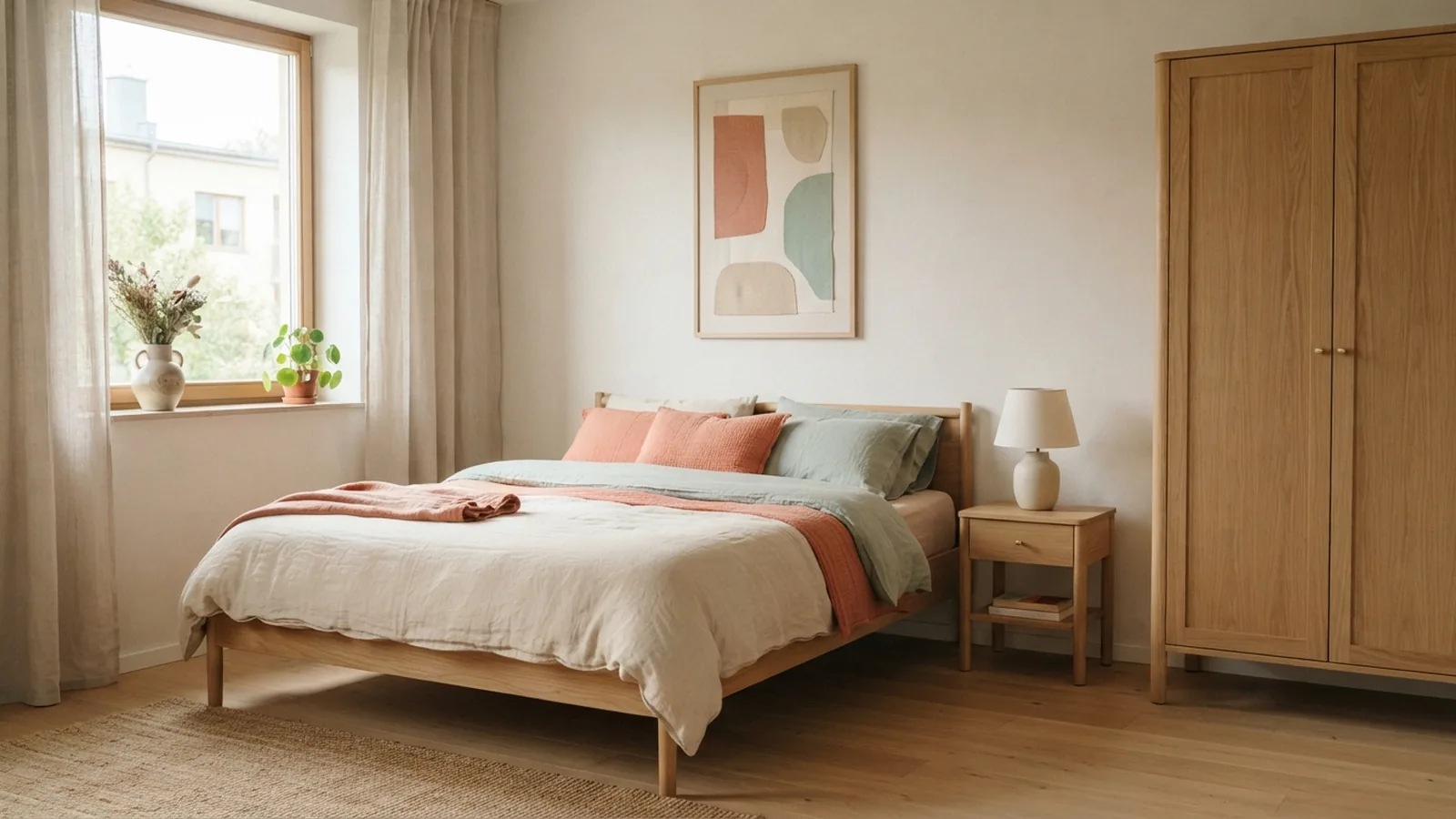
Introduction to Bedroom Criteria
Does a room need a closet to be a bedroom? In many places, no. Local rules often focus on safety, size, and room design instead of built-in storage.
There is no single bedroom definition for every home, sale, or rental. Building codes, housing rules, appraisals, and listing habits may use different tests. A room can meet one test and fail another.
This difference matters when you buy, sell, rent, or remodel. Check the rules that apply to the home before calling a room a bedroom. Local rules matter more than a broad rule of thumb.
It helps to separate two questions. Does the room meet local safety rules? Will buyers see it as a useful bedroom? A closet may help with the second question, even when it is not part of the first.
Legal Requirements for a Bedroom
Many local codes set a minimum floor area for a sleeping room. A common benchmark is 70 to 80 square feet, but the exact rule can vary. Some places also set a minimum room width, so a narrow space may not qualify.
Ceiling height can change how much floor area counts. A code may require a set height across much of the room. Sloped ceilings can make the test less simple. Ask how low sections affect the countable area.
A safe way out is another key issue. A bedroom may need an exit door or a window that meets local escape rules. The window may need a certain opening size and height. A window that looks large may still fail the local test.
- Floor area: Check the minimum size and any room-width rule.
- Ceiling height: Ask how low or sloped areas count.
- Escape route: Confirm that a door or window meets local rules.
- Other conditions: Check rules for heat, access, and basement rooms.
These checks are common, not universal. A room can look ready for a bed yet fail a safety rule. A room without a closet can still qualify if it meets the rules in force.
Do not rely on size alone. A large room with no safe exit may not count as a legal bedroom. A smaller room may also fail if local rules set a larger minimum.
The Role of Closets in Bedrooms
A closet is not part of many legal bedroom rules. Codes often focus on whether a person can use the room safely. They do not always require a built-in place for clothes.
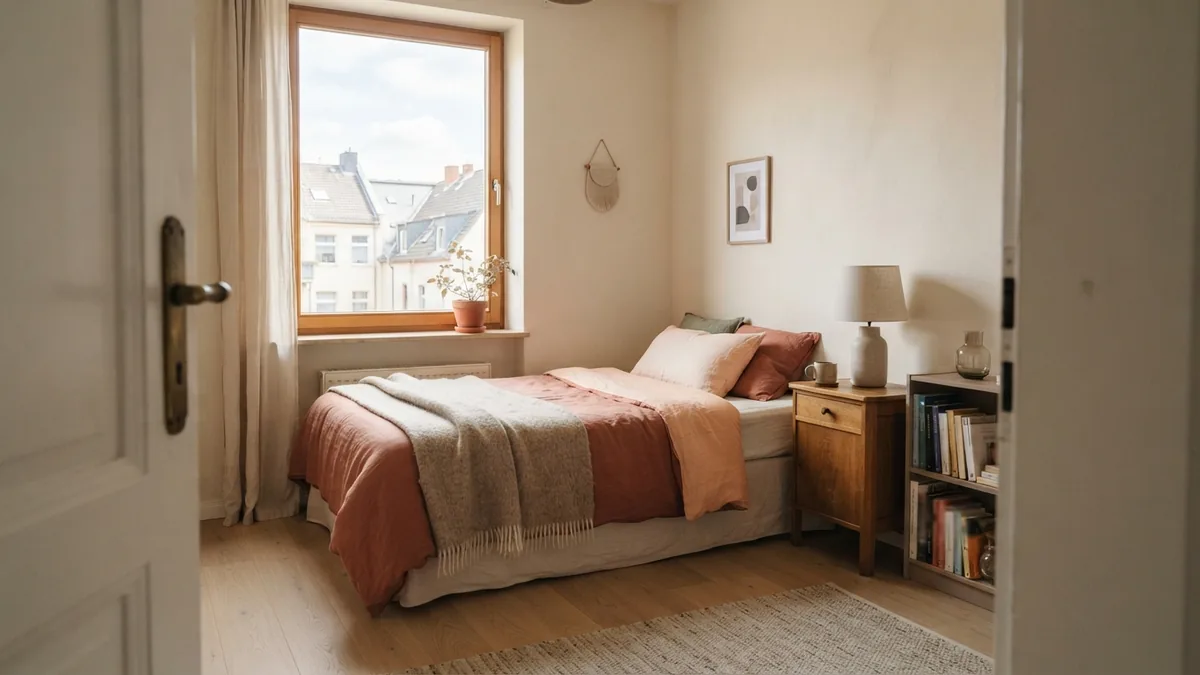
Older homes often have bedrooms without closets. People may use a wardrobe, dresser, or freestanding cabinet instead. These items add storage, but they do not change the room's legal status.
Closets can still shape buyer expectations. In some areas, buyers expect each bedroom to have built-in storage. A room without one may feel less useful, even if it meets local code.
Appraisers may note storage when they compare a home with similar sales. A closet can support the room's appeal, but it does not prove that the room meets bedroom rules. Legal status and market value are related, not identical.
Keep those points clear in a listing. Describe the room and its storage as they are. Do not claim it is a legal bedroom unless you have checked the rules that apply.
Common Misconceptions About Bedrooms
Myth: Every bedroom needs a closet. That is not a general legal rule. Some local codes or listing standards may add conditions, so check the rules where the home stands.
Myth: A bed and a door make any room a bedroom. Furniture does not settle the question. The room may still fail size, height, or exit rules.
Myth: One size rule works everywhere. The often-cited 70 to 80 square feet is only a common guide. Local codes may set a different area or add rules for width and height.
Myth: A listing label proves legal status. Listings may use market terms that differ from code terms. A home inspection can flag visible safety issues, but may not settle how local officials classify a room.
These myths can lead to costly confusion. A seller may count a room that buyers or local officials do not accept as a bedroom. A quick check with the right office can reduce that risk.
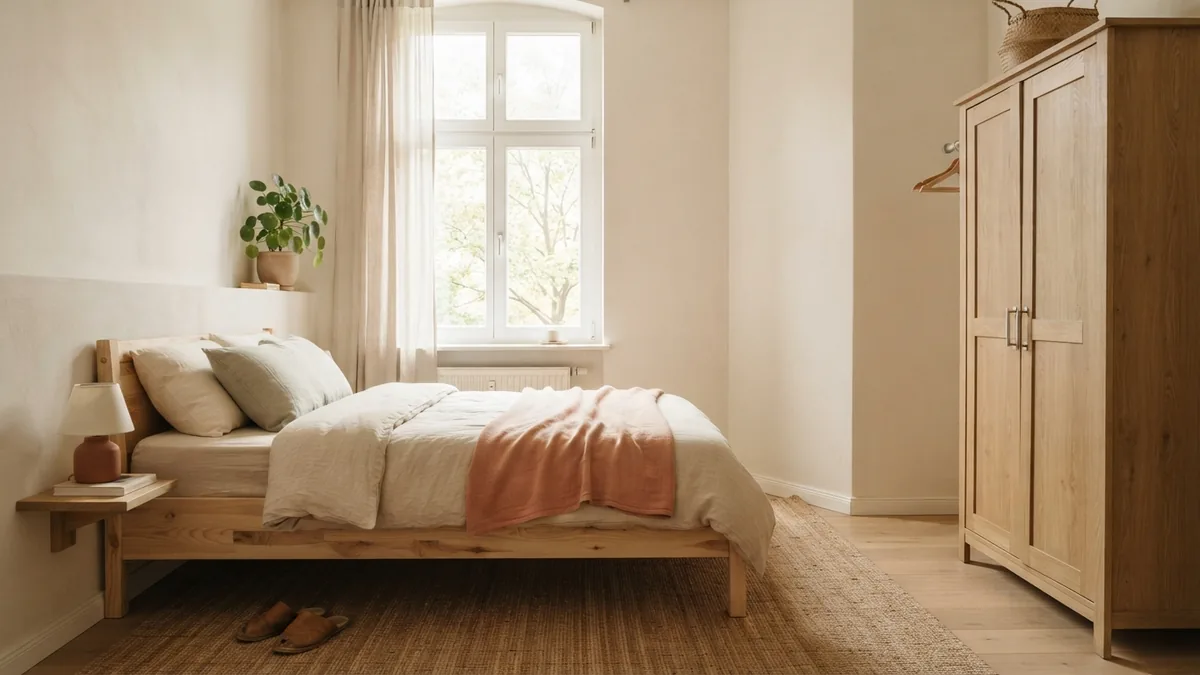
How Bedroom Status Can Affect Home Value
A legal extra bedroom may make a home appeal to more buyers. It can suit a family, guests, or someone who needs a separate work space. The value of that feature depends on what buyers want nearby.
There is no set price increase for each added bedroom. Local demand, room size, layout, and nearby sales all matter. A small room with poor access may draw less interest than a larger, well-planned space.
Appraisers compare a home with similar recent sales. They weigh the full home, not just the bedroom count. A closet may help a room feel ready to use, even if the law does not require one.
Clear records help avoid disputes. Keep permits, plans, and inspection notes for any room that was added or changed. Share them with a buyer or appraiser when they support the room's history and use.
How to Verify Bedroom Legality
Start with the local building department or housing office. Ask which building codes apply and whether they define sleeping rooms. In some regions, local building codes are the definitive source for bedroom requirements.
Give the office the room's location, floor area, ceiling height, and exit details. Ask about basement rules, window size, and any local limits. A short written answer can help if you later sell or rent the home.
Review permits and plans if the room came from an addition or remodel. A home inspection can point out issues, but an inspector may not make the final legal call. Ask the local authority when the answer affects a listing or a planned change.
- Find the right office. Contact the city or county building department for the home's address.
- Gather room details. Measure floor area and note the ceiling and exit features.
- Ask for local rules. Check closet needs, if any, along with size and safety limits.
- Keep the answer. Save permits, plans, and written guidance with the home records.
Do not assume that a neighbor's room sets a rule for your home. Older homes may have different approvals, and local codes can change over time. Verify the exact room and address.
Frequently asked questions
- Does a room need a closet to be a bedroom?
- Often, no. Many local rules focus on size, ceiling height, and safe exit routes instead of built-in storage.
- What are the requirements for a legal bedroom?
- Rules vary by location, but may cover minimum floor area, room width, ceiling height, heat, and a safe exit. Check the local building department for the rules that apply.
- How big does a bedroom need to be?
- A common benchmark is 70 to 80 square feet. Local rules may set a different minimum or add limits for width and ceiling height.
- Can a room without a closet add value to a home?
- It may still qualify as a bedroom under local rules. A closet can improve buyer appeal, but value depends on local demand and similar home sales.
- Who decides if a room is a legal bedroom?
- The local building or housing authority can explain the rules for that address. An appraiser or inspector may offer useful facts, but may not make the final legal call.
Related reading
What Makes a Room a Bedroom — Rules and Design Tips
Learn the size, safety, access, and design rules that define a bedroom.
Cream Kitchen Worktops — Colour and Finish
Compare worktop colors and finishes for cream and white kitchens.

Bedroom Air Quality — Simple Steps for a Healthier Room
Reduce dust, manage moisture, and choose a purifier that fits your bedroom.