Room Painting Costs and How to Choose the Right Color
Room paint costs, color tips, and smart ways to plan your project.
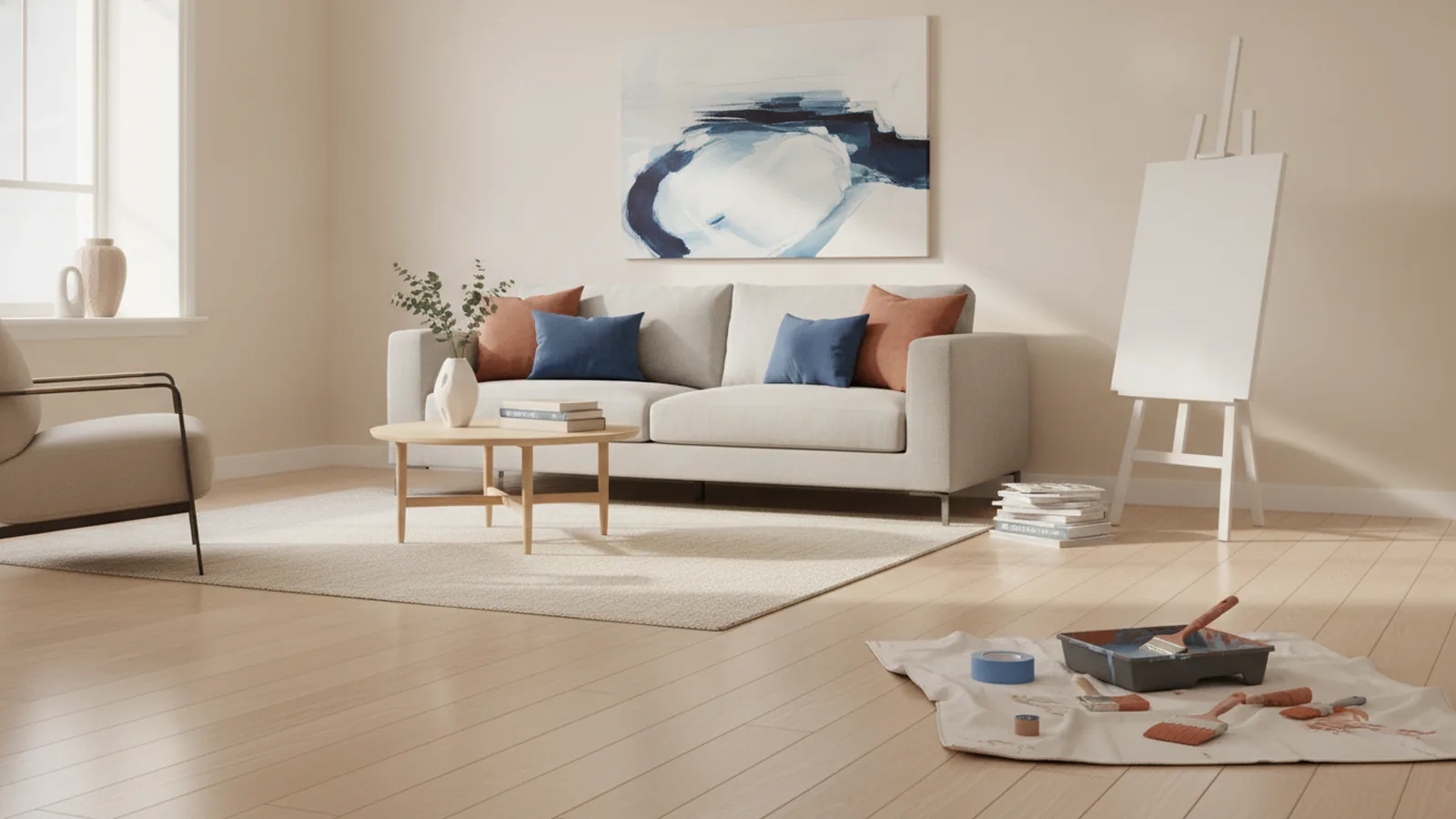
Understanding Room Painting Costs
How much to paint a room in a house depends on size, prep, paint, and labor. Most rooms cost $2 to $6 per square foot. This range often covers paint, supplies, labor, and basic prep.
A small bedroom may cost $400 to $800. A bathroom may cost $300 to $600. A larger kitchen may cost $600 to $1,200.
The average cost to paint a house ranges from $3,000 to $15,000. House size and layout drive much of that range. Many small rooms can take more time than one large, open room.
- Small bedroom: $400 to $800
- Bathroom: $300 to $600
- Kitchen: $600 to $1,200
- Full house interior: $3,000 to $15,000
Use these figures as planning ranges, not fixed bids. A written quote should list prep, paint, labor, and cleanup.
Factors That Affect Painting Prices
Room size affects paint use and labor costs. Wall area matters more than floor area. A room with tall walls needs more paint and more setup time.
Ceiling height can raise the quote. Tall walls need ladders, poles, or extra gear. They also take longer to cut in and roll.
Wall condition has a major effect. Small nail holes need little work. Cracks, peeling paint, stains, and rough texture need more care.
| Cost factor | Effect on the quote |
|---|---|
| Room size | More wall area needs more paint and labor |
| Ceiling height | Tall walls slow setup and painting |
| Wall condition | Damage adds patching, sanding, and primer |
| Color change | Dark-to-light changes may need extra coats |
| Trim and doors | Detailed edges add time and care |
Prep work can shape the whole project. Patching, sanding, cleaning, and priming add time. Good prep helps the finish look smooth and last longer.
Paint quality also changes the total cost. Better paint often covers more area per coat. It may resist marks and wear for longer.
Ask if the quote includes primer and all needed coats. A low quote may leave out key prep tasks.
Average Costs for Different Rooms
Room use helps explain why painting costs per room vary. Bathrooms need paint that handles steam and damp air. Kitchens often need a finish that cleans well.
Bedrooms tend to have simple layouts and few fixtures. That keeps many bedroom quotes within the $400 to $800 range. Large bedrooms or tall walls can cost more.
Bathrooms often cost $300 to $600. Their small size helps control paint use. Tight spaces, trim, cabinets, and repairs can still raise labor costs.
Kitchens often cost $600 to $1,200. Cabinets, shelves, appliances, and backsplashes create many edges. A kitchen with open walls may cost less.
Measure each wall before you request a quote. Note doors, windows, closets, and built-ins. These details help painters give a more useful price.
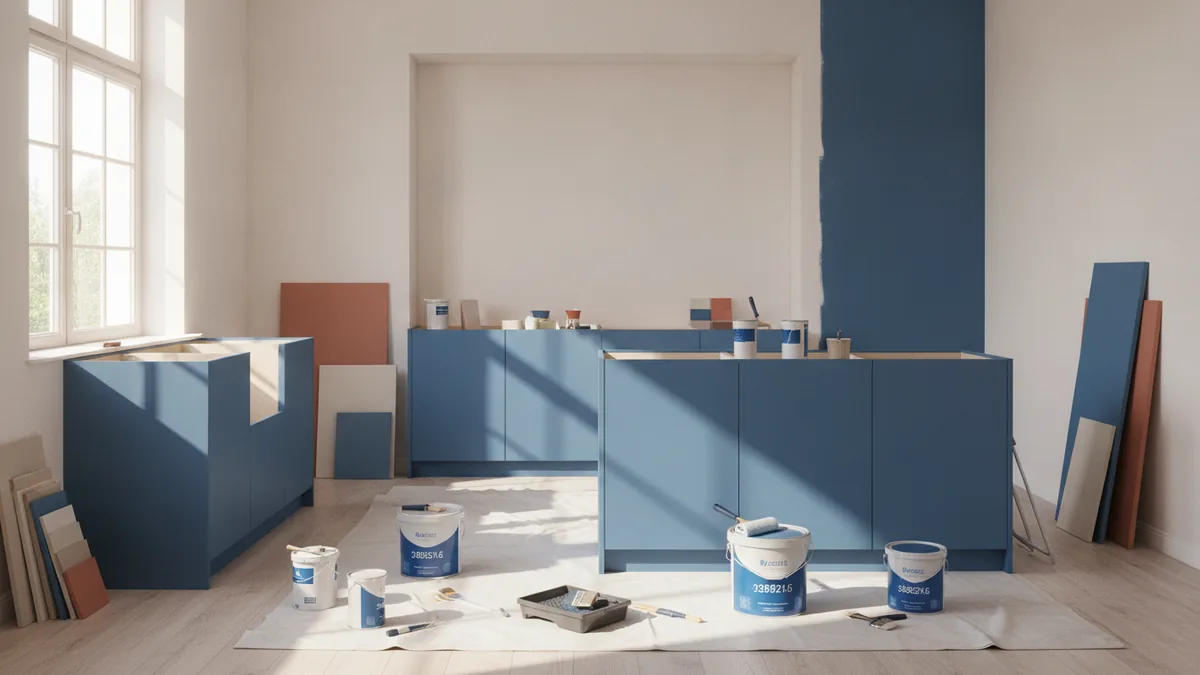
Ask for two or three written quotes when the project is large. Compare the work listed, not just the final price. Each quote should state the number of coats and the paint brand.
How to Choose Paint Colors for Your Room
How to decide what color to paint a room starts with its light. Watch the walls in the morning, afternoon, and evening. The same shade can look warm in one room and cool in another.
Look at the floor, furniture, rugs, and nearby rooms. Pick a shade that works with those fixed items. Test large samples on more than one wall.
If you ask, “what color should i paint my room,” start with the mood you want. Soft blue or green can feel calm. Warm beige can feel easy and welcoming.
To figure out what color to paint your room, narrow the choice to three samples. Leave them up for at least one day. This test shows how light changes each shade.
- To brighten a room: Try soft white, pale cream, or light warm gray
- For a family room: Try muted green, warm beige, or soft blue
- For a game room: Try a bold accent wall with calm side walls
- For a theater room: Try deep blue, charcoal, or muted brown
- With brown furniture: Try cream, sage, dusty blue, or warm gray
- For a teen bedroom: Let the main shade support art and bedding
Light colors reflect more light and may open up tight spaces. Dark colors add depth, but they can make a room feel smaller.
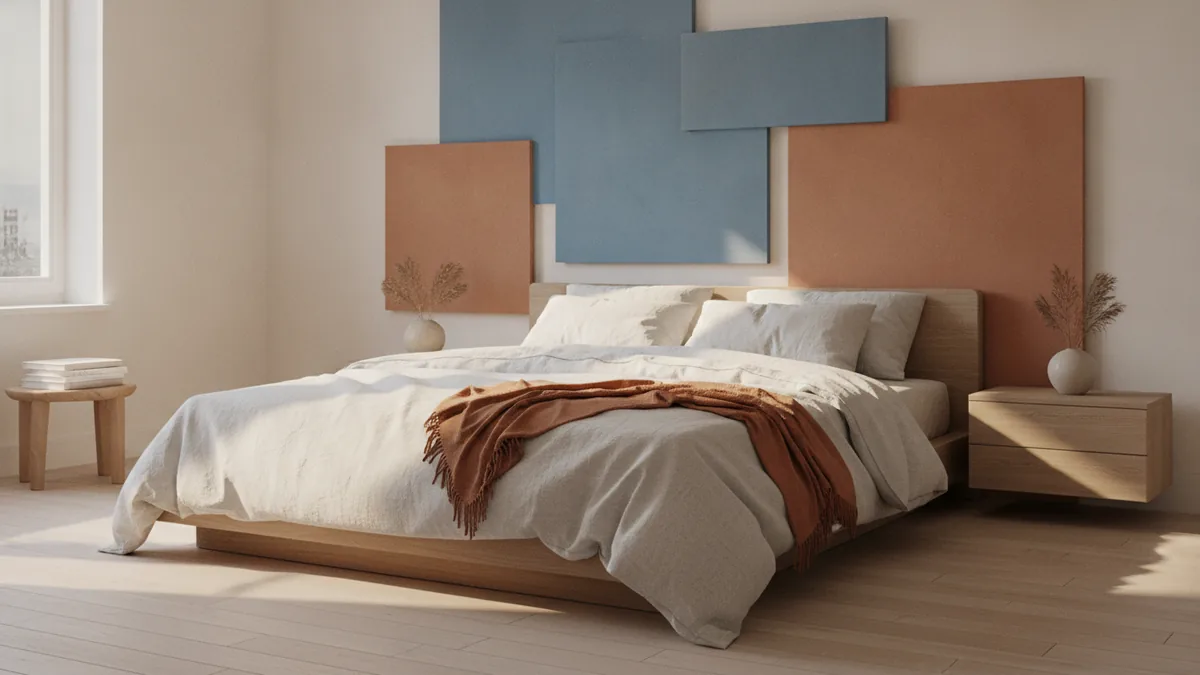
Answers to Common Room Color Questions
How to know what color to paint your room depends on light, furnishings, and taste. No single shade works for every home. Your sample test matters more than a screen preview.
People often ask, “what color do i paint my room?” Begin with the room’s fixed features. Then choose a shade that supports the room’s use.
A teenager may want a bold shade, but needs room to grow. So, what color should a teenager paint her room? A soft base with one bright wall gives more room for change.
For a gaming room, dark walls can reduce glare and add focus. What color should I paint my game room? Deep green, navy, or charcoal can work well with warm lighting.
A quiz can help you name a style, but it cannot read your room’s light. A “what color should i paint my room quiz” gives ideas only. Always test real samples before buying paint.
The same rule applies to a “what color should you paint your room quiz.” Treat it as a starting point, not a final answer. The best choice should also fit the floor and furniture.
Tips for a Successful Painting Project
Start with a clear scope of work. Decide if the quote includes ceilings, trim, doors, and closets. These items can add a large share of labor.
Move small items before the crew arrives. Cover heavy furniture and protect floors with drop cloths. Clear wall art, curtains, and outlet covers.
Keep the room dry and well aired during the work. Follow the paint maker’s guidance for drying time. Do not judge the final shade while the paint is still wet.
- Check the walls for holes, stains, and peeling paint.
- Confirm the paint finish and number of coats.
- Test samples under day and night lighting.
- Protect floors, trim, furniture, and fixtures.
- Inspect the finish after the last coat dries.
DIY Painting or Hiring a Professional?
DIY painting can reduce labor costs. It works best in rooms with sound walls and simple trim. You also need time for prep, cleanup, and touch-ups.
Hiring a professional can save time and improve the finish. It may be wise for tall walls, damaged surfaces, stairwells, or many rooms. A skilled crew can also spot repairs before painting starts.
Compare your time with the labor part of each quote. Include tools, drop cloths, primer, and wasted paint in a DIY budget. The cheaper path is not always the faster one.
Choose the option that fits the room and your schedule. Clear prep and tested colors help either approach succeed.
Frequently asked questions
- How much does it cost to paint a room in a house?
- Most rooms cost $2 to $6 per square foot. A small bedroom often costs $400 to $800.
- What factors affect painting costs?
- Room size, wall condition, ceiling height, paint type, trim, and prep work affect the price.
- How do I decide what color to paint my room?
- Test large samples on several walls. Watch them in morning, afternoon, and evening light.
- What color paint can brighten a room?
- Soft white, pale cream, and light warm gray can reflect more light in many rooms.
- What color should a teenager paint her room?
- A soft base color with one bold wall can suit a teenager’s room. It also leaves room for new decor.
- Does a what color should I paint my room quiz work?
- A quiz can suggest a style, but real paint samples give a better answer. Room light can change the shade on screen.
Related reading
Couch Placement—Flow, Focus and Comfort
Place your couch to frame a focal point, keep paths clear, and make the room feel balanced.
Master Bedroom — Color, Comfort and Personal Style
Build a calm, personal bedroom with smart choices and a budget that works.
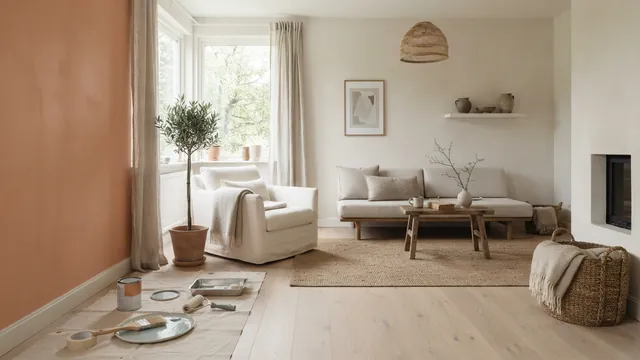
Room Painting Labor Costs — Rates and Budget Factors
See typical room-painting labor rates and learn what drives the final price.